Ludwigshafen, Industrial district capital in Rhineland-Palatinate, Germany
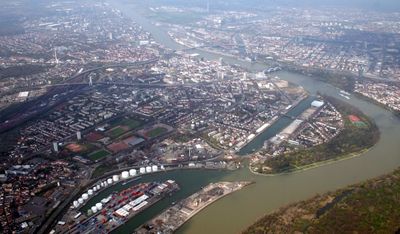
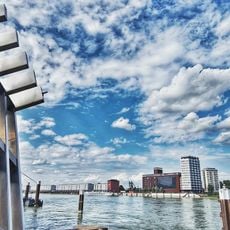
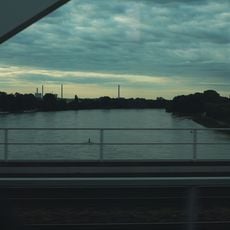
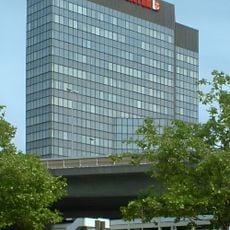
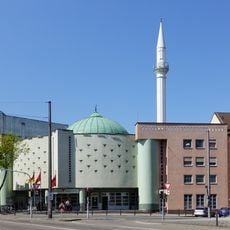
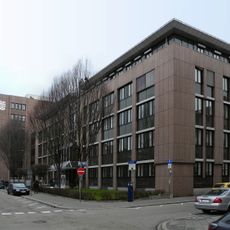
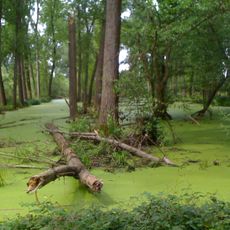
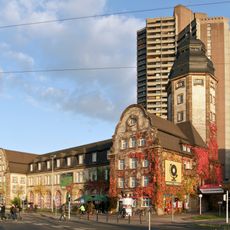
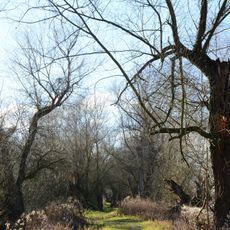
Ludwigshafen is an administrative and industrial area on the western bank of the Rhine, divided into ten districts that combine residential blocks, factory zones, and green areas. The layout follows the river for several kilometers, with the terrain shifting between flatlands and gently raised sections.
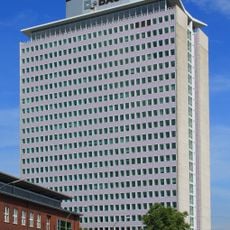
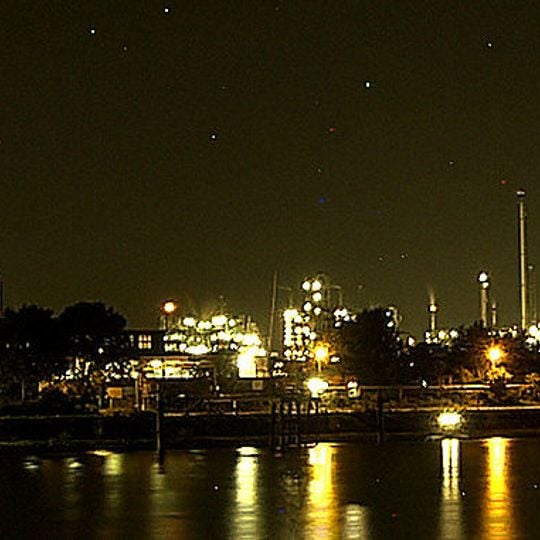
The settlement received town rights in 1859 after serving as a fortified position along the river. The arrival of a major chemical company transformed the area into a center for industrial production, drawing workers from across the region.
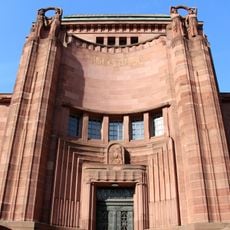
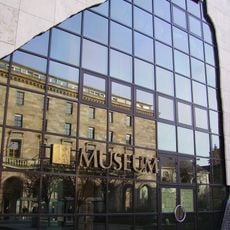
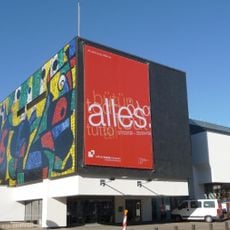
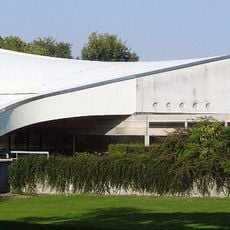
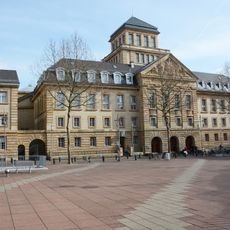
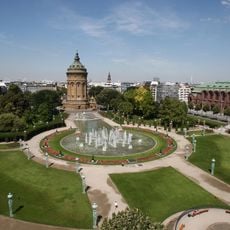
Art galleries and exhibition halls along the riverfront draw regular visitors who come to see contemporary works and installations displayed both indoors and outside. Local residents gather in public squares and parks throughout the week, creating a rhythm of daily life shaped by nearby industry and cultural institutions.
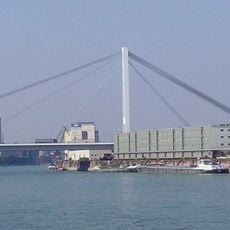
Healthcare facilities, parks, and public services spread across the districts and connect through local roads and train lines. Bridges over the Rhine link the area to the neighboring city of Mannheim, accessible on foot or by vehicle.
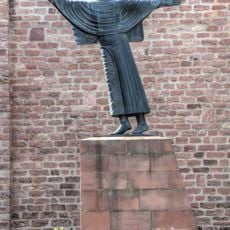
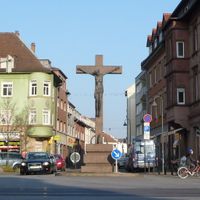
Several modern sculptures and installations by contemporary artists stand along streets and in open spaces, allowing visitors to encounter artworks without entering a museum. These pieces transform sidewalks and squares into open-air exhibition areas that unfold as you walk through the districts.
The community of curious travelers
AroundUs brings together thousands of curated places, local tips, and hidden gems, enriched daily by 90,790 contributors worldwide.