Landau in der Pfalz, Administrative center in Rhineland-Palatinate, Germany.
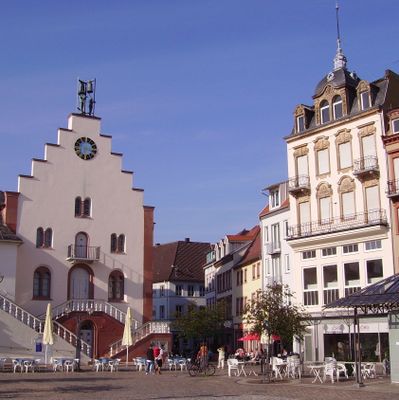
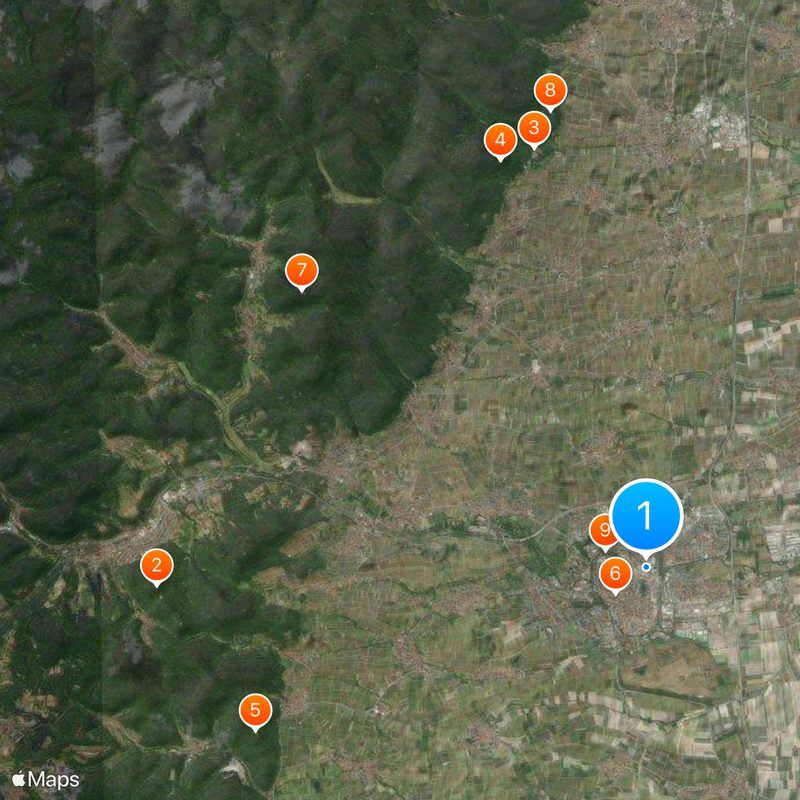
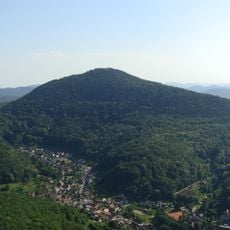
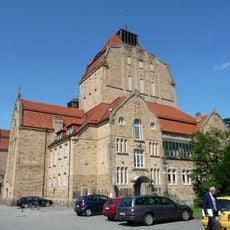
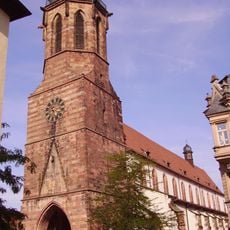
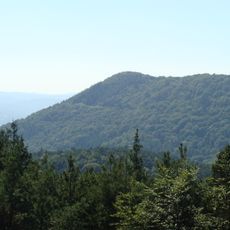
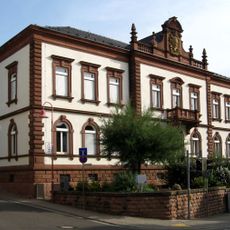
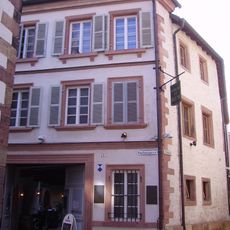
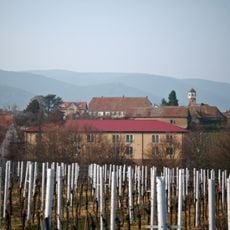
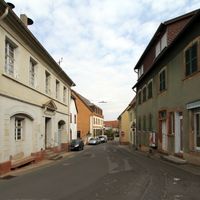
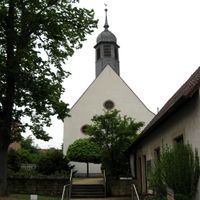
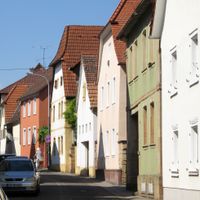
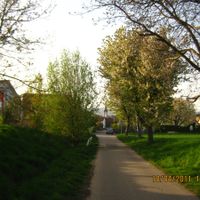
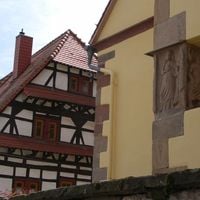
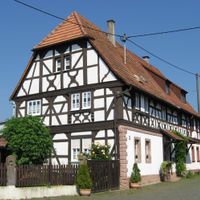
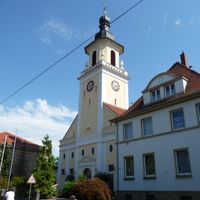
Landau in der Pfalz is an administrative center in Rhineland-Palatinate, located in the valley of the Queich River and shaped by vineyards and the nearby Palatinate Forest. The townscape shows a historic core with half-timbered houses, church towers and a ring-shaped trace of the former fortress walls, now replaced by tree-lined avenues and green spaces.
The settlement received its status as a free imperial city in 1291 and developed into a strategic point on the French-German border. Between 1688 and 1699, military engineer Vauban built the fortress around the town, which was later dismantled in the 19th century to make way for urban expansion.
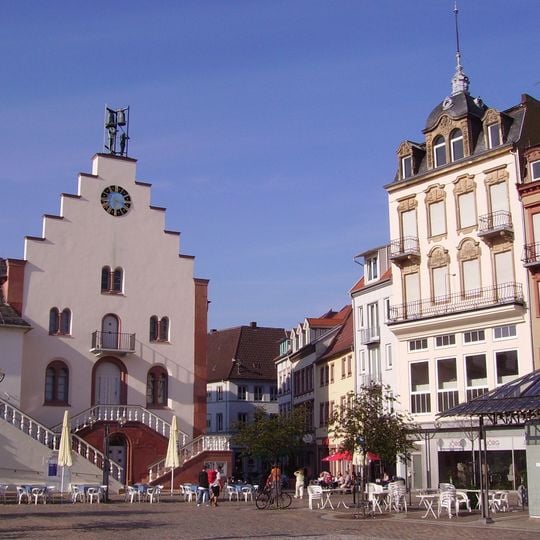
The name comes from the Old High German word for meadow forest, describing the landscape along the Queich riverbank. Wine festivals and family-run wineries now shape daily life, while the pedestrian zone around the town hall square serves as a gathering spot for residents and students.
The historic town center is easy to reach on foot and most sights lie close together within the former fortress ring. The region around the town can be explored well by bicycle, as many paths run through vineyards and the adjacent forest.
The term landau for a specific carriage type with a folding roof was coined here during the War of Spanish Succession. This carriage later spread across Europe and to America, where it became popular as urban transport especially in the 19th century.
The community of curious travelers
AroundUs brings together thousands of curated places, local tips, and hidden gems, enriched daily by 90,830 contributors worldwide.