See the monuments around you in AROpen chests in the app
Around Us is built for your phone — point your camera at the streets and discover the monuments and places around you in augmented reality.Around Us is built for your phone — chests unlock when you walk, explore and capture nearby places.
Baden-Württemberg offers a wide range of destinations beyond the usual routes. The region includes medieval castle ruins such as Hohentwiel, Hohenbaden, and Yburg, medieval monasteries like Maulbronn and Alpirsbach, and palaces such as Lichtenstein and Weikersheim. Geological formations shape the landscape: the Blautopf displays a karst spring with distinctive water color, the Wutach Gorge cuts through limestone layers, and Wimsen Cave lies in the Danube Valley. Numerous waterfalls including Urach Falls and Menzenschwand Falls complement the natural offerings.
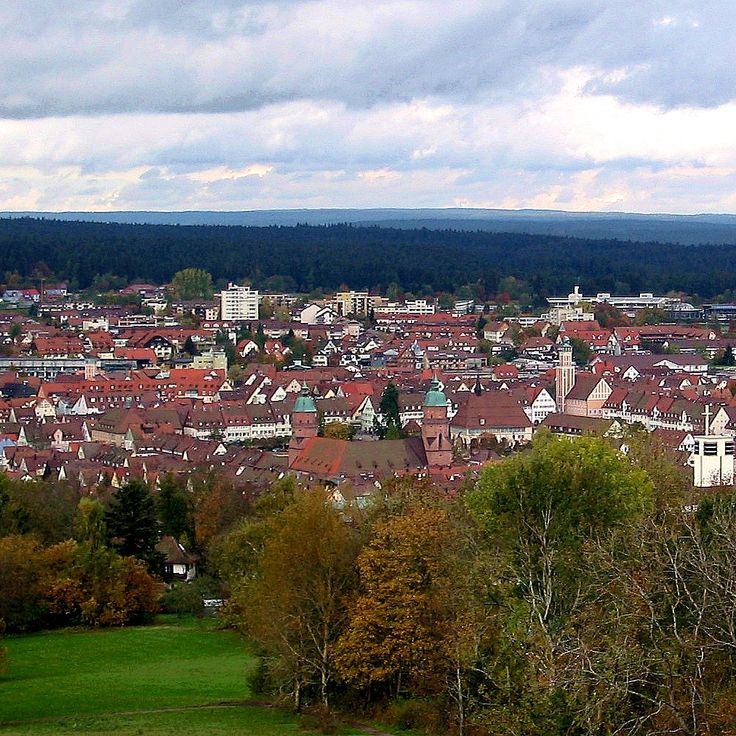
The region combines historical and contemporary elements. The Wildline suspension bridge spans the Enz Valley, the Rottweil Test Tower serves as an elevator testing facility and viewing platform, and the historic Sauschwänzlebahn railway runs on a track featuring loops and tunnels. Parks such as Hohenheim Gardens and Rosenstein Park offer botanical collections. The market square in Freudenstadt displays typical Black Forest architecture, and the Neubulach Silver Mine provides insights into historic mining operations. These destinations allow detailed exploration of the region's nature, history, and engineering.
Baden-Württemberg offers a wide range of destinations beyond the usual routes. The region includes medieval castle ruins such as Hohentwiel, Hohenbaden, and Yburg, medieval monasteries like Maulbronn and Alpirsbach, and palaces such as Lichtenstein and Weikersheim. Geological formations shape the landscape: the Blautopf displays a karst spring with distinctive water color, the Wutach Gorge cuts through limestone layers, and Wimsen Cave lies in the Danube Valley. Numerous waterfalls including Urach Falls and Menzenschwand Falls complement the natural offerings.
The region combines historical and contemporary elements. The Wildline suspension bridge spans the Enz Valley, the Rottweil Test Tower serves as an elevator testing facility and viewing platform, and the historic Sauschwänzlebahn railway runs on a track featuring loops and tunnels. Parks such as Hohenheim Gardens and Rosenstein Park offer botanical collections. The market square in Freudenstadt displays typical Black Forest architecture, and the Neubulach Silver Mine provides insights into historic mining operations. These destinations allow detailed exploration of the region's nature, history, and engineering.
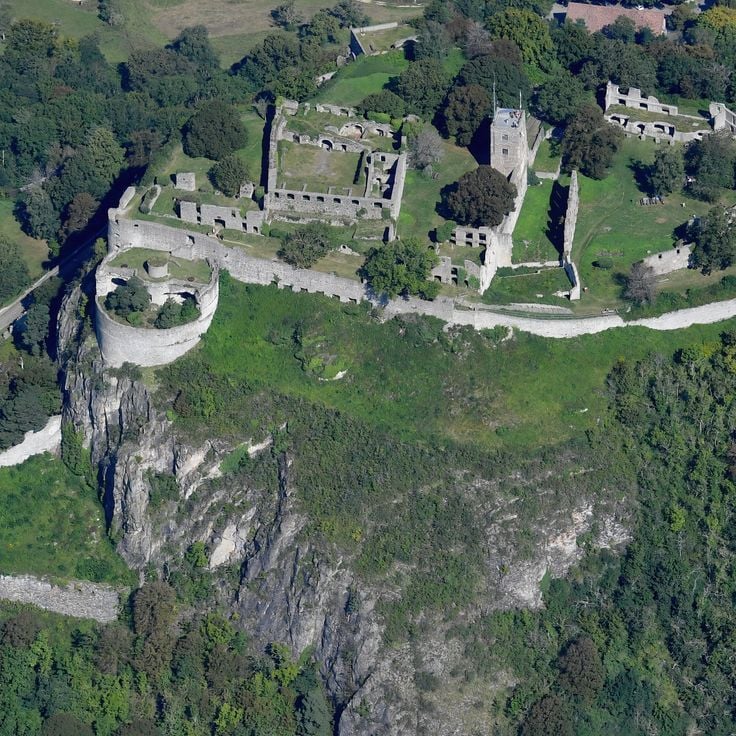
This fortress complex was built on an extinct volcano above Singen and ranks among the largest castle ruins in Germany. Visitors reach walls, towers and casemates from the 16th century after a steep climb. From the battlements, views extend across Lake Constance to the Alps. The ruins illustrate the strategic importance of the site throughout Württemberg history.
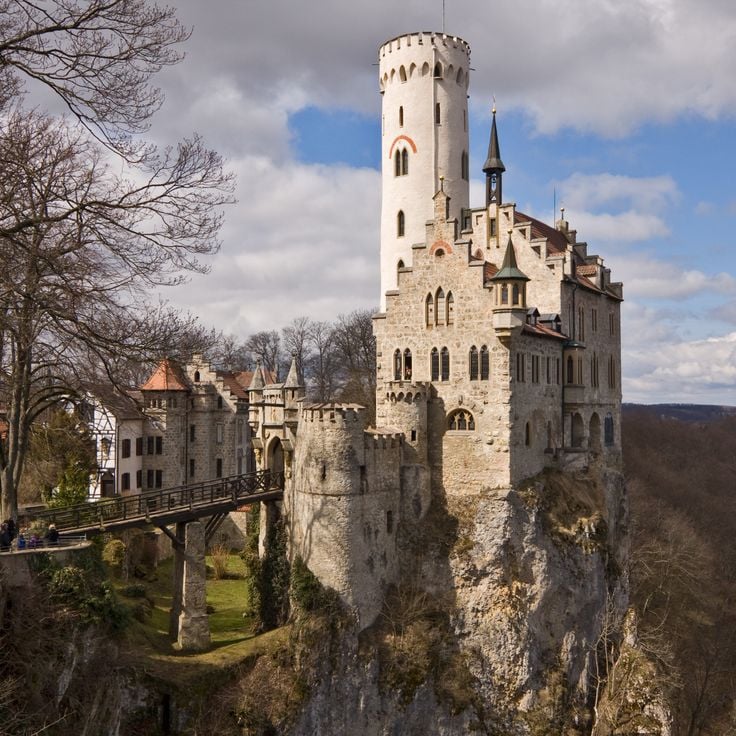
This castle stands on a limestone cliff 817 meters (2,680 feet) above the Echaz Valley near Honau and was completed in 1842. The neo-Gothic structure was designed to resemble medieval fortifications and provides insight into 19th-century architecture. Visitors explore rooms furnished with period pieces and take in views of the Swabian Jura and the surrounding valley.
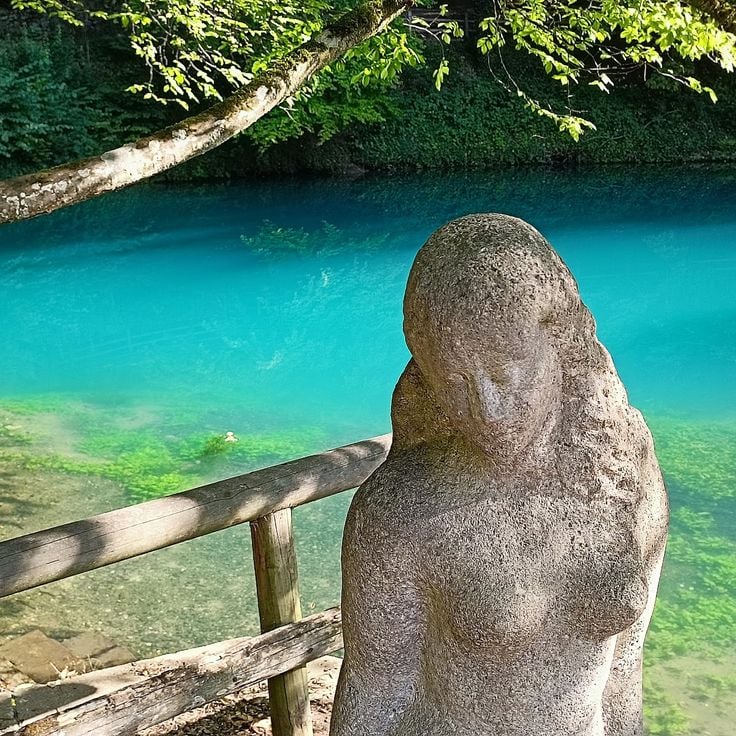
This karst spring reaches a depth of 69 feet (21 meters) and derives its intense blue color from tiny limestone particles that scatter light through the water. The Blautopf feeds the Blau river, which flows into the Danube, and serves as the entrance to an extensive cave system. Located on the edge of Blaubeuren, the spring ranks among the most productive karst sources in Germany.
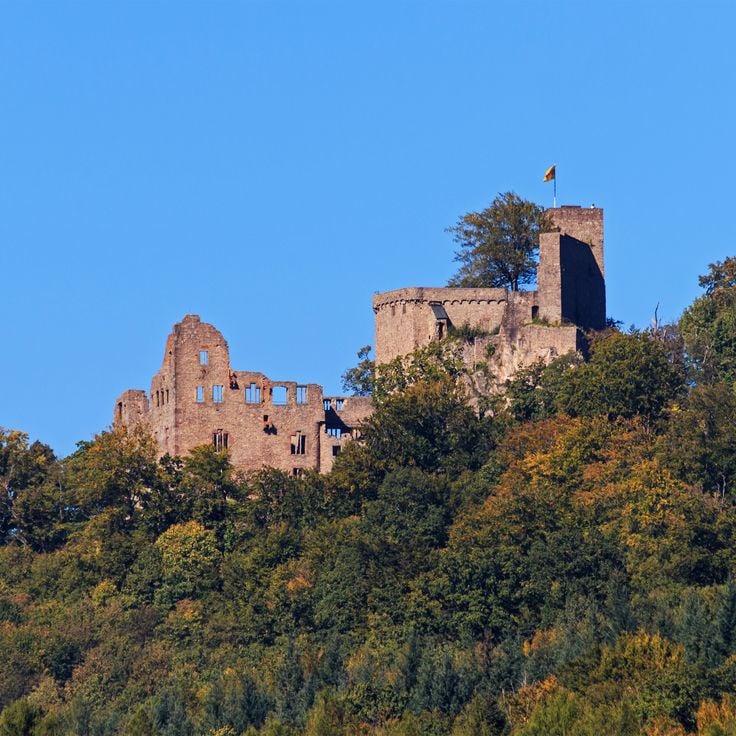
This castle ruin from 1102 stands on Battert hill above Baden-Baden and shows typical medieval construction methods of the region with preserved walls, towers and vaulted chambers. The complex belongs to the less visited historical sites in Baden-Württemberg and provides insight into 12th-century fortification architecture. Visitors reach the ruin via hiking trails through forested terrain and can explore the remains of residential buildings, chapel and defensive structures.
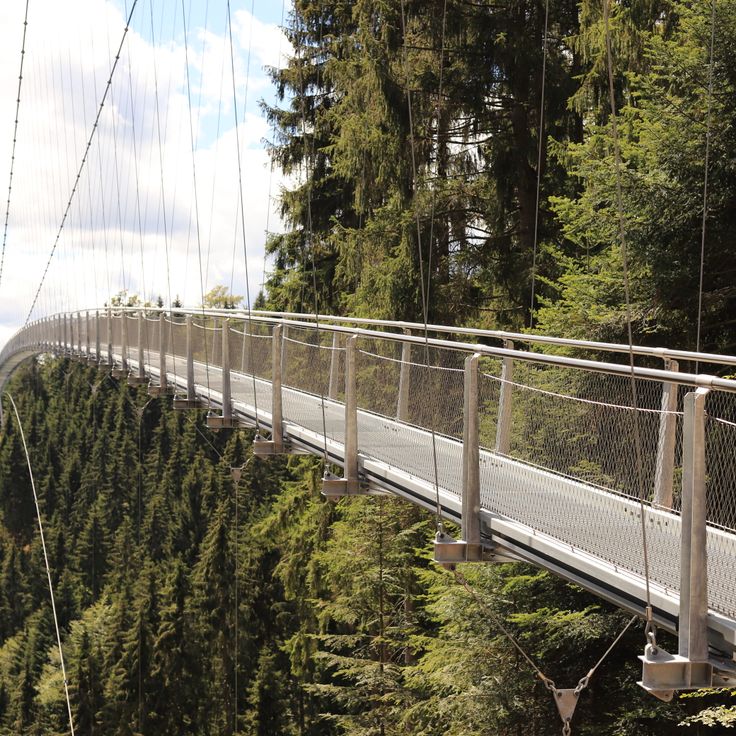
This 380-meter-long suspension bridge spans 60 meters (197 feet) above the valley floor and connects two viewpoints across the Enz valley. The Wildline offers views across forested ridges and slopes of the Black Forest below. Visitors walk the elevated structure in varying weather conditions while the bridge sways slightly underfoot, providing perspectives of the surrounding landscape and distant hills.
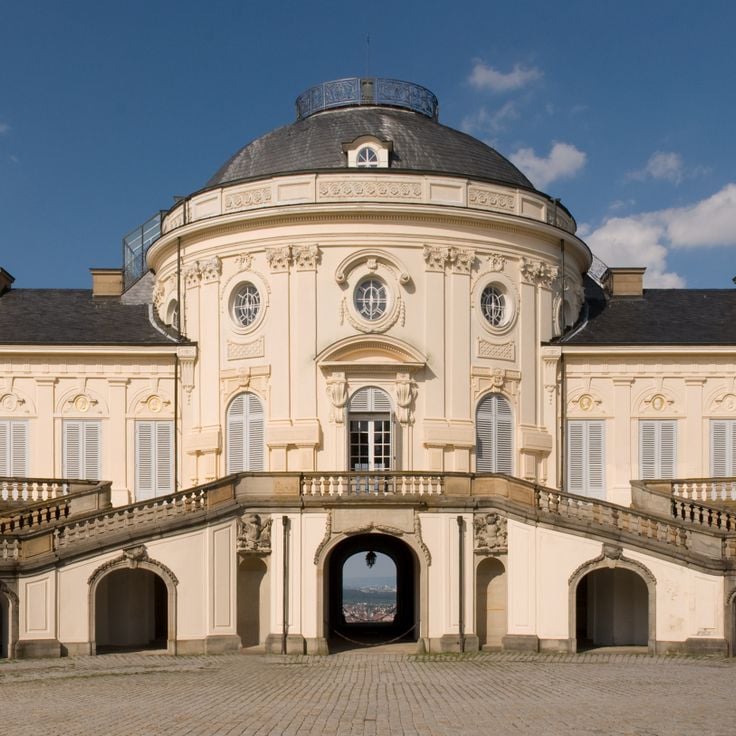
This Rococo palace from 1764 stands on Stuttgart's western edge and served the Duke of Württemberg as a hunting residence. The facade displays classicist and Rococo elements including white columns and gilded ornaments. The symmetrical complex encompasses a formal courtyard, a ceremonial hall with ceiling frescoes, and a French garden. Today the palace houses a military academy and remains partially open for guided tours. Baden-Württemberg preserves numerous princely residences and historic garden estates that offer insight into eighteenth-century courtly architecture and the region's aristocratic heritage.
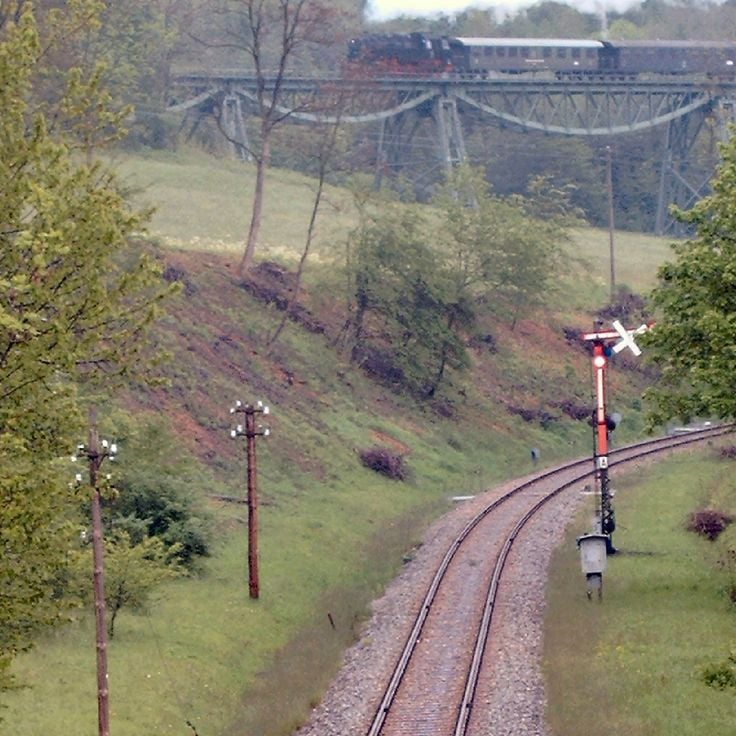
This 19th-century museum railway connects Blumberg with Weizen along a 15.5-mile (25-kilometer) route through the Wutach Valley. The Sauschwänzlebahn passes through nine tunnels and crosses two viaducts, with tracks arranged in multiple loops to manage an elevation change of approximately 755 feet (230 meters). The name references the spiral track layout, which resembles a pig's tail.
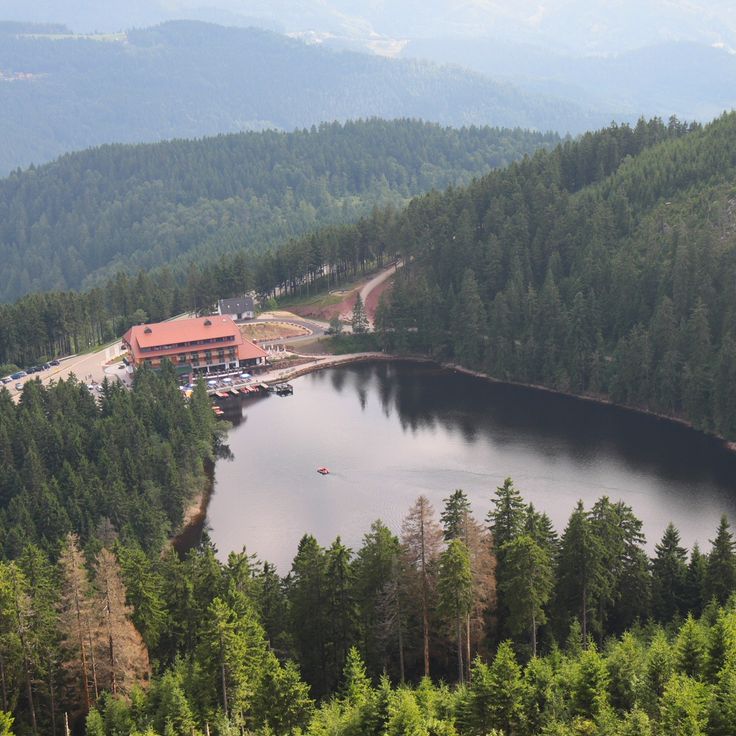
This glacial lake sits at 3399 feet (1036 meters) altitude in the northern Black Forest and ranks among the higher elevation bodies of water in the region. The circular lake is surrounded by fir forest, and a perimeter trail follows the shoreline. Mummelsee provides access to hiking paths leading into the surrounding uplands and offers views of the forested slopes of the Black Forest.
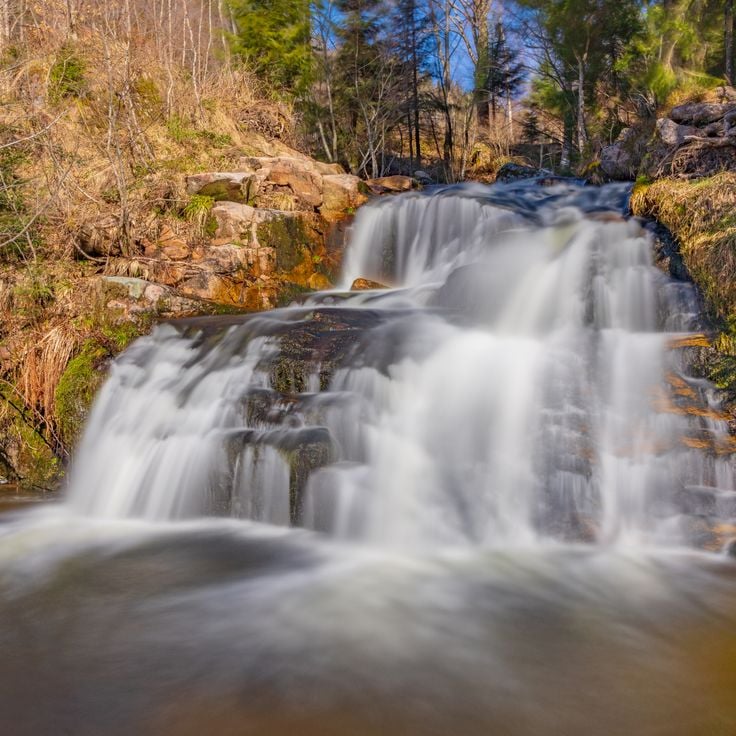
These waterfalls descend 30 meters (98 feet) in multiple stages through dense pine forest in the southern Black Forest. The site offers several trails of varying difficulty that lead to the base of the cascades. The falls rank among the less frequented natural destinations in Baden-Württemberg, allowing visitors to explore the regional geology away from major tourist routes.
This forested valley near Bad Liebenzell offers a 1.2-mile (2-kilometer) hiking trail through a narrow gorge featuring sandstone formations and several small waterfalls. Monbachtal stands among the less visited natural areas in Baden-Württemberg and provides walks through moss-covered rock formations. The path follows the Monbach stream through the ravine and passes multiple cascades.
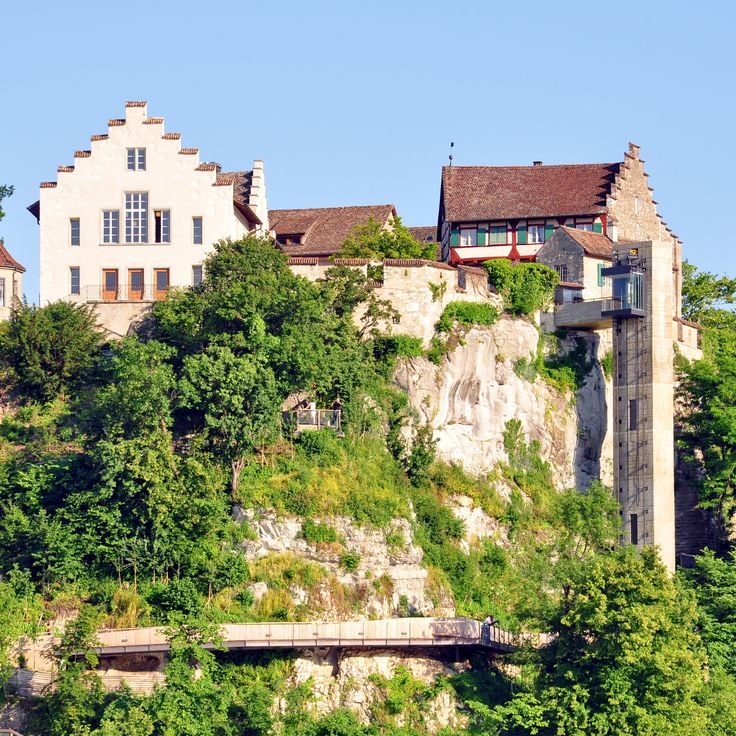
This medieval fortress from the 11th century stands on a hill above the Rhine and offers insight into the region's defensive architecture. The castle ranks among the less frequented historical sites in Baden-Württemberg and allows visitors to explore medieval building structures and the strategic importance of the location overlooking the river valley.
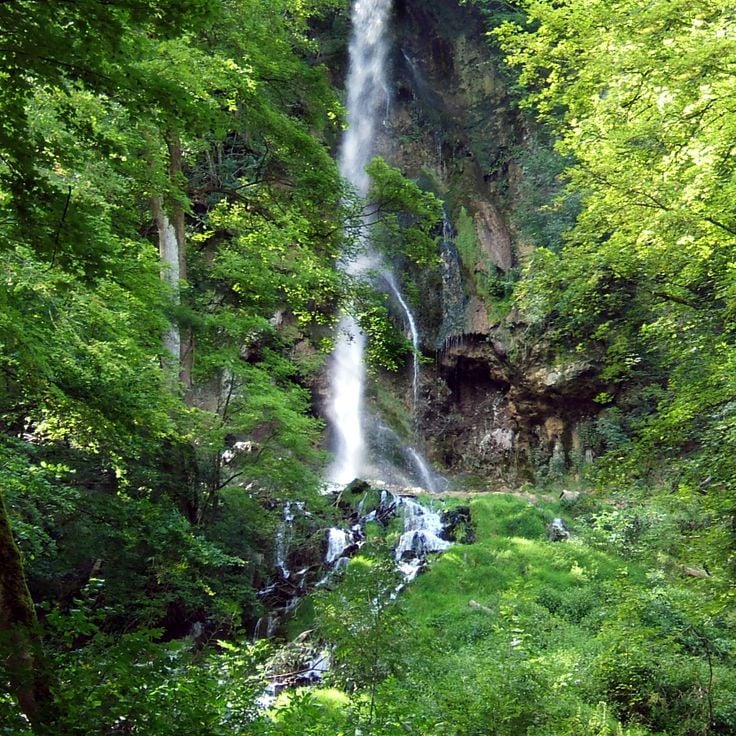
This waterfall drops 37 meters (121 feet) over tufa limestone into the Erms Valley and forms a natural spring surrounded by forested slopes. Urach Waterfall ranks among the geological formations of interest in Baden-Württemberg and is reached via a maintained hiking trail from Bad Urach. The tufa formation results from mineral-rich spring waters emerging from the bedrock.
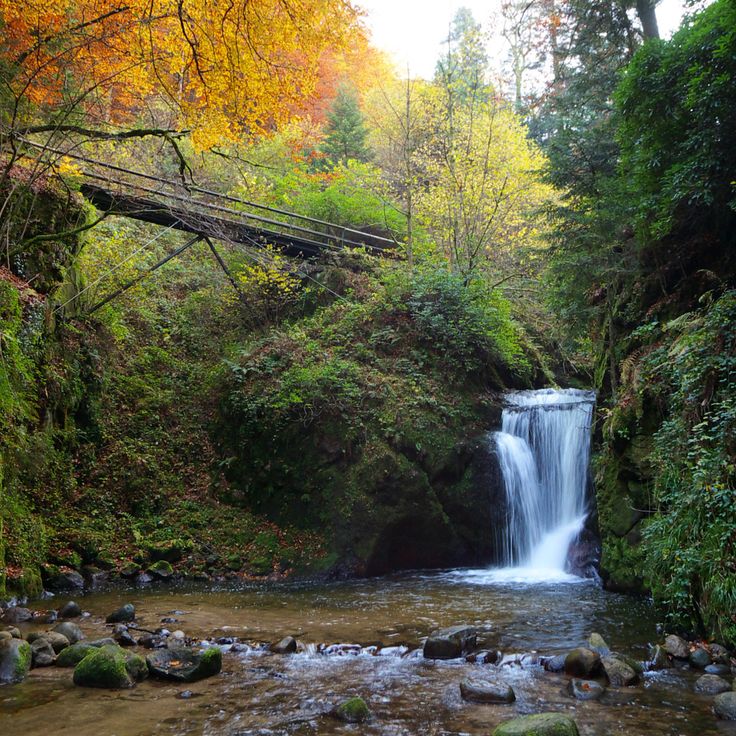
This waterfall drops 26 feet (8 meters) into a forested valley near Baden-Baden and ranks among the accessible natural sites in Baden-Württemberg. A marked hiking trail through the Black Forest leads visitors to this spot, which appears most impressive during medium to high water levels and provides a contrast to the region's resort towns.
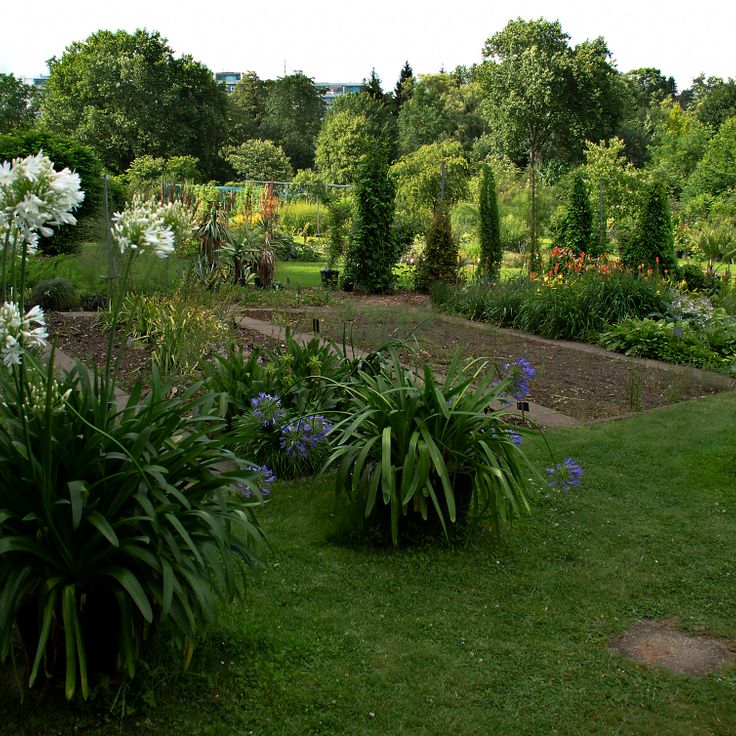
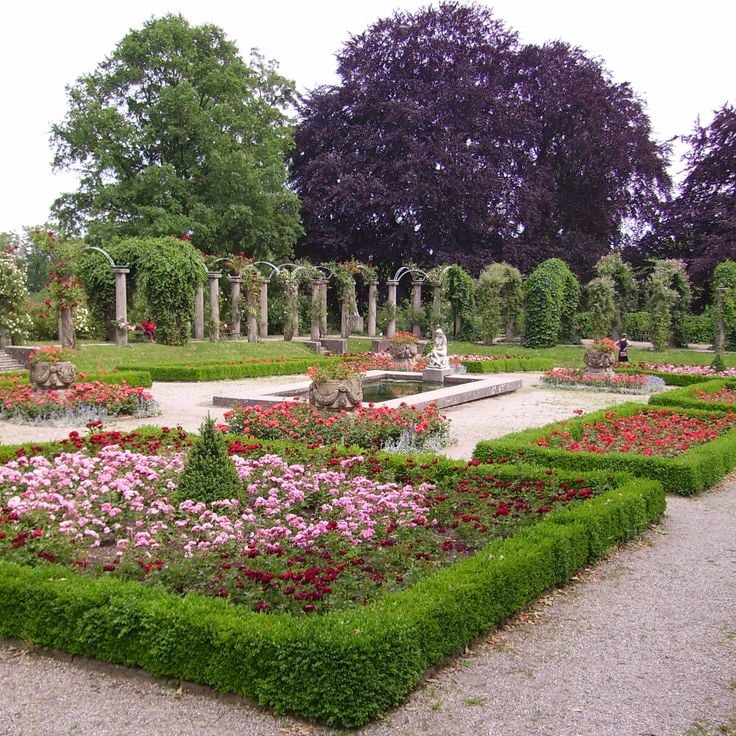
The Hohenheimer Gardens present more than 2000 plant species on the grounds of the University of Hohenheim and complement the uncommon places of Baden-Württemberg through their scientific collection. These botanical gardens serve research and education while visitors walk through thematically arranged sections with native and exotic plants. The facility includes greenhouses, systematic divisions and historical garden structures from various periods.
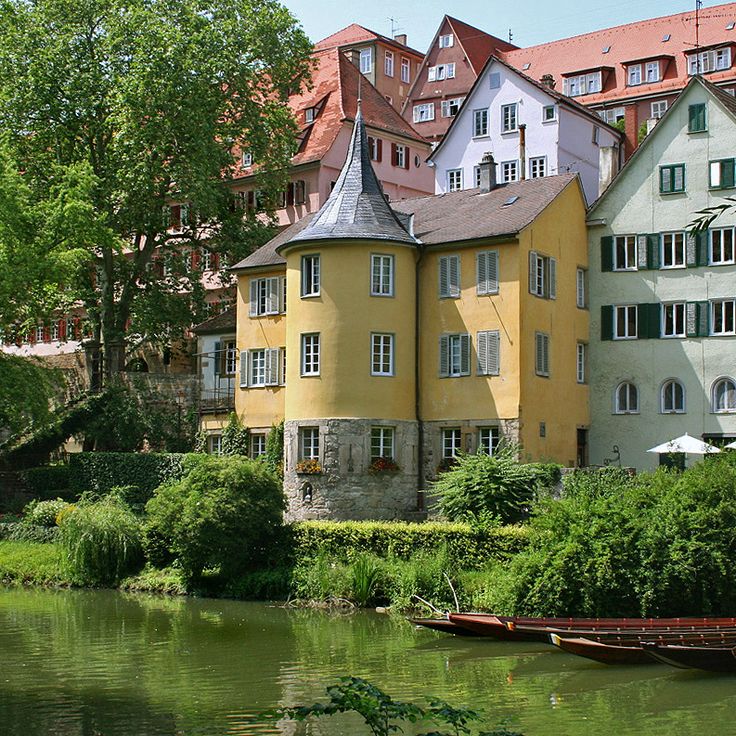
This tower on the Neckar houses a museum about German poet Friedrich Hölderlin, who lived here from 1807 until his death in 1843. The rooms display personal belongings, manuscripts, and offer insights into his living conditions during his late years. The building ranks among the less visited historical sites in Baden-Württemberg and documents an important chapter of German literary history.
This central square measures 716 by 708 feet (219 by 216 meters) and formed part of postwar reconstruction efforts following World War II. Arcades line all four sides and frame 50 fountains distributed across the open space. The layout reflects 17th-century town planning principles with a grid pattern connecting commercial buildings, cafés, and administrative offices beneath covered walkways.
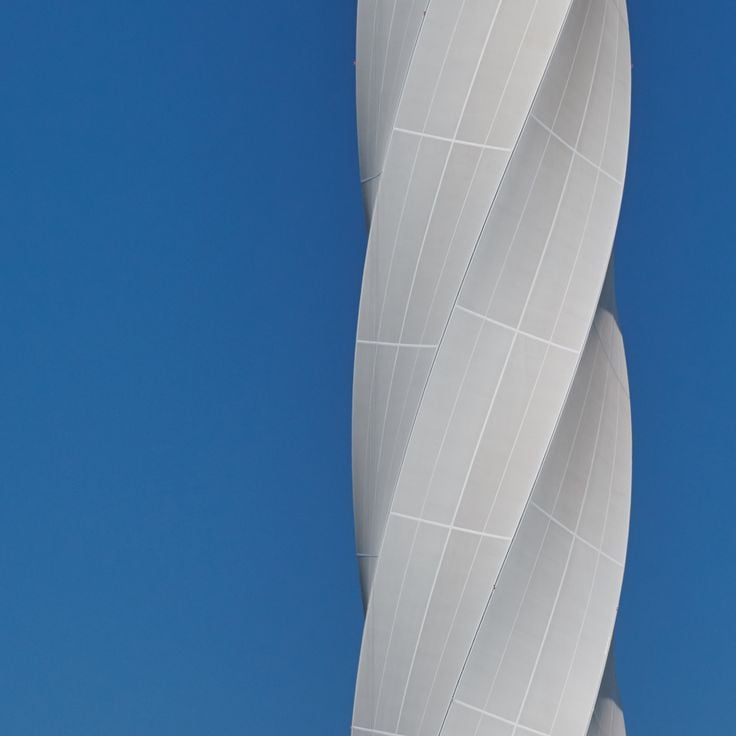
This 246-meter (807-foot) tower in Rottweil serves as a testing facility for elevator systems and offers visitors a public observation platform at 232 meters (761 feet) above ground. The modern structure contrasts with the medieval old town below and provides insight into engineering research alongside views across the Black Forest and Swabian Alps.
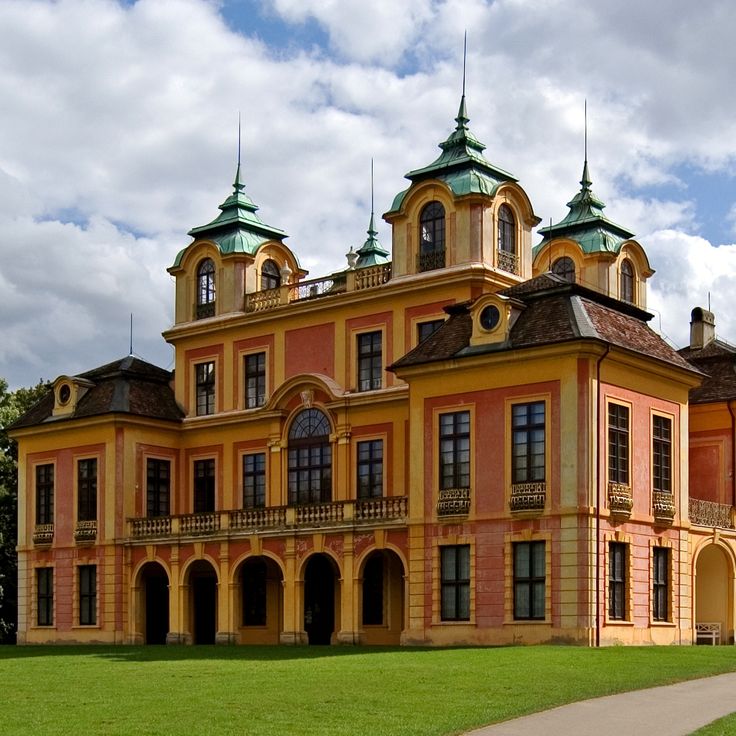
This baroque hunting palace from the 18th century displays historic wall paintings and original furniture from its construction period. The estate adds to the uncommon destinations in Baden-Württemberg through its preserved interior appointments and garden grounds on the exterior. Visitors find insights into courtly hunting culture and residential patterns of the Württemberg nobility.
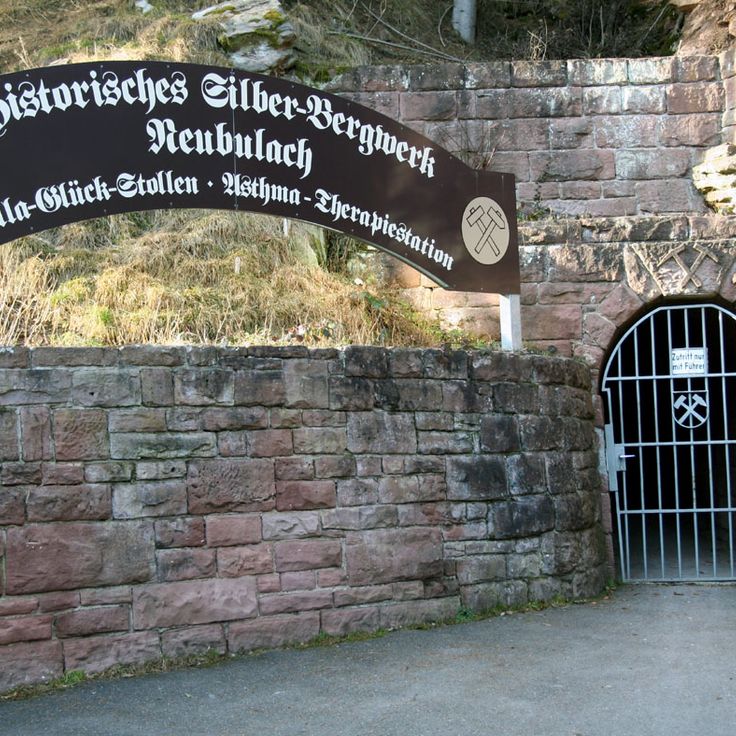
This medieval silver mine in Neubulach provides access to 1,640 feet (500 meters) of walkable tunnels and demonstrates historical mining techniques from the 16th century, offering insight into the former mining history of Baden-Württemberg and presenting an unusual alternative to the region's better-known destinations.
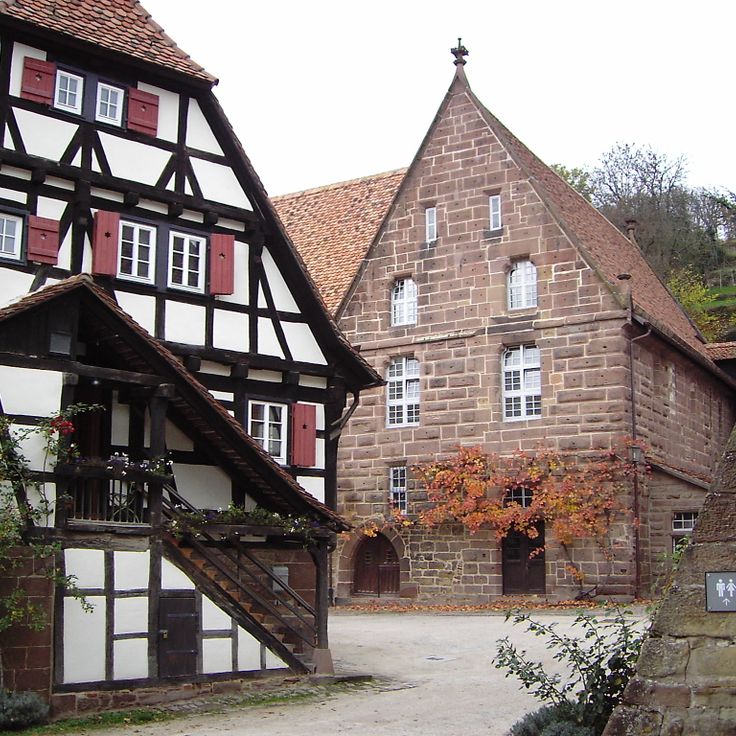
This twelfth century monastery combines Romanesque and Gothic architectural elements and stands as one of the most complete medieval monastic complexes north of the Alps. The grounds preserve an original water management system that supplied the community, along with economic buildings that illustrate how monastic settlements achieved self sufficiency. Maulbronn Monastery offers visitors insight into centuries of religious and architectural development in Baden-Württemberg.
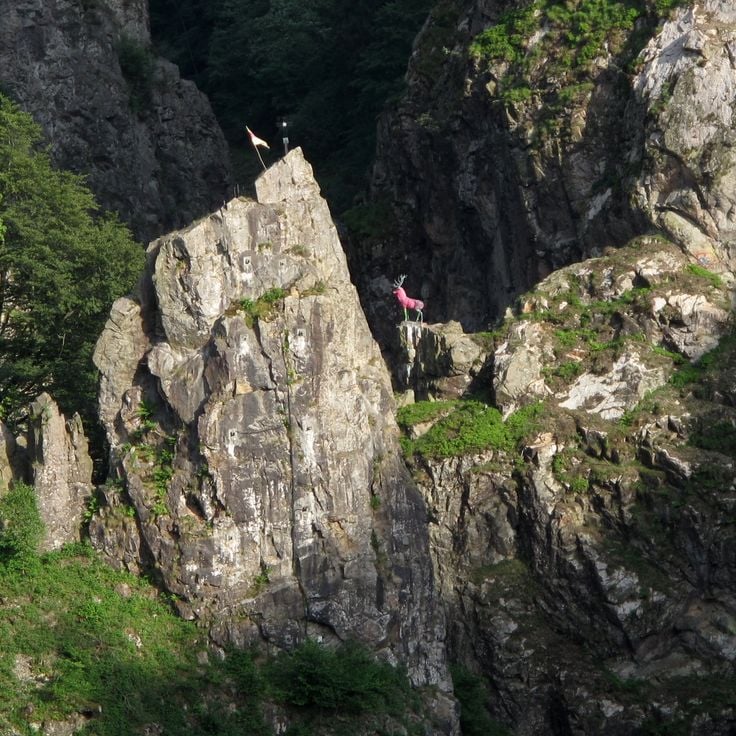
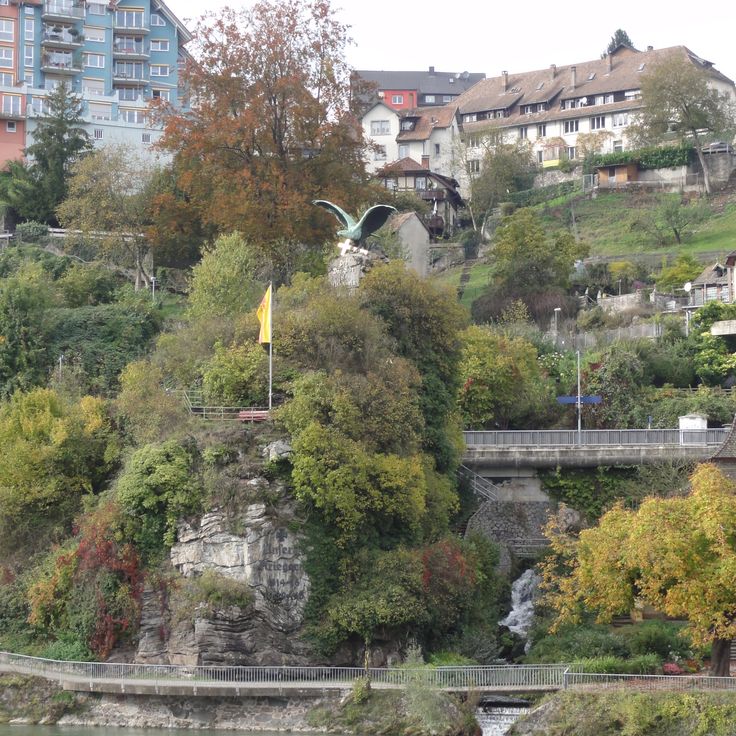
This bronze statue depicts a deer leaping across a gorge in the Black Forest and stands on a rocky outcrop above the Ravenna Gorge. The sculpture recalls the medieval legend of a knight who pursued a deer during a hunt. The animal reportedly crossed the narrow ravine in a single bound while the knight fell to his death. The figure now marks a popular viewpoint along the hiking trails through the Ravenna Valley and offers views of the surrounding forests and rock formations.
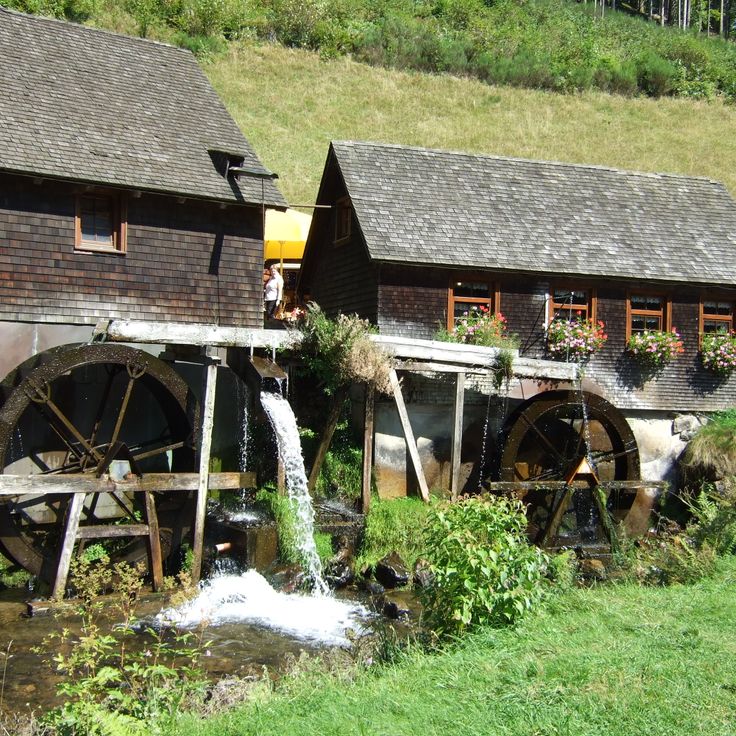
This 17th-century mill uses water power from the stream and still grinds grain following old traditions. The Hexenlochmühle demonstrates craftsmanship passed down through centuries and sits in a forested gorge in the Black Forest. Visitors experience the operation of historical milling technology and see how grain is processed using water power.
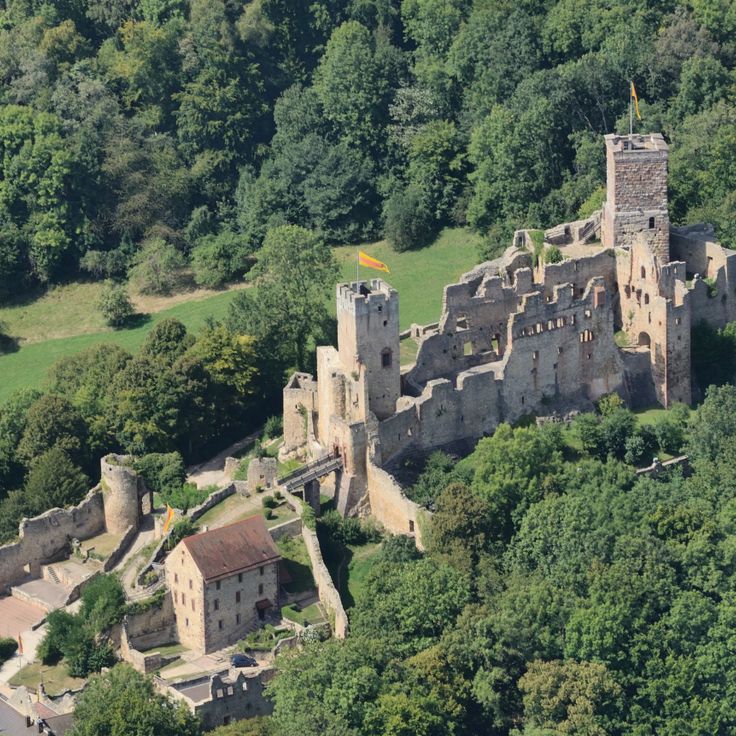
This 11th-century fortress presents medieval defensive structures with multiple towers and extensive walls rising on a hill above Lörrach. Burg Rötteln stands among the significant historical constructions in Baden-Württemberg, offering insights into the architecture and defense systems of the Middle Ages. Visitors explore the preserved structures that characterize fortifications from this period.
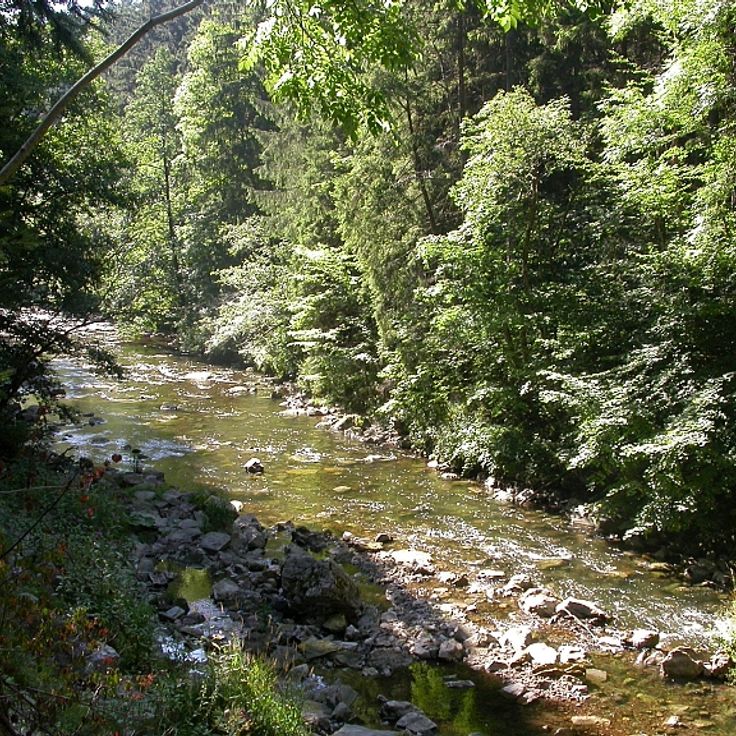
This gorge cuts through limestone formations to create a 200-foot (60-meter) canyon with steep rock walls and dense vegetation along the river course. The canyon offers hiking trails through a protected area where visitors can explore Baden-Württemberg's geological structures and river valleys. Multiple routes lead through different sections of the terrain.
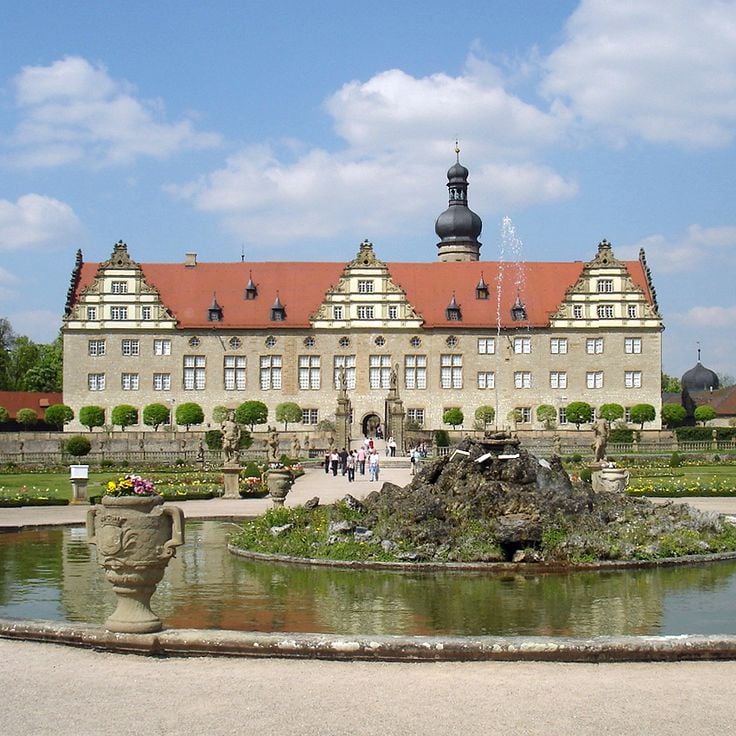
This Renaissance castle from the 16th century preserves original furnishings and offers insight into courtly life in Württemberg. The symmetrical Baroque garden features sculptures and fountains, representing one of the well-preserved garden designs in the region. Guided tours lead through the Knights' Hall, residential rooms and picture gallery, illustrating the history of the Counts of Hohenlohe-Weikersheim. The castle stands in the Tauber Valley and complements explorations of medieval towns across Baden-Württemberg.
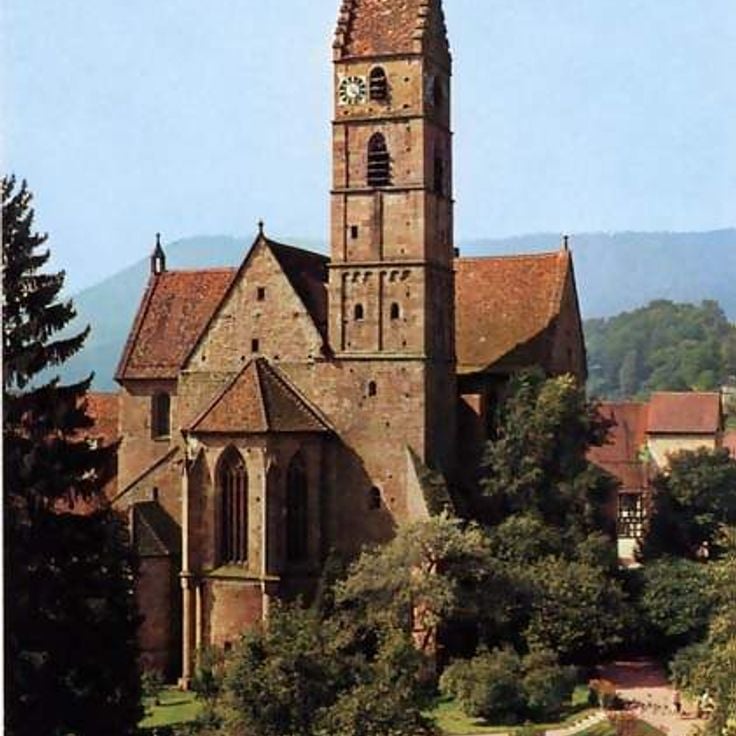
This 11th-century Benedictine abbey presents Romanesque architecture with cloister, church and historical monastery buildings. The complex houses a traditional brewery that has operated according to historical recipes for centuries. Visitors can attend regular organ concerts in the abbey church and explore the preserved frescoes and medieval monastery layout.
This medieval ruin rises on a hill above the Steinlach valley and the village of Ofterdingen. The surviving wall sections document a fortification strategically positioned to monitor the valley. Visitors reach the ruins via hiking trails and gain views across the surrounding landscape and village from the elevation. The site offers insight into the medieval defensive architecture of the Baden-Württemberg region and represents one of several lesser visited historical structures in the area.
This former Cistercian monastery in the Jagst valley features a Baroque church, cloister and garden grounds. Schöntal Monastery was built between the 12th and 18th centuries and documents the development of monastic architecture in Baden-Württemberg. The complex includes a church with stucco work, wall paintings and a courtyard that preserves the medieval structure. The monastery gardens follow the Baroque design tradition.
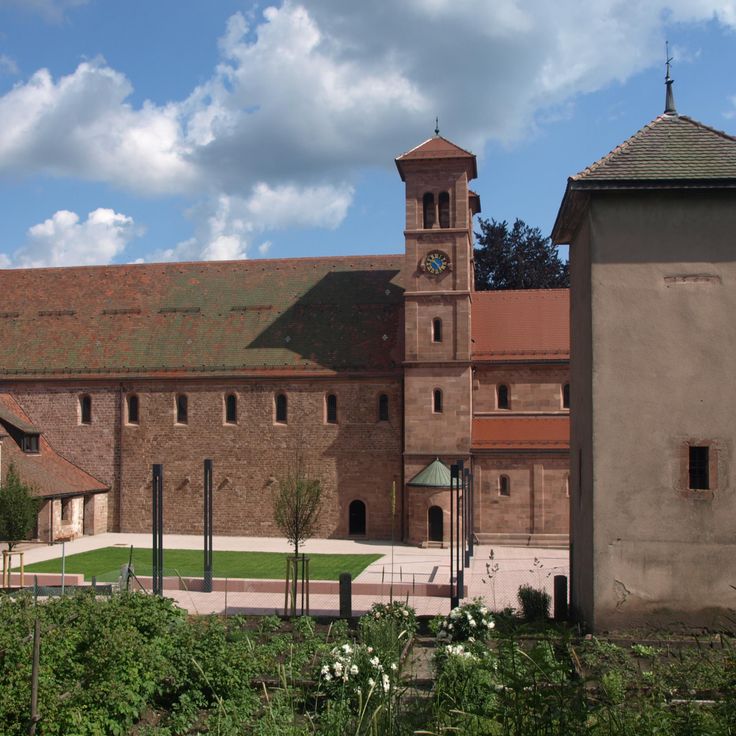
This 12th-century complex displays typical Romanesque architecture with cloister, church and administrative buildings. Kloster Reichenbach ranks among the lesser visited historical sites in Baden-Württemberg and documents medieval monastic construction. Visitors explore the preserved structures and learn about the region's monastic history. The location in the Black Forest provides access to surrounding hiking trails.
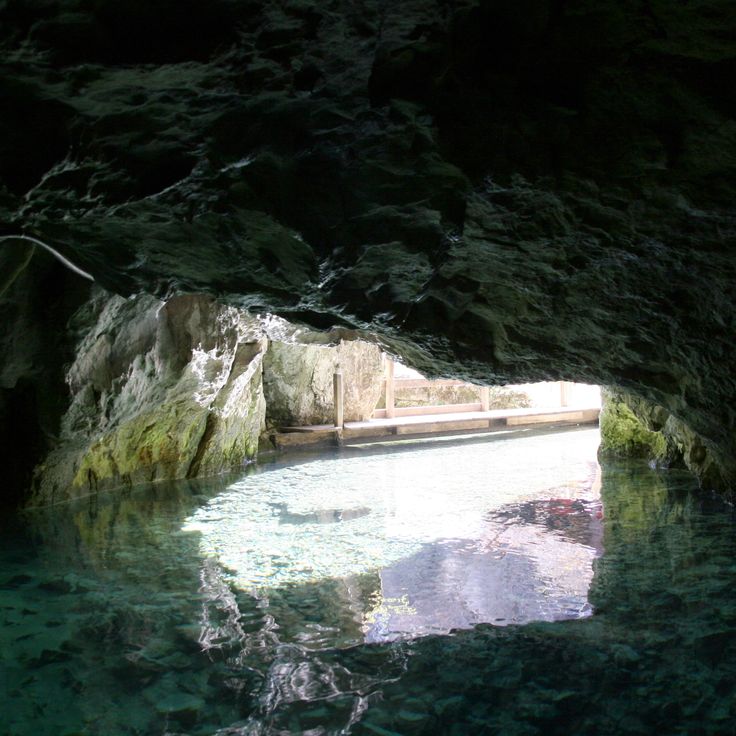
This water cave allows boat tours through underground passages with limestone formations and subterranean waterways. The Wimsen Cave ranks among the geological features of Baden-Württemberg and provides visitors access to a section of the cave system formed by karst processes. Guided tours offer information about the cave's formation and hydrology.
This medieval fortress from the 11th century stands at 1,690 feet (515 meters) elevation and offers views of the Black Forest. The Yburg ruins occupy a forested hillside above Baden-Baden and once served as the seat of the Counts of Eberstein. Visitors reach the site via several woodland trails and can explore the remaining walls and tower. The location represents one of the less visited historical sites in Baden-Württemberg, combining historical architecture with forest access.
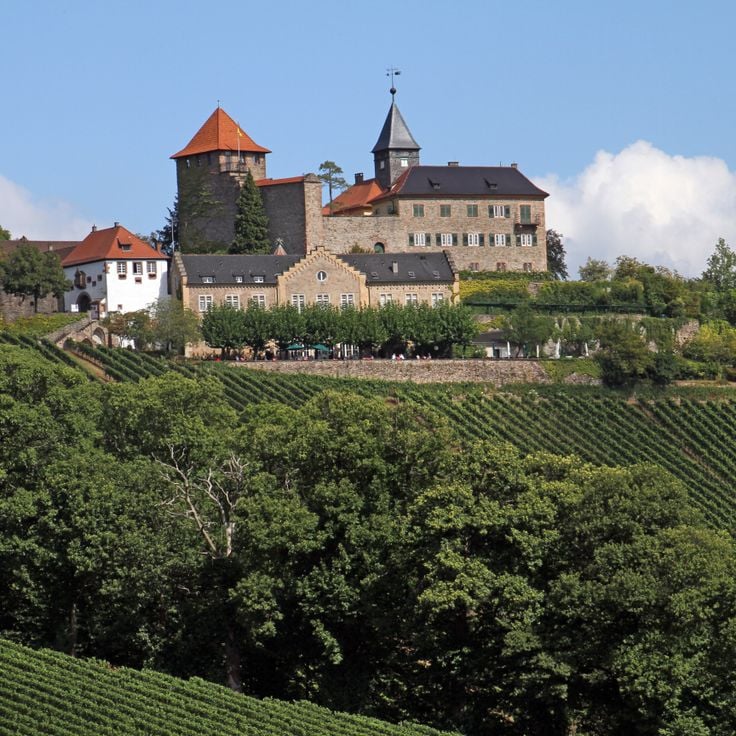
This castle from the 13th century sits above Gernsbach and combines medieval architecture with contemporary use. After extensive restoration work, Eberstein Castle now houses a restaurant and wine tavern serving regional dishes. Visitors can explore the historic walls while enjoying local cuisine and views across the Murg valley, making it a practical stop for those seeking both historical atmosphere and traditional Baden gastronomy.
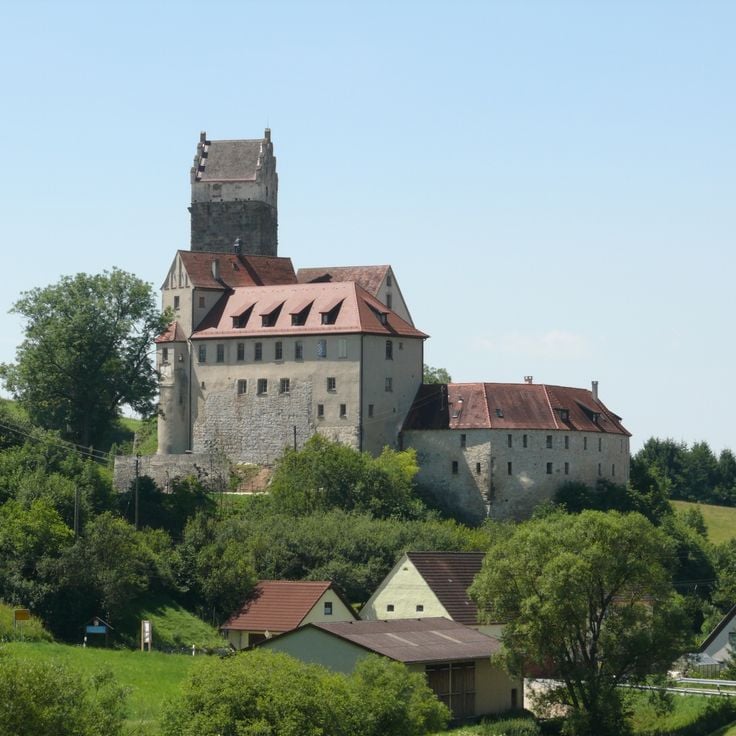
This 12th century fortress provides guided tours through historic rooms and overnight accommodations in guest rooms furnished with medieval style appointments. Katzenstein Castle contributes to the collection of uncommon places in Baden-Württemberg with an example of medieval fortification architecture now accessible to visitors, offering practical insight into period living conditions.
This park extends across 210 acres (85 hectares) on the edge of Stuttgart and houses the State Museum of Natural History along with botanical gardens. The grounds combine natural history collections with maintained green spaces and themed gardens. Rosenstein Park provides paths through different vegetation zones and viewpoints over the Neckar valley, while the museum's historical architecture complements the landscape design.
This medieval fortress was built in the 11th century and sits on a mountain peak at an elevation of 2,244 feet (684 meters). The ruins of Hohenstaufen Castle provide insight into the Staufen dynasty that originated here. Visitors reach the site via hiking trails through forested slopes and can take in views across the Rems Valley and the Swabian Jura from the remaining walls.
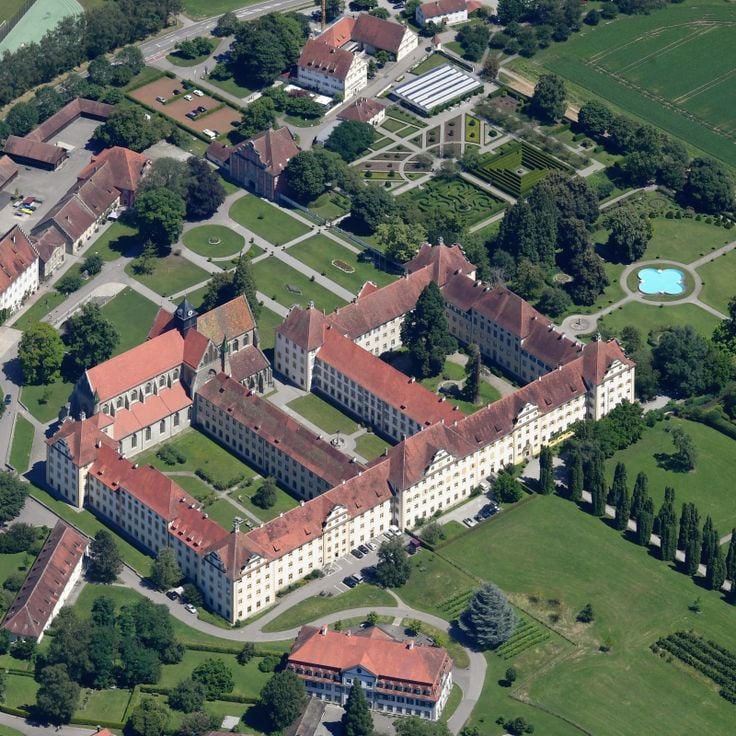
This medieval monastery and palace combines a Gothic cathedral with cloister, a historic wine cellar and a symmetrical baroque garden. The complex offers insight into monastic architecture and secular rule of the region. Visitors explore sacred spaces, agricultural traditions and garden design from different centuries at this remote location in Baden-Württemberg.
This fortress complex was built on an extinct volcano above Singen and ranks among the largest castle ruins in Germany. Visitors reach walls, towers and casemates from the 16th century after a steep climb. From the battlements, views extend across Lake Constance to the Alps. The ruins illustrate the strategic importance of the site throughout Württemberg history.
This castle stands on a limestone cliff 817 meters (2,680 feet) above the Echaz Valley near Honau and was completed in 1842. The neo-Gothic structure was designed to resemble medieval fortifications and provides insight into 19th-century architecture. Visitors explore rooms furnished with period pieces and take in views of the Swabian Jura and the surrounding valley.
This karst spring reaches a depth of 69 feet (21 meters) and derives its intense blue color from tiny limestone particles that scatter light through the water. The Blautopf feeds the Blau river, which flows into the Danube, and serves as the entrance to an extensive cave system. Located on the edge of Blaubeuren, the spring ranks among the most productive karst sources in Germany.
This castle ruin from 1102 stands on Battert hill above Baden-Baden and shows typical medieval construction methods of the region with preserved walls, towers and vaulted chambers. The complex belongs to the less visited historical sites in Baden-Württemberg and provides insight into 12th-century fortification architecture. Visitors reach the ruin via hiking trails through forested terrain and can explore the remains of residential buildings, chapel and defensive structures.
This 380-meter-long suspension bridge spans 60 meters (197 feet) above the valley floor and connects two viewpoints across the Enz valley. The Wildline offers views across forested ridges and slopes of the Black Forest below. Visitors walk the elevated structure in varying weather conditions while the bridge sways slightly underfoot, providing perspectives of the surrounding landscape and distant hills.
This Rococo palace from 1764 stands on Stuttgart's western edge and served the Duke of Württemberg as a hunting residence. The facade displays classicist and Rococo elements including white columns and gilded ornaments. The symmetrical complex encompasses a formal courtyard, a ceremonial hall with ceiling frescoes, and a French garden. Today the palace houses a military academy and remains partially open for guided tours. Baden-Württemberg preserves numerous princely residences and historic garden estates that offer insight into eighteenth-century courtly architecture and the region's aristocratic heritage.
This 19th-century museum railway connects Blumberg with Weizen along a 15.5-mile (25-kilometer) route through the Wutach Valley. The Sauschwänzlebahn passes through nine tunnels and crosses two viaducts, with tracks arranged in multiple loops to manage an elevation change of approximately 755 feet (230 meters). The name references the spiral track layout, which resembles a pig's tail.
This glacial lake sits at 3399 feet (1036 meters) altitude in the northern Black Forest and ranks among the higher elevation bodies of water in the region. The circular lake is surrounded by fir forest, and a perimeter trail follows the shoreline. Mummelsee provides access to hiking paths leading into the surrounding uplands and offers views of the forested slopes of the Black Forest.
These waterfalls descend 30 meters (98 feet) in multiple stages through dense pine forest in the southern Black Forest. The site offers several trails of varying difficulty that lead to the base of the cascades. The falls rank among the less frequented natural destinations in Baden-Württemberg, allowing visitors to explore the regional geology away from major tourist routes.
This forested valley near Bad Liebenzell offers a 1.2-mile (2-kilometer) hiking trail through a narrow gorge featuring sandstone formations and several small waterfalls. Monbachtal stands among the less visited natural areas in Baden-Württemberg and provides walks through moss-covered rock formations. The path follows the Monbach stream through the ravine and passes multiple cascades.
This medieval fortress from the 11th century stands on a hill above the Rhine and offers insight into the region's defensive architecture. The castle ranks among the less frequented historical sites in Baden-Württemberg and allows visitors to explore medieval building structures and the strategic importance of the location overlooking the river valley.
This waterfall drops 37 meters (121 feet) over tufa limestone into the Erms Valley and forms a natural spring surrounded by forested slopes. Urach Waterfall ranks among the geological formations of interest in Baden-Württemberg and is reached via a maintained hiking trail from Bad Urach. The tufa formation results from mineral-rich spring waters emerging from the bedrock.
This waterfall drops 26 feet (8 meters) into a forested valley near Baden-Baden and ranks among the accessible natural sites in Baden-Württemberg. A marked hiking trail through the Black Forest leads visitors to this spot, which appears most impressive during medium to high water levels and provides a contrast to the region's resort towns.
The Hohenheimer Gardens present more than 2000 plant species on the grounds of the University of Hohenheim and complement the uncommon places of Baden-Württemberg through their scientific collection. These botanical gardens serve research and education while visitors walk through thematically arranged sections with native and exotic plants. The facility includes greenhouses, systematic divisions and historical garden structures from various periods.
This tower on the Neckar houses a museum about German poet Friedrich Hölderlin, who lived here from 1807 until his death in 1843. The rooms display personal belongings, manuscripts, and offer insights into his living conditions during his late years. The building ranks among the less visited historical sites in Baden-Württemberg and documents an important chapter of German literary history.
This central square measures 716 by 708 feet (219 by 216 meters) and formed part of postwar reconstruction efforts following World War II. Arcades line all four sides and frame 50 fountains distributed across the open space. The layout reflects 17th-century town planning principles with a grid pattern connecting commercial buildings, cafés, and administrative offices beneath covered walkways.
This 246-meter (807-foot) tower in Rottweil serves as a testing facility for elevator systems and offers visitors a public observation platform at 232 meters (761 feet) above ground. The modern structure contrasts with the medieval old town below and provides insight into engineering research alongside views across the Black Forest and Swabian Alps.
This baroque hunting palace from the 18th century displays historic wall paintings and original furniture from its construction period. The estate adds to the uncommon destinations in Baden-Württemberg through its preserved interior appointments and garden grounds on the exterior. Visitors find insights into courtly hunting culture and residential patterns of the Württemberg nobility.
This medieval silver mine in Neubulach provides access to 1,640 feet (500 meters) of walkable tunnels and demonstrates historical mining techniques from the 16th century, offering insight into the former mining history of Baden-Württemberg and presenting an unusual alternative to the region's better-known destinations.
This twelfth century monastery combines Romanesque and Gothic architectural elements and stands as one of the most complete medieval monastic complexes north of the Alps. The grounds preserve an original water management system that supplied the community, along with economic buildings that illustrate how monastic settlements achieved self sufficiency. Maulbronn Monastery offers visitors insight into centuries of religious and architectural development in Baden-Württemberg.
This bronze statue depicts a deer leaping across a gorge in the Black Forest and stands on a rocky outcrop above the Ravenna Gorge. The sculpture recalls the medieval legend of a knight who pursued a deer during a hunt. The animal reportedly crossed the narrow ravine in a single bound while the knight fell to his death. The figure now marks a popular viewpoint along the hiking trails through the Ravenna Valley and offers views of the surrounding forests and rock formations.
This 17th-century mill uses water power from the stream and still grinds grain following old traditions. The Hexenlochmühle demonstrates craftsmanship passed down through centuries and sits in a forested gorge in the Black Forest. Visitors experience the operation of historical milling technology and see how grain is processed using water power.
This 11th-century fortress presents medieval defensive structures with multiple towers and extensive walls rising on a hill above Lörrach. Burg Rötteln stands among the significant historical constructions in Baden-Württemberg, offering insights into the architecture and defense systems of the Middle Ages. Visitors explore the preserved structures that characterize fortifications from this period.
This gorge cuts through limestone formations to create a 200-foot (60-meter) canyon with steep rock walls and dense vegetation along the river course. The canyon offers hiking trails through a protected area where visitors can explore Baden-Württemberg's geological structures and river valleys. Multiple routes lead through different sections of the terrain.
This Renaissance castle from the 16th century preserves original furnishings and offers insight into courtly life in Württemberg. The symmetrical Baroque garden features sculptures and fountains, representing one of the well-preserved garden designs in the region. Guided tours lead through the Knights' Hall, residential rooms and picture gallery, illustrating the history of the Counts of Hohenlohe-Weikersheim. The castle stands in the Tauber Valley and complements explorations of medieval towns across Baden-Württemberg.
This 11th-century Benedictine abbey presents Romanesque architecture with cloister, church and historical monastery buildings. The complex houses a traditional brewery that has operated according to historical recipes for centuries. Visitors can attend regular organ concerts in the abbey church and explore the preserved frescoes and medieval monastery layout.
This medieval ruin rises on a hill above the Steinlach valley and the village of Ofterdingen. The surviving wall sections document a fortification strategically positioned to monitor the valley. Visitors reach the ruins via hiking trails and gain views across the surrounding landscape and village from the elevation. The site offers insight into the medieval defensive architecture of the Baden-Württemberg region and represents one of several lesser visited historical structures in the area.
This former Cistercian monastery in the Jagst valley features a Baroque church, cloister and garden grounds. Schöntal Monastery was built between the 12th and 18th centuries and documents the development of monastic architecture in Baden-Württemberg. The complex includes a church with stucco work, wall paintings and a courtyard that preserves the medieval structure. The monastery gardens follow the Baroque design tradition.
This 12th-century complex displays typical Romanesque architecture with cloister, church and administrative buildings. Kloster Reichenbach ranks among the lesser visited historical sites in Baden-Württemberg and documents medieval monastic construction. Visitors explore the preserved structures and learn about the region's monastic history. The location in the Black Forest provides access to surrounding hiking trails.
This water cave allows boat tours through underground passages with limestone formations and subterranean waterways. The Wimsen Cave ranks among the geological features of Baden-Württemberg and provides visitors access to a section of the cave system formed by karst processes. Guided tours offer information about the cave's formation and hydrology.
This medieval fortress from the 11th century stands at 1,690 feet (515 meters) elevation and offers views of the Black Forest. The Yburg ruins occupy a forested hillside above Baden-Baden and once served as the seat of the Counts of Eberstein. Visitors reach the site via several woodland trails and can explore the remaining walls and tower. The location represents one of the less visited historical sites in Baden-Württemberg, combining historical architecture with forest access.
This castle from the 13th century sits above Gernsbach and combines medieval architecture with contemporary use. After extensive restoration work, Eberstein Castle now houses a restaurant and wine tavern serving regional dishes. Visitors can explore the historic walls while enjoying local cuisine and views across the Murg valley, making it a practical stop for those seeking both historical atmosphere and traditional Baden gastronomy.
This 12th century fortress provides guided tours through historic rooms and overnight accommodations in guest rooms furnished with medieval style appointments. Katzenstein Castle contributes to the collection of uncommon places in Baden-Württemberg with an example of medieval fortification architecture now accessible to visitors, offering practical insight into period living conditions.
This park extends across 210 acres (85 hectares) on the edge of Stuttgart and houses the State Museum of Natural History along with botanical gardens. The grounds combine natural history collections with maintained green spaces and themed gardens. Rosenstein Park provides paths through different vegetation zones and viewpoints over the Neckar valley, while the museum's historical architecture complements the landscape design.
This medieval fortress was built in the 11th century and sits on a mountain peak at an elevation of 2,244 feet (684 meters). The ruins of Hohenstaufen Castle provide insight into the Staufen dynasty that originated here. Visitors reach the site via hiking trails through forested slopes and can take in views across the Rems Valley and the Swabian Jura from the remaining walls.
This medieval monastery and palace combines a Gothic cathedral with cloister, a historic wine cellar and a symmetrical baroque garden. The complex offers insight into monastic architecture and secular rule of the region. Visitors explore sacred spaces, agricultural traditions and garden design from different centuries at this remote location in Baden-Württemberg.
This fortress complex was built on an extinct volcano above Singen and ranks among the largest castle ruins in Germany. Visitors reach walls, towers and casemates from the 16th century after a steep climb. From the battlements, views extend across Lake Constance to the Alps. The ruins illustrate the strategic importance of the site throughout Württemberg history.
This castle stands on a limestone cliff 817 meters (2,680 feet) above the Echaz Valley near Honau and was completed in 1842. The neo-Gothic structure was designed to resemble medieval fortifications and provides insight into 19th-century architecture. Visitors explore rooms furnished with period pieces and take in views of the Swabian Jura and the surrounding valley.
This karst spring reaches a depth of 69 feet (21 meters) and derives its intense blue color from tiny limestone particles that scatter light through the water. The Blautopf feeds the Blau river, which flows into the Danube, and serves as the entrance to an extensive cave system. Located on the edge of Blaubeuren, the spring ranks among the most productive karst sources in Germany.
This castle ruin from 1102 stands on Battert hill above Baden-Baden and shows typical medieval construction methods of the region with preserved walls, towers and vaulted chambers. The complex belongs to the less visited historical sites in Baden-Württemberg and provides insight into 12th-century fortification architecture. Visitors reach the ruin via hiking trails through forested terrain and can explore the remains of residential buildings, chapel and defensive structures.
This 380-meter-long suspension bridge spans 60 meters (197 feet) above the valley floor and connects two viewpoints across the Enz valley. The Wildline offers views across forested ridges and slopes of the Black Forest below. Visitors walk the elevated structure in varying weather conditions while the bridge sways slightly underfoot, providing perspectives of the surrounding landscape and distant hills.
This Rococo palace from 1764 stands on Stuttgart's western edge and served the Duke of Württemberg as a hunting residence. The facade displays classicist and Rococo elements including white columns and gilded ornaments. The symmetrical complex encompasses a formal courtyard, a ceremonial hall with ceiling frescoes, and a French garden. Today the palace houses a military academy and remains partially open for guided tours. Baden-Württemberg preserves numerous princely residences and historic garden estates that offer insight into eighteenth-century courtly architecture and the region's aristocratic heritage.
This 19th-century museum railway connects Blumberg with Weizen along a 15.5-mile (25-kilometer) route through the Wutach Valley. The Sauschwänzlebahn passes through nine tunnels and crosses two viaducts, with tracks arranged in multiple loops to manage an elevation change of approximately 755 feet (230 meters). The name references the spiral track layout, which resembles a pig's tail.
This glacial lake sits at 3399 feet (1036 meters) altitude in the northern Black Forest and ranks among the higher elevation bodies of water in the region. The circular lake is surrounded by fir forest, and a perimeter trail follows the shoreline. Mummelsee provides access to hiking paths leading into the surrounding uplands and offers views of the forested slopes of the Black Forest.
These waterfalls descend 30 meters (98 feet) in multiple stages through dense pine forest in the southern Black Forest. The site offers several trails of varying difficulty that lead to the base of the cascades. The falls rank among the less frequented natural destinations in Baden-Württemberg, allowing visitors to explore the regional geology away from major tourist routes.
This forested valley near Bad Liebenzell offers a 1.2-mile (2-kilometer) hiking trail through a narrow gorge featuring sandstone formations and several small waterfalls. Monbachtal stands among the less visited natural areas in Baden-Württemberg and provides walks through moss-covered rock formations. The path follows the Monbach stream through the ravine and passes multiple cascades.
This medieval fortress from the 11th century stands on a hill above the Rhine and offers insight into the region's defensive architecture. The castle ranks among the less frequented historical sites in Baden-Württemberg and allows visitors to explore medieval building structures and the strategic importance of the location overlooking the river valley.
This waterfall drops 37 meters (121 feet) over tufa limestone into the Erms Valley and forms a natural spring surrounded by forested slopes. Urach Waterfall ranks among the geological formations of interest in Baden-Württemberg and is reached via a maintained hiking trail from Bad Urach. The tufa formation results from mineral-rich spring waters emerging from the bedrock.
This waterfall drops 26 feet (8 meters) into a forested valley near Baden-Baden and ranks among the accessible natural sites in Baden-Württemberg. A marked hiking trail through the Black Forest leads visitors to this spot, which appears most impressive during medium to high water levels and provides a contrast to the region's resort towns.
The Hohenheimer Gardens present more than 2000 plant species on the grounds of the University of Hohenheim and complement the uncommon places of Baden-Württemberg through their scientific collection. These botanical gardens serve research and education while visitors walk through thematically arranged sections with native and exotic plants. The facility includes greenhouses, systematic divisions and historical garden structures from various periods.
This tower on the Neckar houses a museum about German poet Friedrich Hölderlin, who lived here from 1807 until his death in 1843. The rooms display personal belongings, manuscripts, and offer insights into his living conditions during his late years. The building ranks among the less visited historical sites in Baden-Württemberg and documents an important chapter of German literary history.
This central square measures 716 by 708 feet (219 by 216 meters) and formed part of postwar reconstruction efforts following World War II. Arcades line all four sides and frame 50 fountains distributed across the open space. The layout reflects 17th-century town planning principles with a grid pattern connecting commercial buildings, cafés, and administrative offices beneath covered walkways.
This 246-meter (807-foot) tower in Rottweil serves as a testing facility for elevator systems and offers visitors a public observation platform at 232 meters (761 feet) above ground. The modern structure contrasts with the medieval old town below and provides insight into engineering research alongside views across the Black Forest and Swabian Alps.
This baroque hunting palace from the 18th century displays historic wall paintings and original furniture from its construction period. The estate adds to the uncommon destinations in Baden-Württemberg through its preserved interior appointments and garden grounds on the exterior. Visitors find insights into courtly hunting culture and residential patterns of the Württemberg nobility.
This medieval silver mine in Neubulach provides access to 1,640 feet (500 meters) of walkable tunnels and demonstrates historical mining techniques from the 16th century, offering insight into the former mining history of Baden-Württemberg and presenting an unusual alternative to the region's better-known destinations.
This twelfth century monastery combines Romanesque and Gothic architectural elements and stands as one of the most complete medieval monastic complexes north of the Alps. The grounds preserve an original water management system that supplied the community, along with economic buildings that illustrate how monastic settlements achieved self sufficiency. Maulbronn Monastery offers visitors insight into centuries of religious and architectural development in Baden-Württemberg.
This bronze statue depicts a deer leaping across a gorge in the Black Forest and stands on a rocky outcrop above the Ravenna Gorge. The sculpture recalls the medieval legend of a knight who pursued a deer during a hunt. The animal reportedly crossed the narrow ravine in a single bound while the knight fell to his death. The figure now marks a popular viewpoint along the hiking trails through the Ravenna Valley and offers views of the surrounding forests and rock formations.
This 17th-century mill uses water power from the stream and still grinds grain following old traditions. The Hexenlochmühle demonstrates craftsmanship passed down through centuries and sits in a forested gorge in the Black Forest. Visitors experience the operation of historical milling technology and see how grain is processed using water power.
This 11th-century fortress presents medieval defensive structures with multiple towers and extensive walls rising on a hill above Lörrach. Burg Rötteln stands among the significant historical constructions in Baden-Württemberg, offering insights into the architecture and defense systems of the Middle Ages. Visitors explore the preserved structures that characterize fortifications from this period.
This gorge cuts through limestone formations to create a 200-foot (60-meter) canyon with steep rock walls and dense vegetation along the river course. The canyon offers hiking trails through a protected area where visitors can explore Baden-Württemberg's geological structures and river valleys. Multiple routes lead through different sections of the terrain.
This Renaissance castle from the 16th century preserves original furnishings and offers insight into courtly life in Württemberg. The symmetrical Baroque garden features sculptures and fountains, representing one of the well-preserved garden designs in the region. Guided tours lead through the Knights' Hall, residential rooms and picture gallery, illustrating the history of the Counts of Hohenlohe-Weikersheim. The castle stands in the Tauber Valley and complements explorations of medieval towns across Baden-Württemberg.
This 11th-century Benedictine abbey presents Romanesque architecture with cloister, church and historical monastery buildings. The complex houses a traditional brewery that has operated according to historical recipes for centuries. Visitors can attend regular organ concerts in the abbey church and explore the preserved frescoes and medieval monastery layout.
This medieval ruin rises on a hill above the Steinlach valley and the village of Ofterdingen. The surviving wall sections document a fortification strategically positioned to monitor the valley. Visitors reach the ruins via hiking trails and gain views across the surrounding landscape and village from the elevation. The site offers insight into the medieval defensive architecture of the Baden-Württemberg region and represents one of several lesser visited historical structures in the area.
This former Cistercian monastery in the Jagst valley features a Baroque church, cloister and garden grounds. Schöntal Monastery was built between the 12th and 18th centuries and documents the development of monastic architecture in Baden-Württemberg. The complex includes a church with stucco work, wall paintings and a courtyard that preserves the medieval structure. The monastery gardens follow the Baroque design tradition.
This 12th-century complex displays typical Romanesque architecture with cloister, church and administrative buildings. Kloster Reichenbach ranks among the lesser visited historical sites in Baden-Württemberg and documents medieval monastic construction. Visitors explore the preserved structures and learn about the region's monastic history. The location in the Black Forest provides access to surrounding hiking trails.
This water cave allows boat tours through underground passages with limestone formations and subterranean waterways. The Wimsen Cave ranks among the geological features of Baden-Württemberg and provides visitors access to a section of the cave system formed by karst processes. Guided tours offer information about the cave's formation and hydrology.
This medieval fortress from the 11th century stands at 1,690 feet (515 meters) elevation and offers views of the Black Forest. The Yburg ruins occupy a forested hillside above Baden-Baden and once served as the seat of the Counts of Eberstein. Visitors reach the site via several woodland trails and can explore the remaining walls and tower. The location represents one of the less visited historical sites in Baden-Württemberg, combining historical architecture with forest access.
This castle from the 13th century sits above Gernsbach and combines medieval architecture with contemporary use. After extensive restoration work, Eberstein Castle now houses a restaurant and wine tavern serving regional dishes. Visitors can explore the historic walls while enjoying local cuisine and views across the Murg valley, making it a practical stop for those seeking both historical atmosphere and traditional Baden gastronomy.
This 12th century fortress provides guided tours through historic rooms and overnight accommodations in guest rooms furnished with medieval style appointments. Katzenstein Castle contributes to the collection of uncommon places in Baden-Württemberg with an example of medieval fortification architecture now accessible to visitors, offering practical insight into period living conditions.
This park extends across 210 acres (85 hectares) on the edge of Stuttgart and houses the State Museum of Natural History along with botanical gardens. The grounds combine natural history collections with maintained green spaces and themed gardens. Rosenstein Park provides paths through different vegetation zones and viewpoints over the Neckar valley, while the museum's historical architecture complements the landscape design.
This medieval fortress was built in the 11th century and sits on a mountain peak at an elevation of 2,244 feet (684 meters). The ruins of Hohenstaufen Castle provide insight into the Staufen dynasty that originated here. Visitors reach the site via hiking trails through forested slopes and can take in views across the Rems Valley and the Swabian Jura from the remaining walls.
This medieval monastery and palace combines a Gothic cathedral with cloister, a historic wine cellar and a symmetrical baroque garden. The complex offers insight into monastic architecture and secular rule of the region. Visitors explore sacred spaces, agricultural traditions and garden design from different centuries at this remote location in Baden-Württemberg.