Kurpfälzisches Museum, Art museum in Heidelberg, Germany
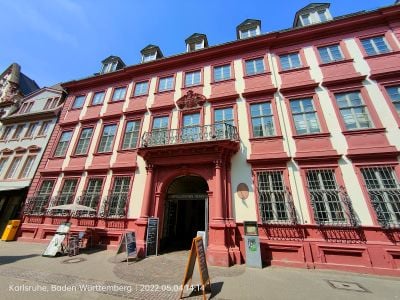
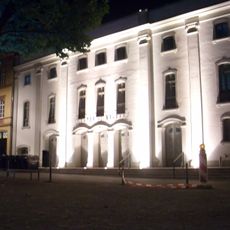
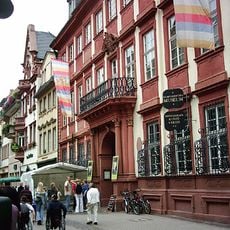
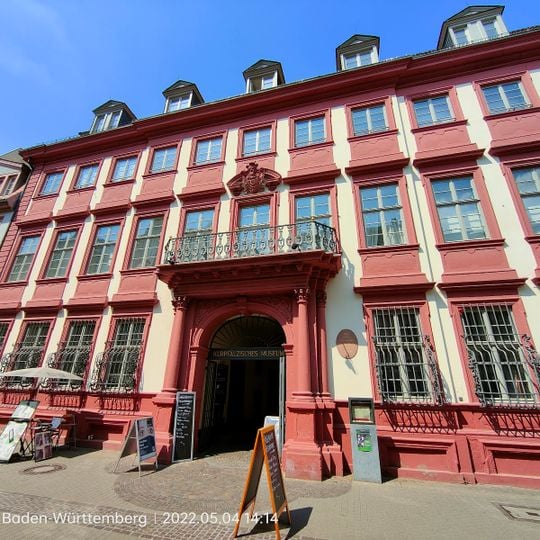
Kurpfälzisches Museum occupies the Palais Morass, a baroque mansion on the Hauptstraße, with a red-painted sandstone archway bearing gold lettering and a balcony above. Its seven archaeology rooms cover 1500 m² in the basement, while paintings and applied arts fill the upper floors.
Heidelberg acquired Charles de Graimberg's antiquities collection in 1878 and opened the museum in 1908. The building itself dates from the early 18th century and served originally as an aristocratic residence.
The name refers to the Electoral Palatinate, the territory ruled from Heidelberg. The museum keeps a Strasbourg silver service that belonged to Countess Palatine Elisabeth Auguste (1721–1794) and was lost for over two hundred years. Costumes of a Heidelberg family from 1750 to 1930 are also shown.
The baroque portal entrance allows only limited wheelchair access, as some stairs inside cannot be bypassed. Opening hours run Tuesday through Sunday from 10 AM to 6 PM, with the building closed on Mondays.
On the ground floor stands a cast of the Homo heidelbergensis jawbone, found in 1907 near the city and dated to around 600,000 years old. This discovery gave its name to an early human species and represents the oldest human trace in the region.
The community of curious travelers
AroundUs brings together thousands of curated places, local tips, and hidden gems, enriched daily by 92,307 contributors worldwide.