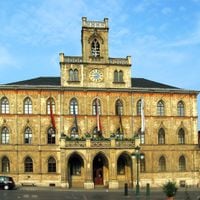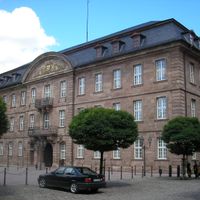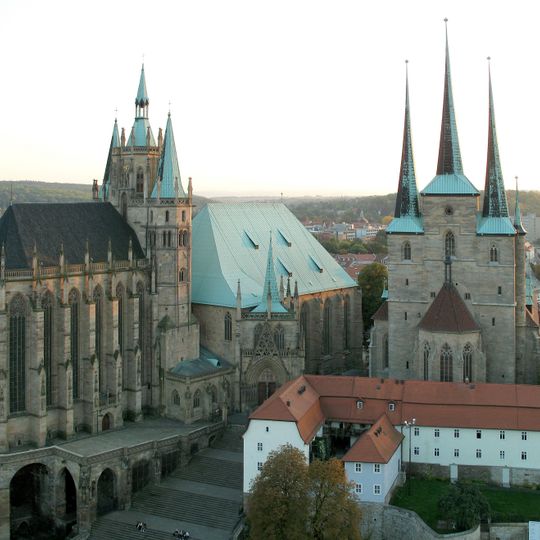
Thüringen, Federated state in central Germany
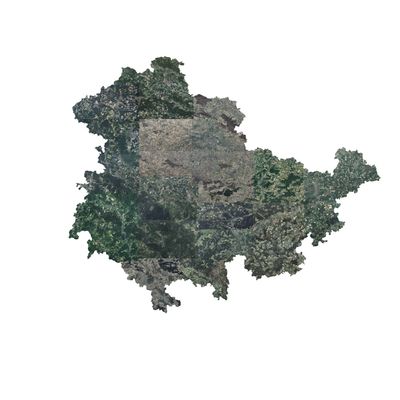
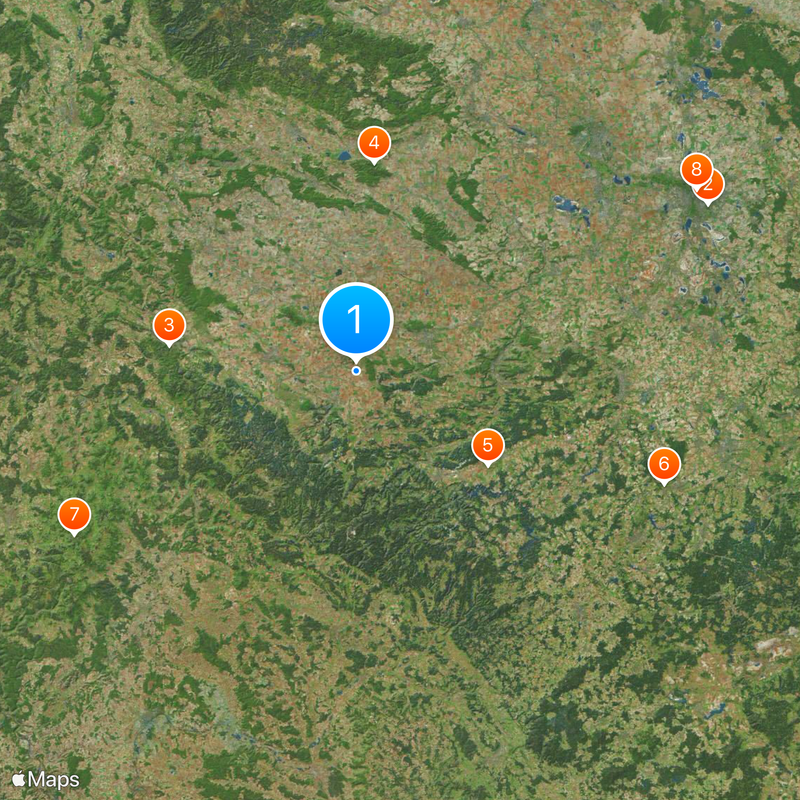
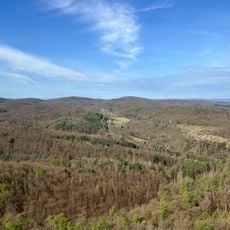
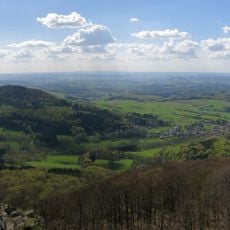
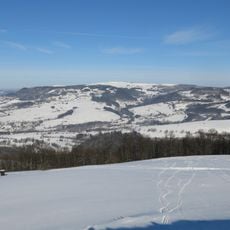
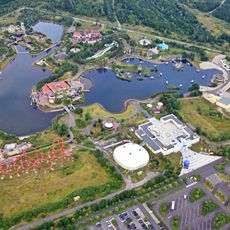
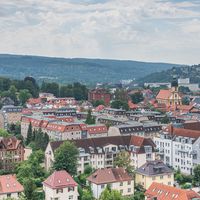
Thuringia is a federated state in central Germany shaped by forested mountain ranges and wide river valleys. The territory stretches from the Thuringian Forest in the south to the flatter northern plains with farmland and small towns, crisscrossed by roads and paths between historic settlements.
The territory evolved from a Frankish duchy in the 7th century and was ruled by Saxon noble families from the Middle Ages onward. After centuries of fragmentation, the small principalities merged in 1920 to form a single state, which later became part of East Germany.
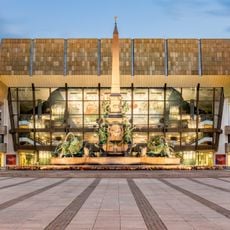
Classical music is part of everyday life, with choirs and orchestras maintaining a tradition rooted in Bach, Liszt, and Wagner. In the cities, theater performances and readings take place regularly, while in the countryside, rural festivals and craft markets bring the community together.
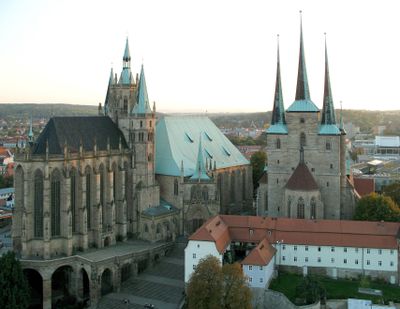
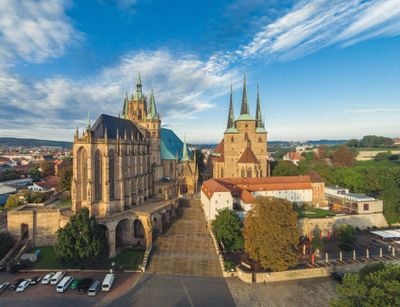
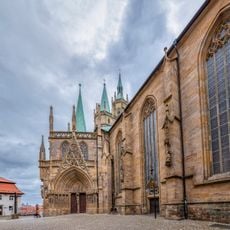
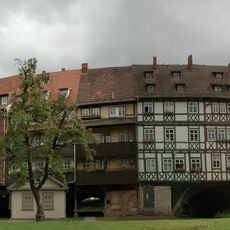
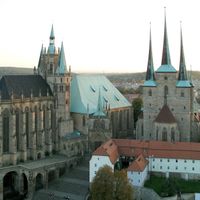
Erfurt serves as the administrative center, where public services and government offices are organized. Smaller towns are accessible by regional trains and long-distance buses, and many historic centers remain open for visitors to explore on foot.
Luther translated the New Testament into German during his stay at Wartburg, a site now recognized for its world heritage status. The region also houses the Bauhaus Museum in Weimar, where the design movement began its journey.
The community of curious travelers
AroundUs brings together thousands of curated places, local tips, and hidden gems, enriched daily by 90,758 contributors worldwide.