Bauhaus-Universität Weimar, Public university in Weimar, Germany.
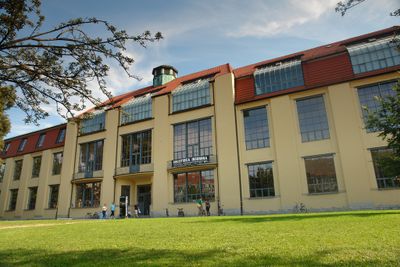
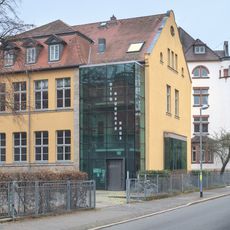
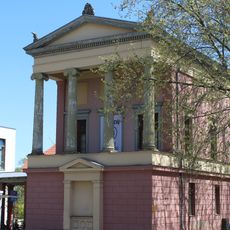
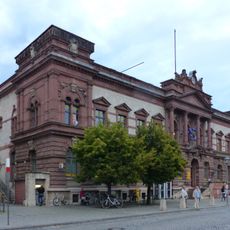
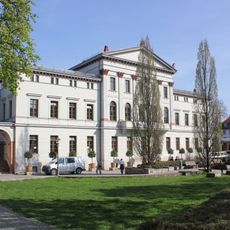
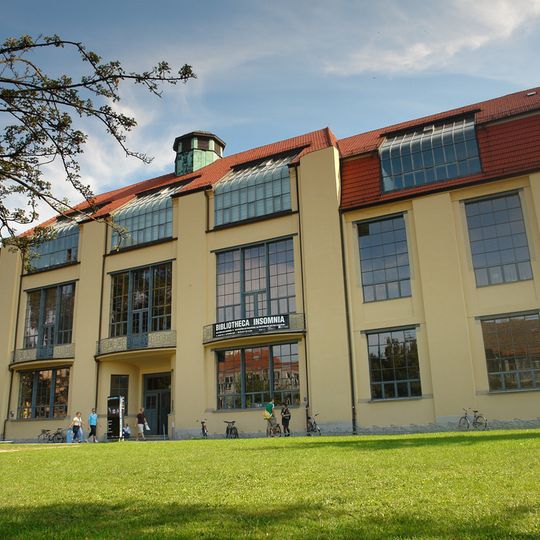
Bauhaus University Weimar is a public higher education institution with several historic buildings in the city, some designed by Belgian architect Henry van de Velde and featuring Art Nouveau elements. The facility today houses various departments and attracts students from around the world who study architecture, design, engineering, and media there.
The institution began in 1860 as an art school and was transformed in 1919 under Walter Gropius into the revolutionary Bauhaus school, which redefined design and craftsmanship. This school had major influence on modern architecture and design worldwide and shaped thinking about art education throughout the 20th century.
The university bears the name of the influential art school founded here in 1919, which gained worldwide importance for design and architecture. Visitors can see in the buildings today how artistic creation and craftsmanship training were connected, which shaped the school's identity.
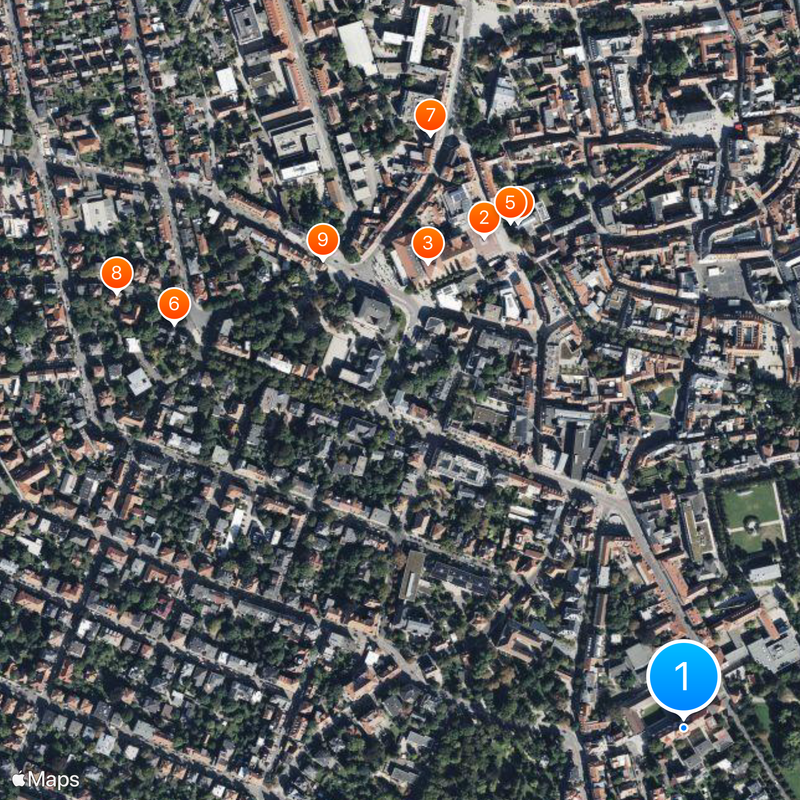
The campus buildings are spread throughout the center of Weimar and are reachable on foot, with the location making it easy to visit other city attractions as well. For visitors, it is helpful to know that not all areas are accessible without prior arrangement, so it is worth finding out beforehand which parts are open to tourists.
Several university buildings were recognized as a UNESCO World Heritage Site in 1996 and are therefore under protection. The original structures give visitors a direct impression of how the school once taught and worked.
The community of curious travelers
AroundUs brings together thousands of curated places, local tips, and hidden gems, enriched daily by 60,000 contributors worldwide.