Wasserkuppe, Mountain summit in Gersfeld, Germany
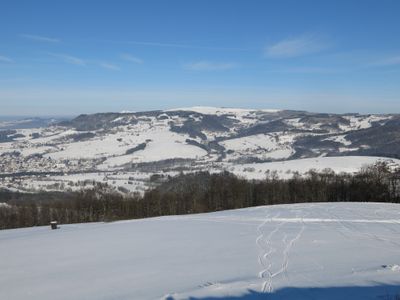
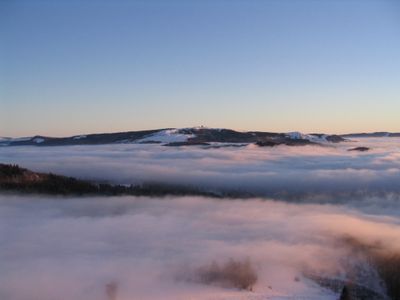
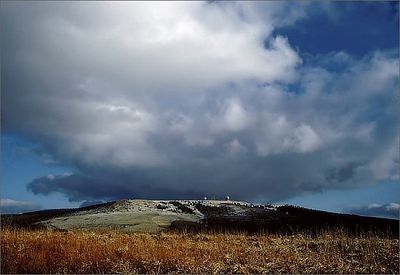
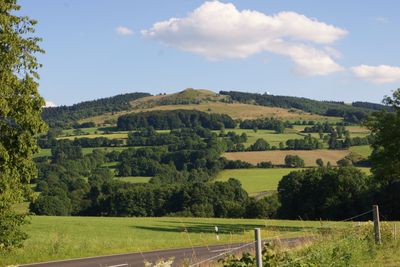
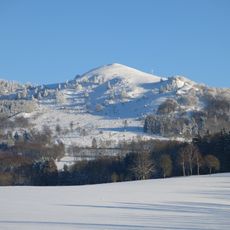
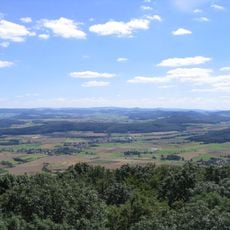
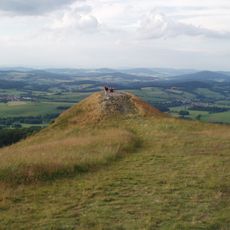
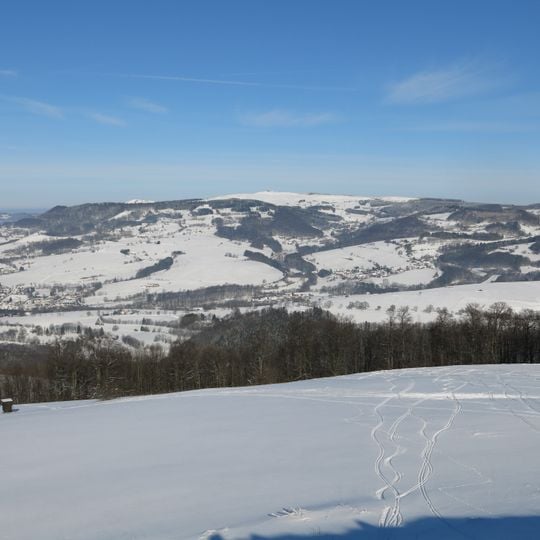
Wasserkuppe rises to 950 meters (3,117 feet) in elevation and forms the highest peak of the Rhön Mountains with its basalt composition and plateau structure. The summit carries a gentle dome without sharp rock edges and shows open grassland throughout the year.
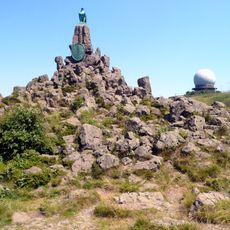
Students from Darmstadt University of Technology initiated glider flights from Wasserkuppe in 1911, leading to systematic developments in sailplane technology during the interwar period. The mountain became the birthplace of German soaring sport.
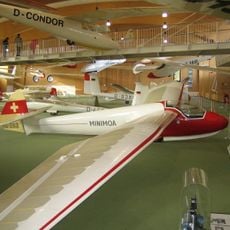
The German Sailplane Museum, established in 1970, displays the progression of glider technology and received astronaut Neil Armstrong as a special visitor during its centennial celebration. The museum preserves numerous historic aircraft and documents the beginnings of motorless flight.
The mountain features an active airfield near the summit, multiple hiking trails of different difficulty levels, and the Märchenwiesenhütte shelter offering refreshments to visitors. The paths are easily walkable in summer and often groomed for skiers in winter.
Wasserkuppe serves as the source point for both the Fulda and Lütter rivers, contributing to the formation of the larger Weser River system in Germany. Both waterways originate in close proximity to the summit plateau.
The community of curious travelers
AroundUs brings together thousands of curated places, local tips, and hidden gems, enriched daily by 91,987 contributors worldwide.