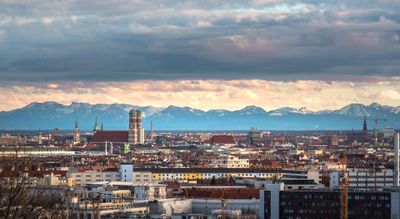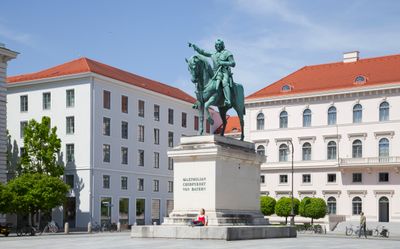
Bavaria, Federated state in southeastern Germany.
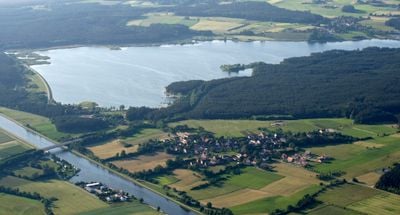
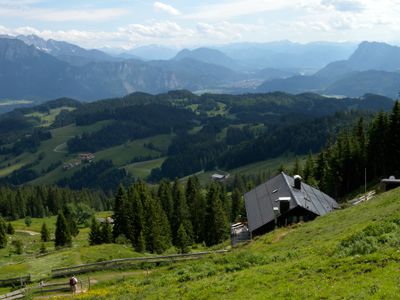
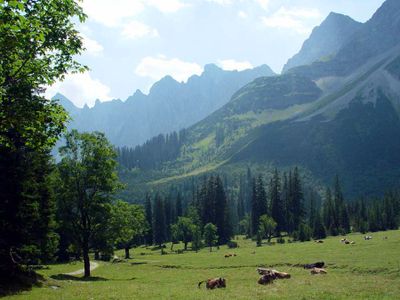
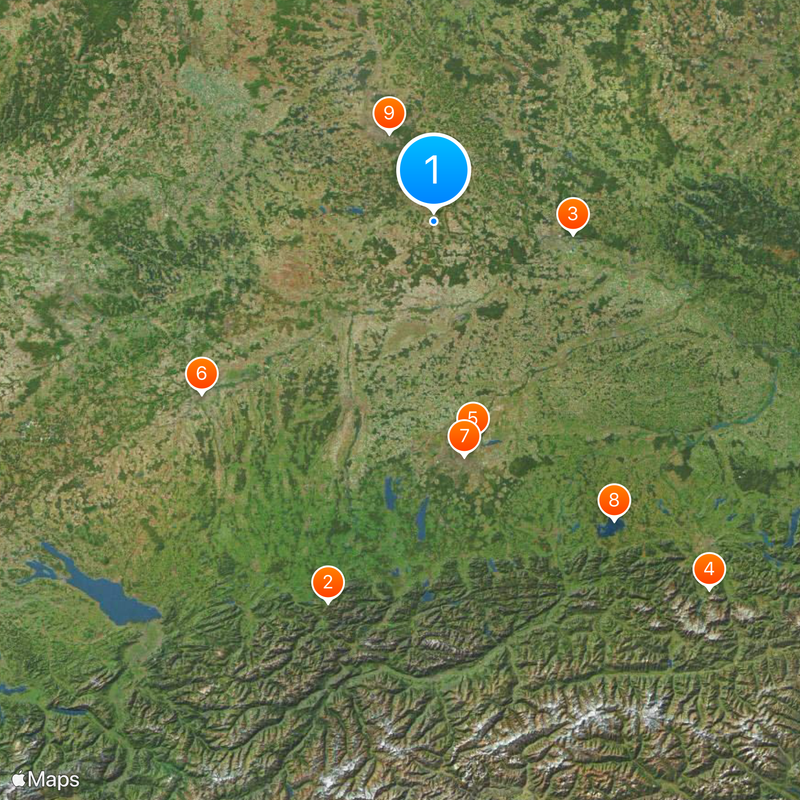
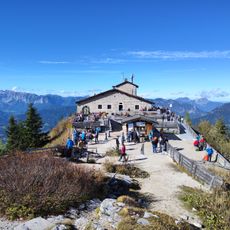
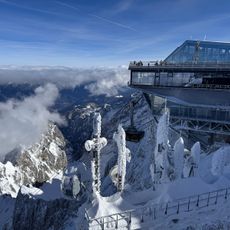
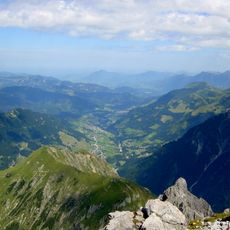
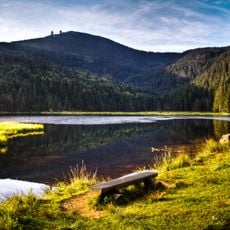
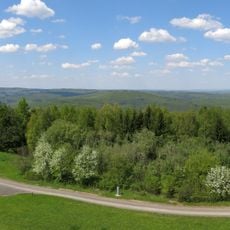
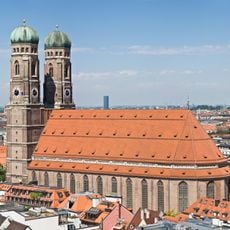
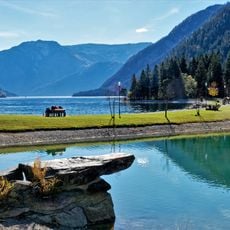
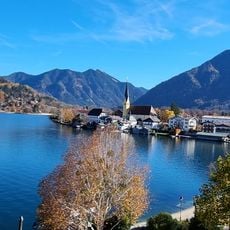
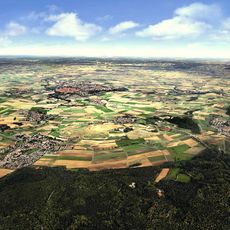
This federated state covers roughly 27,000 square miles (70,000 square kilometers) and includes Alpine ranges in the south, large forests and lakes, plus seven administrative districts with Munich as its capital. The territory stretches from high mountain zones along the Austrian border to the gentle hills of Franconia in the north.
The area evolved from a tribal duchy in the 6th century to a kingdom in 1806, then joined the German Empire in 1871. After World War I it became a free state in 1919 and retained this form after 1945.
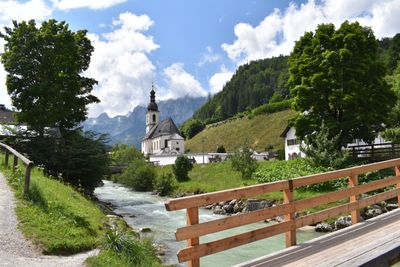
People here speak their own dialects and celebrate traditions like folk costumes and village festivals that shape everyday life. Many communities hold a strong regional identity reflected in their cuisine, music and public celebrations that travelers encounter firsthand.
The region borders Austria to the southeast, Switzerland to the south and the Czech Republic to the east, totaling roughly 1,680 miles (2,700 kilometers) of frontiers. Travelers can enter from all sides via roads, trains and international airports such as Munich or Nuremberg.
The Hallertau region grows around eighty percent of German hops and supplies many breweries that follow the Reinheitsgebot purity law. This regulation from 1516 dictates which ingredients may be used when brewing beer.
The community of curious travelers
AroundUs brings together thousands of curated places, local tips, and hidden gems, enriched daily by 60,000 contributors worldwide.