See the monuments around you in AROpen chests in the app
Around Us is built for your phone — point your camera at the streets and discover the monuments and places around you in augmented reality.Around Us is built for your phone — chests unlock when you walk, explore and capture nearby places.
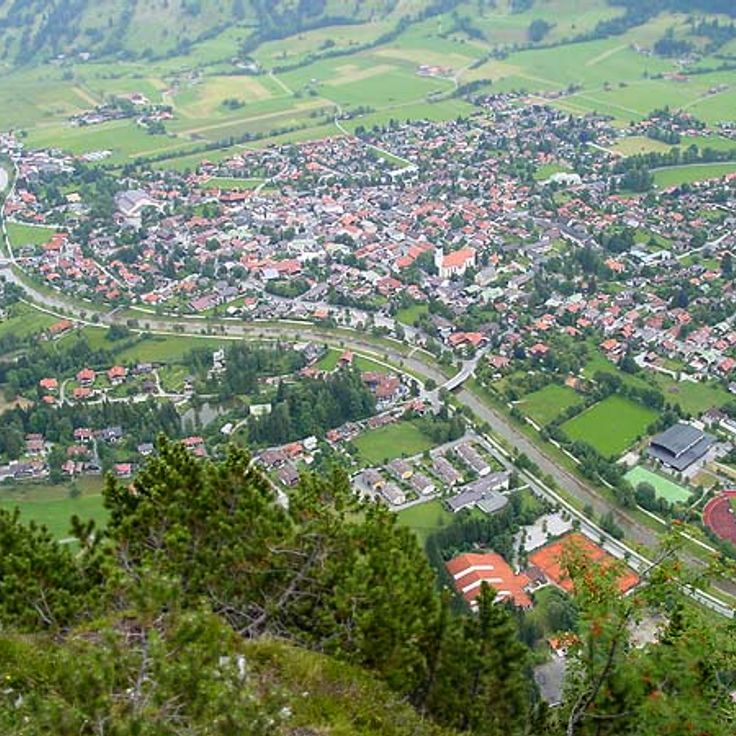
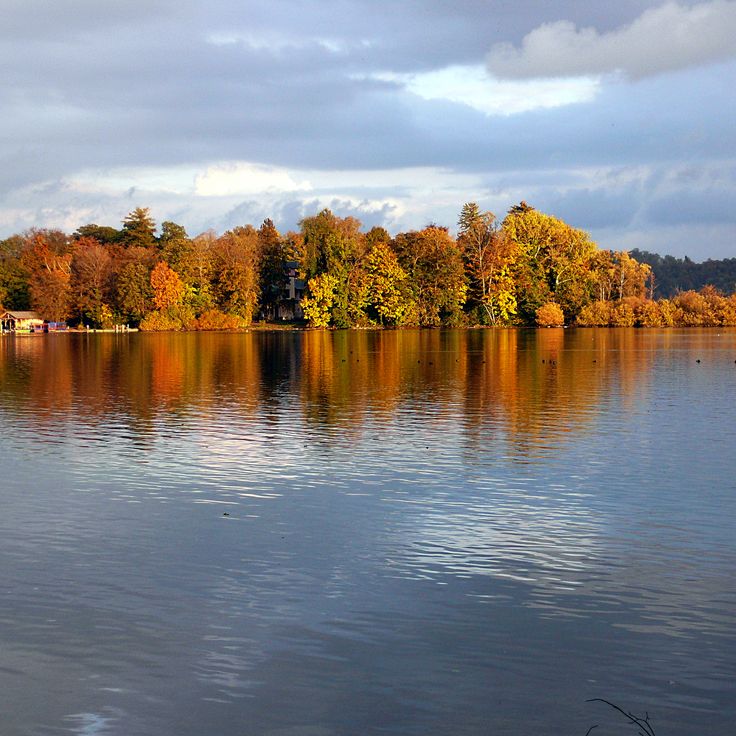
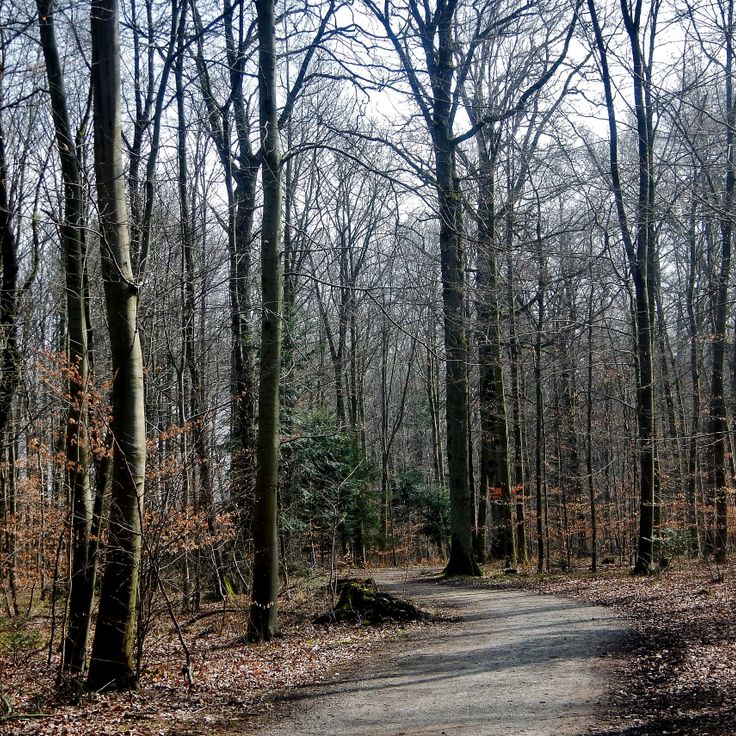
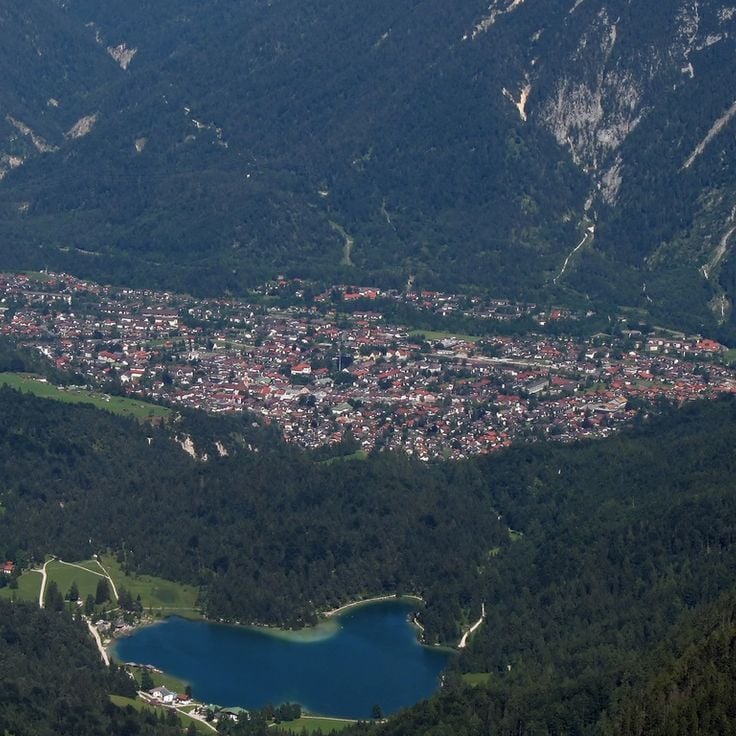
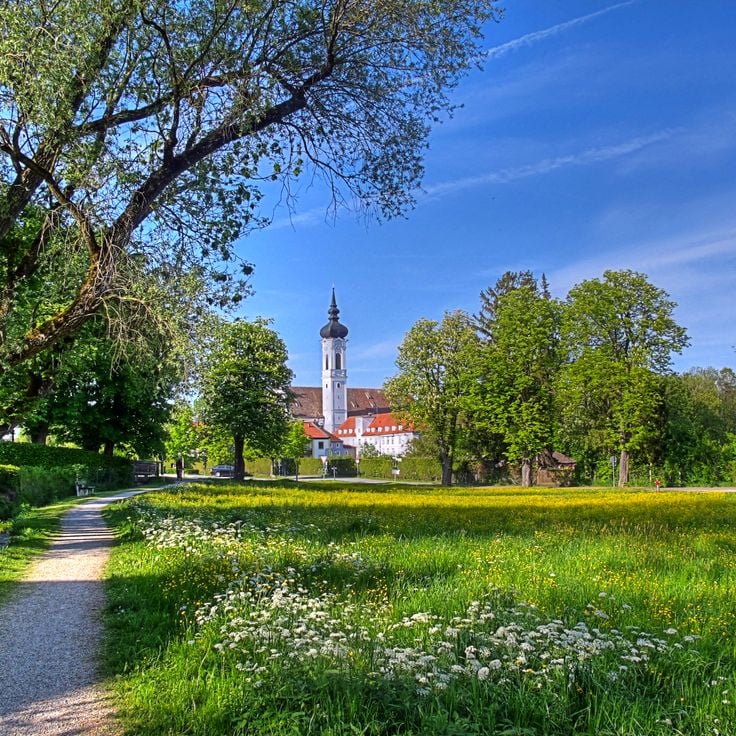
Bavaria combines medieval castles, baroque churches, and natural areas into one region. Palaces sit in forests, old monasteries stand near rivers, and mountain lakes dot the Alps. Cities preserve their medieval buildings and streets while the landscape spreads across mountains, lakes, and hiking trails that follow historical routes.
Visitors encounter places like Burghausen with its long fortress, the Wies Church with its ornate interior, and Herrenchiemsee Palace built on an island in the Chiemsee lake. Bamberg's old town shows half-timbered houses and waterways, while Regensburg holds one of Germany's largest medieval centers with stone buildings from centuries past. Nature lovers can explore the Königssee and Weißensee, walk through the Partnach Gorge, or take the cable car up Zugspitze.
The region draws visitors to monasteries like Weltenburg and Ottobeuren, which display remarkable artwork and decoration, and to palaces such as Linderhof where King Ludwig II spent time. Nature paths like the Baumwipfelpfad Steigerwald or walks through Franconian Switzerland show the region's green character. Thermal baths in Erding offer warmth and relaxation, while villages like Oberammergau and Mittenwald display painted house fronts that catch the eye.
Bavaria combines medieval castles, baroque churches, and natural areas into one region. Palaces sit in forests, old monasteries stand near rivers, and mountain lakes dot the Alps. Cities preserve their medieval buildings and streets while the landscape spreads across mountains, lakes, and hiking trails that follow historical routes.
Visitors encounter places like Burghausen with its long fortress, the Wies Church with its ornate interior, and Herrenchiemsee Palace built on an island in the Chiemsee lake. Bamberg's old town shows half-timbered houses and waterways, while Regensburg holds one of Germany's largest medieval centers with stone buildings from centuries past. Nature lovers can explore the Königssee and Weißensee, walk through the Partnach Gorge, or take the cable car up Zugspitze.
The region draws visitors to monasteries like Weltenburg and Ottobeuren, which display remarkable artwork and decoration, and to palaces such as Linderhof where King Ludwig II spent time. Nature paths like the Baumwipfelpfad Steigerwald or walks through Franconian Switzerland show the region's green character. Thermal baths in Erding offer warmth and relaxation, while villages like Oberammergau and Mittenwald display painted house fronts that catch the eye.
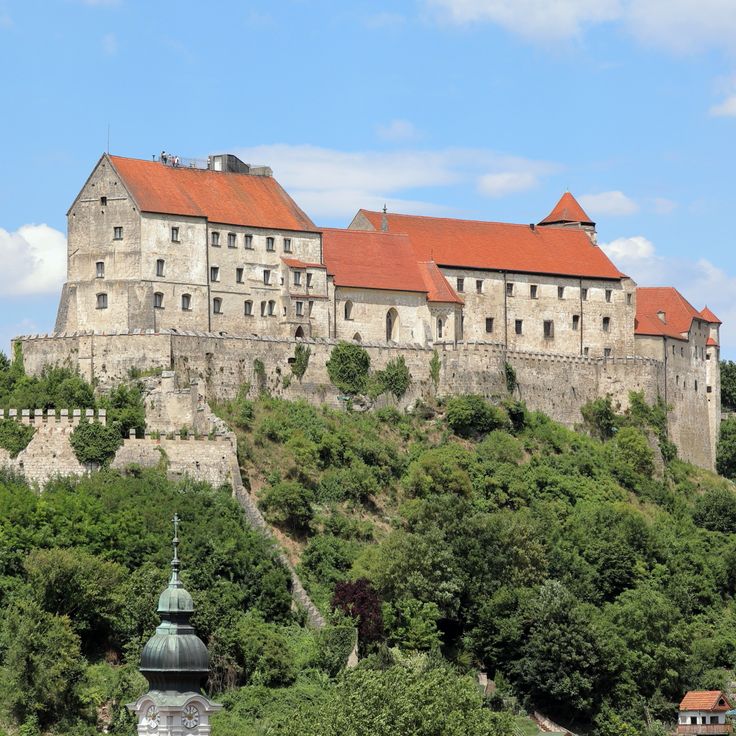
Burghausen Castle stretches across a mountain ridge along the Salzach River and features six courtyards within its extensive walls. The fortress demonstrates medieval military architecture and served to control river crossings and protect trade routes through Bavaria. Situated in the landscape of this historic region, it shows how castles were integrated into the natural features of the Bavarian terrain.
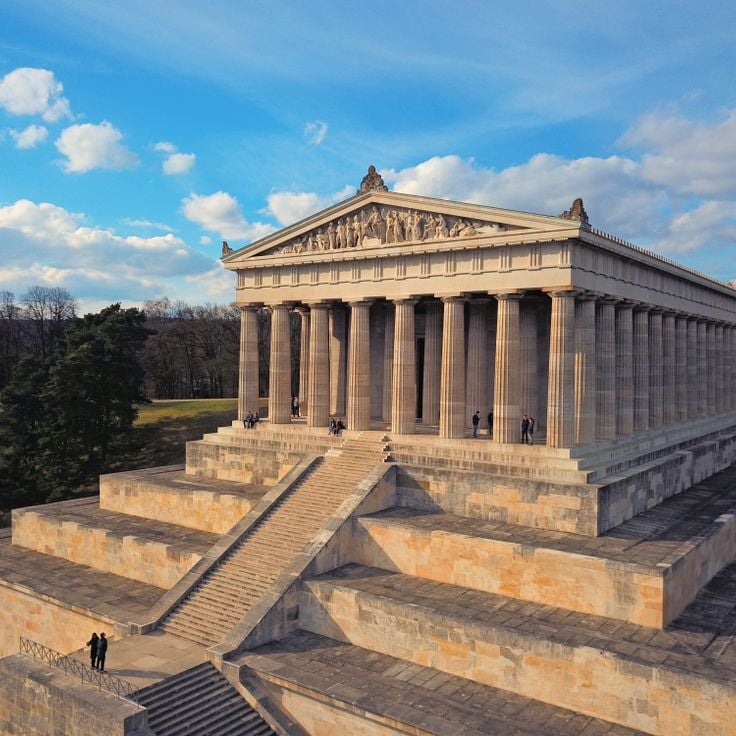
The Walhalla Memorial is a neoclassical temple built between 1830 and 1842 that honors German personalities through its 348 plaques and 128 busts. Within Bavaria's landscape of medieval castles, baroque churches and natural areas, this riverside monument stands as a tribute to cultural figures. Visitors walking through its halls encounter the architectural style of the 19th century alongside the Danube River setting. The temple represents how the region has preserved and celebrated its historical connections through monumental architecture.
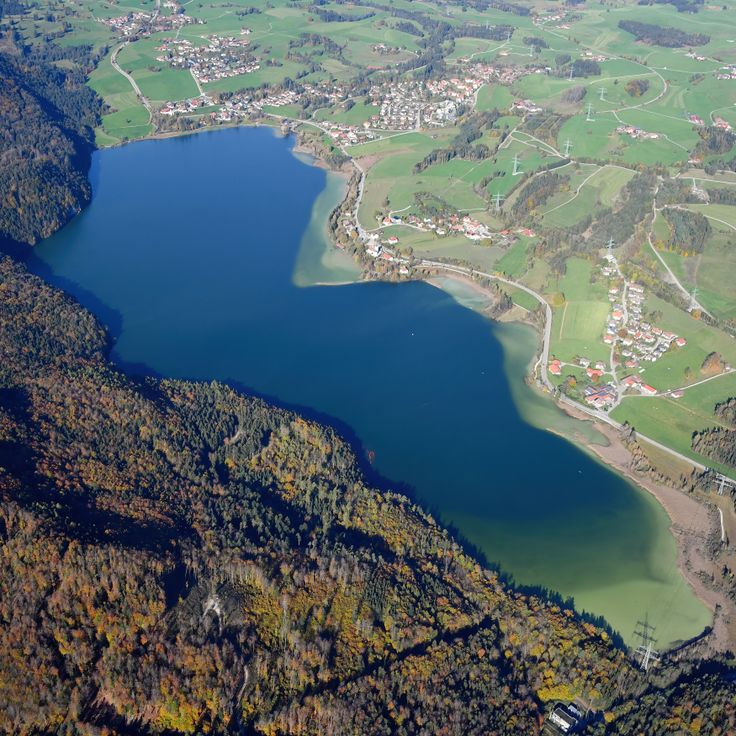
Weißensee Lake sits in the Bavarian Alps near Füssen. At 932 meters above sea level, it is Bavaria's highest lake. The water is clear and cold, surrounded by mountain forests and steep slopes. The lake fits naturally into Bavaria's landscape of alpine lakes and natural areas. Visitors come here to hike, swim, or simply enjoy the mountain views. This location complements the region's castles, baroque churches and historic sites.
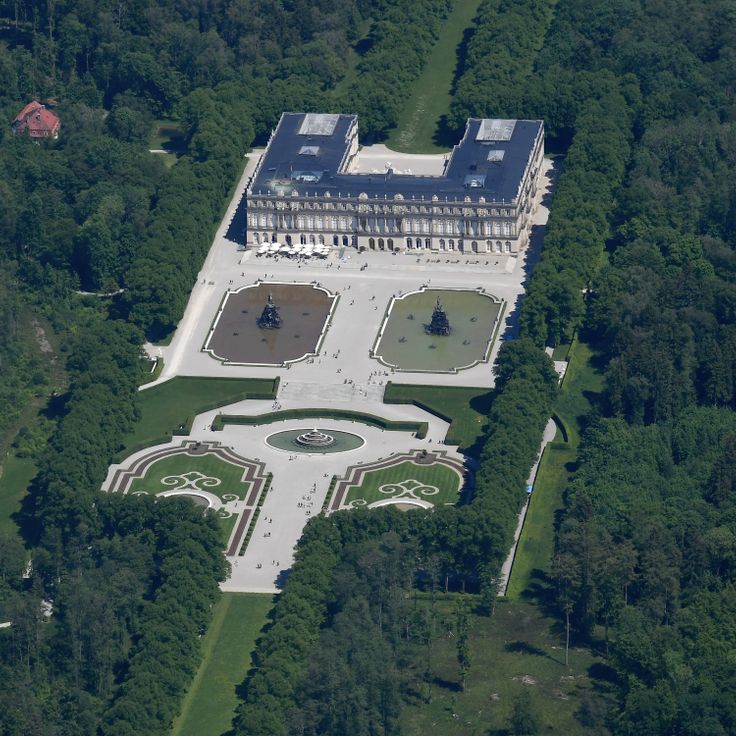
Herrenchiemsee New Palace sits on Herreninsel island in Lake Chiemsee and stands as one of Bavaria's most significant monuments. King Ludwig II built this palace between 1878 and 1886, drawing inspiration from the French Palace of Versailles. The structure contains 70 rooms and displays the baroque grandeur typical of the region. This palace reflects Ludwig's passion for architecture and history, and today it represents royal ambition within Bavaria's lake landscape.
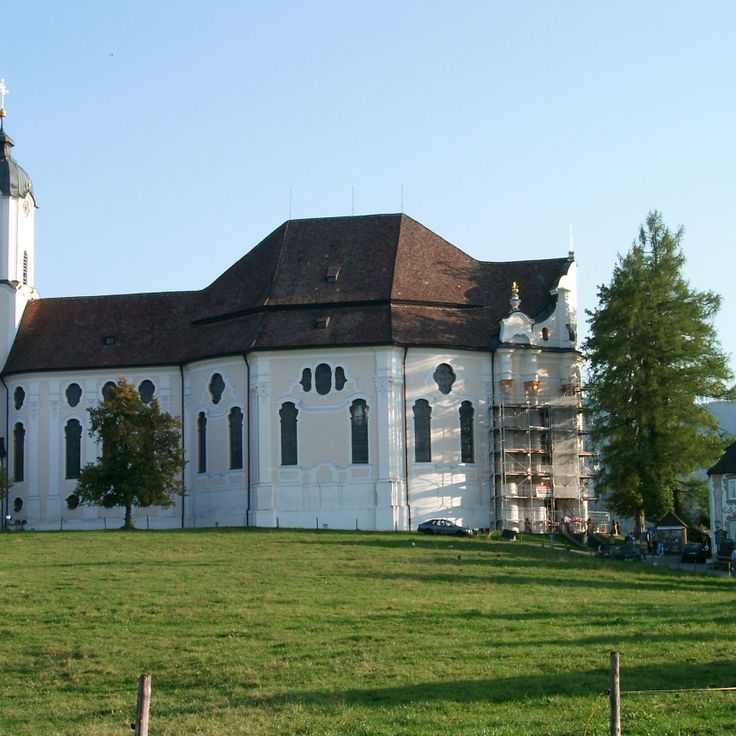
Wies Church is an 18th century Baroque structure adorned with ornate Rococo frescoes and stucco details, situated within Bavaria's rural landscape. It represents the region's tradition of combining religious architecture with natural surroundings, alongside medieval castles, baroque churches and monasteries that define Bavaria's heritage. The church demonstrates how historic buildings integrate with the Bavarian countryside.
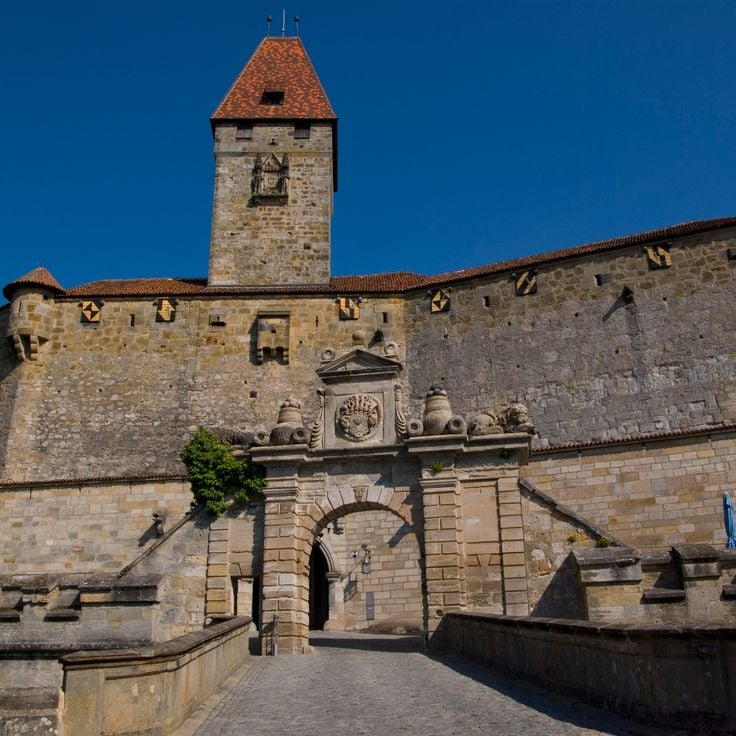
Veste Coburg is a medieval castle that fits within Bavaria's landscape of fortified buildings set among forests and historical sites. The castle houses an art collection and historical weapons. Martin Luther spent six months here in 1530, leaving an important mark on the place's history.
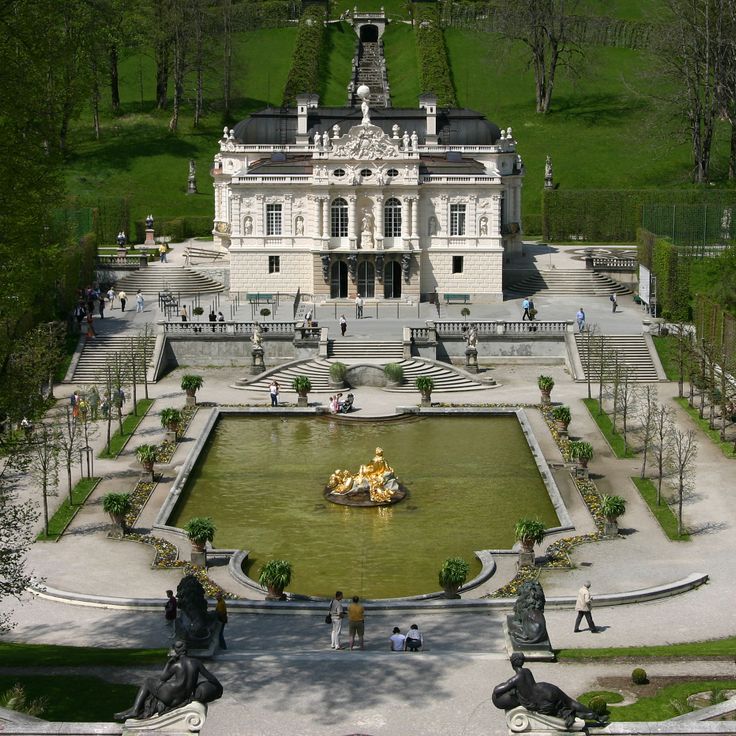
Linderhof Palace stands in southern Bavaria, showcasing French Baroque architecture that connects to the region's medieval castles and baroque churches. Built between 1874 and 1878, the palace fits into Bavaria's landscape of mountains, lakes and historical hiking trails. The formal gardens of this palace shape the surroundings, set within forests and near old monasteries.
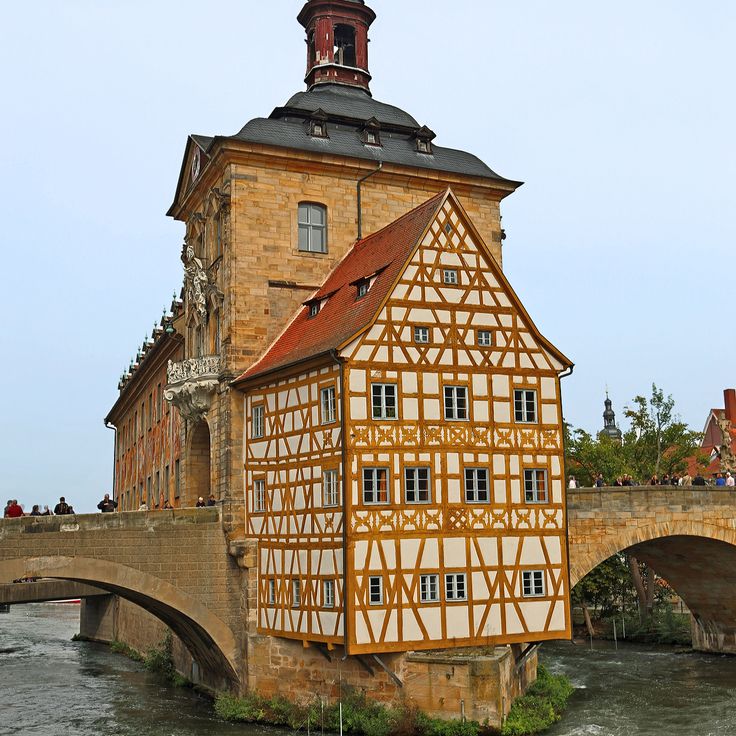
The Bamberg Old Town is a historic center with Romanesque and Gothic churches, medieval buildings, and the old town hall on the bridge. It embodies the architecture and character that define Bavaria—a place where medieval structures shape the cityscape and history is tangible at every corner.
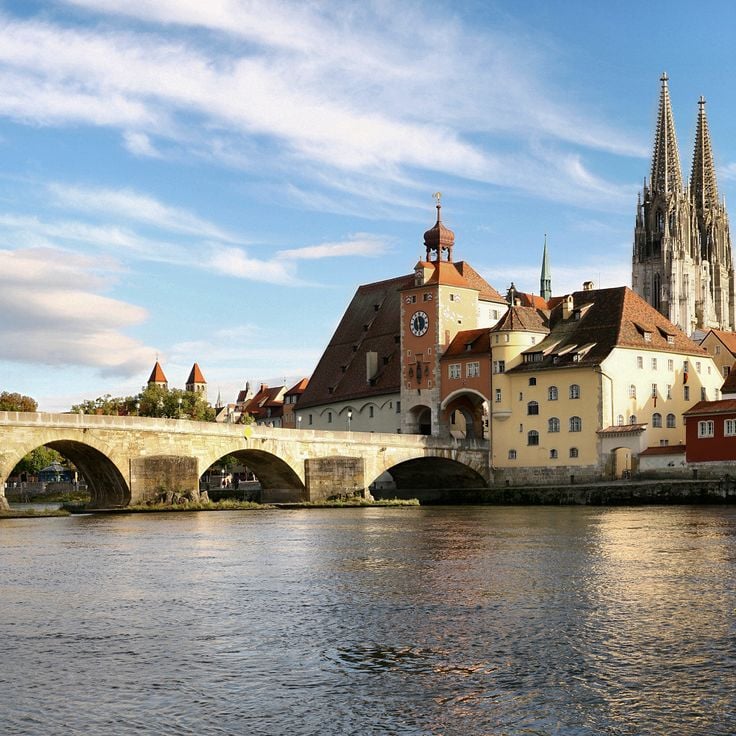
Regensburg Old Town is part of Bavaria's collection of historic sites, where medieval architecture remains intact in the city center. The stone bridge from the 12th century spans the Danube River and stands as a testament to the region's past. Walking through these streets reveals layers of history in the buildings and their construction.
Partnach Gorge is a dramatic ravine in the Bavarian Alps where a 700-meter channel cuts through limestone cliffs. The Partnach River flows through this natural passage, creating waterfalls that cascade down the rock walls. A walking trail runs alongside the river, allowing visitors to experience the power of the water and the towering cliffs up close. This gorge connects the geological story of the region with opportunities to explore the landscape on foot.
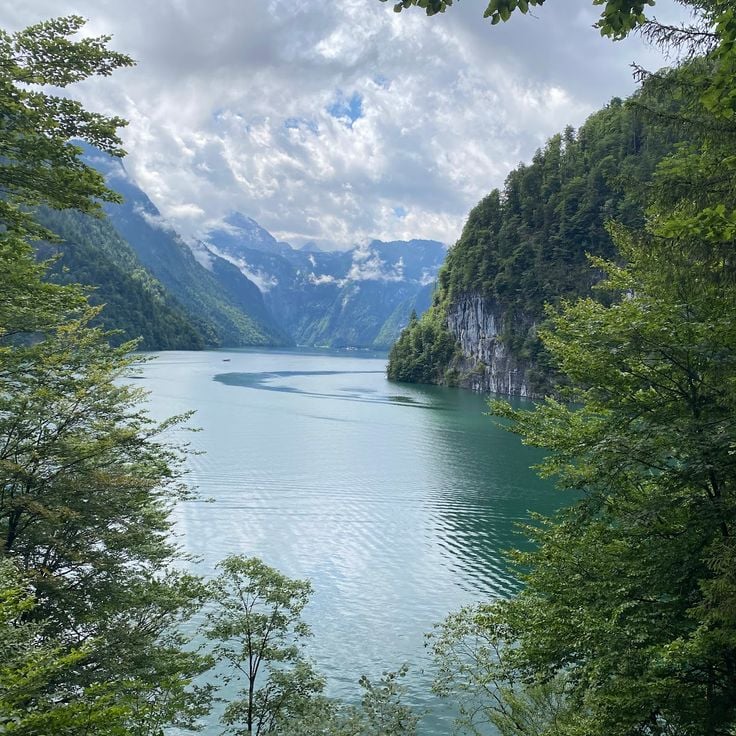
Königssee sits between steep mountain walls in the Berchtesgaden region and represents the kind of alpine lakes that define Bavaria's landscape. The Church of Saint Bartholomew stands directly on its shore, reflected in the water. The lake shows how nature and history come together in this part of the region.
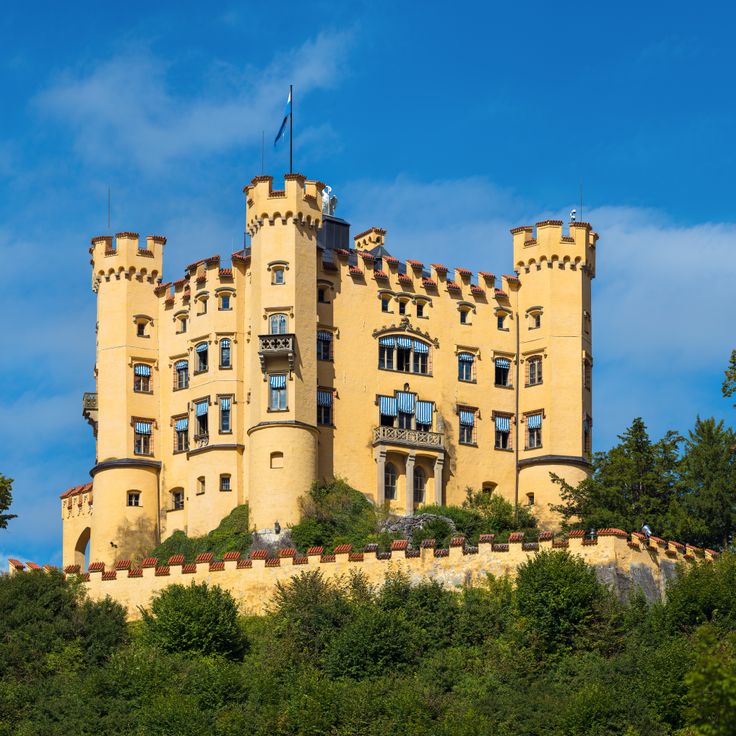
Hohenschwangau Castle is a 19th century castle built on a hilltop overlooking Alpsee lake. The castle contains wall paintings depicting German history and mythology. As part of Bavaria's historic sites and natural areas, Hohenschwangau Castle demonstrates how palaces and castles sit within forested landscapes alongside alpine mountain lakes.
This village in Bavaria performs the Passion Play every ten years since 1634. The houses display traditional religious and fairy tale murals on their facades. Oberammergau belongs to Bavaria's historic places, where medieval craftsmanship lives in the streets and the Alpine landscape surrounds the settlement.
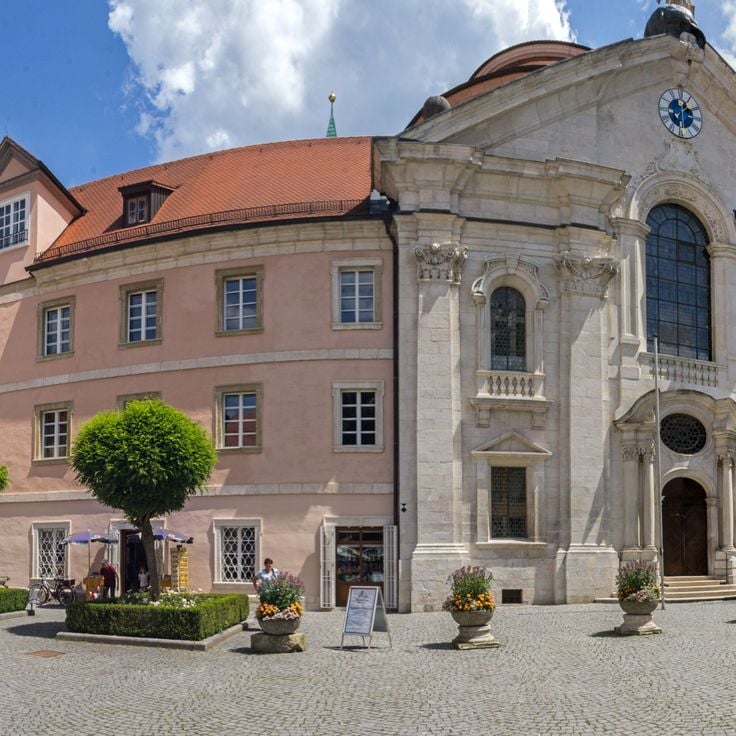
Weltenburg Abbey is a Benedictine monastery founded in 620, representing the region's rich religious heritage. The abbey features a striking Baroque church and operates a brewery that has been producing beer since 1050, making it the oldest monastic brewery in the world. Nestled near the river in the Bavarian landscape, this site brings together spiritual history and centuries of brewing tradition.
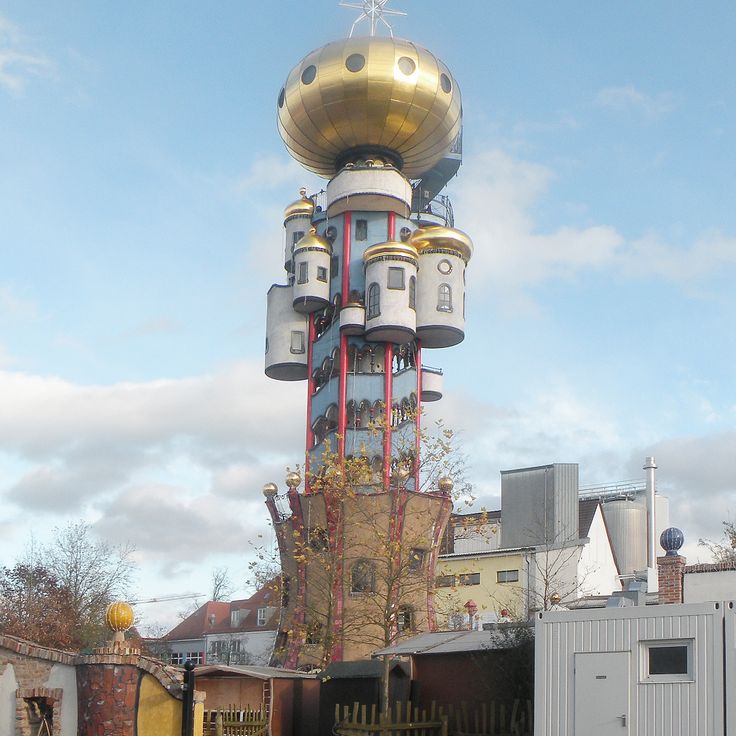
Kuchlbauer Tower in Abensberg is a colorful addition to Bavaria's architectural landscape, where medieval castles and baroque churches define the region's character. This 34-meter tower rises from a brewery with colored tiles and a golden sphere crowning its peak, designed according to Hundertwasser principles. The building represents a modern expression within Bavaria's setting of palaces in forests, monasteries by rivers, and Alpine lakes.
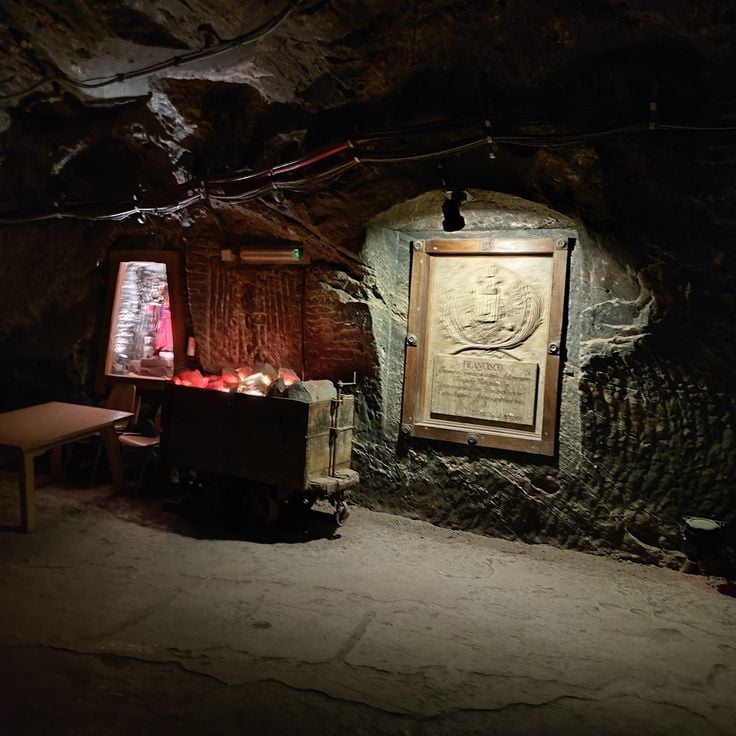
The Berchtesgaden Salt Mines represent one of Europe's oldest salt-mining operations and fit naturally into Bavaria's landscape of medieval castles, baroque churches and natural areas. This 500-year-old mine features underground salt lakes and wooden slides that take visitors deep into the mountain. A mining train carries you into this underground world, where you can see how salt was extracted and learn about the miners who worked here for centuries.
Rose Island is located in Lake Starnberg and represents one of Bavaria's historic sites. The island features a rose garden with many varieties and a 19th-century royal casino building. Visitors can explore the architecture from the royal period and walk through the gardens. The island connects Bavarian history with the natural setting of the lake.
The Franconian Trail is a hiking route that connects the diverse landscapes of Franconia. The path passes through forests, vineyards and medieval villages, showing different parts of this region. Hikers follow this trail past historical sites and through the natural scenery that defines Bavaria.
Mittenwald is a town in the Bavarian Alps that has been a center for violin making since the 17th century. The craft of building musical instruments runs deep here and is documented in a museum dedicated to this tradition. The town connects this handmade heritage with its position in Bavaria's mountain landscape.
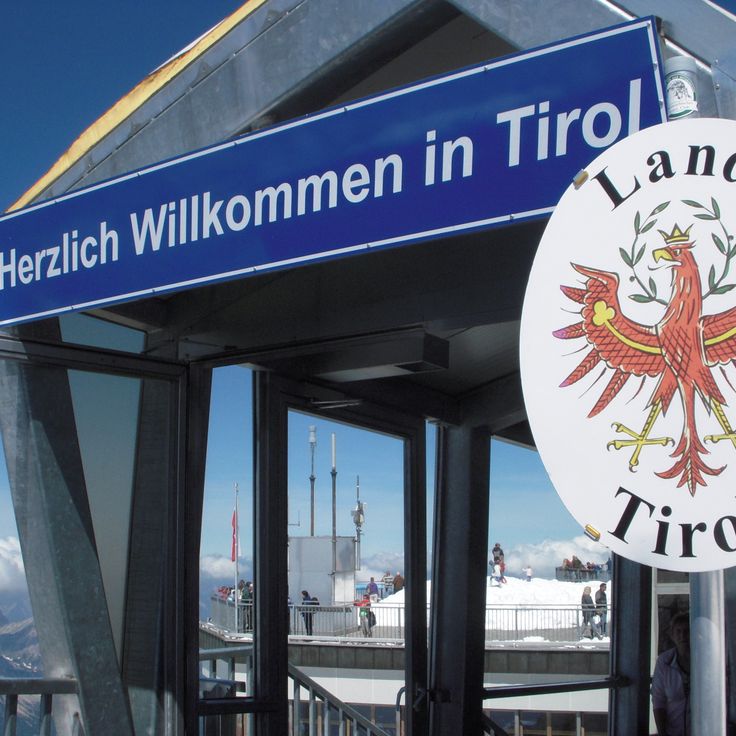
Zugspitze is Germany's highest mountain, standing at 2962 meters in the Bavarian Alps. The summit features multiple viewing platforms where visitors can look out across the surrounding peaks and valleys. A research station operates at the top, studying the mountain environment. The peak is accessible by hiking trails and a cog railway, making it an important destination for experiencing the dramatic landscapes that characterize Bavaria's mountain region.
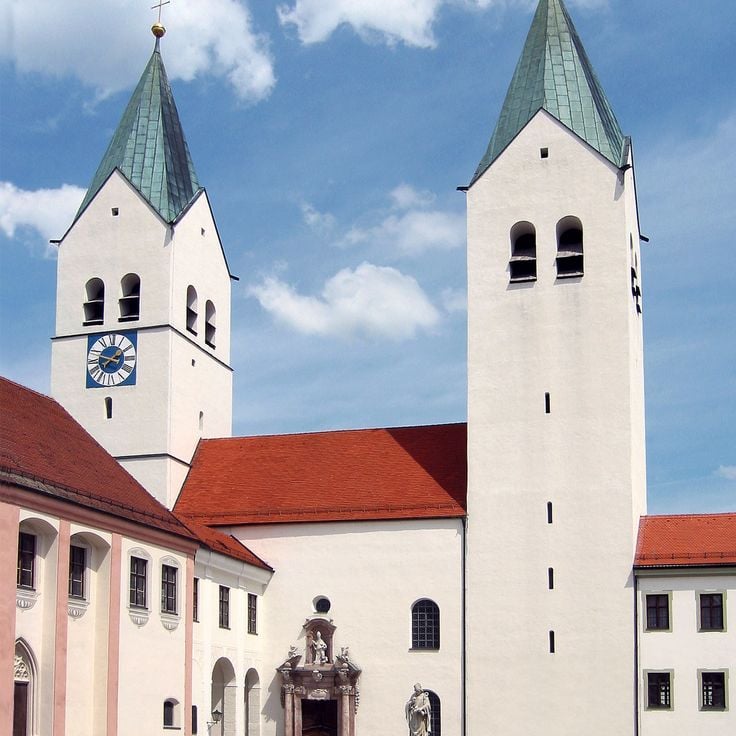
Freising Cathedral is a 12th-century Romanesque basilica that fits naturally into Bavaria's landscape of medieval castles, baroque churches and historical sites. This cathedral holds significant artworks and offers views across the city. It represents the architectural tradition that defines Bavaria, where old monasteries sit beside rivers and castles stand in forests.
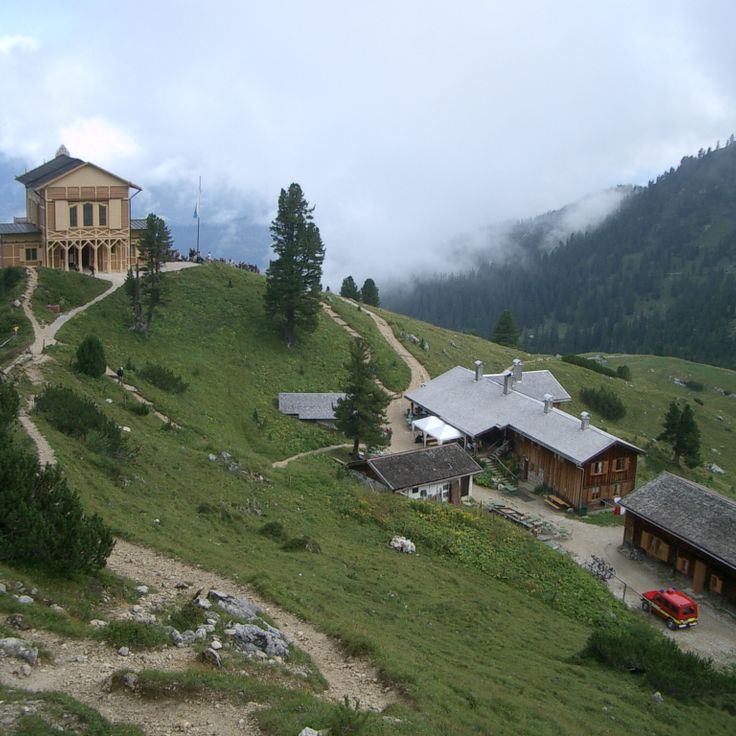
Schachenhaus is a mountain house in the Garmisch-Partenkirchen area that connects Bavaria's history with its natural setting. The building sits at 1866 meters elevation and contains a Turkish Hall with detailed decorations. Around the house spreads an Alpine garden with many different plant species adapted to high-altitude conditions. The site shows how the Bavarian Alps attracted people who created retreats in these remote locations.
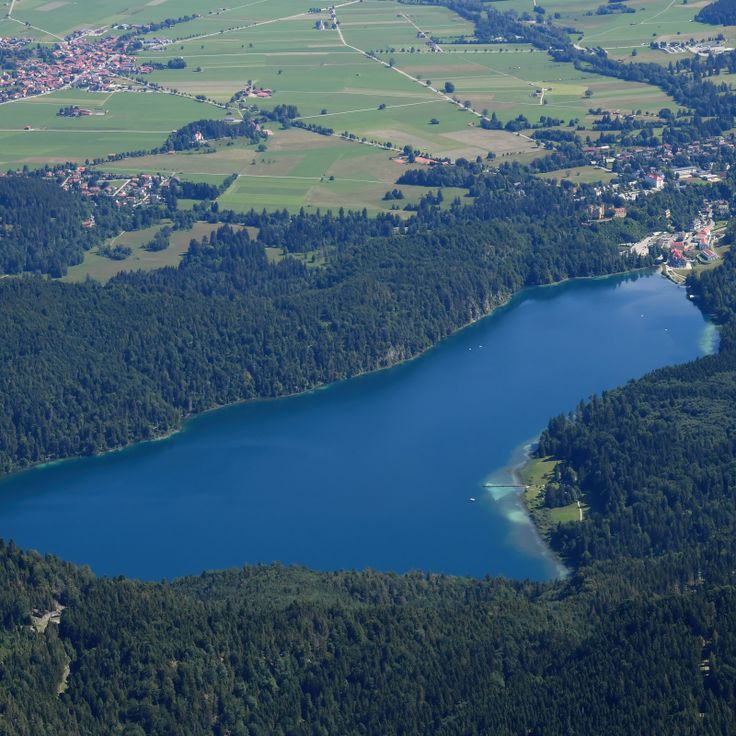
Alpsee sits in Schwangau as part of Bavaria's diverse landscape where medieval castles, baroque churches and natural areas coexist. This lake rests at 800 meters altitude between mountains, offering a quiet refuge away from the region's urban centers. A 5-kilometer hiking trail circles the water, connecting this spot to the historical routes that crisscross the Bavarian countryside.
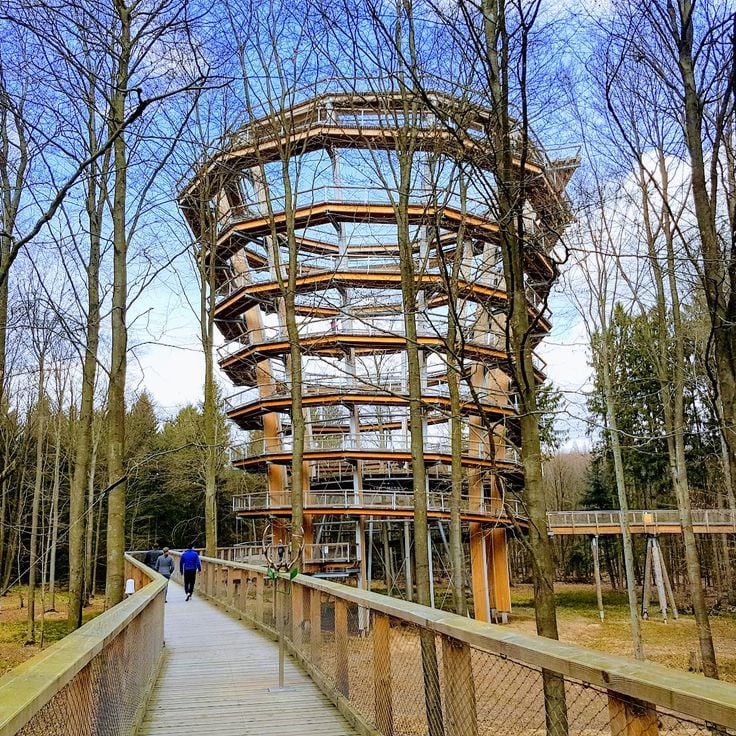
The Baumwipfelpfad Steigerwald is a wooden pathway that takes visitors through the forest canopy. This 1150-meter walkway winds above the ground and leads to an observation platform at 42 meters high. From this vantage point, you can see the surrounding woodland of the Steigerwald region from an unusual angle and experience the forest environment in a new way.
Pfaffenwinkel sits between the Lech and Ammer rivers and forms a cultural district that represents the Bavarian heritage. This region holds Rococo churches, monasteries and farmhouses scattered across rolling hills. The area fits within Bavaria's broader character, which combines medieval castles, baroque churches and natural spaces. Visitors encounter palaces set in forests, old monasteries alongside rivers and mountain lakes in the Alpine landscape.
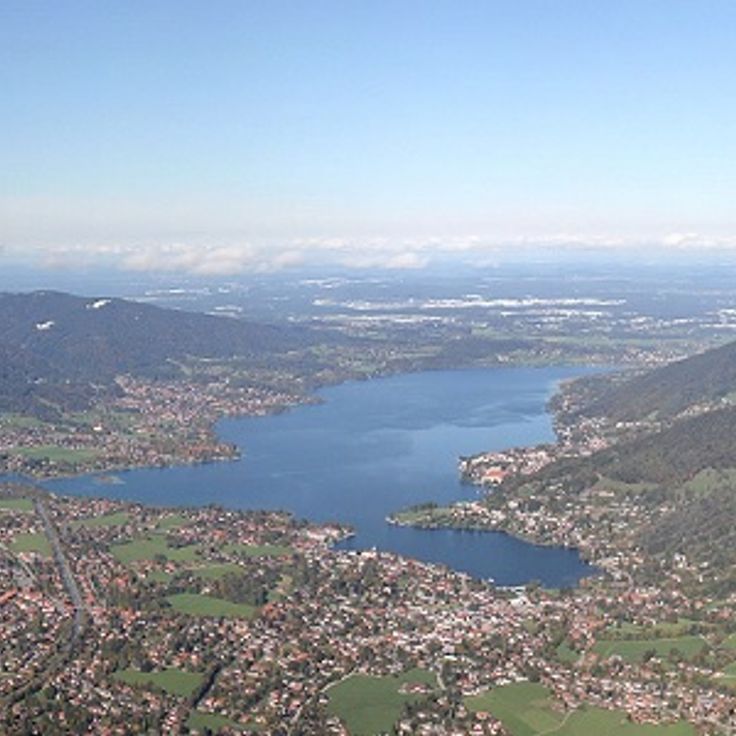
Tegernsee is a mountain lake in Upper Bavaria that shapes the region with its water sports in summer months and its ice surface in winter. Along the shore stand a former monastery and traditional beer gardens that define the lake's character. The lake connects the alpine landscape with Bavaria's cultural history, showing how water and historical sites form daily life in this region.
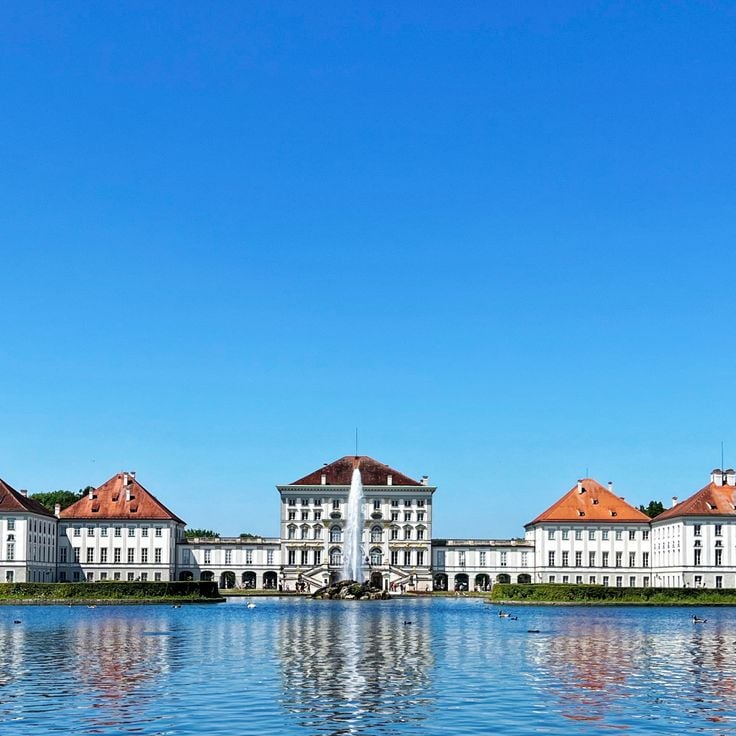
Nymphenburg Palace is a 17th century residence in Munich that exemplifies Bavaria's baroque architecture. The palace contains rooms with original furnishings, a porcelain collection and symmetrical gardens featuring water features. Built for the Bavarian rulers, this palace demonstrates the region's tradition of combining grand architecture with natural landscapes.
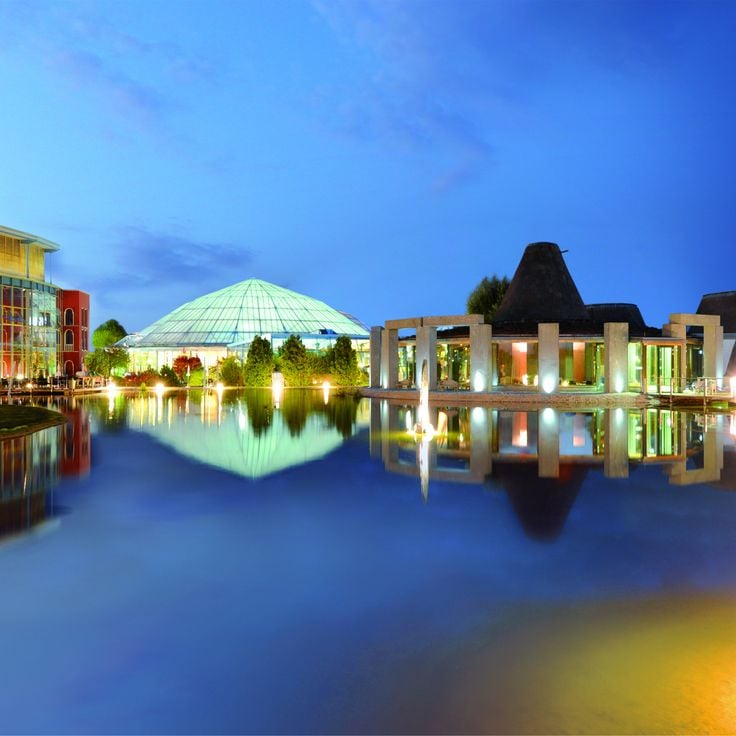
The Erding Thermal Spa fits within Bavaria's tradition of combining natural resources with recreation spaces. This water facility features mineral-rich pools heated to different temperatures, multiple sauna areas, and water slides for visitors. The large complex welcomes people seeking relaxation in warm waters or those interested in spending time in the sauna rooms. It draws visitors from the region and beyond who come to experience the thermal waters.
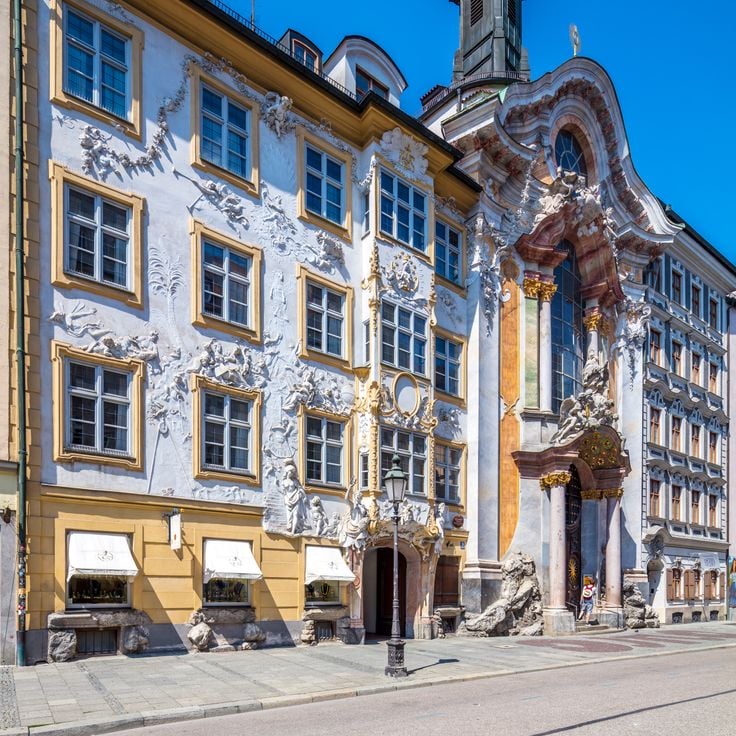
The Asam Church is a private Baroque church in Munich that exemplifies the religious architecture found throughout Bavaria. Built in 1746, it features ceiling and wall frescoes along with gold ornaments and complete interior decorations that reflect the craftsmanship typical of the region's churches. Walking through its interior reveals the detail and artistry that defined Baroque design in Bavaria.
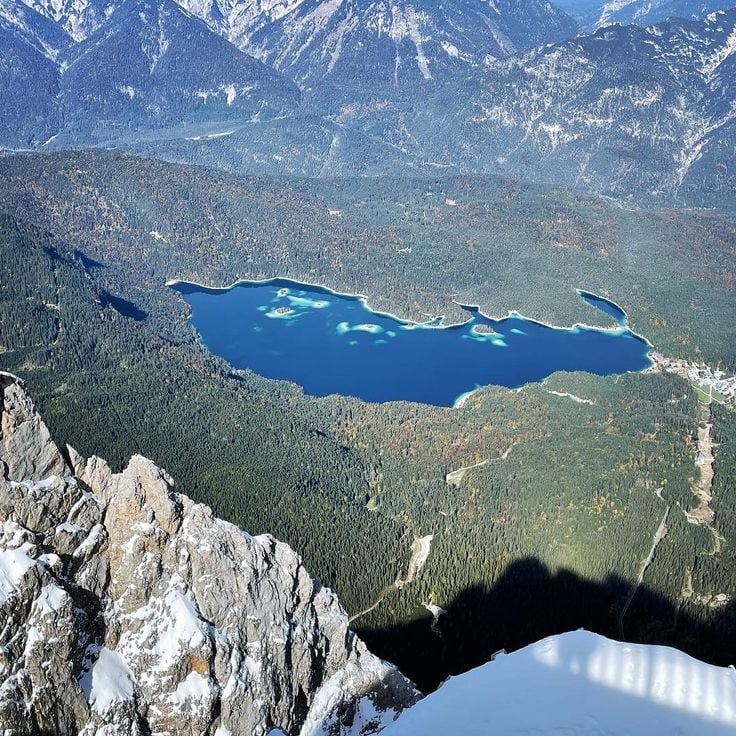
Eibsee is a mountain lake in the Bavarian Alps that fits into this region's landscape of lakes, mountains and historical hiking trails. With eight islands and water depths reaching 32 meters at an elevation of 973 meters, this lake offers a direct connection to alpine nature. The clear waters and surrounding peaks create a place where visitors experience the mountains in their true form.
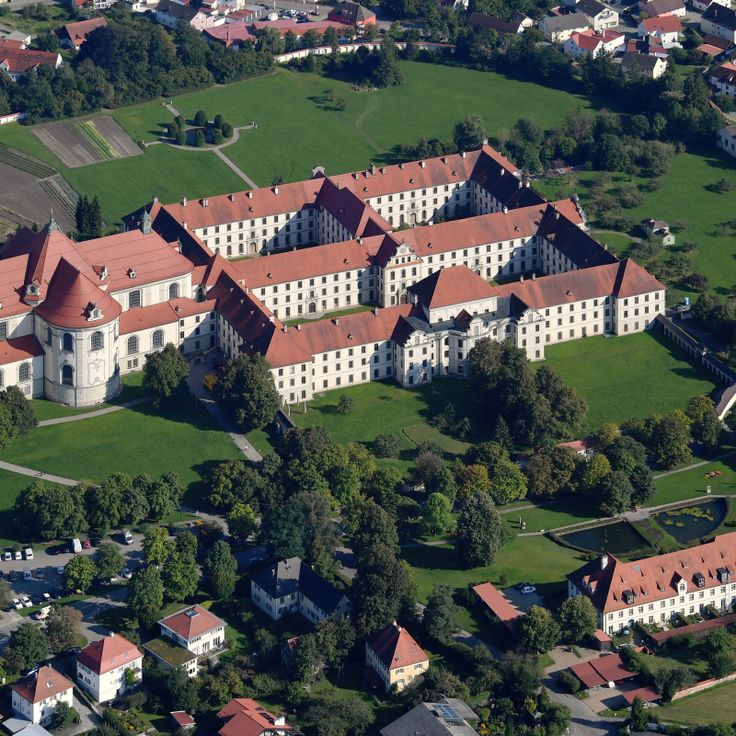
Ottobeuren Abbey is a Benedictine monastery founded in 764 that exemplifies Bavaria's monastic heritage. The abbey features a three-nave basilica, historical musical instruments and a collection of religious artworks. Its presence connects to the region's tradition of monasteries established near rivers and in forests, preserving centuries of spiritual and cultural life.
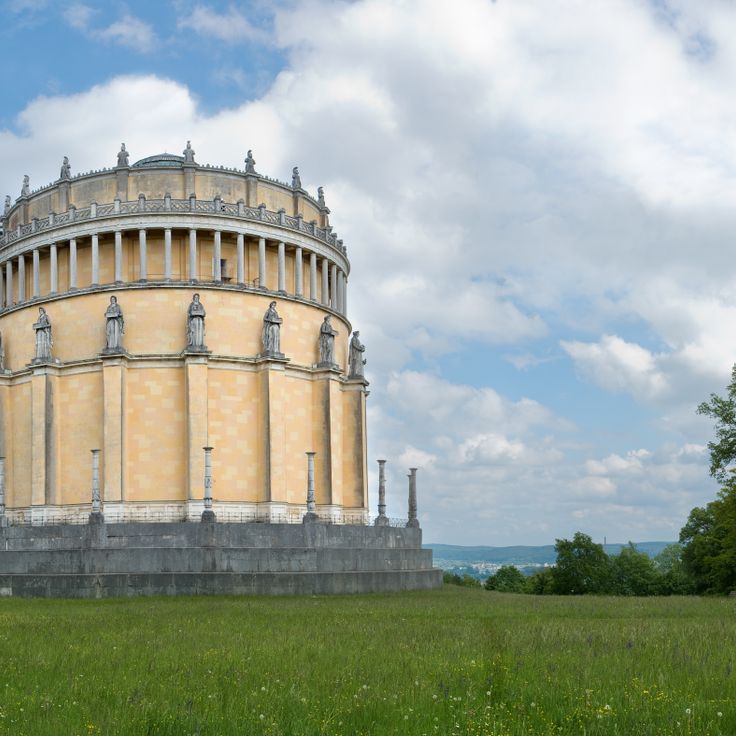
This monument from 1863 stands in Kelheim as part of Bavaria's rich historical landscape. The circular structure has a diameter of 45 meters and houses 34 marble statues of victory goddesses inside. It represents the region's tradition of grand historical buildings that complement the medieval castles, baroque churches, and old monasteries scattered throughout Bavaria.
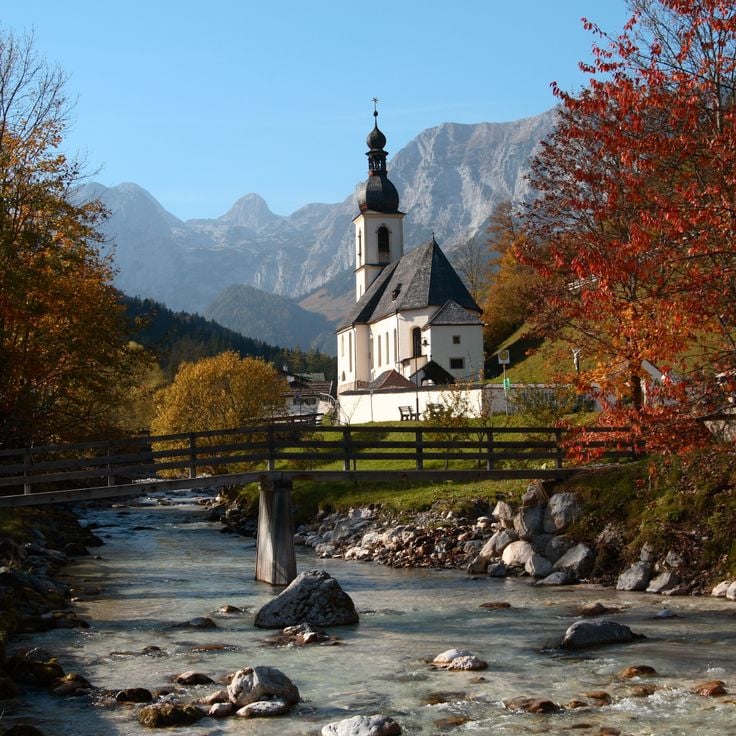
The village of Ramsau sits between Hintersee Lake and the Berchtesgaden Alps, representing Bavarian settlement traditions. The historic church dating from the 12th century anchors the village character. Its location between water and mountains makes this place a clear example of how Bavaria combines medieval architecture with natural landscapes of lakes and alpine peaks.
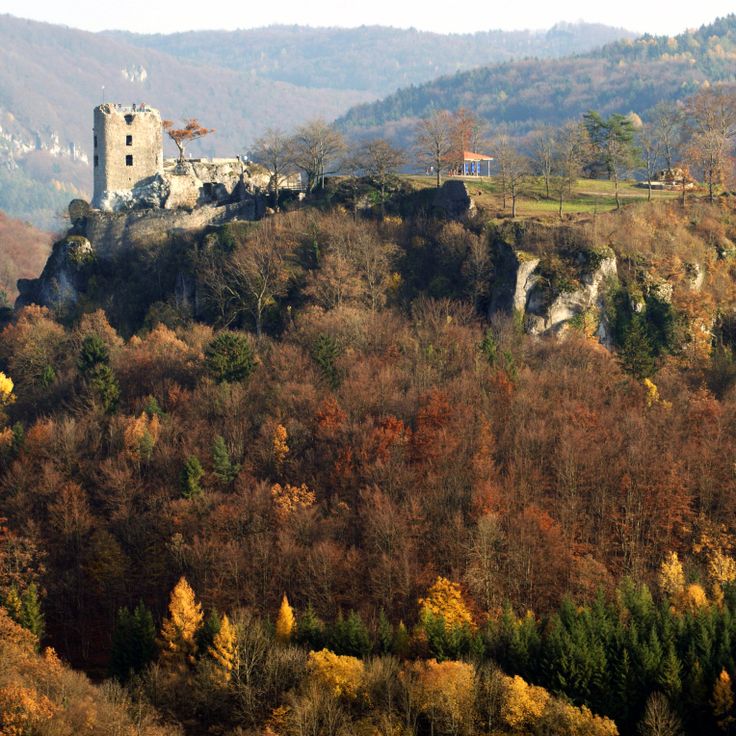
Franconian Switzerland is a natural area in Franconia that combines limestone cliffs, caves and medieval castles within Bavaria's landscape. The region offers climbing routes and marked hiking paths through valleys that guide visitors through a landscape connecting the region's history and nature.
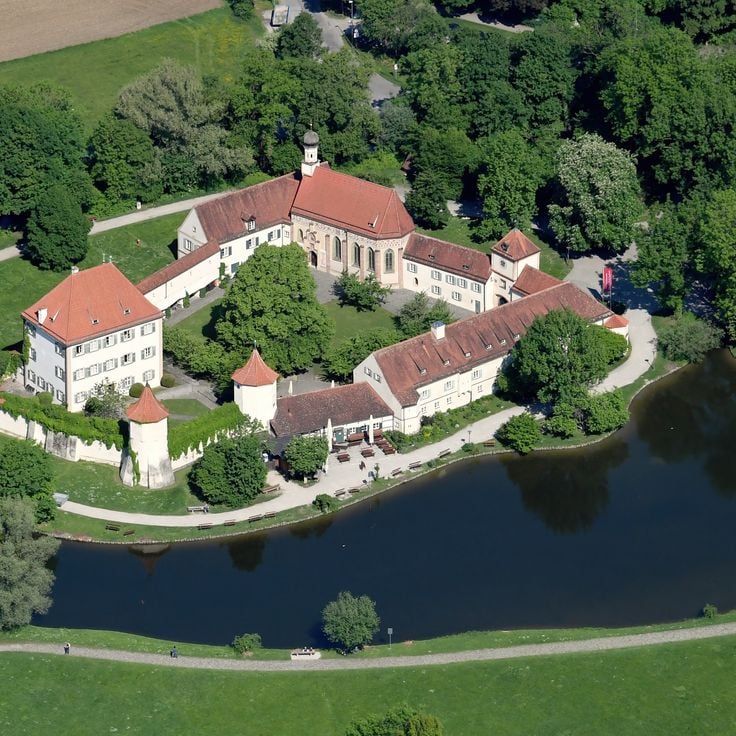
Blutenburg Castle is a 15th-century complex in Munich that exemplifies Bavaria's tradition of medieval castles and palaces set in natural surroundings. The castle houses a youth literature library, is surrounded by a water moat, and features Gothic wall paintings in its chapel. This site reflects the region's commitment to preserving medieval architecture within its landscape.
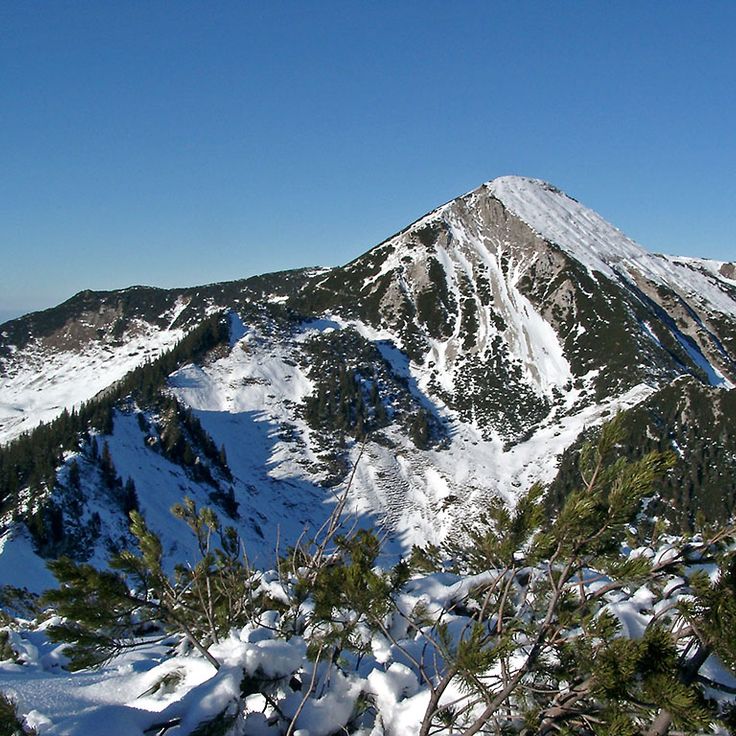
The Chiemgau Alps are a mountain chain in this Bavaria region that extends across vast distances and offers hikers marked trails through alpine landscapes. The peaks shape the region's natural character and invite exploration along historical walking routes that form part of the area's natural diversity.
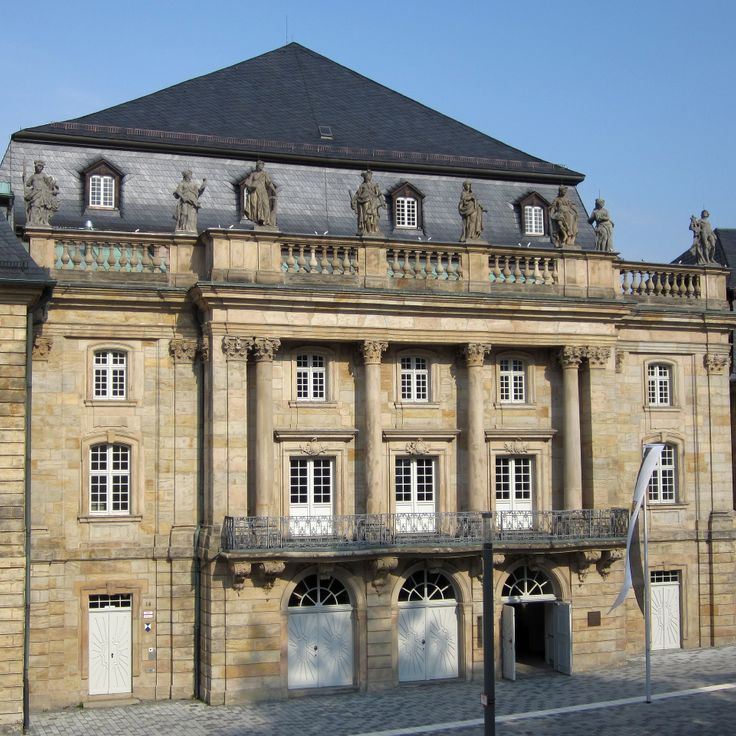
The Margravial Opera House in Bayreuth is a baroque theater built in 1748 that keeps its original stage architecture and hand-painted canvas decorations. It stands among Bavaria's historic sites that shape the region alongside medieval castles, baroque churches and natural areas. The theater has been recognized by UNESCO.
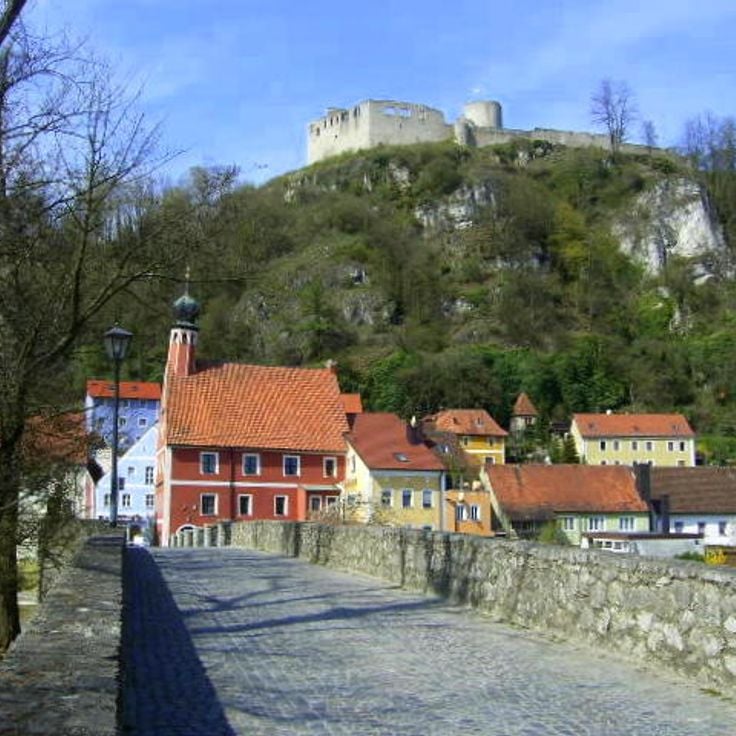
Kallmünz is a medieval town set where two rivers meet in Bavaria's landscape. The Naab and Vils rivers converge here, shaping the character of the place. The town draws visitors with its timber-framed houses, tightly clustered and evoking centuries past. High above the town stands a castle complex dating from the 10th century, visible from afar and speaking to the area's long history.
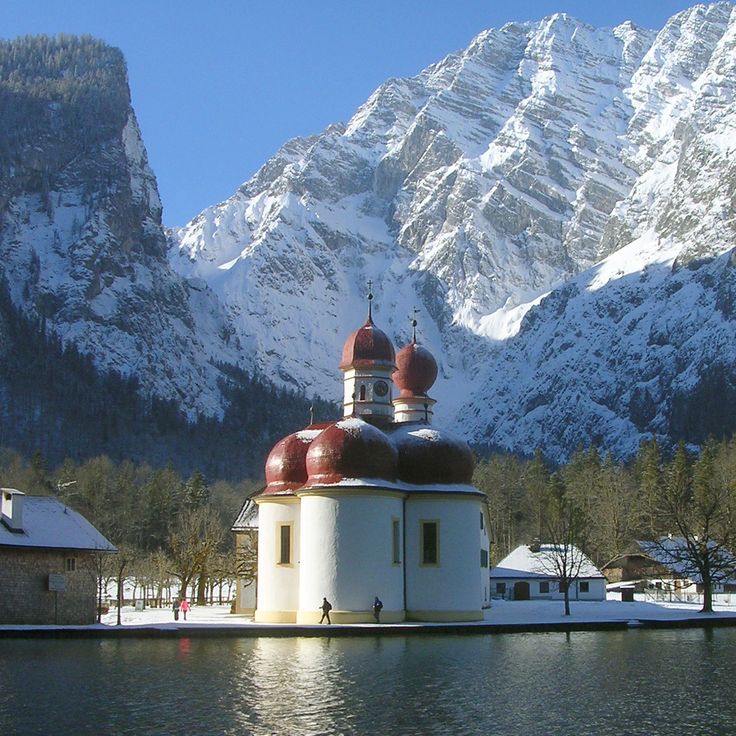
St. Bartholomew's Church is a Catholic church built in the 17th century with a distinctive red onion dome. It sits on one of Bavaria's most beautiful lakes and can only be reached by boat across Lake Königssee. The church displays the baroque architecture typical of the region and fits into the alpine landscape that defines Bavaria's historical sites.
The Deutsches Museum Flugwerft Schleissheim displays aircraft, helicopters and flying machines from different periods of aviation history on a historic airfield. It fits naturally into Bavaria's collection of places where tradition and innovation come together, much like the region's medieval castles and baroque churches.
The Karwendel is a limestone mountain chain that stretches for about 40 kilometers and defines much of Bavaria's landscape. The highest peak of this mountain range reaches 2749 meters in elevation. With its steep slopes, valleys, and alpine meadows, the Karwendel forms an important part of the region's natural environment. The mountains draw hikers and climbers and offer many paths through varying elevations.
Burghausen Castle stretches across a mountain ridge along the Salzach River and features six courtyards within its extensive walls. The fortress demonstrates medieval military architecture and served to control river crossings and protect trade routes through Bavaria. Situated in the landscape of this historic region, it shows how castles were integrated into the natural features of the Bavarian terrain.
The Walhalla Memorial is a neoclassical temple built between 1830 and 1842 that honors German personalities through its 348 plaques and 128 busts. Within Bavaria's landscape of medieval castles, baroque churches and natural areas, this riverside monument stands as a tribute to cultural figures. Visitors walking through its halls encounter the architectural style of the 19th century alongside the Danube River setting. The temple represents how the region has preserved and celebrated its historical connections through monumental architecture.
Weißensee Lake sits in the Bavarian Alps near Füssen. At 932 meters above sea level, it is Bavaria's highest lake. The water is clear and cold, surrounded by mountain forests and steep slopes. The lake fits naturally into Bavaria's landscape of alpine lakes and natural areas. Visitors come here to hike, swim, or simply enjoy the mountain views. This location complements the region's castles, baroque churches and historic sites.
Herrenchiemsee New Palace sits on Herreninsel island in Lake Chiemsee and stands as one of Bavaria's most significant monuments. King Ludwig II built this palace between 1878 and 1886, drawing inspiration from the French Palace of Versailles. The structure contains 70 rooms and displays the baroque grandeur typical of the region. This palace reflects Ludwig's passion for architecture and history, and today it represents royal ambition within Bavaria's lake landscape.
Wies Church is an 18th century Baroque structure adorned with ornate Rococo frescoes and stucco details, situated within Bavaria's rural landscape. It represents the region's tradition of combining religious architecture with natural surroundings, alongside medieval castles, baroque churches and monasteries that define Bavaria's heritage. The church demonstrates how historic buildings integrate with the Bavarian countryside.
Veste Coburg is a medieval castle that fits within Bavaria's landscape of fortified buildings set among forests and historical sites. The castle houses an art collection and historical weapons. Martin Luther spent six months here in 1530, leaving an important mark on the place's history.
Linderhof Palace stands in southern Bavaria, showcasing French Baroque architecture that connects to the region's medieval castles and baroque churches. Built between 1874 and 1878, the palace fits into Bavaria's landscape of mountains, lakes and historical hiking trails. The formal gardens of this palace shape the surroundings, set within forests and near old monasteries.
The Bamberg Old Town is a historic center with Romanesque and Gothic churches, medieval buildings, and the old town hall on the bridge. It embodies the architecture and character that define Bavaria—a place where medieval structures shape the cityscape and history is tangible at every corner.
Regensburg Old Town is part of Bavaria's collection of historic sites, where medieval architecture remains intact in the city center. The stone bridge from the 12th century spans the Danube River and stands as a testament to the region's past. Walking through these streets reveals layers of history in the buildings and their construction.
Partnach Gorge is a dramatic ravine in the Bavarian Alps where a 700-meter channel cuts through limestone cliffs. The Partnach River flows through this natural passage, creating waterfalls that cascade down the rock walls. A walking trail runs alongside the river, allowing visitors to experience the power of the water and the towering cliffs up close. This gorge connects the geological story of the region with opportunities to explore the landscape on foot.
Königssee sits between steep mountain walls in the Berchtesgaden region and represents the kind of alpine lakes that define Bavaria's landscape. The Church of Saint Bartholomew stands directly on its shore, reflected in the water. The lake shows how nature and history come together in this part of the region.
Hohenschwangau Castle is a 19th century castle built on a hilltop overlooking Alpsee lake. The castle contains wall paintings depicting German history and mythology. As part of Bavaria's historic sites and natural areas, Hohenschwangau Castle demonstrates how palaces and castles sit within forested landscapes alongside alpine mountain lakes.
This village in Bavaria performs the Passion Play every ten years since 1634. The houses display traditional religious and fairy tale murals on their facades. Oberammergau belongs to Bavaria's historic places, where medieval craftsmanship lives in the streets and the Alpine landscape surrounds the settlement.
Weltenburg Abbey is a Benedictine monastery founded in 620, representing the region's rich religious heritage. The abbey features a striking Baroque church and operates a brewery that has been producing beer since 1050, making it the oldest monastic brewery in the world. Nestled near the river in the Bavarian landscape, this site brings together spiritual history and centuries of brewing tradition.
Kuchlbauer Tower in Abensberg is a colorful addition to Bavaria's architectural landscape, where medieval castles and baroque churches define the region's character. This 34-meter tower rises from a brewery with colored tiles and a golden sphere crowning its peak, designed according to Hundertwasser principles. The building represents a modern expression within Bavaria's setting of palaces in forests, monasteries by rivers, and Alpine lakes.
The Berchtesgaden Salt Mines represent one of Europe's oldest salt-mining operations and fit naturally into Bavaria's landscape of medieval castles, baroque churches and natural areas. This 500-year-old mine features underground salt lakes and wooden slides that take visitors deep into the mountain. A mining train carries you into this underground world, where you can see how salt was extracted and learn about the miners who worked here for centuries.
Rose Island is located in Lake Starnberg and represents one of Bavaria's historic sites. The island features a rose garden with many varieties and a 19th-century royal casino building. Visitors can explore the architecture from the royal period and walk through the gardens. The island connects Bavarian history with the natural setting of the lake.
The Franconian Trail is a hiking route that connects the diverse landscapes of Franconia. The path passes through forests, vineyards and medieval villages, showing different parts of this region. Hikers follow this trail past historical sites and through the natural scenery that defines Bavaria.
Mittenwald is a town in the Bavarian Alps that has been a center for violin making since the 17th century. The craft of building musical instruments runs deep here and is documented in a museum dedicated to this tradition. The town connects this handmade heritage with its position in Bavaria's mountain landscape.
Zugspitze is Germany's highest mountain, standing at 2962 meters in the Bavarian Alps. The summit features multiple viewing platforms where visitors can look out across the surrounding peaks and valleys. A research station operates at the top, studying the mountain environment. The peak is accessible by hiking trails and a cog railway, making it an important destination for experiencing the dramatic landscapes that characterize Bavaria's mountain region.
Freising Cathedral is a 12th-century Romanesque basilica that fits naturally into Bavaria's landscape of medieval castles, baroque churches and historical sites. This cathedral holds significant artworks and offers views across the city. It represents the architectural tradition that defines Bavaria, where old monasteries sit beside rivers and castles stand in forests.
Schachenhaus is a mountain house in the Garmisch-Partenkirchen area that connects Bavaria's history with its natural setting. The building sits at 1866 meters elevation and contains a Turkish Hall with detailed decorations. Around the house spreads an Alpine garden with many different plant species adapted to high-altitude conditions. The site shows how the Bavarian Alps attracted people who created retreats in these remote locations.
Alpsee sits in Schwangau as part of Bavaria's diverse landscape where medieval castles, baroque churches and natural areas coexist. This lake rests at 800 meters altitude between mountains, offering a quiet refuge away from the region's urban centers. A 5-kilometer hiking trail circles the water, connecting this spot to the historical routes that crisscross the Bavarian countryside.
The Baumwipfelpfad Steigerwald is a wooden pathway that takes visitors through the forest canopy. This 1150-meter walkway winds above the ground and leads to an observation platform at 42 meters high. From this vantage point, you can see the surrounding woodland of the Steigerwald region from an unusual angle and experience the forest environment in a new way.
Pfaffenwinkel sits between the Lech and Ammer rivers and forms a cultural district that represents the Bavarian heritage. This region holds Rococo churches, monasteries and farmhouses scattered across rolling hills. The area fits within Bavaria's broader character, which combines medieval castles, baroque churches and natural spaces. Visitors encounter palaces set in forests, old monasteries alongside rivers and mountain lakes in the Alpine landscape.
Tegernsee is a mountain lake in Upper Bavaria that shapes the region with its water sports in summer months and its ice surface in winter. Along the shore stand a former monastery and traditional beer gardens that define the lake's character. The lake connects the alpine landscape with Bavaria's cultural history, showing how water and historical sites form daily life in this region.
Nymphenburg Palace is a 17th century residence in Munich that exemplifies Bavaria's baroque architecture. The palace contains rooms with original furnishings, a porcelain collection and symmetrical gardens featuring water features. Built for the Bavarian rulers, this palace demonstrates the region's tradition of combining grand architecture with natural landscapes.
The Erding Thermal Spa fits within Bavaria's tradition of combining natural resources with recreation spaces. This water facility features mineral-rich pools heated to different temperatures, multiple sauna areas, and water slides for visitors. The large complex welcomes people seeking relaxation in warm waters or those interested in spending time in the sauna rooms. It draws visitors from the region and beyond who come to experience the thermal waters.
The Asam Church is a private Baroque church in Munich that exemplifies the religious architecture found throughout Bavaria. Built in 1746, it features ceiling and wall frescoes along with gold ornaments and complete interior decorations that reflect the craftsmanship typical of the region's churches. Walking through its interior reveals the detail and artistry that defined Baroque design in Bavaria.
Eibsee is a mountain lake in the Bavarian Alps that fits into this region's landscape of lakes, mountains and historical hiking trails. With eight islands and water depths reaching 32 meters at an elevation of 973 meters, this lake offers a direct connection to alpine nature. The clear waters and surrounding peaks create a place where visitors experience the mountains in their true form.
Ottobeuren Abbey is a Benedictine monastery founded in 764 that exemplifies Bavaria's monastic heritage. The abbey features a three-nave basilica, historical musical instruments and a collection of religious artworks. Its presence connects to the region's tradition of monasteries established near rivers and in forests, preserving centuries of spiritual and cultural life.
This monument from 1863 stands in Kelheim as part of Bavaria's rich historical landscape. The circular structure has a diameter of 45 meters and houses 34 marble statues of victory goddesses inside. It represents the region's tradition of grand historical buildings that complement the medieval castles, baroque churches, and old monasteries scattered throughout Bavaria.
The village of Ramsau sits between Hintersee Lake and the Berchtesgaden Alps, representing Bavarian settlement traditions. The historic church dating from the 12th century anchors the village character. Its location between water and mountains makes this place a clear example of how Bavaria combines medieval architecture with natural landscapes of lakes and alpine peaks.
Franconian Switzerland is a natural area in Franconia that combines limestone cliffs, caves and medieval castles within Bavaria's landscape. The region offers climbing routes and marked hiking paths through valleys that guide visitors through a landscape connecting the region's history and nature.
Blutenburg Castle is a 15th-century complex in Munich that exemplifies Bavaria's tradition of medieval castles and palaces set in natural surroundings. The castle houses a youth literature library, is surrounded by a water moat, and features Gothic wall paintings in its chapel. This site reflects the region's commitment to preserving medieval architecture within its landscape.
The Chiemgau Alps are a mountain chain in this Bavaria region that extends across vast distances and offers hikers marked trails through alpine landscapes. The peaks shape the region's natural character and invite exploration along historical walking routes that form part of the area's natural diversity.
The Margravial Opera House in Bayreuth is a baroque theater built in 1748 that keeps its original stage architecture and hand-painted canvas decorations. It stands among Bavaria's historic sites that shape the region alongside medieval castles, baroque churches and natural areas. The theater has been recognized by UNESCO.
Kallmünz is a medieval town set where two rivers meet in Bavaria's landscape. The Naab and Vils rivers converge here, shaping the character of the place. The town draws visitors with its timber-framed houses, tightly clustered and evoking centuries past. High above the town stands a castle complex dating from the 10th century, visible from afar and speaking to the area's long history.
St. Bartholomew's Church is a Catholic church built in the 17th century with a distinctive red onion dome. It sits on one of Bavaria's most beautiful lakes and can only be reached by boat across Lake Königssee. The church displays the baroque architecture typical of the region and fits into the alpine landscape that defines Bavaria's historical sites.
The Deutsches Museum Flugwerft Schleissheim displays aircraft, helicopters and flying machines from different periods of aviation history on a historic airfield. It fits naturally into Bavaria's collection of places where tradition and innovation come together, much like the region's medieval castles and baroque churches.
The Karwendel is a limestone mountain chain that stretches for about 40 kilometers and defines much of Bavaria's landscape. The highest peak of this mountain range reaches 2749 meters in elevation. With its steep slopes, valleys, and alpine meadows, the Karwendel forms an important part of the region's natural environment. The mountains draw hikers and climbers and offer many paths through varying elevations.
Burghausen Castle stretches across a mountain ridge along the Salzach River and features six courtyards within its extensive walls. The fortress demonstrates medieval military architecture and served to control river crossings and protect trade routes through Bavaria. Situated in the landscape of this historic region, it shows how castles were integrated into the natural features of the Bavarian terrain.
The Walhalla Memorial is a neoclassical temple built between 1830 and 1842 that honors German personalities through its 348 plaques and 128 busts. Within Bavaria's landscape of medieval castles, baroque churches and natural areas, this riverside monument stands as a tribute to cultural figures. Visitors walking through its halls encounter the architectural style of the 19th century alongside the Danube River setting. The temple represents how the region has preserved and celebrated its historical connections through monumental architecture.
Weißensee Lake sits in the Bavarian Alps near Füssen. At 932 meters above sea level, it is Bavaria's highest lake. The water is clear and cold, surrounded by mountain forests and steep slopes. The lake fits naturally into Bavaria's landscape of alpine lakes and natural areas. Visitors come here to hike, swim, or simply enjoy the mountain views. This location complements the region's castles, baroque churches and historic sites.
Herrenchiemsee New Palace sits on Herreninsel island in Lake Chiemsee and stands as one of Bavaria's most significant monuments. King Ludwig II built this palace between 1878 and 1886, drawing inspiration from the French Palace of Versailles. The structure contains 70 rooms and displays the baroque grandeur typical of the region. This palace reflects Ludwig's passion for architecture and history, and today it represents royal ambition within Bavaria's lake landscape.
Wies Church is an 18th century Baroque structure adorned with ornate Rococo frescoes and stucco details, situated within Bavaria's rural landscape. It represents the region's tradition of combining religious architecture with natural surroundings, alongside medieval castles, baroque churches and monasteries that define Bavaria's heritage. The church demonstrates how historic buildings integrate with the Bavarian countryside.
Veste Coburg is a medieval castle that fits within Bavaria's landscape of fortified buildings set among forests and historical sites. The castle houses an art collection and historical weapons. Martin Luther spent six months here in 1530, leaving an important mark on the place's history.
Linderhof Palace stands in southern Bavaria, showcasing French Baroque architecture that connects to the region's medieval castles and baroque churches. Built between 1874 and 1878, the palace fits into Bavaria's landscape of mountains, lakes and historical hiking trails. The formal gardens of this palace shape the surroundings, set within forests and near old monasteries.
The Bamberg Old Town is a historic center with Romanesque and Gothic churches, medieval buildings, and the old town hall on the bridge. It embodies the architecture and character that define Bavaria—a place where medieval structures shape the cityscape and history is tangible at every corner.
Regensburg Old Town is part of Bavaria's collection of historic sites, where medieval architecture remains intact in the city center. The stone bridge from the 12th century spans the Danube River and stands as a testament to the region's past. Walking through these streets reveals layers of history in the buildings and their construction.
Partnach Gorge is a dramatic ravine in the Bavarian Alps where a 700-meter channel cuts through limestone cliffs. The Partnach River flows through this natural passage, creating waterfalls that cascade down the rock walls. A walking trail runs alongside the river, allowing visitors to experience the power of the water and the towering cliffs up close. This gorge connects the geological story of the region with opportunities to explore the landscape on foot.
Königssee sits between steep mountain walls in the Berchtesgaden region and represents the kind of alpine lakes that define Bavaria's landscape. The Church of Saint Bartholomew stands directly on its shore, reflected in the water. The lake shows how nature and history come together in this part of the region.
Hohenschwangau Castle is a 19th century castle built on a hilltop overlooking Alpsee lake. The castle contains wall paintings depicting German history and mythology. As part of Bavaria's historic sites and natural areas, Hohenschwangau Castle demonstrates how palaces and castles sit within forested landscapes alongside alpine mountain lakes.
This village in Bavaria performs the Passion Play every ten years since 1634. The houses display traditional religious and fairy tale murals on their facades. Oberammergau belongs to Bavaria's historic places, where medieval craftsmanship lives in the streets and the Alpine landscape surrounds the settlement.
Weltenburg Abbey is a Benedictine monastery founded in 620, representing the region's rich religious heritage. The abbey features a striking Baroque church and operates a brewery that has been producing beer since 1050, making it the oldest monastic brewery in the world. Nestled near the river in the Bavarian landscape, this site brings together spiritual history and centuries of brewing tradition.
Kuchlbauer Tower in Abensberg is a colorful addition to Bavaria's architectural landscape, where medieval castles and baroque churches define the region's character. This 34-meter tower rises from a brewery with colored tiles and a golden sphere crowning its peak, designed according to Hundertwasser principles. The building represents a modern expression within Bavaria's setting of palaces in forests, monasteries by rivers, and Alpine lakes.
The Berchtesgaden Salt Mines represent one of Europe's oldest salt-mining operations and fit naturally into Bavaria's landscape of medieval castles, baroque churches and natural areas. This 500-year-old mine features underground salt lakes and wooden slides that take visitors deep into the mountain. A mining train carries you into this underground world, where you can see how salt was extracted and learn about the miners who worked here for centuries.
Rose Island is located in Lake Starnberg and represents one of Bavaria's historic sites. The island features a rose garden with many varieties and a 19th-century royal casino building. Visitors can explore the architecture from the royal period and walk through the gardens. The island connects Bavarian history with the natural setting of the lake.
The Franconian Trail is a hiking route that connects the diverse landscapes of Franconia. The path passes through forests, vineyards and medieval villages, showing different parts of this region. Hikers follow this trail past historical sites and through the natural scenery that defines Bavaria.
Mittenwald is a town in the Bavarian Alps that has been a center for violin making since the 17th century. The craft of building musical instruments runs deep here and is documented in a museum dedicated to this tradition. The town connects this handmade heritage with its position in Bavaria's mountain landscape.
Zugspitze is Germany's highest mountain, standing at 2962 meters in the Bavarian Alps. The summit features multiple viewing platforms where visitors can look out across the surrounding peaks and valleys. A research station operates at the top, studying the mountain environment. The peak is accessible by hiking trails and a cog railway, making it an important destination for experiencing the dramatic landscapes that characterize Bavaria's mountain region.
Freising Cathedral is a 12th-century Romanesque basilica that fits naturally into Bavaria's landscape of medieval castles, baroque churches and historical sites. This cathedral holds significant artworks and offers views across the city. It represents the architectural tradition that defines Bavaria, where old monasteries sit beside rivers and castles stand in forests.
Schachenhaus is a mountain house in the Garmisch-Partenkirchen area that connects Bavaria's history with its natural setting. The building sits at 1866 meters elevation and contains a Turkish Hall with detailed decorations. Around the house spreads an Alpine garden with many different plant species adapted to high-altitude conditions. The site shows how the Bavarian Alps attracted people who created retreats in these remote locations.
Alpsee sits in Schwangau as part of Bavaria's diverse landscape where medieval castles, baroque churches and natural areas coexist. This lake rests at 800 meters altitude between mountains, offering a quiet refuge away from the region's urban centers. A 5-kilometer hiking trail circles the water, connecting this spot to the historical routes that crisscross the Bavarian countryside.
The Baumwipfelpfad Steigerwald is a wooden pathway that takes visitors through the forest canopy. This 1150-meter walkway winds above the ground and leads to an observation platform at 42 meters high. From this vantage point, you can see the surrounding woodland of the Steigerwald region from an unusual angle and experience the forest environment in a new way.
Pfaffenwinkel sits between the Lech and Ammer rivers and forms a cultural district that represents the Bavarian heritage. This region holds Rococo churches, monasteries and farmhouses scattered across rolling hills. The area fits within Bavaria's broader character, which combines medieval castles, baroque churches and natural spaces. Visitors encounter palaces set in forests, old monasteries alongside rivers and mountain lakes in the Alpine landscape.
Tegernsee is a mountain lake in Upper Bavaria that shapes the region with its water sports in summer months and its ice surface in winter. Along the shore stand a former monastery and traditional beer gardens that define the lake's character. The lake connects the alpine landscape with Bavaria's cultural history, showing how water and historical sites form daily life in this region.
Nymphenburg Palace is a 17th century residence in Munich that exemplifies Bavaria's baroque architecture. The palace contains rooms with original furnishings, a porcelain collection and symmetrical gardens featuring water features. Built for the Bavarian rulers, this palace demonstrates the region's tradition of combining grand architecture with natural landscapes.
The Erding Thermal Spa fits within Bavaria's tradition of combining natural resources with recreation spaces. This water facility features mineral-rich pools heated to different temperatures, multiple sauna areas, and water slides for visitors. The large complex welcomes people seeking relaxation in warm waters or those interested in spending time in the sauna rooms. It draws visitors from the region and beyond who come to experience the thermal waters.
The Asam Church is a private Baroque church in Munich that exemplifies the religious architecture found throughout Bavaria. Built in 1746, it features ceiling and wall frescoes along with gold ornaments and complete interior decorations that reflect the craftsmanship typical of the region's churches. Walking through its interior reveals the detail and artistry that defined Baroque design in Bavaria.
Eibsee is a mountain lake in the Bavarian Alps that fits into this region's landscape of lakes, mountains and historical hiking trails. With eight islands and water depths reaching 32 meters at an elevation of 973 meters, this lake offers a direct connection to alpine nature. The clear waters and surrounding peaks create a place where visitors experience the mountains in their true form.
Ottobeuren Abbey is a Benedictine monastery founded in 764 that exemplifies Bavaria's monastic heritage. The abbey features a three-nave basilica, historical musical instruments and a collection of religious artworks. Its presence connects to the region's tradition of monasteries established near rivers and in forests, preserving centuries of spiritual and cultural life.
This monument from 1863 stands in Kelheim as part of Bavaria's rich historical landscape. The circular structure has a diameter of 45 meters and houses 34 marble statues of victory goddesses inside. It represents the region's tradition of grand historical buildings that complement the medieval castles, baroque churches, and old monasteries scattered throughout Bavaria.
The village of Ramsau sits between Hintersee Lake and the Berchtesgaden Alps, representing Bavarian settlement traditions. The historic church dating from the 12th century anchors the village character. Its location between water and mountains makes this place a clear example of how Bavaria combines medieval architecture with natural landscapes of lakes and alpine peaks.
Franconian Switzerland is a natural area in Franconia that combines limestone cliffs, caves and medieval castles within Bavaria's landscape. The region offers climbing routes and marked hiking paths through valleys that guide visitors through a landscape connecting the region's history and nature.
Blutenburg Castle is a 15th-century complex in Munich that exemplifies Bavaria's tradition of medieval castles and palaces set in natural surroundings. The castle houses a youth literature library, is surrounded by a water moat, and features Gothic wall paintings in its chapel. This site reflects the region's commitment to preserving medieval architecture within its landscape.
The Chiemgau Alps are a mountain chain in this Bavaria region that extends across vast distances and offers hikers marked trails through alpine landscapes. The peaks shape the region's natural character and invite exploration along historical walking routes that form part of the area's natural diversity.
The Margravial Opera House in Bayreuth is a baroque theater built in 1748 that keeps its original stage architecture and hand-painted canvas decorations. It stands among Bavaria's historic sites that shape the region alongside medieval castles, baroque churches and natural areas. The theater has been recognized by UNESCO.
Kallmünz is a medieval town set where two rivers meet in Bavaria's landscape. The Naab and Vils rivers converge here, shaping the character of the place. The town draws visitors with its timber-framed houses, tightly clustered and evoking centuries past. High above the town stands a castle complex dating from the 10th century, visible from afar and speaking to the area's long history.
St. Bartholomew's Church is a Catholic church built in the 17th century with a distinctive red onion dome. It sits on one of Bavaria's most beautiful lakes and can only be reached by boat across Lake Königssee. The church displays the baroque architecture typical of the region and fits into the alpine landscape that defines Bavaria's historical sites.
The Deutsches Museum Flugwerft Schleissheim displays aircraft, helicopters and flying machines from different periods of aviation history on a historic airfield. It fits naturally into Bavaria's collection of places where tradition and innovation come together, much like the region's medieval castles and baroque churches.
The Karwendel is a limestone mountain chain that stretches for about 40 kilometers and defines much of Bavaria's landscape. The highest peak of this mountain range reaches 2749 meters in elevation. With its steep slopes, valleys, and alpine meadows, the Karwendel forms an important part of the region's natural environment. The mountains draw hikers and climbers and offer many paths through varying elevations.