See the monuments around you in AROpen chests in the app
Around Us is built for your phone — point your camera at the streets and discover the monuments and places around you in augmented reality.Around Us is built for your phone — chests unlock when you walk, explore and capture nearby places.
Historic opera halls: architecture, history and musical heritage
The large opera halls of the nineteenth century tell the story of classical music through their walls. Built in the most important cities in the world, these buildings show many styles: some have simple neoclassical shapes, others have the decoration of neo-baroque, and a few embrace modern elements. Each hall shows how people thought about sound and performance at its time. From the Teatro San Carlo in Naples with its six tiers of boxes and ceiling paintings to the Paris Opera with its big marble staircase, these theaters form a special collection of architecture.
From New York to Moscow, from Vienna to Milan, these halls are still alive places. The Scala in Milan has kept its horseshoe shape since the early days of the nineteenth century. The Metropolitan Opera in New York has a modern look with five layers of balconies. The Bolshoi in Moscow, recently fixed up, still impresses with its Greek-style columns and its bronze chariot.
In Vienna, the State Opera reopened after the Second World War, in 1955. In London, Buenos Aires, Amsterdam, and Venice, these theaters still play an important part in music life, welcoming the same passions as before.
You can walk through these buildings, climb their stairs, sit under their decorated ceilings, and see how each room has its own special feel. Some rooms feel warm because of their golds and velvets. Others seem very clean and simple. Every hall has its own sound, its own shape, and its story carved in stone.
Historic opera halls: architecture, history and musical heritage
The large opera halls of the nineteenth century tell the story of classical music through their walls. Built in the most important cities in the world, these buildings show many styles: some have simple neoclassical shapes, others have the decoration of neo-baroque, and a few embrace modern elements. Each hall shows how people thought about sound and performance at its time. From the Teatro San Carlo in Naples with its six tiers of boxes and ceiling paintings to the Paris Opera with its big marble staircase, these theaters form a special collection of architecture.
From New York to Moscow, from Vienna to Milan, these halls are still alive places. The Scala in Milan has kept its horseshoe shape since the early days of the nineteenth century. The Metropolitan Opera in New York has a modern look with five layers of balconies. The Bolshoi in Moscow, recently fixed up, still impresses with its Greek-style columns and its bronze chariot.
In Vienna, the State Opera reopened after the Second World War, in 1955. In London, Buenos Aires, Amsterdam, and Venice, these theaters still play an important part in music life, welcoming the same passions as before.
You can walk through these buildings, climb their stairs, sit under their decorated ceilings, and see how each room has its own special feel. Some rooms feel warm because of their golds and velvets. Others seem very clean and simple. Every hall has its own sound, its own shape, and its story carved in stone.
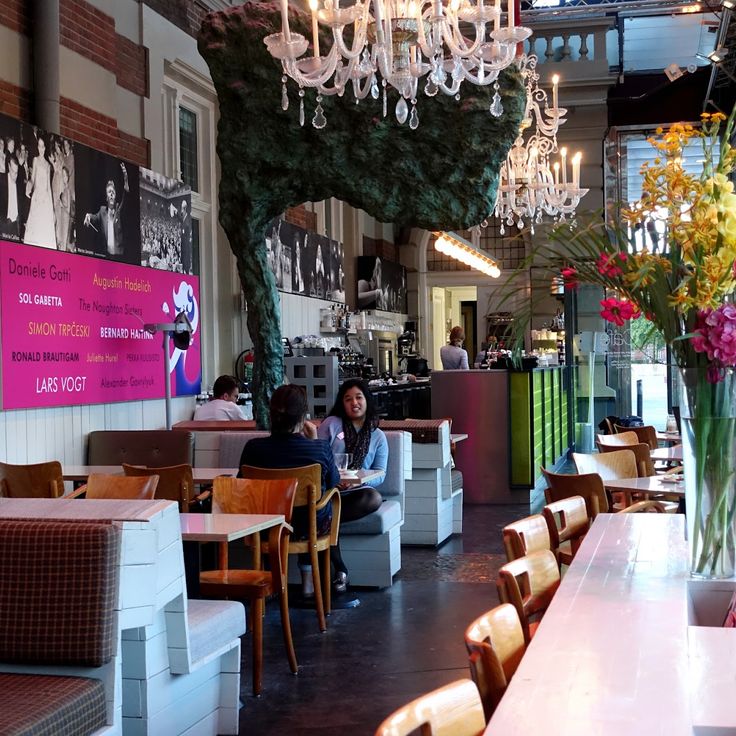
The Concertgebouw in Amsterdam is a concert hall built in 1888 with a rectangular layout, known for its exceptional acoustic properties. This hall holds around 2000 listeners and ranks among Europe's most important concert venues. The interior space was designed so sound flows naturally through the room. The building displays the simple, functional architecture of the late 19th century. Visitors experience acoustics that make every note sound clear and warm. The hall remains an essential place for classical music and orchestras today.
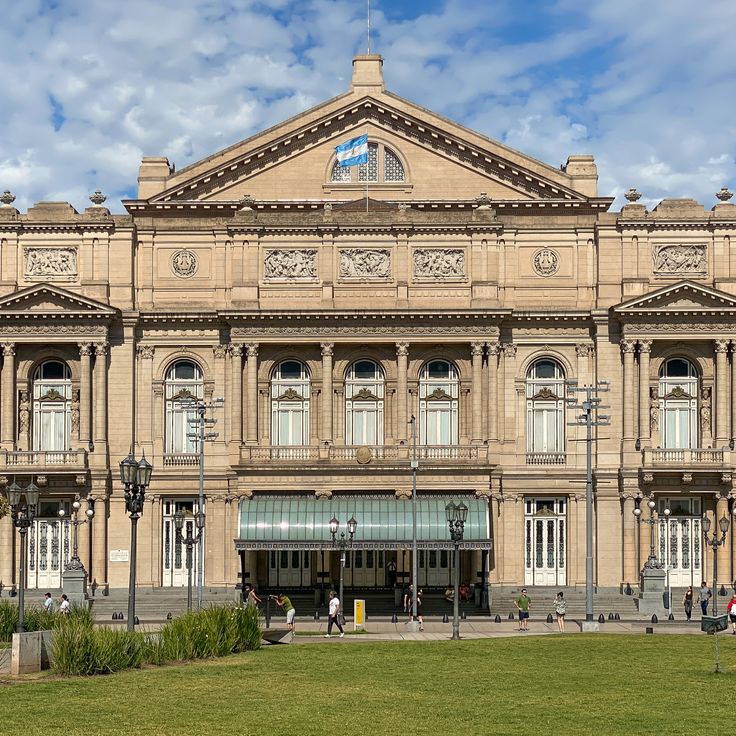
The Teatro Colón belongs to the great opera houses of the 19th century, displaying Nebaroque features from its construction around 1908. The building features seven levels with seating for approximately 2500 guests and embodies the architectural grandeur that reflects Buenos Aires as a major cultural center. Inside, visitors can climb the staircases, sit beneath ornate ceilings, and experience how this hall has developed its own character through history and craftsmanship.
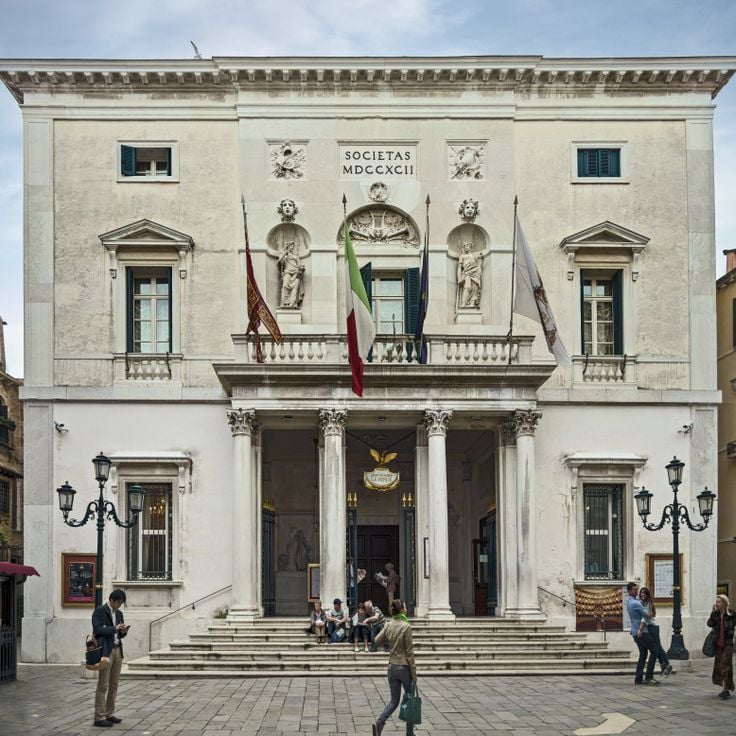
La Fenice in Venice is a neoclassical opera house built in 1792 and reconstructed after a devastating fire in 1996. With a main hall seating about 1000 people, this theater represents Venice's deep connection to music and beauty. The name means Phoenix, reflecting the theater's ability to rise again from destruction. Inside, you will find ornate boxes arranged across multiple levels and acoustics designed specifically for opera performances. La Fenice is not simply a venue for music, but also a testament to Venice's history and the ongoing artistic life of this unique lagoon city.
The Metropolitan Opera is a modern opera house built in 1966 at Lincoln Center. With 3,800 seats and five tiers of balconies, it represents a contemporary approach to opera theater design. The hall shows how people in the mid-20th century thought about acoustics and audience experience. The interior features red velvet and illuminated chandeliers that create an elegant setting. Here you can see how modern architecture and traditional opera culture come together.
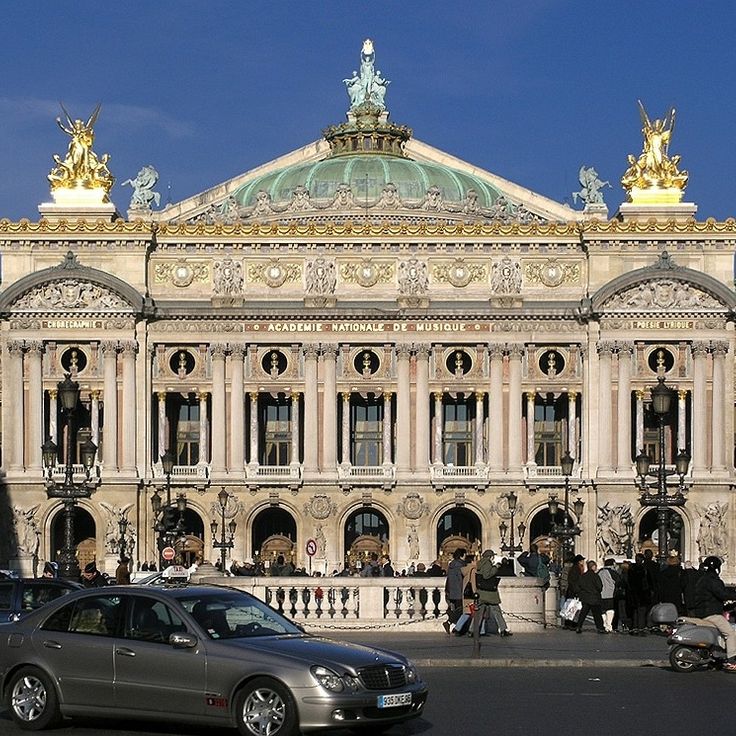
The Opéra Garnier in Paris is a 19th-century opera house embodying Second Empire style. The building stands out for its grand marble staircase and striking dome painted with colorful frescoes by Marc Chagall in 1964. Inside, richly decorated rooms feature gilded details and velvet fabrics. The facade displays the ornamental characteristics of this era, while the architecture and acoustics reflect how opera theaters were conceived in the 19th century. Visitors can walk through elegant corridors and sit beneath artistic ceilings to experience how this hall developed its distinctive character.
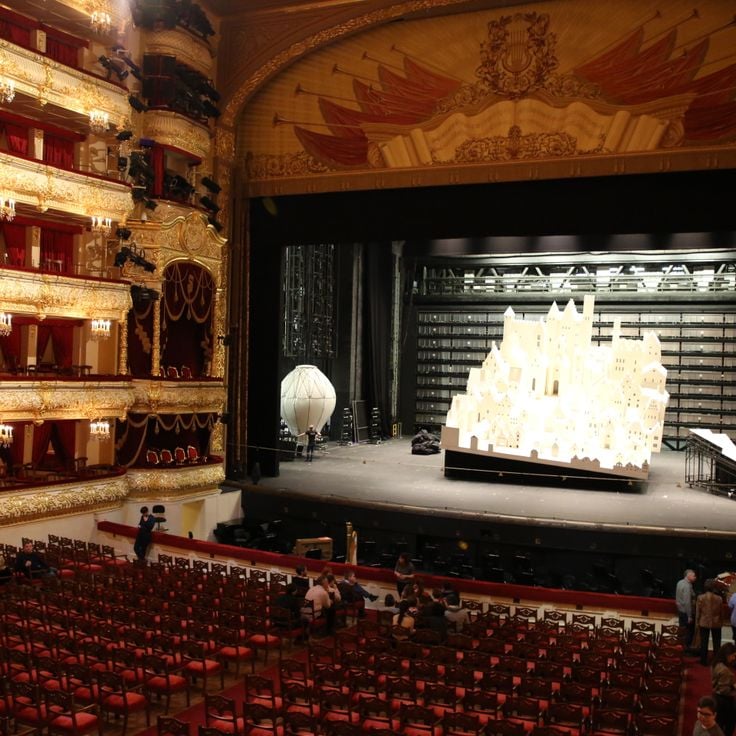
The Bolshoi Theater in Moscow is one of the world's greatest opera houses. Its main hall seats about 2500 people and underwent major renovation in 2011. The facade is defined by Corinthian columns that give the building classical dignity. A bronze quadriga crowns the roof, making the theater recognizable from afar. Inside, Russian opera and ballet unfold in their full grandeur. This is a place where artists have performed for generations and where audiences come to experience music and dance at the highest level. Walking through its halls, you feel the weight of Russian cultural tradition.
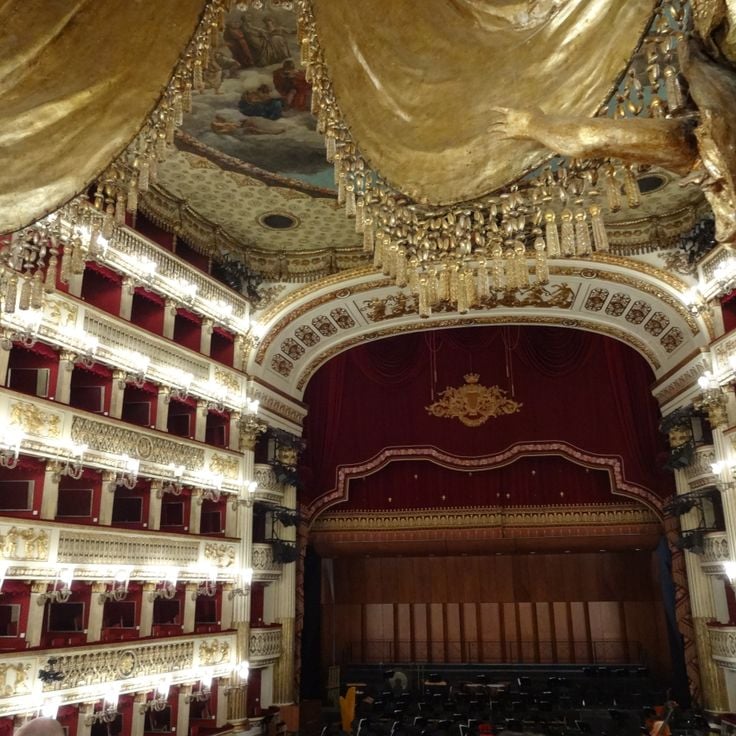
The Teatro San Carlo in Naples is Italy's oldest opera theater. Its hall takes a horseshoe shape with six tiers of boxes stacked one above another. Frescoes decorate the ceiling, adding ornamental detail to the interior. This theater embodies 18th-century opera architecture and served as a model for many other European opera houses. Visitors experience a space that reflects how music and theater design were understood in that era.
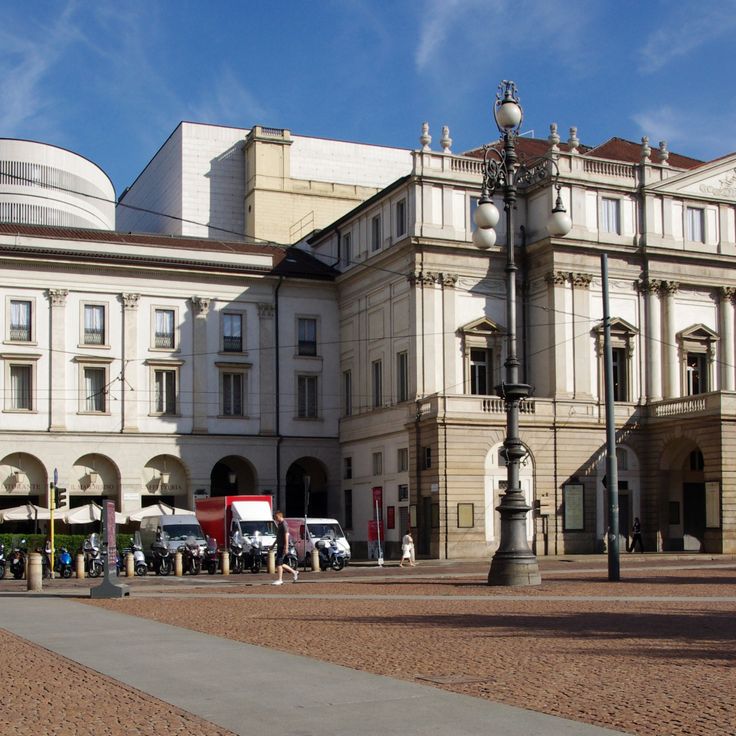
La Scala is one of Europe's most important opera houses, located in Milan. The building was constructed after a fire in 1776 on the site of the church of Santa Maria della Scala. The auditorium follows a characteristic horseshoe shape and accommodates about 2000 spectators. Six levels of boxes provide different vantage points for viewing the stage. The elegant interior with its ornamentation and classical details shapes the experience of every opera visitor. La Scala has welcomed artists and audiences from around the world since its opening in 1778.
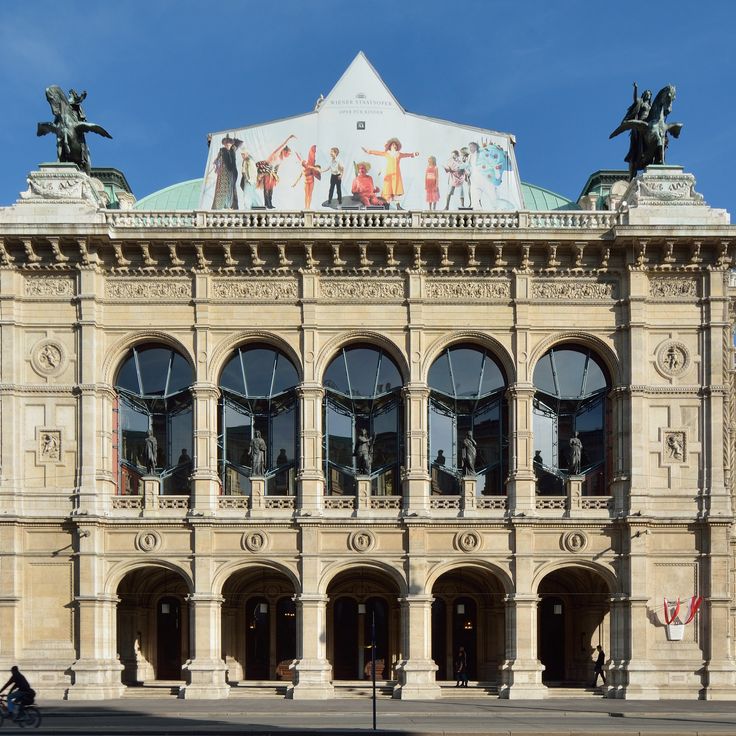
The Vienna State Opera is an opera house that shapes Vienna's musical life. Built in the 19th century, this building was reconstructed after World War II bombing and reopened in 1955 with Beethoven's Fidelio. The opera holds 1709 seats in a hall that honors classical traditions. Its architecture blends Renaissance elements with refined details. Walking through its spaces, you sense how deeply this house connects to Vienna's cultural identity and continues to welcome the same passions as it did a century ago.
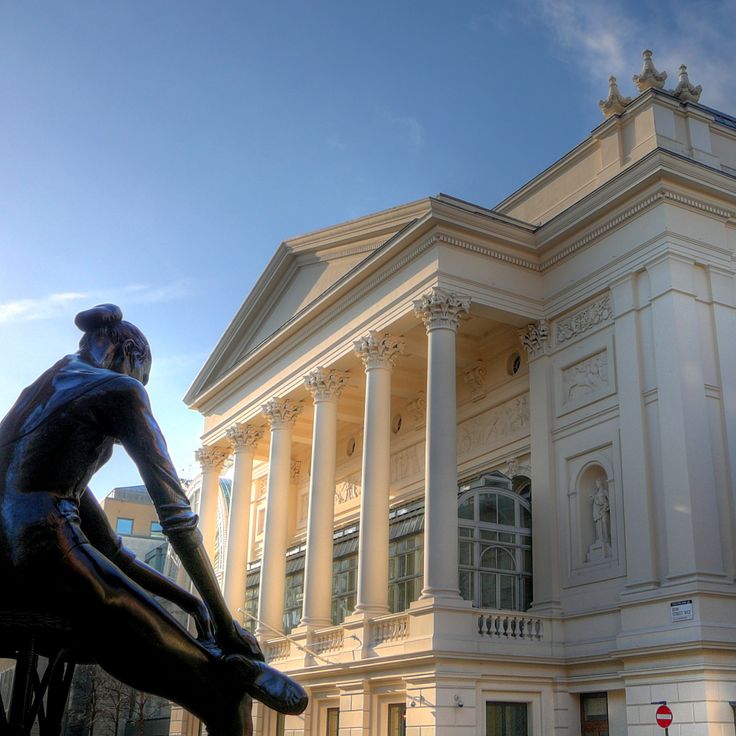
The Royal Opera House in London is Britain's leading opera theatre, built in 1858. Its facade features Corinthian columns and large arched windows. This building embodies the European opera tradition of the 19th century and remains a living centre for musical theatre. Visitors enter a space that reflects decades of performances and artistic passion. The architecture tells of an era when opera houses were conceived as palaces for music. Like other great halls of its time, the Royal Opera House offers its own experience: a blend of craftsmanship and acoustic design that brings the singers' voices and orchestral sound to life.
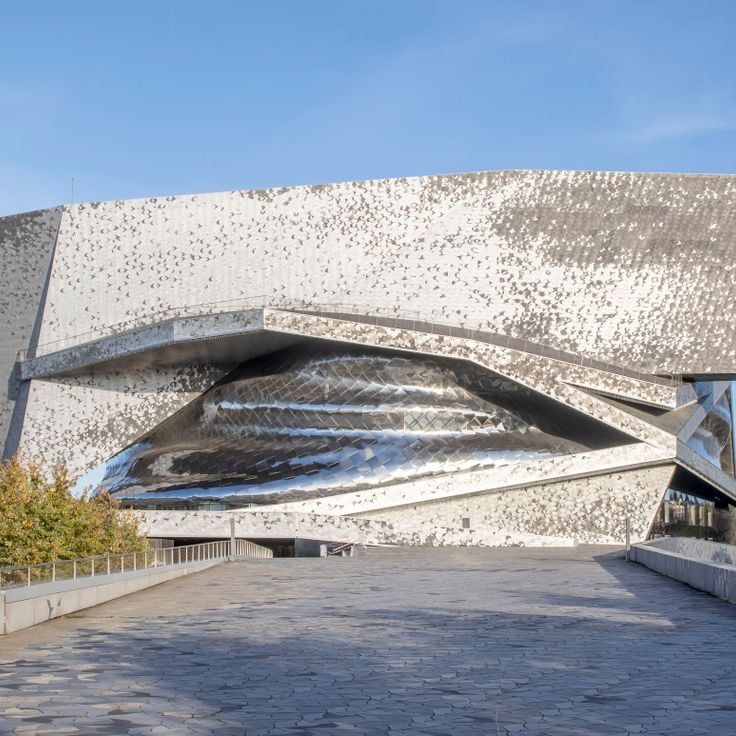
The Philharmonie de Paris is a modern concert hall that opened in 2015, defined by its aluminum structure and interwoven geometric forms. With 2400 seats, this hall represents a contemporary take on opera house design and connects to the history of great European music venues. Its design moves away from the classical ornamentations of earlier eras, yet continues the tradition of serving as a space for artistic performances.
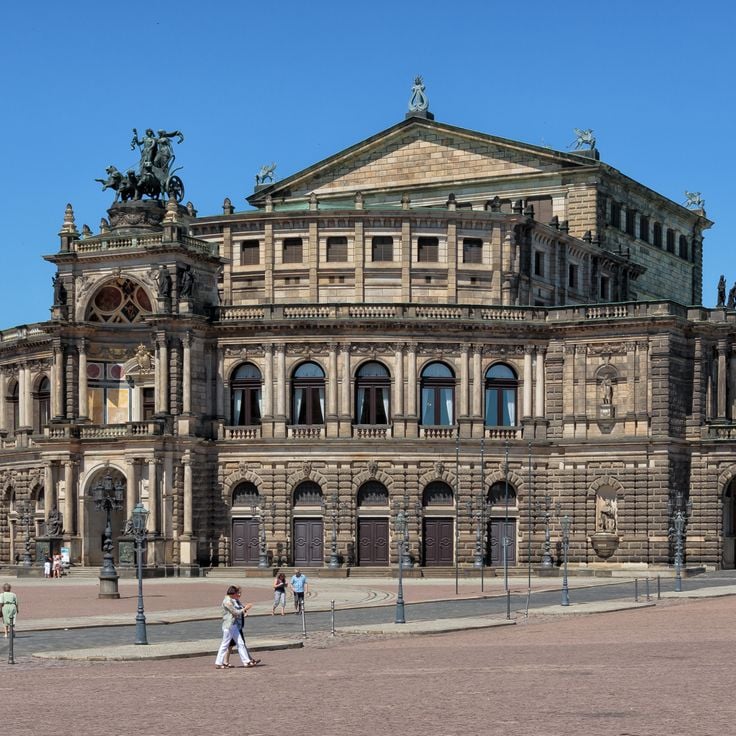
The Semperoper in Dresden is an opera house shaped by a rich past. Built in 1838, the building displays an ornately decorated facade adorned with statues. After World War II, it was rebuilt and has recovered its original beauty. Inside, visitors find decorations of paintings and gilded surfaces. The Semperoper stands among the important opera houses of the 19th century and continues to serve as a living venue for musical performances, where history and contemporary music culture meet.
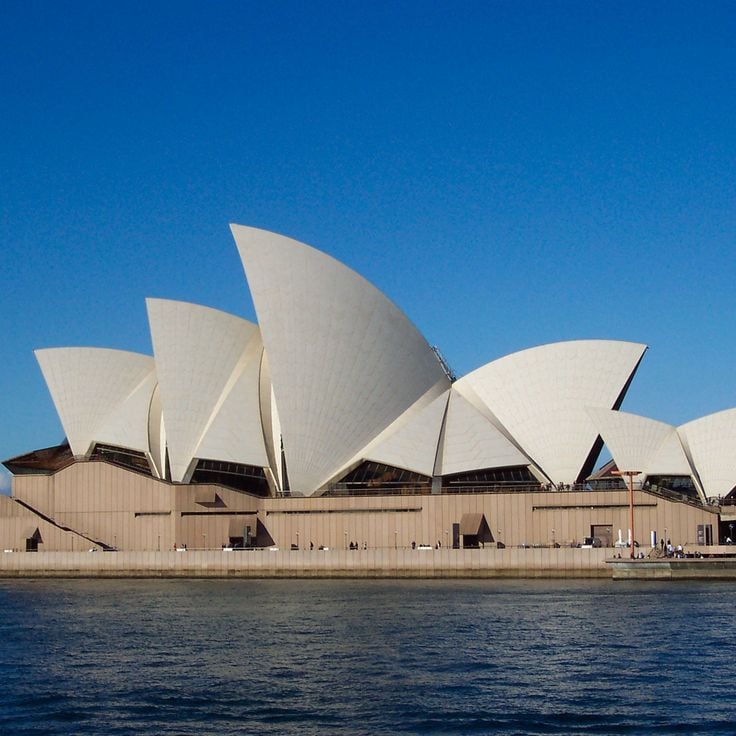
The Sydney Opera House is a performance venue with distinctive white roofs shaped like shells rising above the harbour. Danish architect Jørn Utzon designed this building in 1973. It represents a modern take on the opera house, departing from the styles of the 19th century. The curved structures define Sydney's skyline and shape the image of one of Australia's most important cities.
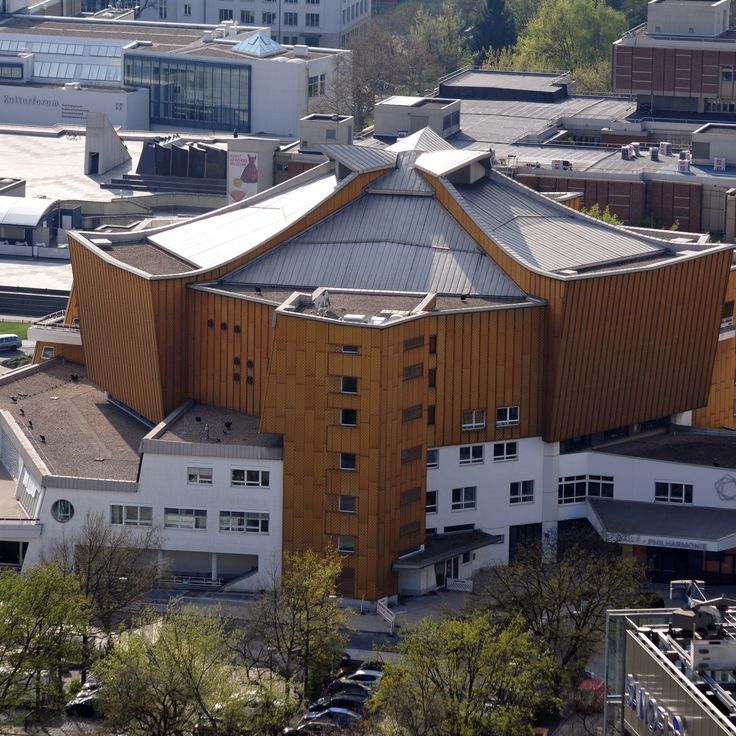
The Berlin Philharmonie is a modern concert hall that stands apart from the 19th-century opera houses. Its five-sided shape and central stage create a new way to experience music: audiences sit all around the musicians instead of facing a distant stage. With 2440 seats, this was a groundbreaking approach in 1963. The hall shows how architects and conductors like Herbert von Karajan wanted to rethink how people listen to concerts. Today, the Philharmonie remains an important venue for classical music in Berlin.
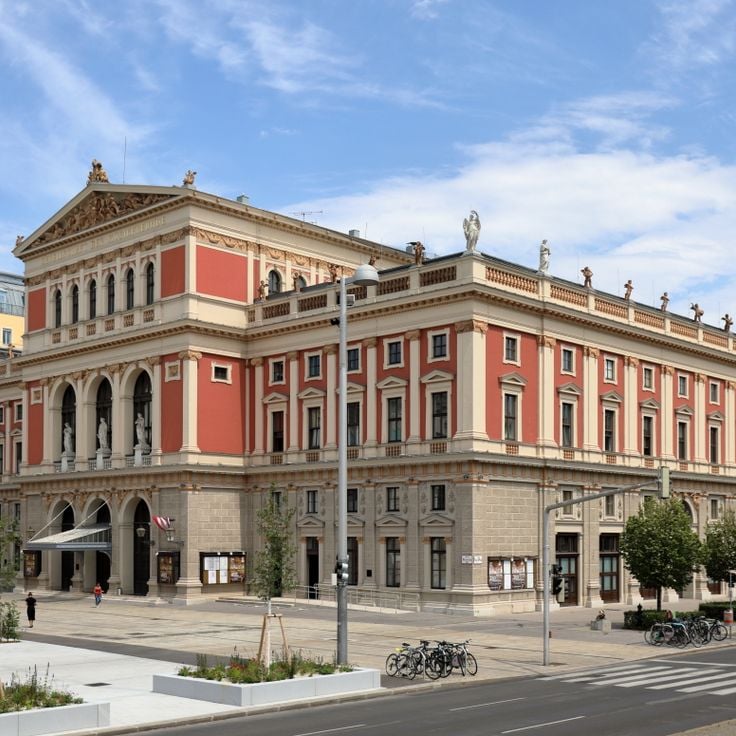
The Musikverein is a rectangular concert hall built in 1870 in Vienna. It features golden columns and statues that define its character. Since 1939, the famous New Year's Concert has been held here. The hall embodies Vienna's musical tradition and remains a center for classical music. Visitors experience an architecture that combines elegance and artistic expression.
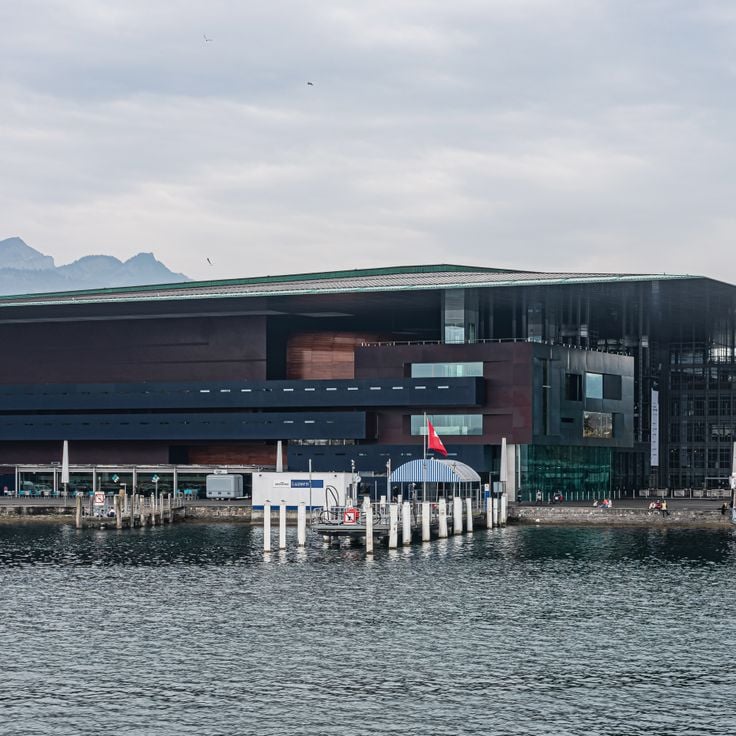
The KKL Luzern sits on the shore of Lake Lucerne and stands apart from the historic opera houses in this collection. Rather than neoclassical facades or baroque ornaments, this cultural center displays modern architecture with a distinctive roof extending 45 meters over the water. Jean Nouvel designed this concert hall in 1998 as a contemporary interpretation of performance space. While the great opera houses of the 19th century tell their stories through gilded columns and tiered gallery levels, the KKL Luzern shapes the musical landscape through clean lines and its connection with the lake landscape. Here music and modernity come together.
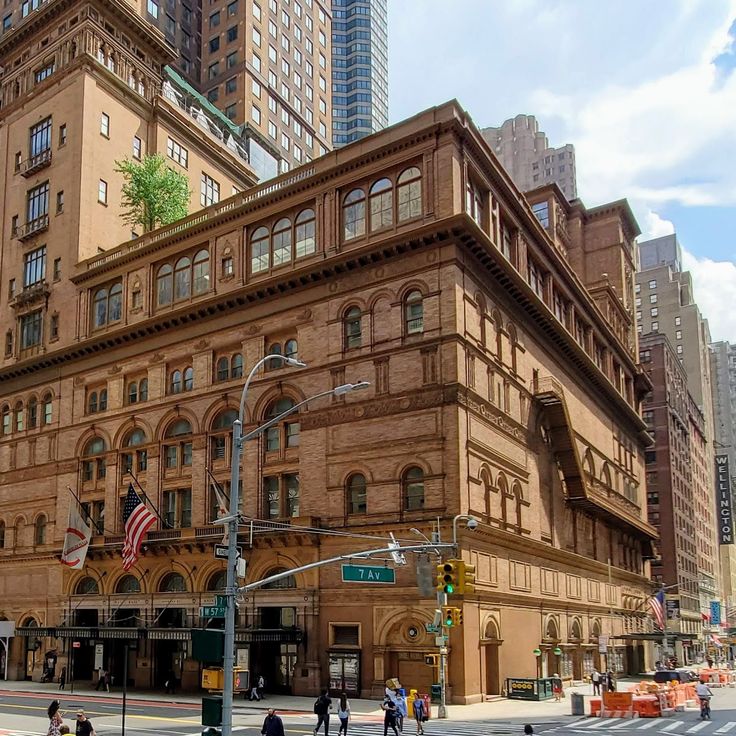
Carnegie Hall in New York is a concert venue spread across three levels where audiences gather under one of the world's most renowned concert hall roofs. Built as a temple to classical music, the space has drawn generations of musicians to its stage. The hall's acoustics allow each note to carry clearly throughout the room, regardless of where you sit. The space itself tells the story of 19th and 20th century music through the artists who have graced its stage.
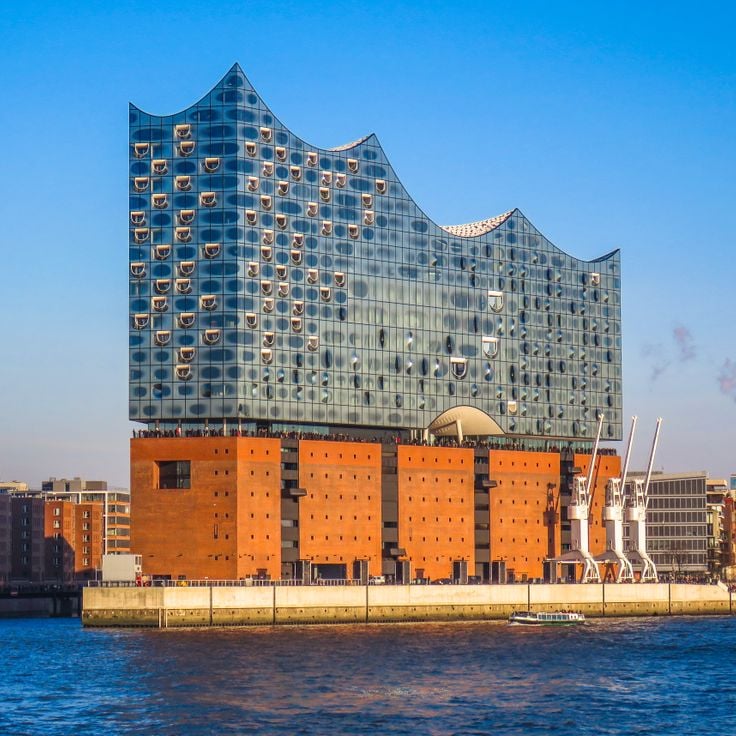
The Elbphilharmonie in Hamburg presents a modern take on classical concert hall architecture. This 110-meter-tall structure houses two concert halls with distinct characters and purposes. The main hall seats 2100 listeners and features innovative acoustic design. Beyond the halls, this building also contains a hotel and residential apartments. The Elbphilharmonie shows how contemporary architecture can reimagine spaces for music performance, continuing the tradition of grand opera houses and concert halls that define musical life from Naples to Moscow.
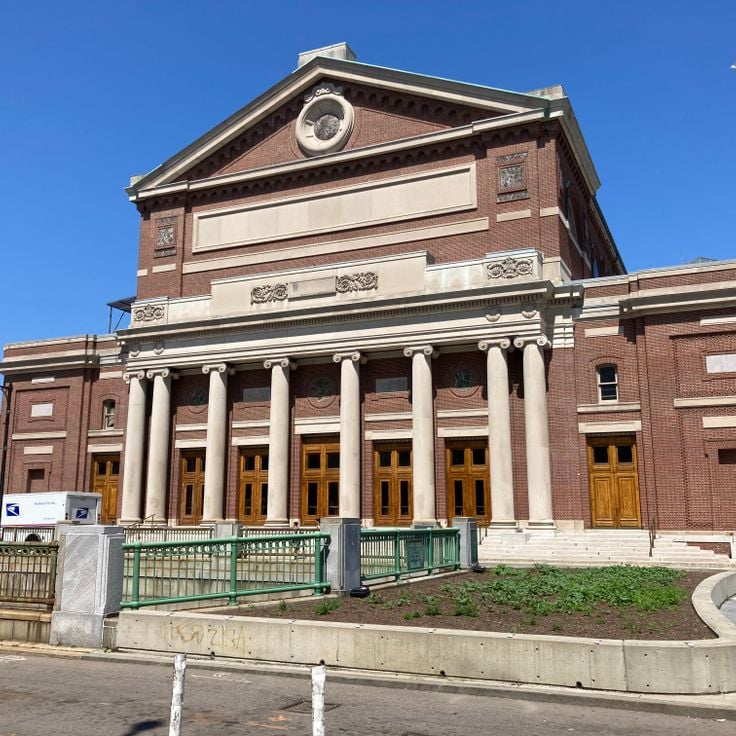
This concert hall in Boston was designed and built according to scientific acoustics principles by Wallace Sabine, a Harvard professor. With 2625 seats, it stands as one of the first concert halls whose design was fully based on acoustic research. Symphony Hall shows how innovative thinking about sound can shape the architecture of a music space and remains a place where these principles work with every performance.
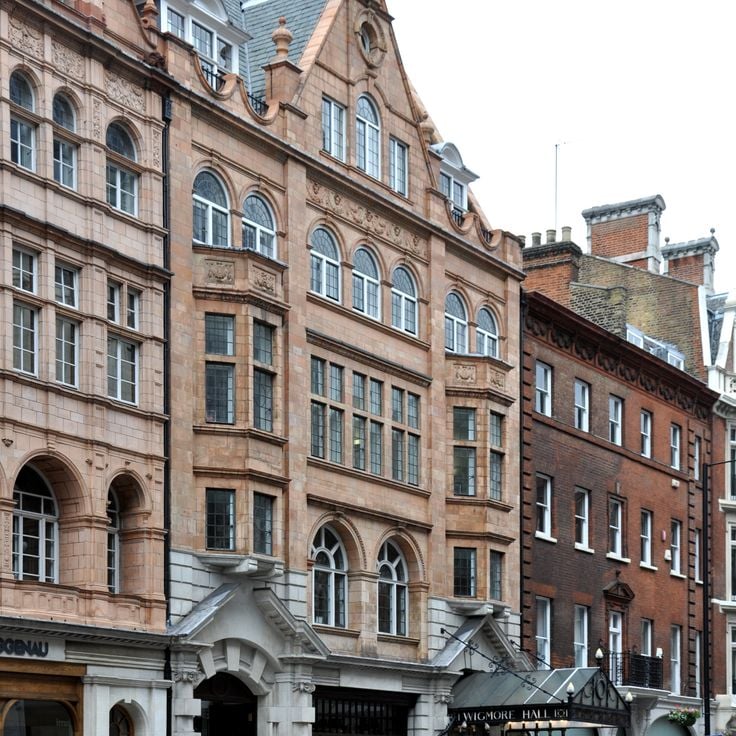
Wigmore Hall is a chamber music venue in London with 545 seats. Built in the early 20th century, this hall hosts more than 400 concerts each year. The interior combines refined design with acoustic engineering that enhances every performance. Musicians and audiences sit close together under a curved ceiling that shapes the sound in the room. The hall has hosted generations of performers and remains a center for chamber music, lieder, and solo recitals. Its architecture creates an intimate setting where the music connects directly with listeners.
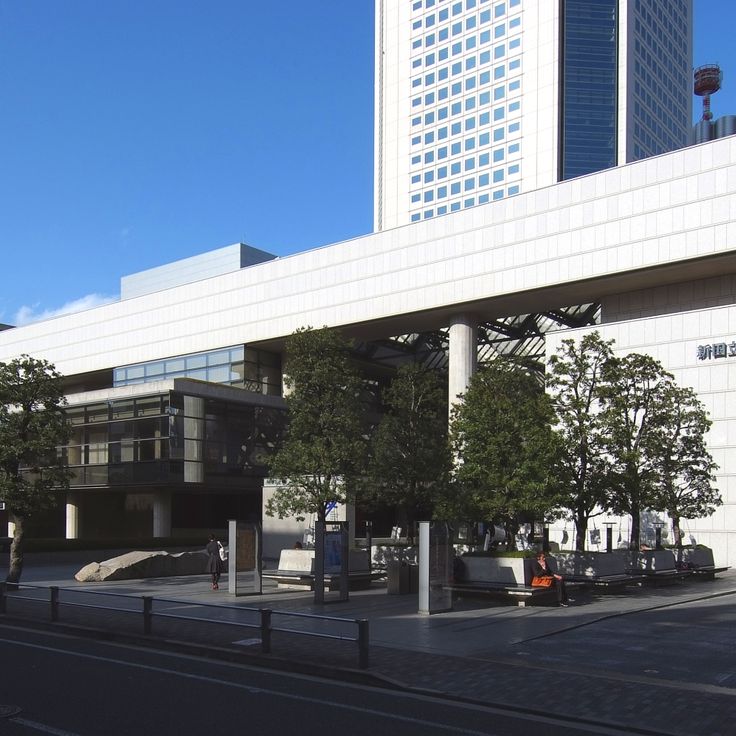
The Tokyo Opera City Concert Hall is a modern building with 1,600 seats constructed from concrete and wood. Its main hall takes the form of a parallelepiped with pyramidal walls. This venue represents a contemporary approach to opera house design and demonstrates how 19th-century opera traditions continue to evolve. The building shows that modern construction methods and classical music culture can coexist successfully.
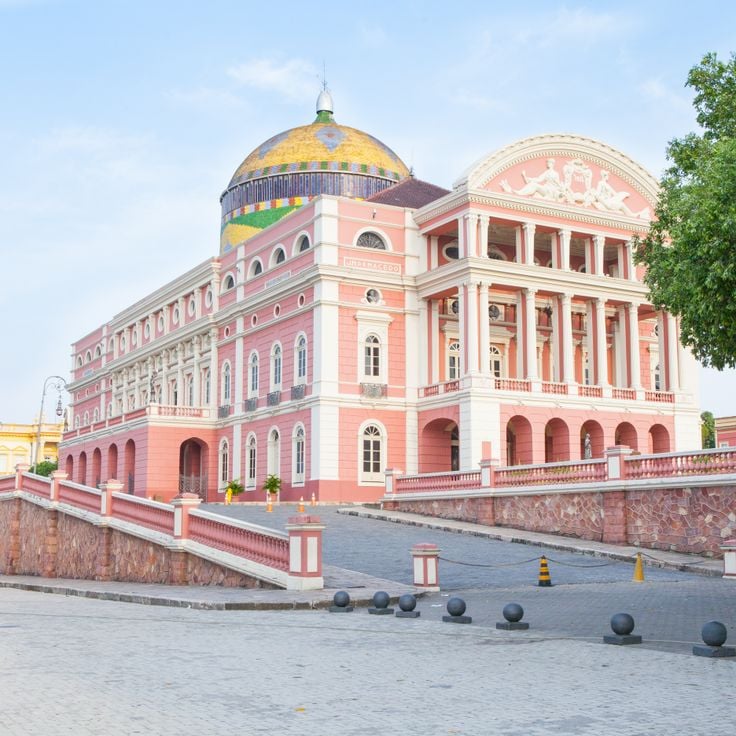
The Amazonas Theater in Manaus was built during the rubber boom of the 19th century and displays European architecture in the heart of the Amazon. The building stands out for its dome, decorated with ceramics in the colors of the Brazilian flag. This theater connects classical European forms with Brazilian elements and tells the story of a time when this region experienced great prosperity. The structure, with its columns and elaborate decoration, shows how music and theater were valued in that era. Visitors can sense the grandeur of that period when they climb the stairs and sit beneath the painted dome.
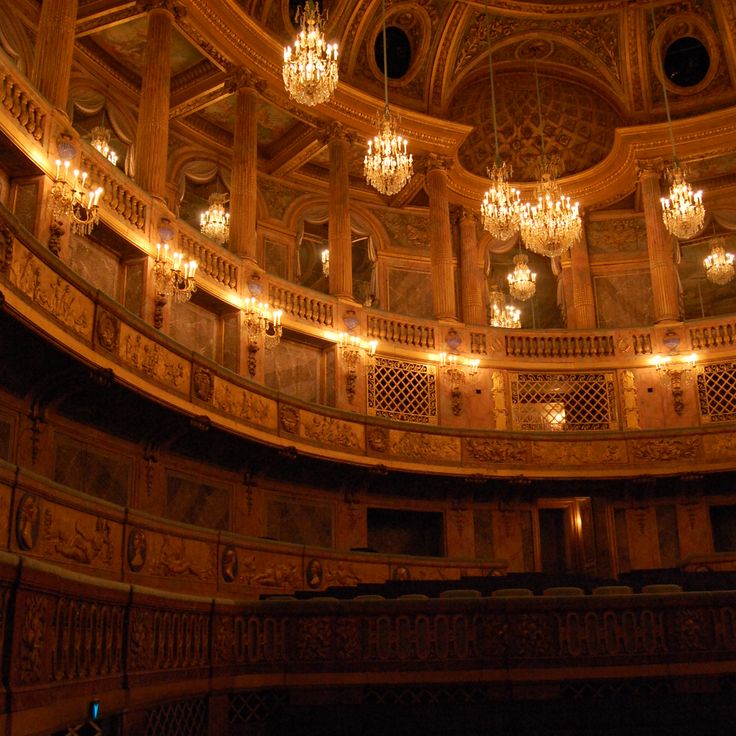
The Opéra Royal de Versailles is a wooden theater with painted canvas walls located within the palace. Built to accommodate 712 spectators across four levels of galleries, this opera house reflects the craftsmanship and artistic vision of 18th-century France. The structure reveals how royalty and the court experienced music and performance during this period. Its construction from lightweight materials allowed for flexible staging and acoustic design suited to the productions of its time.
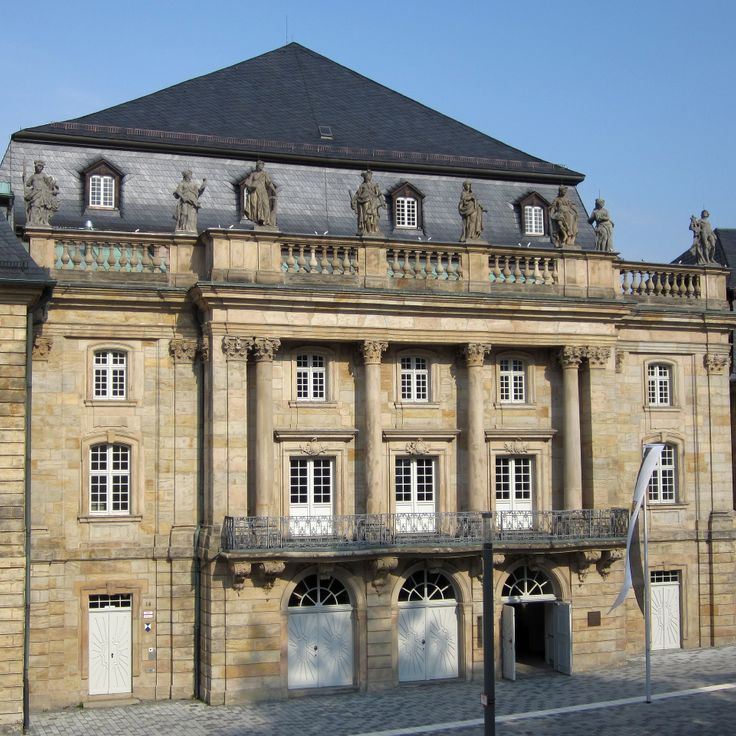
The Margrave Opera House in Bayreuth is a Baroque opera hall featuring an interior of carved wood. The hall preserves its original 18th-century appearance with stacked loges and balconies that hold about 500 spectators. The crafted details of the wood carving and the arrangement of seating areas show how theater was designed during that period. This opera house tells the story of Baroque architecture through its preserved rooms and represents the smaller opera houses that European principalities built in the 18th century.
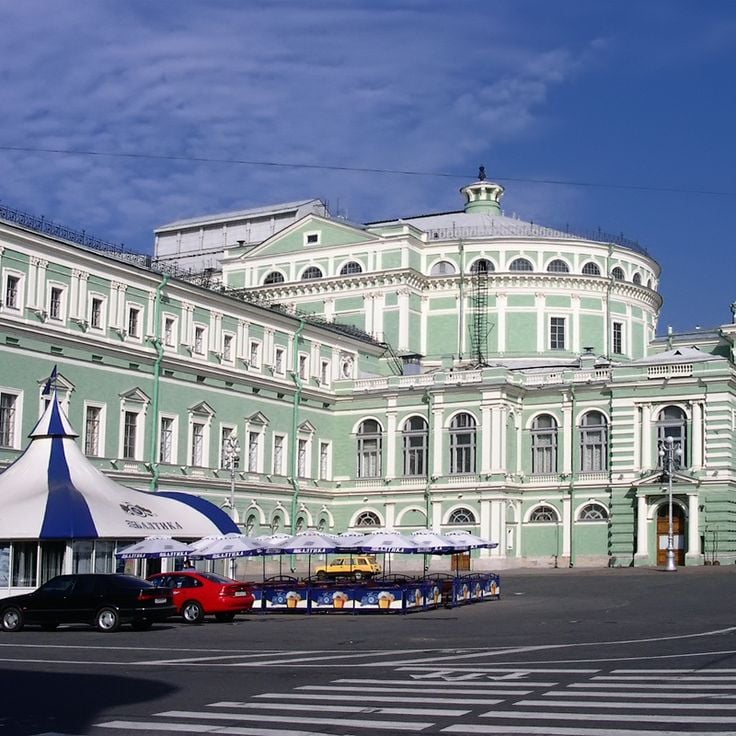
The Mariinsky Theater in Saint Petersburg was built in 1860 as an imperial playhouse and exemplifies the grandeur of 19th-century Russian architecture. Its facade and interior spaces feature baroque forms adorned with gold ornaments and red velvet throughout. The theater bears the name of Tsar Alexander II's wife. This house stands among the great opera stages that preserve the history of classical music within its walls and continues today as a living venue for musical performances.
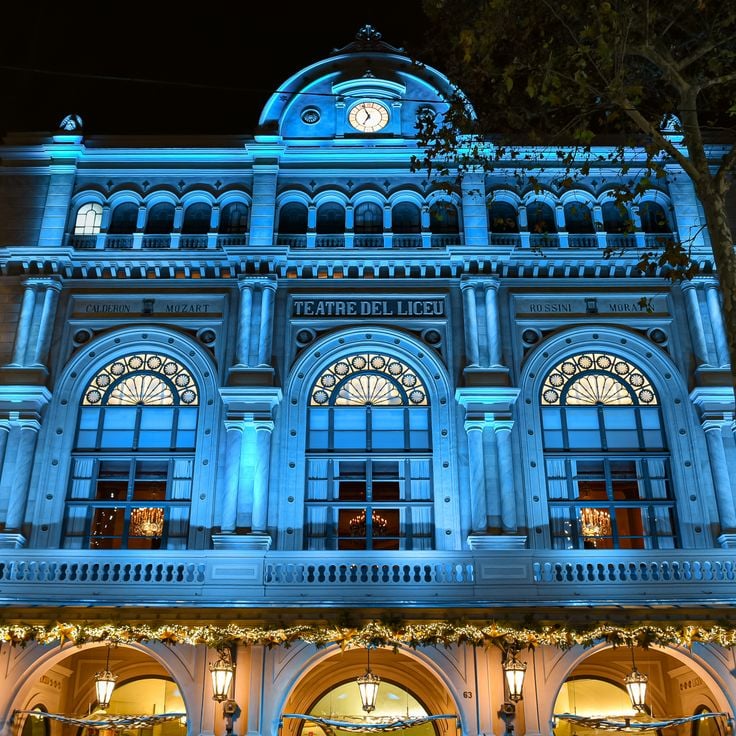
The Gran Teatre del Liceu was built in 1847 following Italian architectural principles and remains a major venue for musical performances in Barcelona. The main hall holds about 2300 spectators across five tiers of balconies adorned with golden decorative details. This design allowed audiences from different social backgrounds to experience opera together, though in separate spaces. The Liceu has hosted countless important musical performances and continues to shape Barcelona's cultural life.
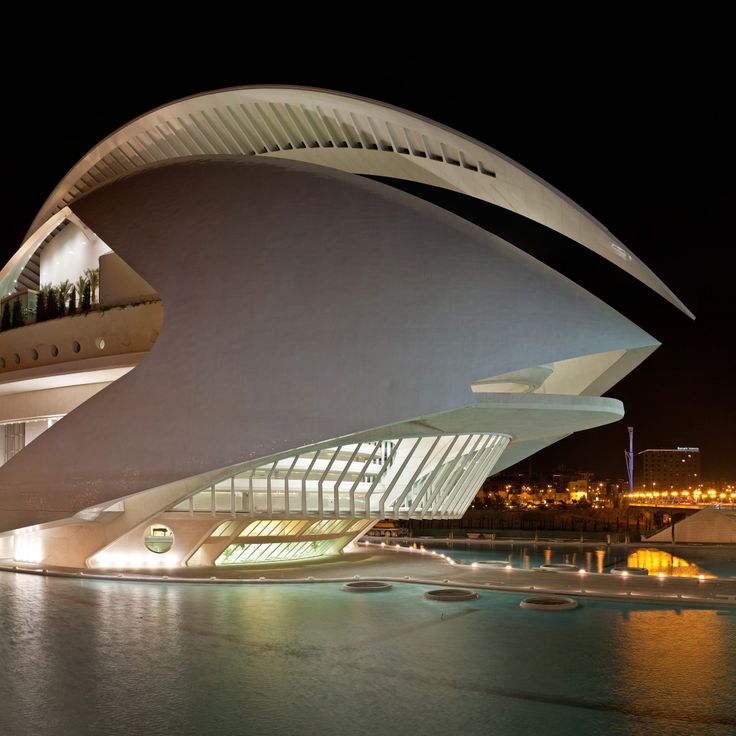
The Palais des Arts Reina Sofía in Valencia is a contemporary cultural center that opened in 2005. The building features modern architecture in white concrete and glass, rising approximately 75 meters high. It hosts opera performances, ballet productions, and concerts. The main hall seats around 1700 people. The structure stands out for its clean lines and bright materials, contrasting with the ornate theaters of the 19th century. This venue serves as an important site for musical culture and performing arts in Spain.
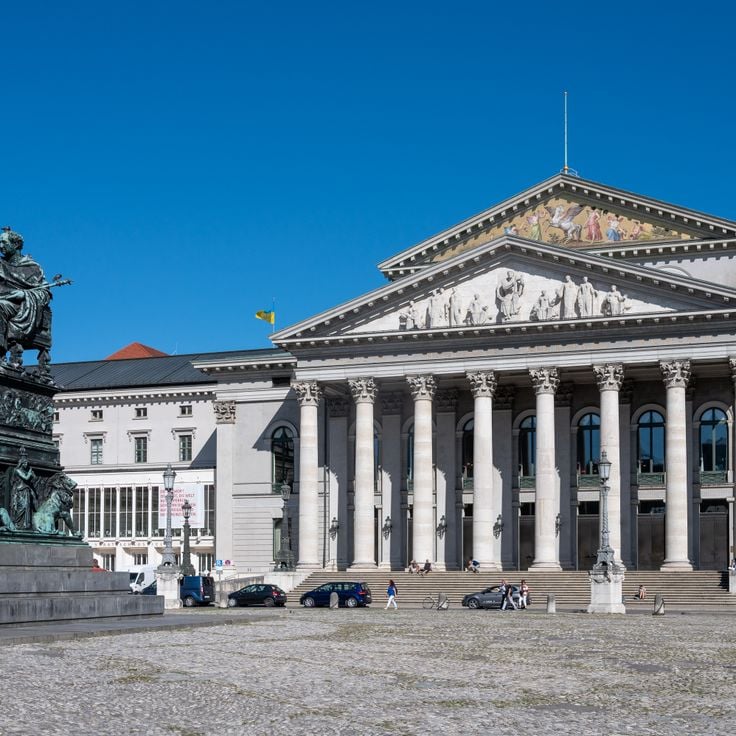
The Bavarian State Opera in Munich is a neoclassical opera house built in 1818. The building displays the clean, balanced style of the early 19th century. With roughly 2100 seats, it provides space for a large audience, while the orchestra pit accommodates about 100 musicians. The house is a central venue in Munich's musical life and demonstrates how opera and acoustics were understood at that time.
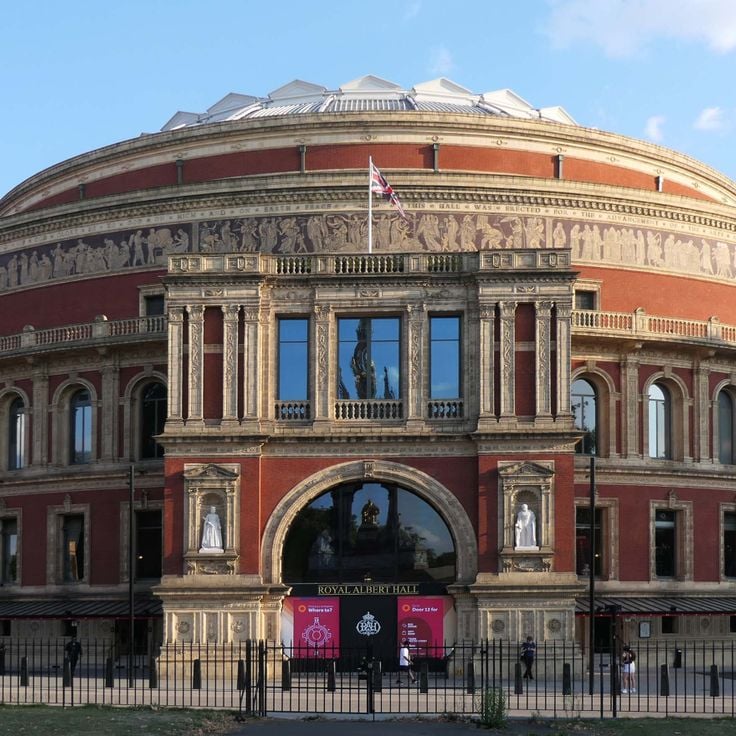
The Royal Albert Hall is a round concert venue in London that opened in 1871. The building is distinguished by its distinctive iron dome measuring 40 meters across and holds approximately 5,272 visitors. This hall reflects the spirit of the Victorian era and stands among the great concert spaces built in the 19th century. Like other historic opera houses and concert halls, it represents the architectural ideals of its time, with a shape that provides audiences with a special acoustic experience. Its circular form sets it apart from the classical horseshoe designs of other famous venues and shows a distinctive approach to theater design in the Victorian age.
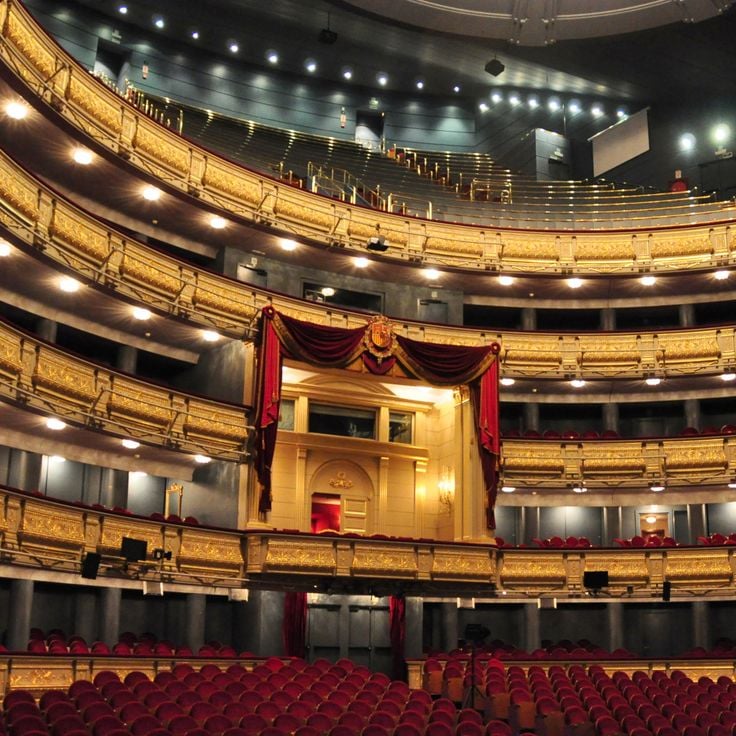
The Teatro Real of Madrid is an opera house built in 1850 following the designs of architect Antonio López Aguado. This building takes its place among the great European opera houses of the 19th century. The facade displays a classical language that reflects the style of that time. Inside, four levels of boxes and seating extend throughout the house, allowing it to accommodate a large number of spectators. The acoustic properties and architectural design show how people of that era thought about the design of performance spaces. The Teatro Real remains today a living center of musical life in the Spanish capital.
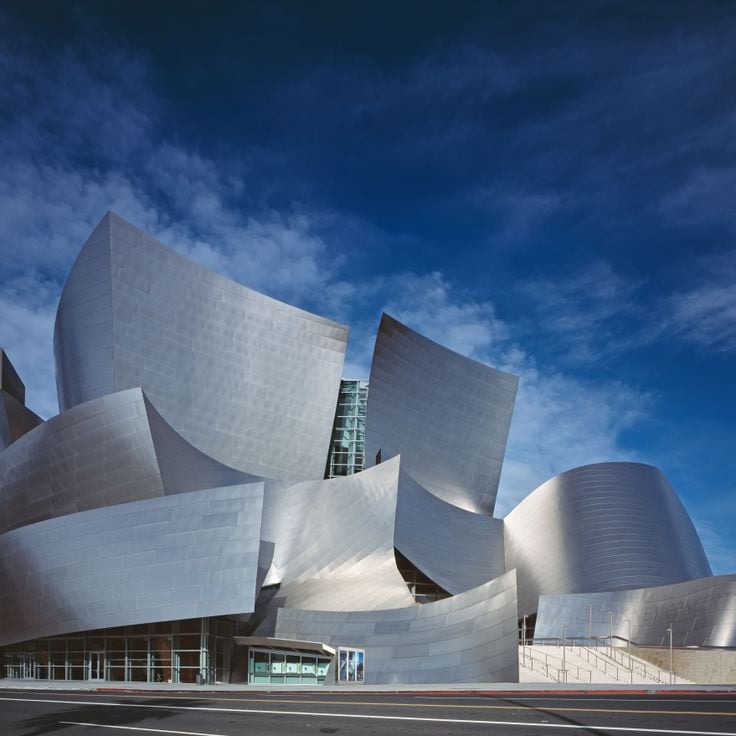
The Walt Disney Concert Hall in Los Angeles was designed by architect Frank Gehry and opened in 2003. This venue represents a modern approach to concert hall design, standing apart from the 19th-century opera houses that shaped classical music venues worldwide. The striking stainless steel structure catches light and attention with its distinctive curved surfaces. Inside, a remarkable organ with 6134 pipes fills the space with sound. This hall shows how contemporary architecture can redefine how we experience music and performance space.
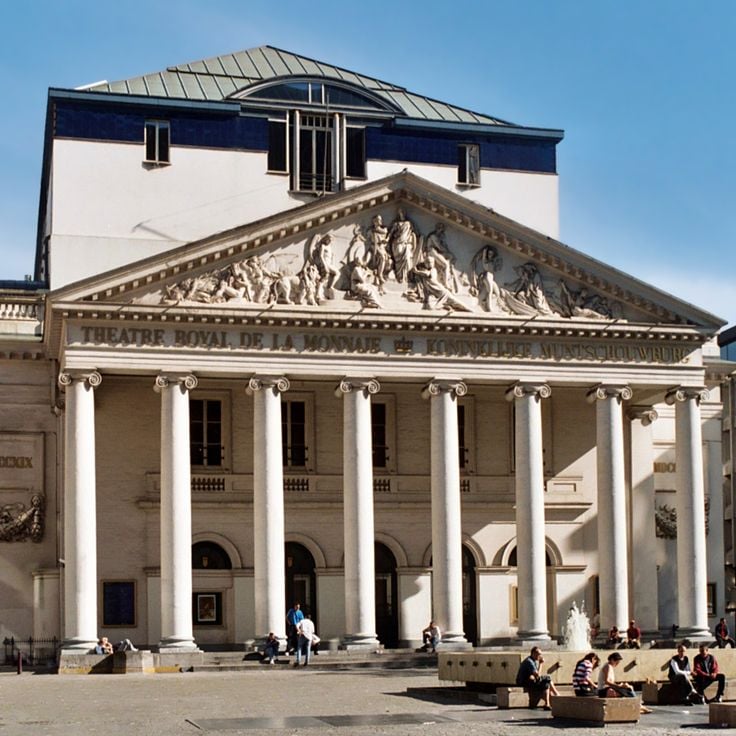
La Monnaie is a lyrical theater built in 1819 in Brussels on the site of a former mint building. The venue became the heart of the Belgian Revolution in 1830, when it transformed into a symbol of national independence. With its classical facade and refined interior spaces, La Monnaie reflects the architectural traditions of 19th-century European opera houses. The theater holds the story of a nation within its walls and continues to serve as a vital center for music and performing arts.
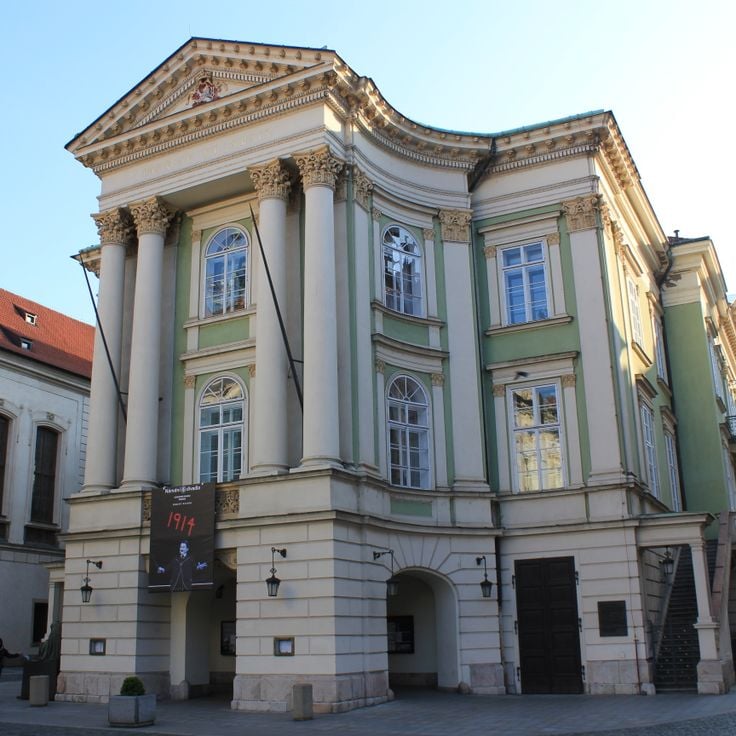
The Stavovské Divadlo in Prague is a Baroque theater that opened in 1783 and preserves the history of classical music within its walls. Its interior displays the typical features of Baroque style with multi-level balconies and gilded ornamentations. The theater holds a special connection to Wolfgang Amadeus Mozart, who conducted the premiere of Don Giovanni here in October 1787. This hall embodies European opera culture of the 18th century and remains an active venue for musical performances. The space itself carries the acoustic and architectural qualities of that era.
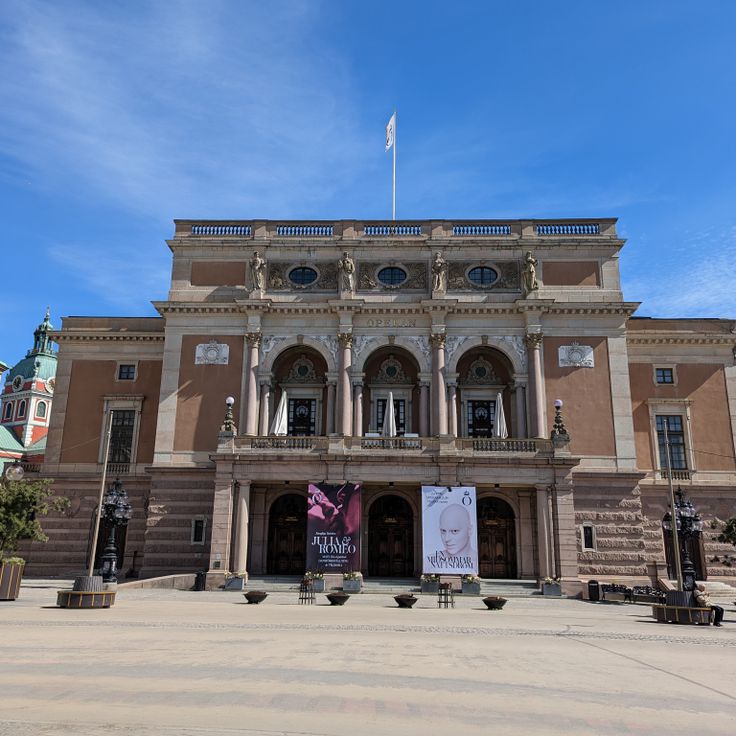
The Royal Opera House of Stockholm is a neoclassical building built in 1899 designed by Axel Anderberg. Its interior displays the flowing forms of Art Nouveau style with a main hall seating about 1200 people. The building stands at the center of Sweden's musical life and welcomes visitors to explore its decorated architecture and sit beneath its curved ceilings. Like the great opera houses of the 19th century, this building tells the story of classical music through its spaces and structures.
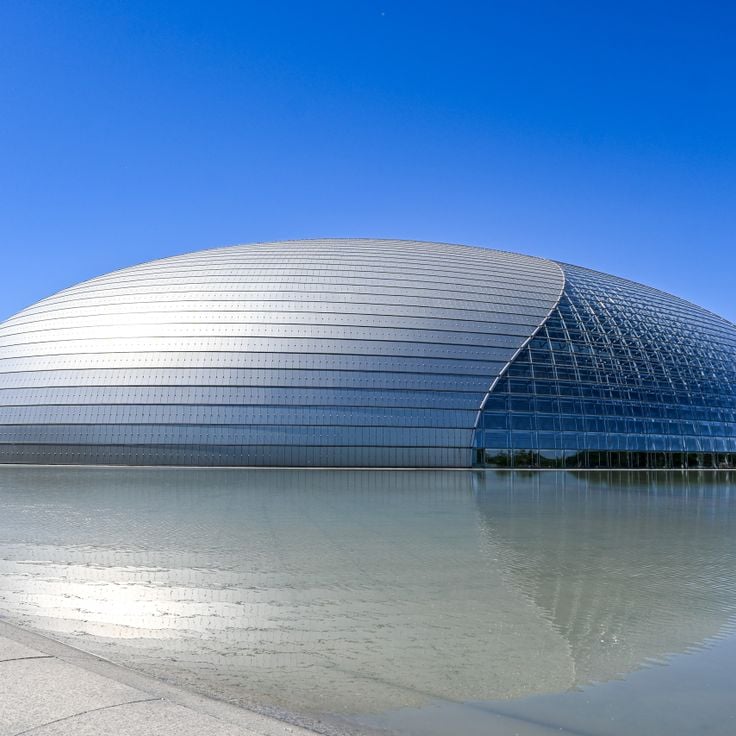
The National Centre for the Performing Arts in this collection is a modern opera house with an elliptical structure made of titanium and glass. Built in 2007 and designed by architect Paul Andreu, it marks a shift toward contemporary design in opera venues. The main hall seats over 2000 people arranged around a central stage, showing how modern architecture approaches acoustics and spectacle differently from 19th-century theaters. This building demonstrates how opera culture continues to evolve beyond the classical halls found across Europe and the Americas.
The Concertgebouw in Amsterdam is a concert hall built in 1888 with a rectangular layout, known for its exceptional acoustic properties. This hall holds around 2000 listeners and ranks among Europe's most important concert venues. The interior space was designed so sound flows naturally through the room. The building displays the simple, functional architecture of the late 19th century. Visitors experience acoustics that make every note sound clear and warm. The hall remains an essential place for classical music and orchestras today.
The Teatro Colón belongs to the great opera houses of the 19th century, displaying Nebaroque features from its construction around 1908. The building features seven levels with seating for approximately 2500 guests and embodies the architectural grandeur that reflects Buenos Aires as a major cultural center. Inside, visitors can climb the staircases, sit beneath ornate ceilings, and experience how this hall has developed its own character through history and craftsmanship.
La Fenice in Venice is a neoclassical opera house built in 1792 and reconstructed after a devastating fire in 1996. With a main hall seating about 1000 people, this theater represents Venice's deep connection to music and beauty. The name means Phoenix, reflecting the theater's ability to rise again from destruction. Inside, you will find ornate boxes arranged across multiple levels and acoustics designed specifically for opera performances. La Fenice is not simply a venue for music, but also a testament to Venice's history and the ongoing artistic life of this unique lagoon city.
The Metropolitan Opera is a modern opera house built in 1966 at Lincoln Center. With 3,800 seats and five tiers of balconies, it represents a contemporary approach to opera theater design. The hall shows how people in the mid-20th century thought about acoustics and audience experience. The interior features red velvet and illuminated chandeliers that create an elegant setting. Here you can see how modern architecture and traditional opera culture come together.
The Opéra Garnier in Paris is a 19th-century opera house embodying Second Empire style. The building stands out for its grand marble staircase and striking dome painted with colorful frescoes by Marc Chagall in 1964. Inside, richly decorated rooms feature gilded details and velvet fabrics. The facade displays the ornamental characteristics of this era, while the architecture and acoustics reflect how opera theaters were conceived in the 19th century. Visitors can walk through elegant corridors and sit beneath artistic ceilings to experience how this hall developed its distinctive character.
The Bolshoi Theater in Moscow is one of the world's greatest opera houses. Its main hall seats about 2500 people and underwent major renovation in 2011. The facade is defined by Corinthian columns that give the building classical dignity. A bronze quadriga crowns the roof, making the theater recognizable from afar. Inside, Russian opera and ballet unfold in their full grandeur. This is a place where artists have performed for generations and where audiences come to experience music and dance at the highest level. Walking through its halls, you feel the weight of Russian cultural tradition.
The Teatro San Carlo in Naples is Italy's oldest opera theater. Its hall takes a horseshoe shape with six tiers of boxes stacked one above another. Frescoes decorate the ceiling, adding ornamental detail to the interior. This theater embodies 18th-century opera architecture and served as a model for many other European opera houses. Visitors experience a space that reflects how music and theater design were understood in that era.
La Scala is one of Europe's most important opera houses, located in Milan. The building was constructed after a fire in 1776 on the site of the church of Santa Maria della Scala. The auditorium follows a characteristic horseshoe shape and accommodates about 2000 spectators. Six levels of boxes provide different vantage points for viewing the stage. The elegant interior with its ornamentation and classical details shapes the experience of every opera visitor. La Scala has welcomed artists and audiences from around the world since its opening in 1778.
The Vienna State Opera is an opera house that shapes Vienna's musical life. Built in the 19th century, this building was reconstructed after World War II bombing and reopened in 1955 with Beethoven's Fidelio. The opera holds 1709 seats in a hall that honors classical traditions. Its architecture blends Renaissance elements with refined details. Walking through its spaces, you sense how deeply this house connects to Vienna's cultural identity and continues to welcome the same passions as it did a century ago.
The Royal Opera House in London is Britain's leading opera theatre, built in 1858. Its facade features Corinthian columns and large arched windows. This building embodies the European opera tradition of the 19th century and remains a living centre for musical theatre. Visitors enter a space that reflects decades of performances and artistic passion. The architecture tells of an era when opera houses were conceived as palaces for music. Like other great halls of its time, the Royal Opera House offers its own experience: a blend of craftsmanship and acoustic design that brings the singers' voices and orchestral sound to life.
The Philharmonie de Paris is a modern concert hall that opened in 2015, defined by its aluminum structure and interwoven geometric forms. With 2400 seats, this hall represents a contemporary take on opera house design and connects to the history of great European music venues. Its design moves away from the classical ornamentations of earlier eras, yet continues the tradition of serving as a space for artistic performances.
The Semperoper in Dresden is an opera house shaped by a rich past. Built in 1838, the building displays an ornately decorated facade adorned with statues. After World War II, it was rebuilt and has recovered its original beauty. Inside, visitors find decorations of paintings and gilded surfaces. The Semperoper stands among the important opera houses of the 19th century and continues to serve as a living venue for musical performances, where history and contemporary music culture meet.
The Sydney Opera House is a performance venue with distinctive white roofs shaped like shells rising above the harbour. Danish architect Jørn Utzon designed this building in 1973. It represents a modern take on the opera house, departing from the styles of the 19th century. The curved structures define Sydney's skyline and shape the image of one of Australia's most important cities.
The Berlin Philharmonie is a modern concert hall that stands apart from the 19th-century opera houses. Its five-sided shape and central stage create a new way to experience music: audiences sit all around the musicians instead of facing a distant stage. With 2440 seats, this was a groundbreaking approach in 1963. The hall shows how architects and conductors like Herbert von Karajan wanted to rethink how people listen to concerts. Today, the Philharmonie remains an important venue for classical music in Berlin.
The Musikverein is a rectangular concert hall built in 1870 in Vienna. It features golden columns and statues that define its character. Since 1939, the famous New Year's Concert has been held here. The hall embodies Vienna's musical tradition and remains a center for classical music. Visitors experience an architecture that combines elegance and artistic expression.
The KKL Luzern sits on the shore of Lake Lucerne and stands apart from the historic opera houses in this collection. Rather than neoclassical facades or baroque ornaments, this cultural center displays modern architecture with a distinctive roof extending 45 meters over the water. Jean Nouvel designed this concert hall in 1998 as a contemporary interpretation of performance space. While the great opera houses of the 19th century tell their stories through gilded columns and tiered gallery levels, the KKL Luzern shapes the musical landscape through clean lines and its connection with the lake landscape. Here music and modernity come together.
Carnegie Hall in New York is a concert venue spread across three levels where audiences gather under one of the world's most renowned concert hall roofs. Built as a temple to classical music, the space has drawn generations of musicians to its stage. The hall's acoustics allow each note to carry clearly throughout the room, regardless of where you sit. The space itself tells the story of 19th and 20th century music through the artists who have graced its stage.
The Elbphilharmonie in Hamburg presents a modern take on classical concert hall architecture. This 110-meter-tall structure houses two concert halls with distinct characters and purposes. The main hall seats 2100 listeners and features innovative acoustic design. Beyond the halls, this building also contains a hotel and residential apartments. The Elbphilharmonie shows how contemporary architecture can reimagine spaces for music performance, continuing the tradition of grand opera houses and concert halls that define musical life from Naples to Moscow.
This concert hall in Boston was designed and built according to scientific acoustics principles by Wallace Sabine, a Harvard professor. With 2625 seats, it stands as one of the first concert halls whose design was fully based on acoustic research. Symphony Hall shows how innovative thinking about sound can shape the architecture of a music space and remains a place where these principles work with every performance.
Wigmore Hall is a chamber music venue in London with 545 seats. Built in the early 20th century, this hall hosts more than 400 concerts each year. The interior combines refined design with acoustic engineering that enhances every performance. Musicians and audiences sit close together under a curved ceiling that shapes the sound in the room. The hall has hosted generations of performers and remains a center for chamber music, lieder, and solo recitals. Its architecture creates an intimate setting where the music connects directly with listeners.
The Tokyo Opera City Concert Hall is a modern building with 1,600 seats constructed from concrete and wood. Its main hall takes the form of a parallelepiped with pyramidal walls. This venue represents a contemporary approach to opera house design and demonstrates how 19th-century opera traditions continue to evolve. The building shows that modern construction methods and classical music culture can coexist successfully.
The Amazonas Theater in Manaus was built during the rubber boom of the 19th century and displays European architecture in the heart of the Amazon. The building stands out for its dome, decorated with ceramics in the colors of the Brazilian flag. This theater connects classical European forms with Brazilian elements and tells the story of a time when this region experienced great prosperity. The structure, with its columns and elaborate decoration, shows how music and theater were valued in that era. Visitors can sense the grandeur of that period when they climb the stairs and sit beneath the painted dome.
The Opéra Royal de Versailles is a wooden theater with painted canvas walls located within the palace. Built to accommodate 712 spectators across four levels of galleries, this opera house reflects the craftsmanship and artistic vision of 18th-century France. The structure reveals how royalty and the court experienced music and performance during this period. Its construction from lightweight materials allowed for flexible staging and acoustic design suited to the productions of its time.
The Margrave Opera House in Bayreuth is a Baroque opera hall featuring an interior of carved wood. The hall preserves its original 18th-century appearance with stacked loges and balconies that hold about 500 spectators. The crafted details of the wood carving and the arrangement of seating areas show how theater was designed during that period. This opera house tells the story of Baroque architecture through its preserved rooms and represents the smaller opera houses that European principalities built in the 18th century.
The Mariinsky Theater in Saint Petersburg was built in 1860 as an imperial playhouse and exemplifies the grandeur of 19th-century Russian architecture. Its facade and interior spaces feature baroque forms adorned with gold ornaments and red velvet throughout. The theater bears the name of Tsar Alexander II's wife. This house stands among the great opera stages that preserve the history of classical music within its walls and continues today as a living venue for musical performances.
The Gran Teatre del Liceu was built in 1847 following Italian architectural principles and remains a major venue for musical performances in Barcelona. The main hall holds about 2300 spectators across five tiers of balconies adorned with golden decorative details. This design allowed audiences from different social backgrounds to experience opera together, though in separate spaces. The Liceu has hosted countless important musical performances and continues to shape Barcelona's cultural life.
The Palais des Arts Reina Sofía in Valencia is a contemporary cultural center that opened in 2005. The building features modern architecture in white concrete and glass, rising approximately 75 meters high. It hosts opera performances, ballet productions, and concerts. The main hall seats around 1700 people. The structure stands out for its clean lines and bright materials, contrasting with the ornate theaters of the 19th century. This venue serves as an important site for musical culture and performing arts in Spain.
The Bavarian State Opera in Munich is a neoclassical opera house built in 1818. The building displays the clean, balanced style of the early 19th century. With roughly 2100 seats, it provides space for a large audience, while the orchestra pit accommodates about 100 musicians. The house is a central venue in Munich's musical life and demonstrates how opera and acoustics were understood at that time.
The Royal Albert Hall is a round concert venue in London that opened in 1871. The building is distinguished by its distinctive iron dome measuring 40 meters across and holds approximately 5,272 visitors. This hall reflects the spirit of the Victorian era and stands among the great concert spaces built in the 19th century. Like other historic opera houses and concert halls, it represents the architectural ideals of its time, with a shape that provides audiences with a special acoustic experience. Its circular form sets it apart from the classical horseshoe designs of other famous venues and shows a distinctive approach to theater design in the Victorian age.
The Teatro Real of Madrid is an opera house built in 1850 following the designs of architect Antonio López Aguado. This building takes its place among the great European opera houses of the 19th century. The facade displays a classical language that reflects the style of that time. Inside, four levels of boxes and seating extend throughout the house, allowing it to accommodate a large number of spectators. The acoustic properties and architectural design show how people of that era thought about the design of performance spaces. The Teatro Real remains today a living center of musical life in the Spanish capital.
The Walt Disney Concert Hall in Los Angeles was designed by architect Frank Gehry and opened in 2003. This venue represents a modern approach to concert hall design, standing apart from the 19th-century opera houses that shaped classical music venues worldwide. The striking stainless steel structure catches light and attention with its distinctive curved surfaces. Inside, a remarkable organ with 6134 pipes fills the space with sound. This hall shows how contemporary architecture can redefine how we experience music and performance space.
La Monnaie is a lyrical theater built in 1819 in Brussels on the site of a former mint building. The venue became the heart of the Belgian Revolution in 1830, when it transformed into a symbol of national independence. With its classical facade and refined interior spaces, La Monnaie reflects the architectural traditions of 19th-century European opera houses. The theater holds the story of a nation within its walls and continues to serve as a vital center for music and performing arts.
The Stavovské Divadlo in Prague is a Baroque theater that opened in 1783 and preserves the history of classical music within its walls. Its interior displays the typical features of Baroque style with multi-level balconies and gilded ornamentations. The theater holds a special connection to Wolfgang Amadeus Mozart, who conducted the premiere of Don Giovanni here in October 1787. This hall embodies European opera culture of the 18th century and remains an active venue for musical performances. The space itself carries the acoustic and architectural qualities of that era.
The Royal Opera House of Stockholm is a neoclassical building built in 1899 designed by Axel Anderberg. Its interior displays the flowing forms of Art Nouveau style with a main hall seating about 1200 people. The building stands at the center of Sweden's musical life and welcomes visitors to explore its decorated architecture and sit beneath its curved ceilings. Like the great opera houses of the 19th century, this building tells the story of classical music through its spaces and structures.
The National Centre for the Performing Arts in this collection is a modern opera house with an elliptical structure made of titanium and glass. Built in 2007 and designed by architect Paul Andreu, it marks a shift toward contemporary design in opera venues. The main hall seats over 2000 people arranged around a central stage, showing how modern architecture approaches acoustics and spectacle differently from 19th-century theaters. This building demonstrates how opera culture continues to evolve beyond the classical halls found across Europe and the Americas.
The Concertgebouw in Amsterdam is a concert hall built in 1888 with a rectangular layout, known for its exceptional acoustic properties. This hall holds around 2000 listeners and ranks among Europe's most important concert venues. The interior space was designed so sound flows naturally through the room. The building displays the simple, functional architecture of the late 19th century. Visitors experience acoustics that make every note sound clear and warm. The hall remains an essential place for classical music and orchestras today.
The Teatro Colón belongs to the great opera houses of the 19th century, displaying Nebaroque features from its construction around 1908. The building features seven levels with seating for approximately 2500 guests and embodies the architectural grandeur that reflects Buenos Aires as a major cultural center. Inside, visitors can climb the staircases, sit beneath ornate ceilings, and experience how this hall has developed its own character through history and craftsmanship.
La Fenice in Venice is a neoclassical opera house built in 1792 and reconstructed after a devastating fire in 1996. With a main hall seating about 1000 people, this theater represents Venice's deep connection to music and beauty. The name means Phoenix, reflecting the theater's ability to rise again from destruction. Inside, you will find ornate boxes arranged across multiple levels and acoustics designed specifically for opera performances. La Fenice is not simply a venue for music, but also a testament to Venice's history and the ongoing artistic life of this unique lagoon city.
The Metropolitan Opera is a modern opera house built in 1966 at Lincoln Center. With 3,800 seats and five tiers of balconies, it represents a contemporary approach to opera theater design. The hall shows how people in the mid-20th century thought about acoustics and audience experience. The interior features red velvet and illuminated chandeliers that create an elegant setting. Here you can see how modern architecture and traditional opera culture come together.
The Opéra Garnier in Paris is a 19th-century opera house embodying Second Empire style. The building stands out for its grand marble staircase and striking dome painted with colorful frescoes by Marc Chagall in 1964. Inside, richly decorated rooms feature gilded details and velvet fabrics. The facade displays the ornamental characteristics of this era, while the architecture and acoustics reflect how opera theaters were conceived in the 19th century. Visitors can walk through elegant corridors and sit beneath artistic ceilings to experience how this hall developed its distinctive character.
The Bolshoi Theater in Moscow is one of the world's greatest opera houses. Its main hall seats about 2500 people and underwent major renovation in 2011. The facade is defined by Corinthian columns that give the building classical dignity. A bronze quadriga crowns the roof, making the theater recognizable from afar. Inside, Russian opera and ballet unfold in their full grandeur. This is a place where artists have performed for generations and where audiences come to experience music and dance at the highest level. Walking through its halls, you feel the weight of Russian cultural tradition.
The Teatro San Carlo in Naples is Italy's oldest opera theater. Its hall takes a horseshoe shape with six tiers of boxes stacked one above another. Frescoes decorate the ceiling, adding ornamental detail to the interior. This theater embodies 18th-century opera architecture and served as a model for many other European opera houses. Visitors experience a space that reflects how music and theater design were understood in that era.
La Scala is one of Europe's most important opera houses, located in Milan. The building was constructed after a fire in 1776 on the site of the church of Santa Maria della Scala. The auditorium follows a characteristic horseshoe shape and accommodates about 2000 spectators. Six levels of boxes provide different vantage points for viewing the stage. The elegant interior with its ornamentation and classical details shapes the experience of every opera visitor. La Scala has welcomed artists and audiences from around the world since its opening in 1778.
The Vienna State Opera is an opera house that shapes Vienna's musical life. Built in the 19th century, this building was reconstructed after World War II bombing and reopened in 1955 with Beethoven's Fidelio. The opera holds 1709 seats in a hall that honors classical traditions. Its architecture blends Renaissance elements with refined details. Walking through its spaces, you sense how deeply this house connects to Vienna's cultural identity and continues to welcome the same passions as it did a century ago.
The Royal Opera House in London is Britain's leading opera theatre, built in 1858. Its facade features Corinthian columns and large arched windows. This building embodies the European opera tradition of the 19th century and remains a living centre for musical theatre. Visitors enter a space that reflects decades of performances and artistic passion. The architecture tells of an era when opera houses were conceived as palaces for music. Like other great halls of its time, the Royal Opera House offers its own experience: a blend of craftsmanship and acoustic design that brings the singers' voices and orchestral sound to life.
The Philharmonie de Paris is a modern concert hall that opened in 2015, defined by its aluminum structure and interwoven geometric forms. With 2400 seats, this hall represents a contemporary take on opera house design and connects to the history of great European music venues. Its design moves away from the classical ornamentations of earlier eras, yet continues the tradition of serving as a space for artistic performances.
The Semperoper in Dresden is an opera house shaped by a rich past. Built in 1838, the building displays an ornately decorated facade adorned with statues. After World War II, it was rebuilt and has recovered its original beauty. Inside, visitors find decorations of paintings and gilded surfaces. The Semperoper stands among the important opera houses of the 19th century and continues to serve as a living venue for musical performances, where history and contemporary music culture meet.
The Sydney Opera House is a performance venue with distinctive white roofs shaped like shells rising above the harbour. Danish architect Jørn Utzon designed this building in 1973. It represents a modern take on the opera house, departing from the styles of the 19th century. The curved structures define Sydney's skyline and shape the image of one of Australia's most important cities.
The Berlin Philharmonie is a modern concert hall that stands apart from the 19th-century opera houses. Its five-sided shape and central stage create a new way to experience music: audiences sit all around the musicians instead of facing a distant stage. With 2440 seats, this was a groundbreaking approach in 1963. The hall shows how architects and conductors like Herbert von Karajan wanted to rethink how people listen to concerts. Today, the Philharmonie remains an important venue for classical music in Berlin.
The Musikverein is a rectangular concert hall built in 1870 in Vienna. It features golden columns and statues that define its character. Since 1939, the famous New Year's Concert has been held here. The hall embodies Vienna's musical tradition and remains a center for classical music. Visitors experience an architecture that combines elegance and artistic expression.
The KKL Luzern sits on the shore of Lake Lucerne and stands apart from the historic opera houses in this collection. Rather than neoclassical facades or baroque ornaments, this cultural center displays modern architecture with a distinctive roof extending 45 meters over the water. Jean Nouvel designed this concert hall in 1998 as a contemporary interpretation of performance space. While the great opera houses of the 19th century tell their stories through gilded columns and tiered gallery levels, the KKL Luzern shapes the musical landscape through clean lines and its connection with the lake landscape. Here music and modernity come together.
Carnegie Hall in New York is a concert venue spread across three levels where audiences gather under one of the world's most renowned concert hall roofs. Built as a temple to classical music, the space has drawn generations of musicians to its stage. The hall's acoustics allow each note to carry clearly throughout the room, regardless of where you sit. The space itself tells the story of 19th and 20th century music through the artists who have graced its stage.
The Elbphilharmonie in Hamburg presents a modern take on classical concert hall architecture. This 110-meter-tall structure houses two concert halls with distinct characters and purposes. The main hall seats 2100 listeners and features innovative acoustic design. Beyond the halls, this building also contains a hotel and residential apartments. The Elbphilharmonie shows how contemporary architecture can reimagine spaces for music performance, continuing the tradition of grand opera houses and concert halls that define musical life from Naples to Moscow.
This concert hall in Boston was designed and built according to scientific acoustics principles by Wallace Sabine, a Harvard professor. With 2625 seats, it stands as one of the first concert halls whose design was fully based on acoustic research. Symphony Hall shows how innovative thinking about sound can shape the architecture of a music space and remains a place where these principles work with every performance.
Wigmore Hall is a chamber music venue in London with 545 seats. Built in the early 20th century, this hall hosts more than 400 concerts each year. The interior combines refined design with acoustic engineering that enhances every performance. Musicians and audiences sit close together under a curved ceiling that shapes the sound in the room. The hall has hosted generations of performers and remains a center for chamber music, lieder, and solo recitals. Its architecture creates an intimate setting where the music connects directly with listeners.
The Tokyo Opera City Concert Hall is a modern building with 1,600 seats constructed from concrete and wood. Its main hall takes the form of a parallelepiped with pyramidal walls. This venue represents a contemporary approach to opera house design and demonstrates how 19th-century opera traditions continue to evolve. The building shows that modern construction methods and classical music culture can coexist successfully.
The Amazonas Theater in Manaus was built during the rubber boom of the 19th century and displays European architecture in the heart of the Amazon. The building stands out for its dome, decorated with ceramics in the colors of the Brazilian flag. This theater connects classical European forms with Brazilian elements and tells the story of a time when this region experienced great prosperity. The structure, with its columns and elaborate decoration, shows how music and theater were valued in that era. Visitors can sense the grandeur of that period when they climb the stairs and sit beneath the painted dome.
The Opéra Royal de Versailles is a wooden theater with painted canvas walls located within the palace. Built to accommodate 712 spectators across four levels of galleries, this opera house reflects the craftsmanship and artistic vision of 18th-century France. The structure reveals how royalty and the court experienced music and performance during this period. Its construction from lightweight materials allowed for flexible staging and acoustic design suited to the productions of its time.
The Margrave Opera House in Bayreuth is a Baroque opera hall featuring an interior of carved wood. The hall preserves its original 18th-century appearance with stacked loges and balconies that hold about 500 spectators. The crafted details of the wood carving and the arrangement of seating areas show how theater was designed during that period. This opera house tells the story of Baroque architecture through its preserved rooms and represents the smaller opera houses that European principalities built in the 18th century.
The Mariinsky Theater in Saint Petersburg was built in 1860 as an imperial playhouse and exemplifies the grandeur of 19th-century Russian architecture. Its facade and interior spaces feature baroque forms adorned with gold ornaments and red velvet throughout. The theater bears the name of Tsar Alexander II's wife. This house stands among the great opera stages that preserve the history of classical music within its walls and continues today as a living venue for musical performances.
The Gran Teatre del Liceu was built in 1847 following Italian architectural principles and remains a major venue for musical performances in Barcelona. The main hall holds about 2300 spectators across five tiers of balconies adorned with golden decorative details. This design allowed audiences from different social backgrounds to experience opera together, though in separate spaces. The Liceu has hosted countless important musical performances and continues to shape Barcelona's cultural life.
The Palais des Arts Reina Sofía in Valencia is a contemporary cultural center that opened in 2005. The building features modern architecture in white concrete and glass, rising approximately 75 meters high. It hosts opera performances, ballet productions, and concerts. The main hall seats around 1700 people. The structure stands out for its clean lines and bright materials, contrasting with the ornate theaters of the 19th century. This venue serves as an important site for musical culture and performing arts in Spain.
The Bavarian State Opera in Munich is a neoclassical opera house built in 1818. The building displays the clean, balanced style of the early 19th century. With roughly 2100 seats, it provides space for a large audience, while the orchestra pit accommodates about 100 musicians. The house is a central venue in Munich's musical life and demonstrates how opera and acoustics were understood at that time.
The Royal Albert Hall is a round concert venue in London that opened in 1871. The building is distinguished by its distinctive iron dome measuring 40 meters across and holds approximately 5,272 visitors. This hall reflects the spirit of the Victorian era and stands among the great concert spaces built in the 19th century. Like other historic opera houses and concert halls, it represents the architectural ideals of its time, with a shape that provides audiences with a special acoustic experience. Its circular form sets it apart from the classical horseshoe designs of other famous venues and shows a distinctive approach to theater design in the Victorian age.
The Teatro Real of Madrid is an opera house built in 1850 following the designs of architect Antonio López Aguado. This building takes its place among the great European opera houses of the 19th century. The facade displays a classical language that reflects the style of that time. Inside, four levels of boxes and seating extend throughout the house, allowing it to accommodate a large number of spectators. The acoustic properties and architectural design show how people of that era thought about the design of performance spaces. The Teatro Real remains today a living center of musical life in the Spanish capital.
The Walt Disney Concert Hall in Los Angeles was designed by architect Frank Gehry and opened in 2003. This venue represents a modern approach to concert hall design, standing apart from the 19th-century opera houses that shaped classical music venues worldwide. The striking stainless steel structure catches light and attention with its distinctive curved surfaces. Inside, a remarkable organ with 6134 pipes fills the space with sound. This hall shows how contemporary architecture can redefine how we experience music and performance space.
La Monnaie is a lyrical theater built in 1819 in Brussels on the site of a former mint building. The venue became the heart of the Belgian Revolution in 1830, when it transformed into a symbol of national independence. With its classical facade and refined interior spaces, La Monnaie reflects the architectural traditions of 19th-century European opera houses. The theater holds the story of a nation within its walls and continues to serve as a vital center for music and performing arts.
The Stavovské Divadlo in Prague is a Baroque theater that opened in 1783 and preserves the history of classical music within its walls. Its interior displays the typical features of Baroque style with multi-level balconies and gilded ornamentations. The theater holds a special connection to Wolfgang Amadeus Mozart, who conducted the premiere of Don Giovanni here in October 1787. This hall embodies European opera culture of the 18th century and remains an active venue for musical performances. The space itself carries the acoustic and architectural qualities of that era.
The Royal Opera House of Stockholm is a neoclassical building built in 1899 designed by Axel Anderberg. Its interior displays the flowing forms of Art Nouveau style with a main hall seating about 1200 people. The building stands at the center of Sweden's musical life and welcomes visitors to explore its decorated architecture and sit beneath its curved ceilings. Like the great opera houses of the 19th century, this building tells the story of classical music through its spaces and structures.
The National Centre for the Performing Arts in this collection is a modern opera house with an elliptical structure made of titanium and glass. Built in 2007 and designed by architect Paul Andreu, it marks a shift toward contemporary design in opera venues. The main hall seats over 2000 people arranged around a central stage, showing how modern architecture approaches acoustics and spectacle differently from 19th-century theaters. This building demonstrates how opera culture continues to evolve beyond the classical halls found across Europe and the Americas.