National Centre for the Performing Arts
National Centre for the Performing Arts, Performing arts center in Xicheng District, Beijing, China.
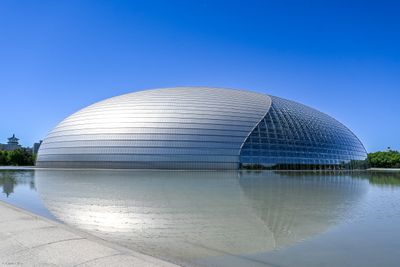
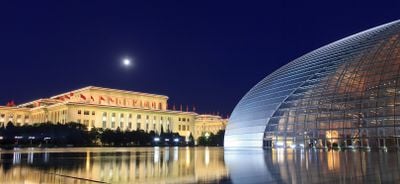
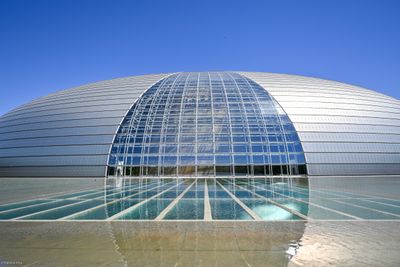
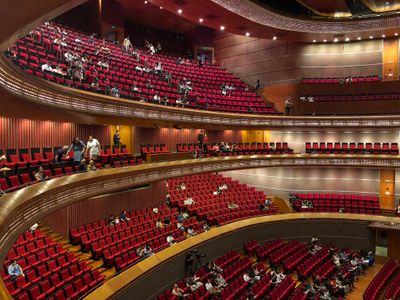
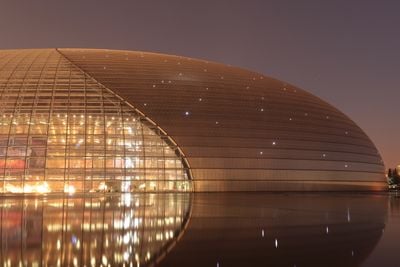
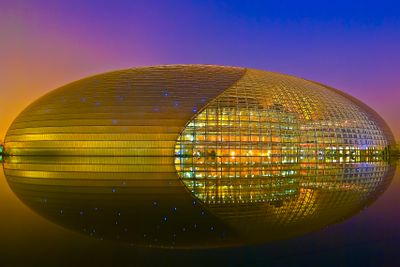
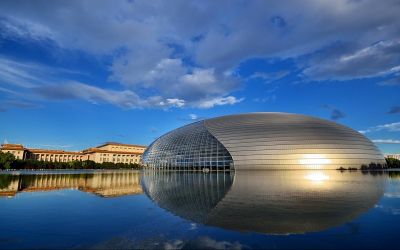
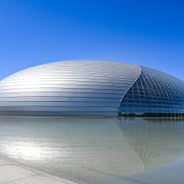
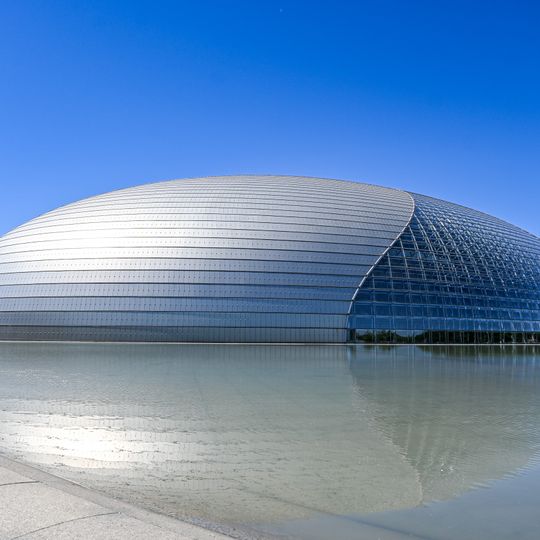
The National Centre for the Performing Arts is a modern opera house and performance center in Beijing's downtown area featuring a distinctive egg-shaped dome made of titanium and glass. The structure contains three main halls of varying sizes and sits surrounded by an artificial lake that reflects the building.
The building was designed by French architect Paul Andreu and opened in December 2007 after six years of complex construction. Its completion marked a turning point in Beijing's modern skyline and performing arts infrastructure.
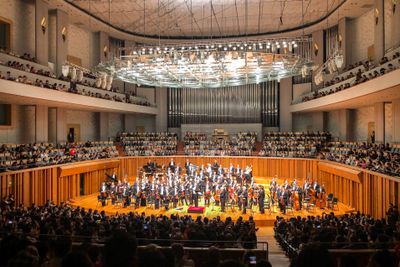
The center hosts Chinese and international performances that draw artists and audiences daily, serving as a cultural hub for opera, theater, and music in the city. The three main halls reflect Beijing's commitment to supporting diverse forms of stage art for both local and visiting audiences.
The location is near other major museums and cultural sites, making it easy to combine a visit with other attractions in the area. Visitors should arrive early since the halls host performances and viewing access may be limited during shows.
The building incorporates a specialized water filtration system that keeps the artificial lake clear while protecting the titanium exterior. This underground system operates continuously and shows the technical sophistication built into the entire structure.
Location: Xichang'anjie Subdistrict
Inception: July 2007
Architects: Paul Andreu
Official opening: December 2007
Architectural style: high-tech architecture
Address: 2 Xi Chang An Jie, Xi Cheng Qu, China, 100031
Phone: +861066550000
Website: http://chncpa.org
GPS coordinates: 39.90333,116.38361
Latest update: December 6, 2025 16:00
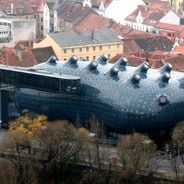
Postmodern architecture emerged in the 1970s as a response to the rigid principles of modernism, reintroducing color, ornament, and historical references into contemporary building design. The movement evolved over decades, producing structures that challenge conventional forms and experiment with different materials and surfaces. These buildings demonstrate varied approaches to design, from playful facades to complex geometric constructions, showing how architects employ new technologies while engaging with historical stylistic elements. The collection includes cultural institutions such as the Guggenheim Museum Bilbao and Casa da Música in Porto, public buildings like Seattle Central Library and Almere City Hall, and religious structures such as the Jubilee Church in Rome. Other examples include the SIS Building in London, Dancing House in Prague, and Niterói Contemporary Art Museum in Rio de Janeiro. The Louvre Pyramid in Paris and the Wexner Center for the Arts in Columbus show different interpretations of postmodern principles. The Piazza d'Italia in New Orleans with its colored colonnades and the Portland Building with its decorated facade represent early postmodern works in the United States.
Beijing offers photographers a mix of imperial palaces, Buddhist temples, traditional hutongs, and contemporary architecture. The city combines the Great Wall at Mutianyu and the Forbidden City with modern structures like the CCTV Headquarters and Bird's Nest stadium. Historic sites such as the Temple of Heaven and Summer Palace stand alongside the 798 Art Zone and Sanlitun's bars. From the Bell and Drum Towers to the National Centre for the Performing Arts, this collection includes locations across multiple districts. Nanluoguxiang Hutong and Yandaixiejie Hutong showcase traditional alleyways, while Beihai Park and Jingshan Park provide elevated viewpoints. Temples like Yonghe and Fayuan, plus the ruins of the Old Summer Palace, add to the city's architectural variety for social media content.
The most important opera houses of the 19th century form an architectural group that reflects the history of classical music. These buildings, located in major world capitals, showcase various styles: neoclassical, neobaroque, modern. Their architectures reflect the evolution of acoustic techniques and performing arts. From the Teatro San Carlo in Naples to the Palais Garnier in Paris, these buildings are references in theatrical architecture.
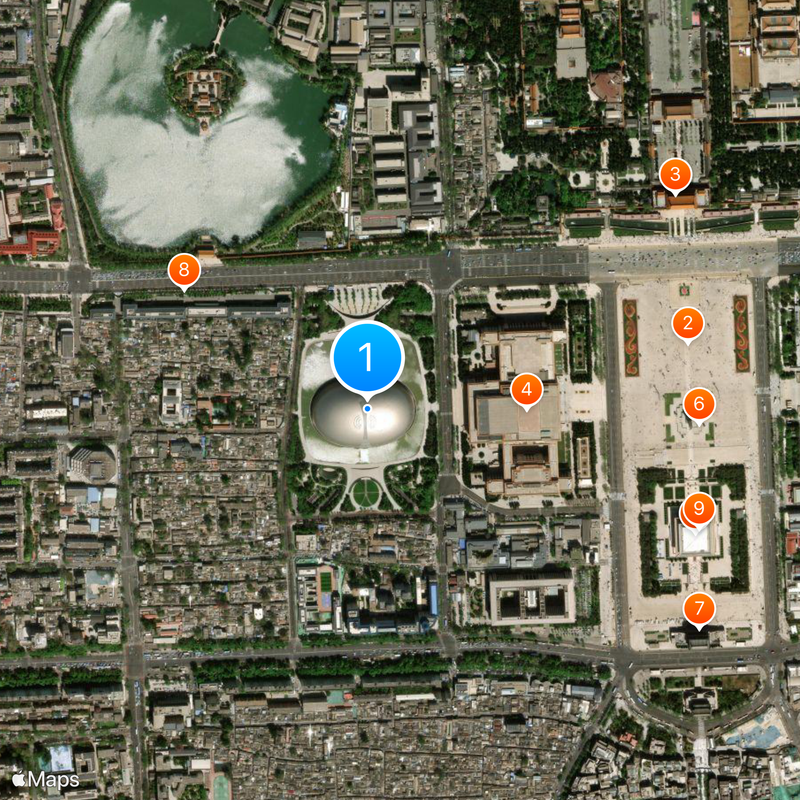
Zhongnanhai
934 m
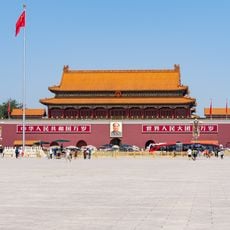
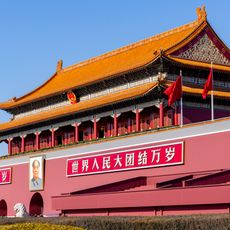
Tiananmen
778 m
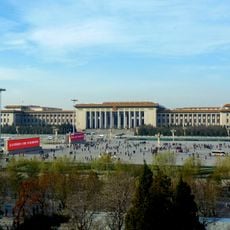
Great Hall of the People
332 m
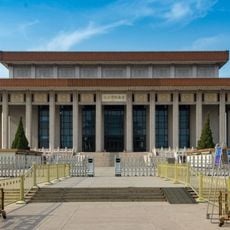
Mausoleum of Mao Zedong
727 m
National Museum of China
973 m
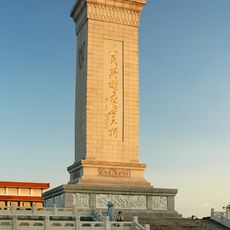
Monument to the People's Heroes
689 m
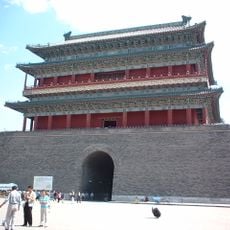
Zhengyangmen
824 m
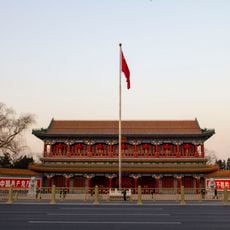
Xinhuamen
453 m
Meridian Gate
1.2 km
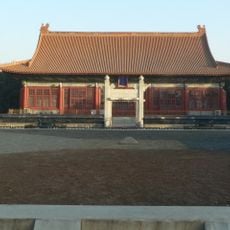
Imperial Ancestral Temple
1.1 km
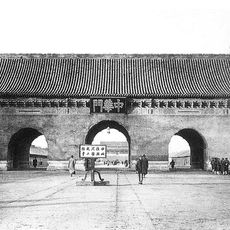
Gate of China
731 m
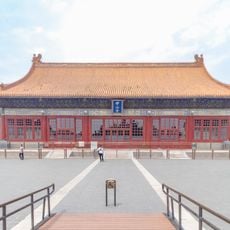
Hall of Military Prowess
1.3 km
Cathedral of the Immaculate Conception
1.3 km
Zhongshan Park
668 m
Beijing Shejitan
897 m
Huangshicheng
1.3 km
Beijing Railway Museum
1.1 km
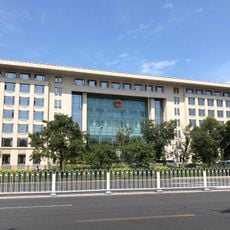
National People's Congress Building
514 m
West Glorious Gate
1.2 km
Beijing Planning Exhibition Hall
1.1 km
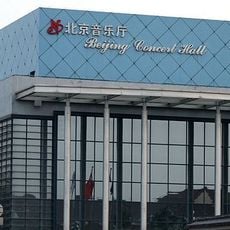
Beijing Concert Hall
633 m
Xijiaomin Xiang
578 m
China Numismatic Museum
524 m
中国农工银行旧址
774 m
Site of Continental Bank Beijing Branch
557 m
Red Guard Liaison Station of Beijing Universities and Middle Schools
1.1 km
Xidan Cultural Square
1.3 km
Changpu River Park
1.2 kmReviews
Visited this place? Tap the stars to rate it and share your experience / photos with the community! Try now! You can cancel it anytime.
Discover hidden gems everywhere you go!
From secret cafés to breathtaking viewpoints, skip the crowded tourist spots and find places that match your style. Our app makes it easy with voice search, smart filtering, route optimization, and insider tips from travelers worldwide. Download now for the complete mobile experience.
A unique approach to discovering new places❞
— Le Figaro
All the places worth exploring❞
— France Info
A tailor-made excursion in just a few clicks❞
— 20 Minutes