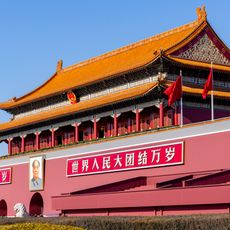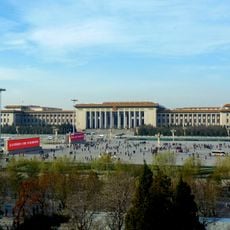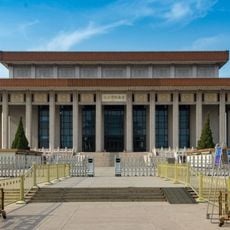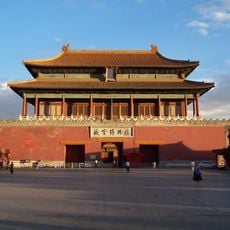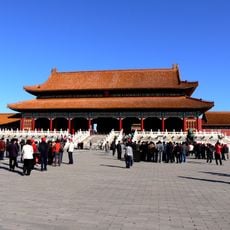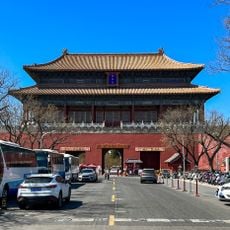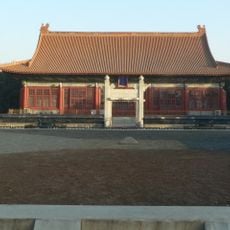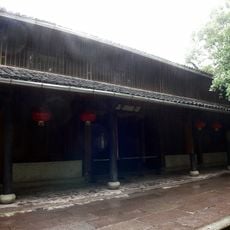
Zhongshan Park, Imperial altar turned public park near Forbidden City, Beijing, China
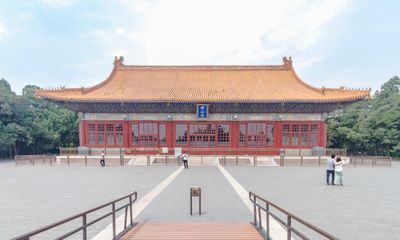
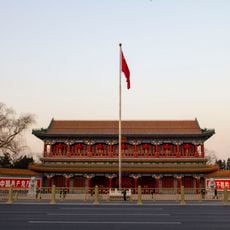
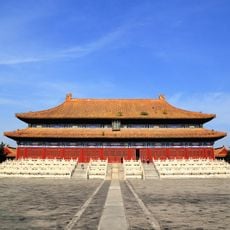
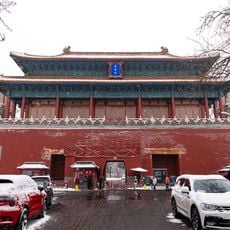
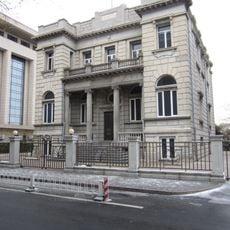
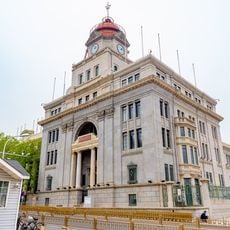
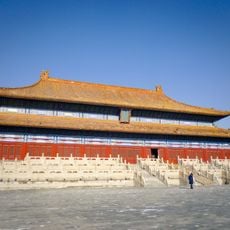
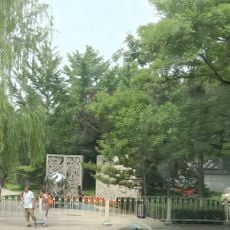
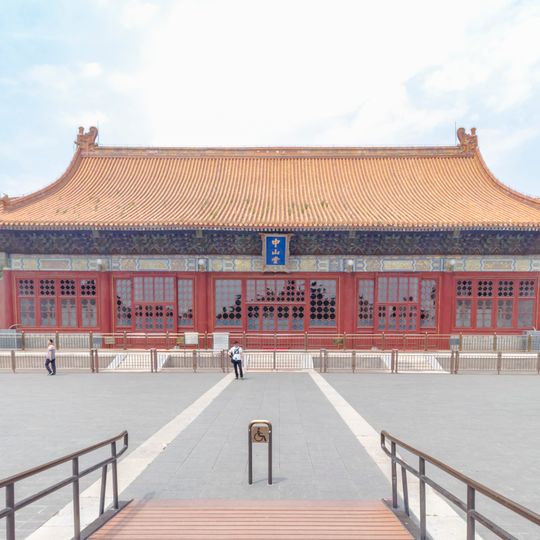
Zhongshan Park is an urban park built on the grounds of a former imperial altar near the Forbidden City in Beijing. The site features a large central altar with a square terrace, surrounded by pavilions, gateways, and gardens arranged according to traditional Chinese architectural principles.
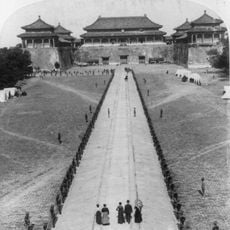
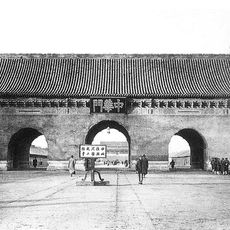
The site was founded in 1421 as the Altar of Land and Grain by the Yongle Emperor and served for imperial rituals for centuries. After the 1911 revolution, it became a public park in 1914 and received its current name in 1928.
The park is named after Sun Yatsen, founder of modern China, and visitors can observe how the layout follows traditional rules for sacred spaces with pavilions arranged around the central altar. The design reflects beliefs about connecting earth and heaven through ritual spaces.
The park is easily reached on foot from the Forbidden City and has several entrances on different sides. The best time to visit is early morning or late afternoon when fewer visitors are in the park.
A greenhouse displays around 40 varieties of tulips gifted by the Princess of Holland in 1977, bringing an unexpected European touch to the traditional Chinese landscape. This international flower collection stands out against the timeless imperial architecture surrounding it.
The community of curious travelers
AroundUs brings together thousands of curated places, local tips, and hidden gems, enriched daily by 91,741 contributors worldwide.