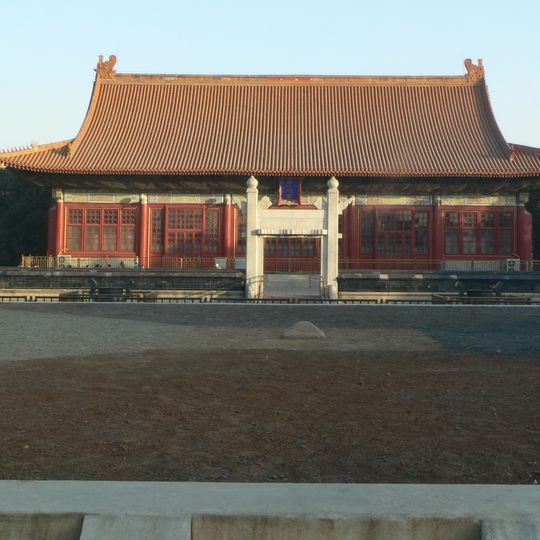
Beijing Shejitan, Historical altar in Donghuamen, China
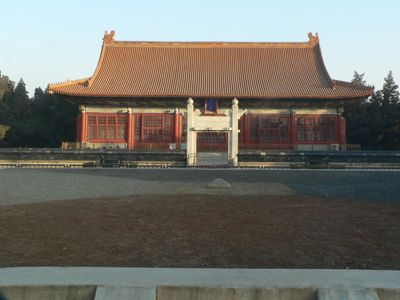
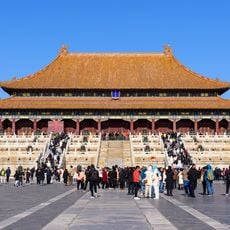
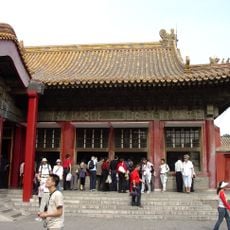
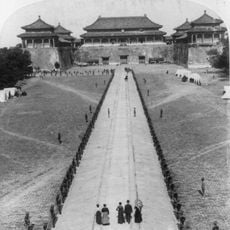
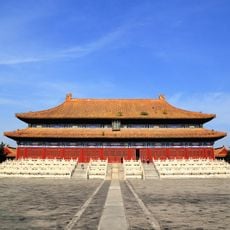
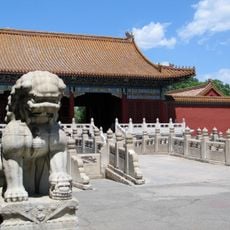
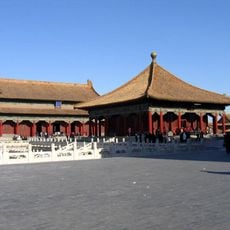
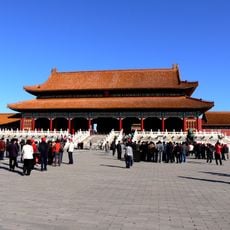
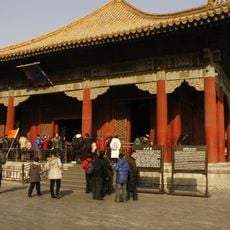
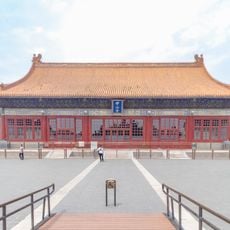
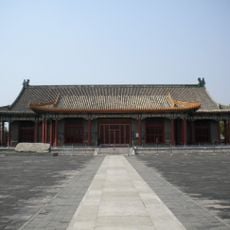
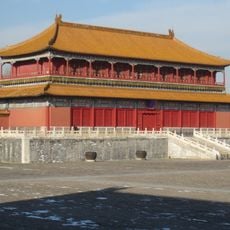
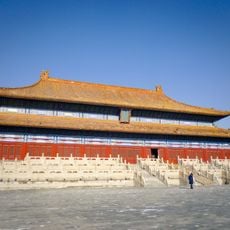
Beijing Shejitan is a historical altar in the inner city with a square base, stone staircases on all sides, worship halls, and pavilions for offerings. The structure combines multiple buildings and courtyards that together form a unified ceremonial site.
The altar was built in 1421 during the Ming Dynasty as a ceremonial site for imperial rituals. It served as an important center for ceremonies related to harvest protection and imperial prosperity until the Qing period.
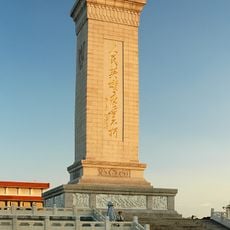
The altar's surface is laid with five-coloured earth: yellow at the centre, green to the east, red to the south, white to the west and black to the north, matching the five directions of Five Elements thought and standing for the idea that all land under heaven belongs to the ruler. A square stone pillar called the Shezhu or Jiangshan stone once stood at the centre.
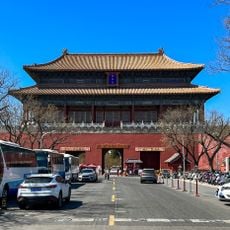
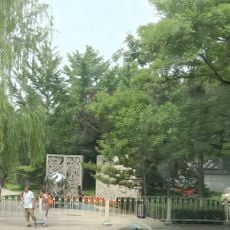
The site is located within Zhongshan Park and is accessible for educational visits about Chinese ceremonial traditions. Visitors should wear comfortable shoes since there are multiple levels and staircases to explore.
The site follows a precise geometric layout that connects it to the Imperial Ancestral Temple and reflects ancient concepts of cosmic order. This spatial arrangement demonstrates how Chinese rulers expressed their authority through carefully designed architectural relationships.
The community of curious travelers
AroundUs brings together thousands of curated places, local tips, and hidden gems, enriched daily by 92,793 contributors worldwide.