Hall of Mental Cultivation, Imperial residence in Forbidden City, China
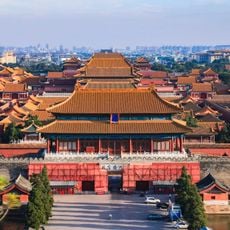
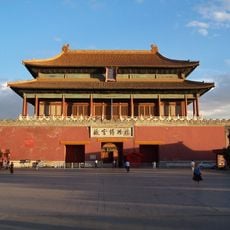
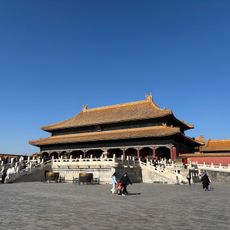
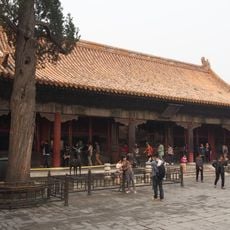
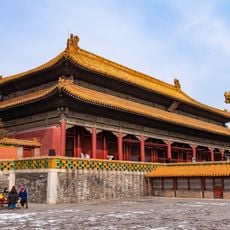
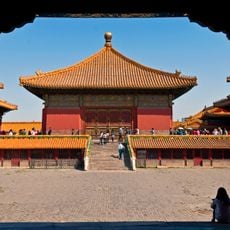
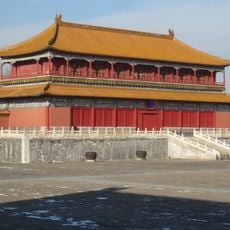
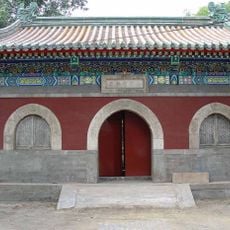
The Hall of Mental Cultivation is a wooden hall in the Forbidden City's inner court, built on a low stepped stone base. Its front has four red-framed bays with tall dark openings, the two central ones projecting slightly, under a hip-and-gable roof of yellow glazed tiles with animal ornaments on the ridge. Inside, the front hall is divided into the Eastern and Western Warm Chambers, with a two-storey Buddha hall behind the west chamber.
From 1722 onward, eight Qing emperors conducted their daily administrative work in this space. Later, imperial dowagers exercised power from behind silk screens, making crucial decisions that governed the realm.
This building served as the working center where imperial decisions shaped the empire's daily life. Visitors can see the spaces where power was exercised and understand how the ruler's presence made this hall one of the most important rooms in the palace.
The hall closed for research and conservation in December 2015, and a restoration project began on 3 September 2018. It reopened with its surrounding area on 26 December 2025 after ten years closed. Entry to the Forbidden City still requires booking through the Palace Museum in advance.
The Hall of Three Rarities, a small study off the Western Warmth Chamber, held Wang Xizhi's Timely Clearing After Snowfall, Wang Xianzhi's Mid-Autumn and Wang Xun's Letter to Boyuan. In 1747 the Qianlong Emperor had these and 134 other calligraphies carved in stone for the Pavilion of Reviewing the Past in Beihai Park.
The community of curious travelers
AroundUs brings together thousands of curated places, local tips, and hidden gems, enriched daily by 94,004 contributors worldwide.