Yanxi Palace, Imperial residence in Forbidden City, Beijing, China
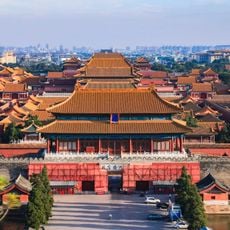
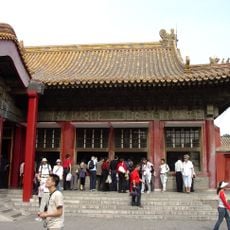
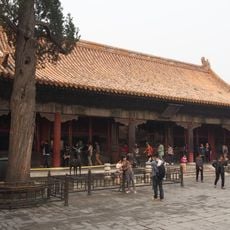
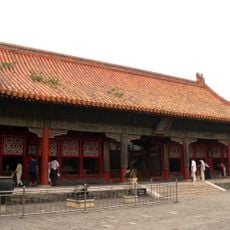
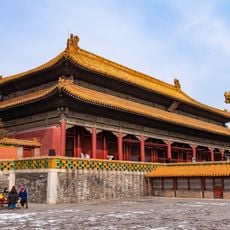
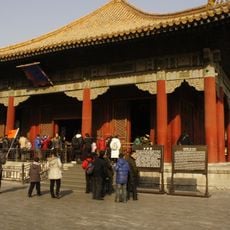
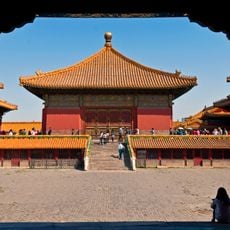
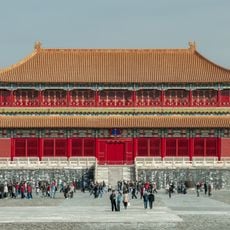
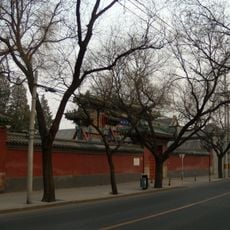
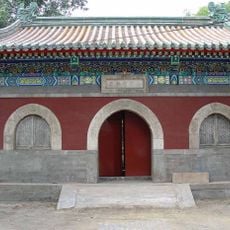
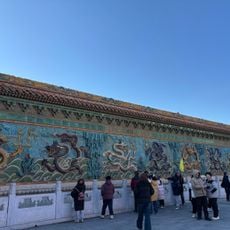
Yanxi Palace is an imperial residence on the eastern side of the Forbidden City in Beijing, China. The compound holds twenty-two rooms arranged around two walled courtyards separated from the rest of the complex by tall enclosing walls.
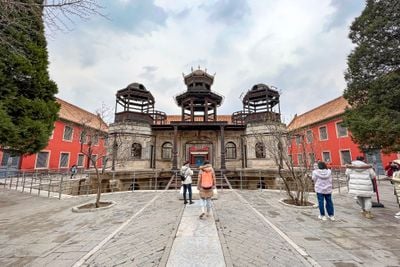
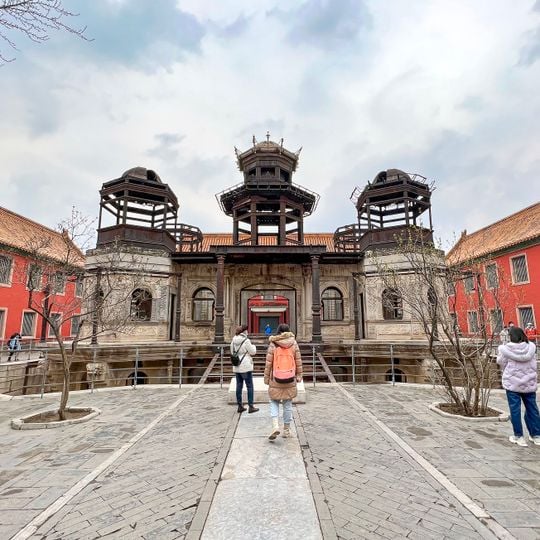
Built in 1420 under the Yongle emperor as Changshou Palace, it was renamed Yanqi Palace in 1535 and took its present name under the Qing, who rebuilt it in 1686 and 1802. Fires in 1832, 1845 and 1855 destroyed much of the compound. In 1909 work began on the iron-framed Lingzhao Xuan, or Crystal Palace, left unfinished in 1911; in 1931 the Palace Museum converted the site into a storage depot for its collections.
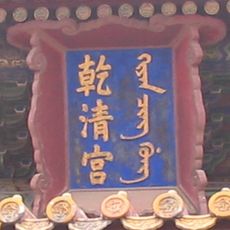
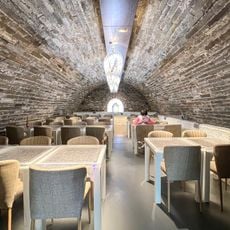
The name Yanxi means "prolonged happiness," from the phrase yanxu xiqi. Emperor Qianlong hung a plaque reading "Shenzan Huiyin" in the main hall and, at New Year, displayed his own essay and painting on Empress Cao of the Song, a model of a virtuous consort. Today the east and west side buildings hold the Palace Museum's calligraphy-painting and ceramics research centres, whose exhibitions opened the compound to the public in 2005.
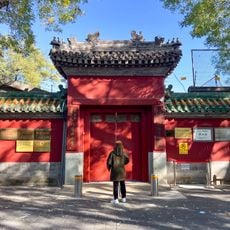
Access follows the general Forbidden City entrance, with exhibition rooms located in the eastern section. Guided tours in several languages help explain the collection and layout of the rooms.
The unfinished Lingzhao Xuan, begun in 1909, is the only steel-framed structure in the Forbidden City. Its iron columns, marble walls and glazed tiles were meant to enclose a glass-floored hall over a fish pond, but the treasury ran dry and work stopped in 1911. In 1931 the palace was converted into a museum storeroom.
The community of curious travelers
AroundUs brings together thousands of curated places, local tips, and hidden gems, enriched daily by 93,090 contributors worldwide.