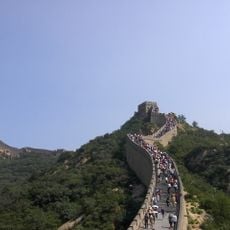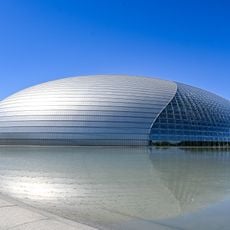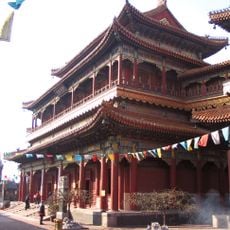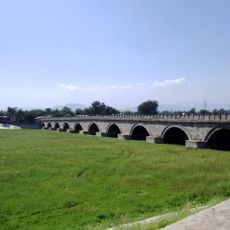
Beijing, Capital city in northern China
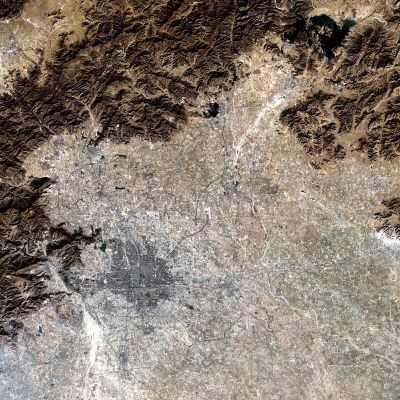
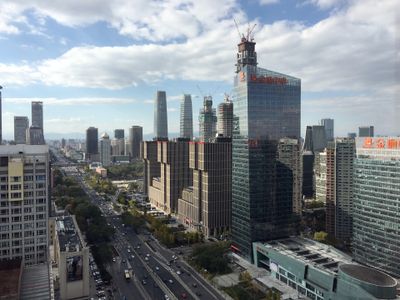
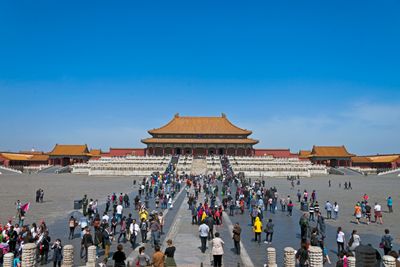
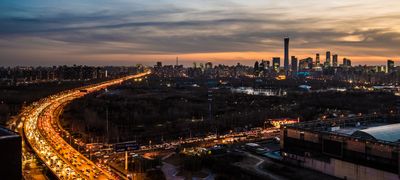
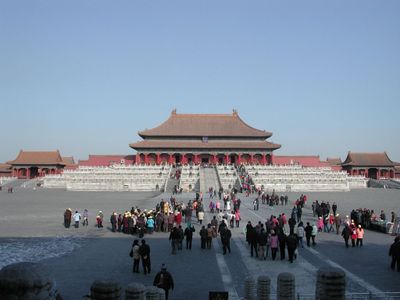
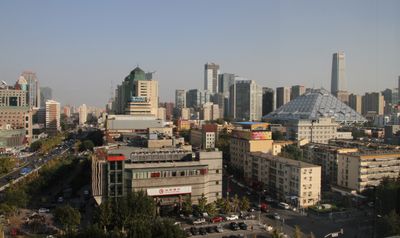
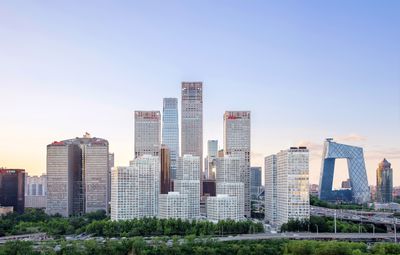
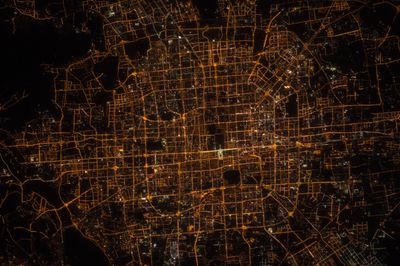
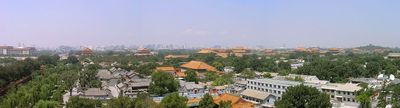
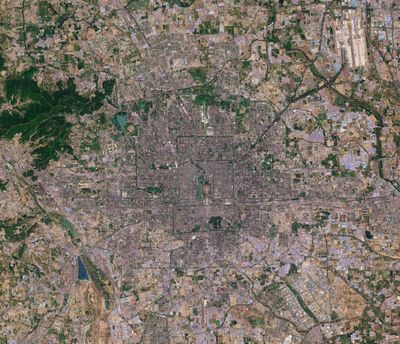
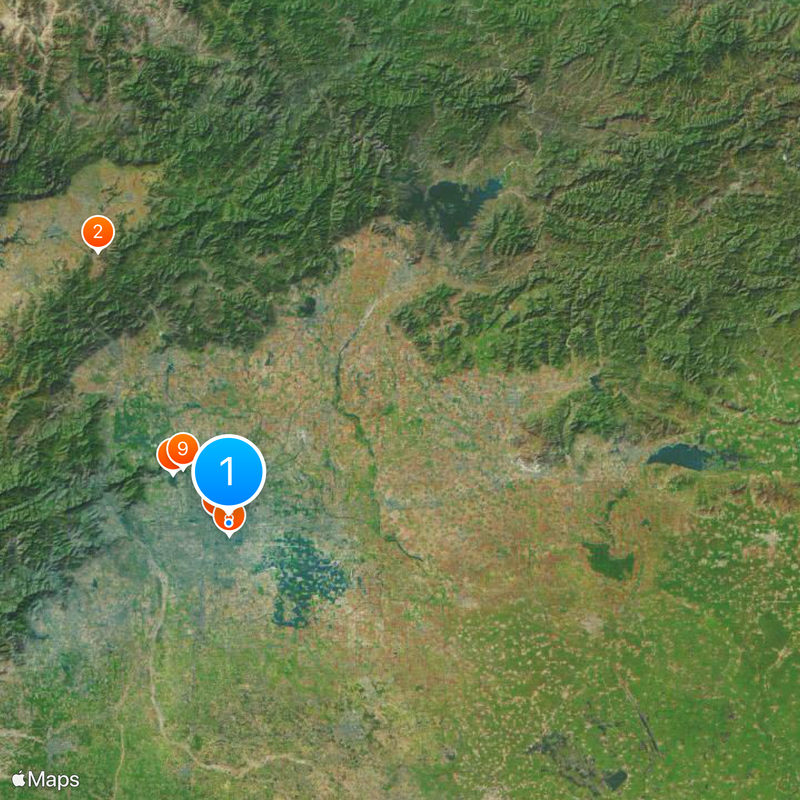
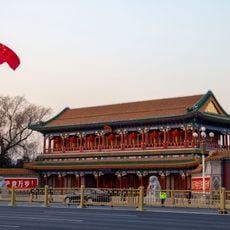
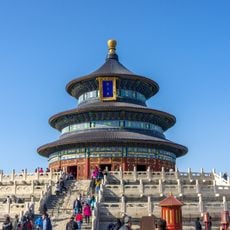
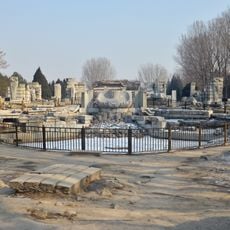
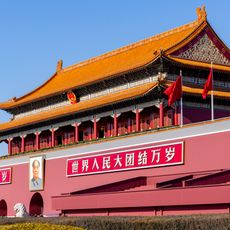
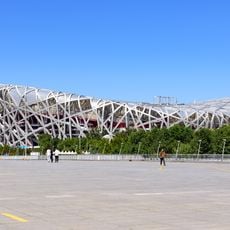
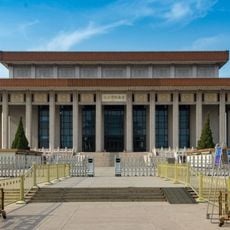
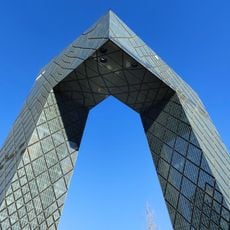
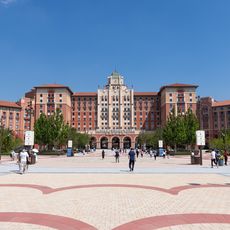
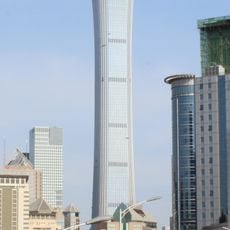
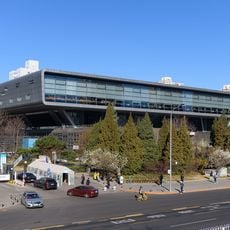
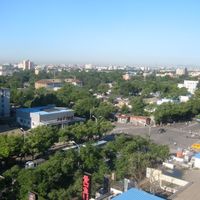
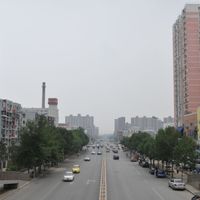
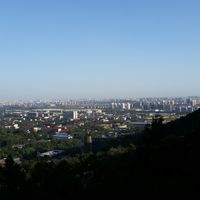
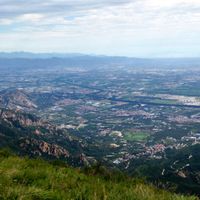
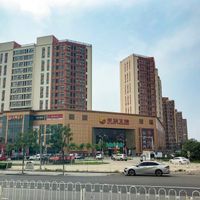
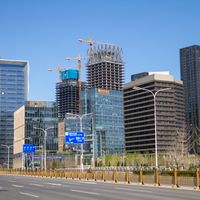
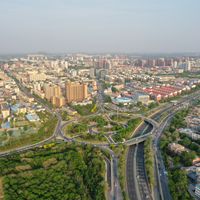
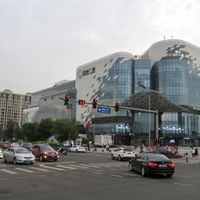
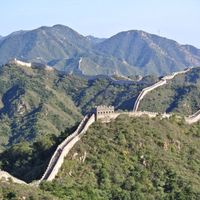
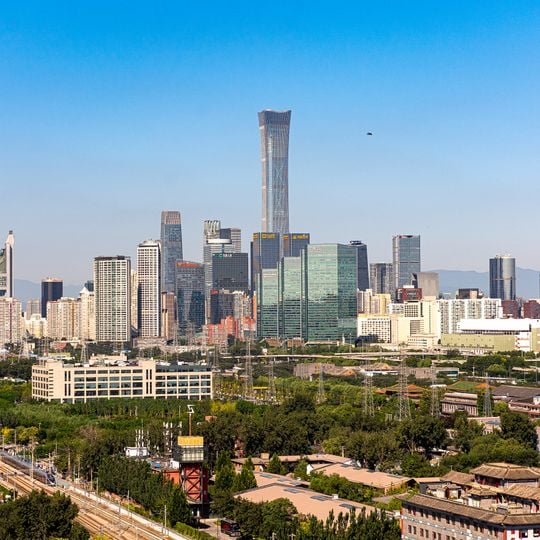
The metropolis spans 16 administrative districts and encompasses extensive industrial zones, residential areas and green spaces across 4,560 square miles, with historical structures preserved between modern developments creating diverse urban environments.
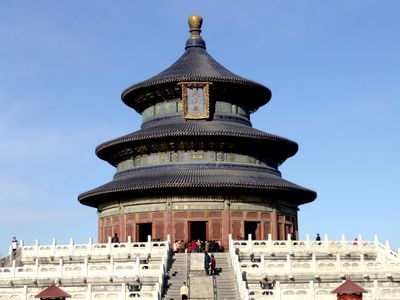
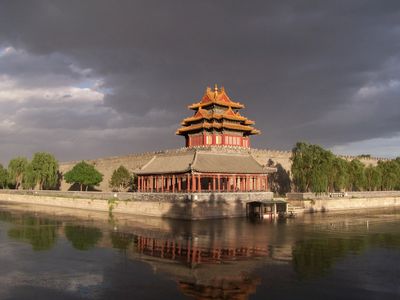
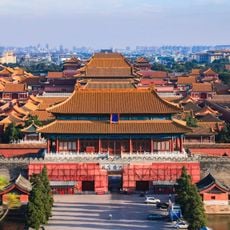
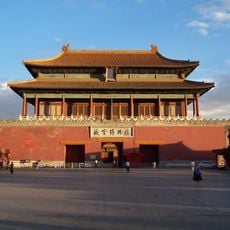
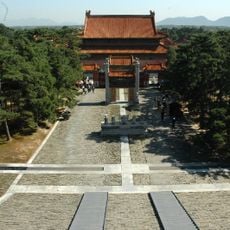
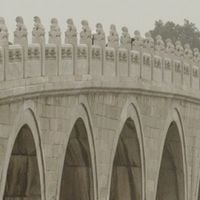
Marco Polo described the settlement in 1266 as a major urban center under Mongol rule, before the Ming Dynasty relocated the seat of government here in 1421 and initiated large construction projects that fundamentally shaped the present cityscape, further developed through republican and communist periods.
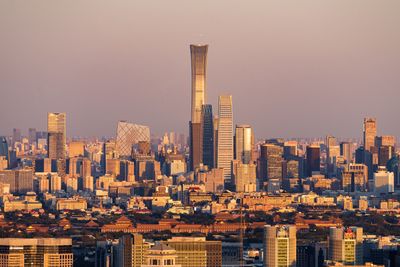
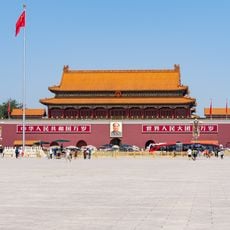
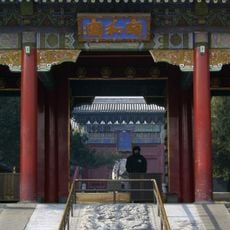
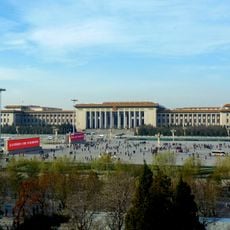
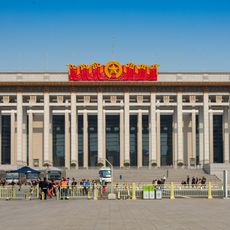
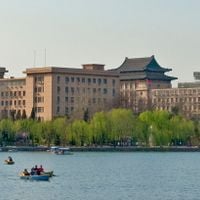
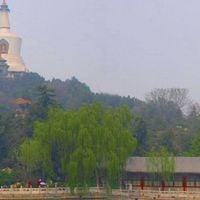
Serving as the center of political power for over seven centuries, the city shapes national cultural life through state institutions, educational establishments and artistic events, while traditional hutong neighborhoods exist alongside modern skyscrapers embodying social transformation.
Average daily temperatures range from 27 degrees Fahrenheit (minus 3 degrees Celsius) in January to 79 degrees Fahrenheit (26 degrees Celsius) in July, while Daxing International Airport provides connections to over 200 destinations worldwide and high-speed trains link the metropolis with Shanghai and other major cities.
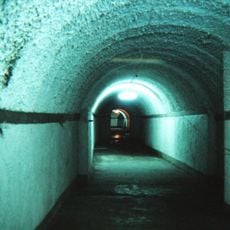
Underground Cold War nuclear bunkers extend 53 miles (85 kilometers) beneath the city and include approximately 90 shelters, with some now used as storage facilities or unusual commercial spaces.
The community of curious travelers
AroundUs brings together thousands of curated places, local tips, and hidden gems, enriched daily by 92,772 contributors worldwide.