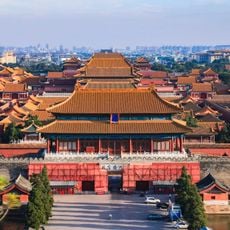
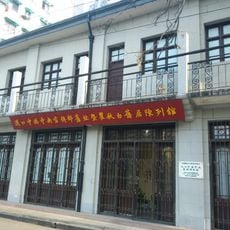
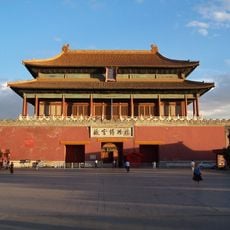
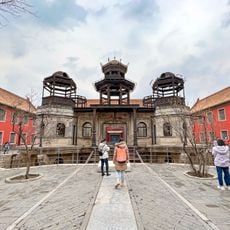
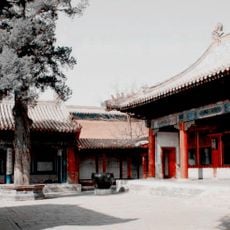
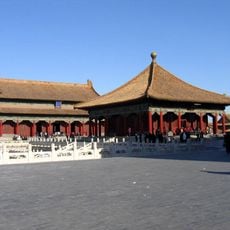
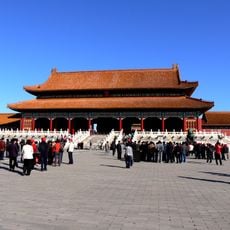
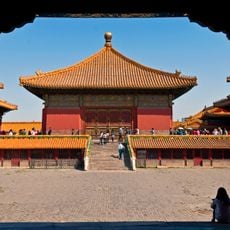
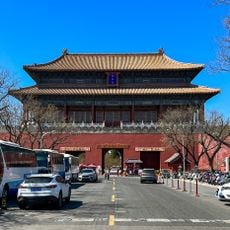
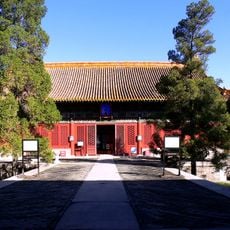
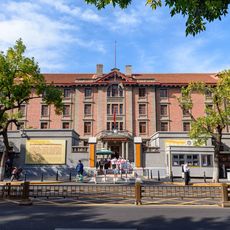
Palace of Tranquil Longevity, Imperial palace in the Forbidden City, Beijing, China.
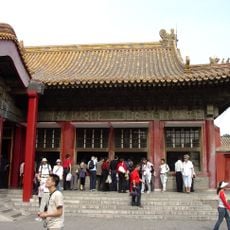
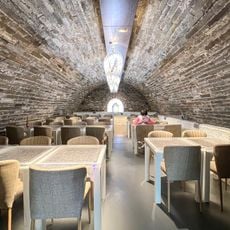
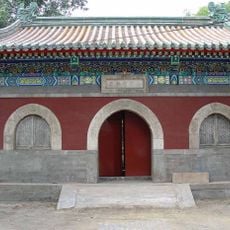
The Palace of Tranquil Longevity is an imperial residence within the Forbidden City containing multiple halls decorated with traditional Chinese woodwork, paintings, and golden ornaments. The rooms display hand-crafted artistic details reflecting the imperial craftsmanship of the period.
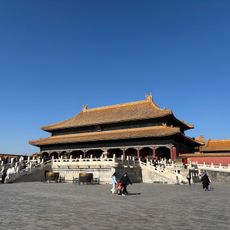
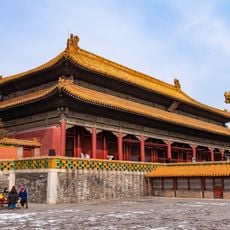
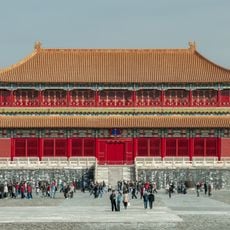
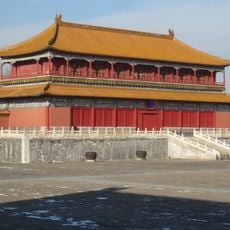
Construction began in 1771 on the Qianlong Emperor's orders as a retirement retreat, but he never spent a night there. In 1796 his son Jiaqing took the throne, and Qianlong held a banquet in the Hall of Imperial Supremacy for over 5,000 guests aged ninety and above. Cixi later used the hall for her sixtieth-birthday celebrations in 1894 and received nine foreign envoys there around her seventieth birthday in 1904.
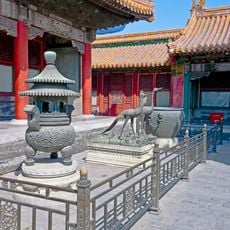
The rear hall, now called Ningshou Gong, was rebuilt after 1771 as a Manchu shamanic shrine modelled on Kunning Gong, with a spirit seat, ritual implements and a meat-boiling stove. Its name means "peaceful old age palace". Under Cixi the outer eaves paintings were changed to Su-style; the 1979 restoration returned them to Qianlong-era designs.
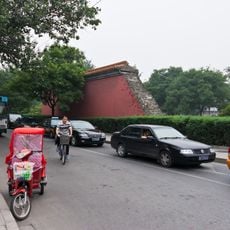
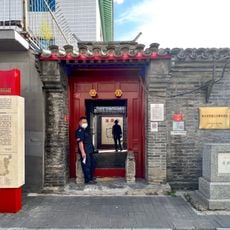
The palace is part of the Forbidden City complex and is accessed through the main entrance. Visitors should wear comfortable shoes as the site involves many steps and transitions between rooms.
The main hall, Huangji dian, was where the Qianlong Emperor hosted a banquet in 1796 for more than 5,000 guests aged ninety and above. Cixi later used the same hall for her sixtieth-birthday celebrations in 1894 and received nine foreign envoys there around her seventieth birthday in 1904.
The community of curious travelers
AroundUs brings together thousands of curated places, local tips, and hidden gems, enriched daily by 94,004 contributors worldwide.