Palace of Earthly Honour, Imperial palace in Beijing, China
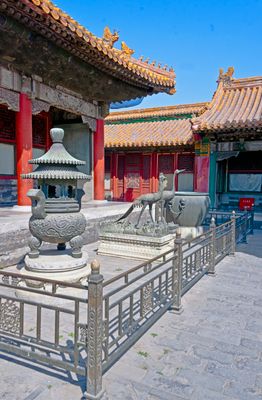
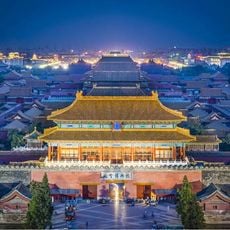
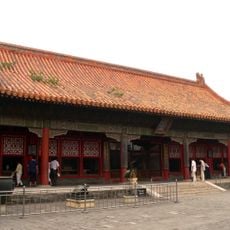
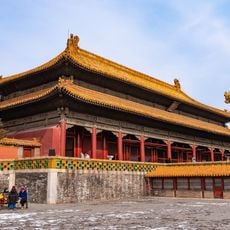
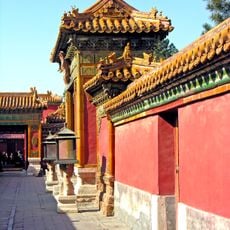
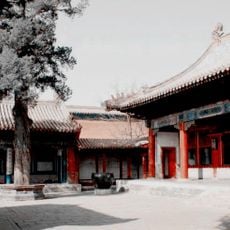
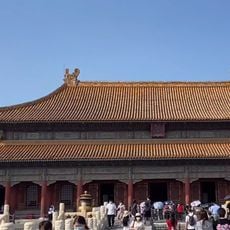
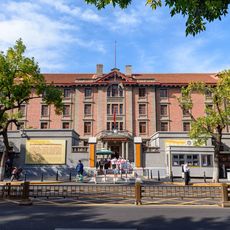
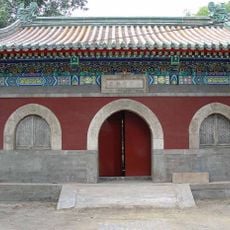
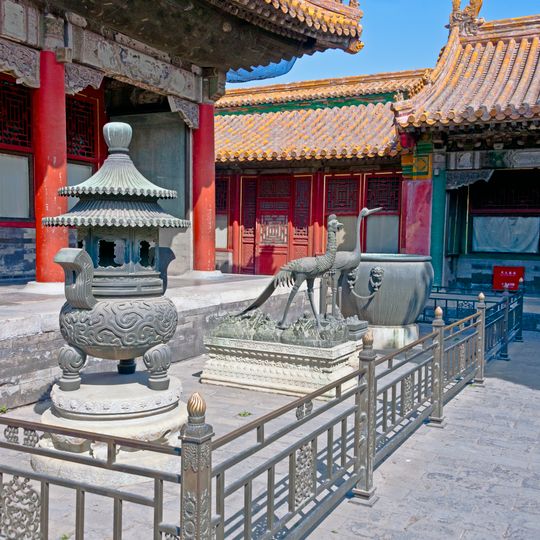
The Palace of Earthly Honour is a courtyard complex in the western section of the Forbidden City, built with multi-tiered roofs covered in yellow glazed tiles. The compound includes several connected halls arranged around a rectangular courtyard with stone terraces and bronze vessels.
The building was completed in 1417 during the reign of the Yongle Emperor as part of the Forbidden City expansion. It served as residence for empresses and high-ranking concubines until the fall of the Qing Dynasty in 1912.
The palace takes its name from Confucian virtues honoring ancestors and the earth. Its interior chambers display carved wooden panels with flowers and birds, reflecting the daily life of imperial women in the inner court.
Access is through the western route of the Forbidden City, which tends to be less crowded than the central axis. The halls are open during regular museum hours, though some interior rooms may be closed depending on conservation work.
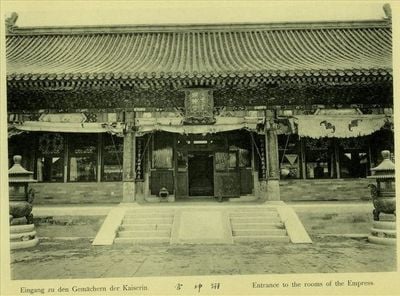
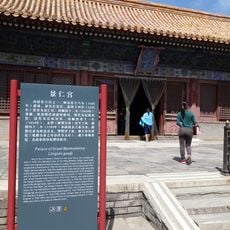
The wooden beams in the main hall retain their original Ming Dynasty framework, reinforced but never replaced over six centuries. The entrance steps feature stone carvings of dragons and phoenixes cut in a rare shallow-water style found in few other palace buildings.
The community of curious travelers
AroundUs brings together thousands of curated places, local tips, and hidden gems, enriched daily by 91,796 contributors worldwide.