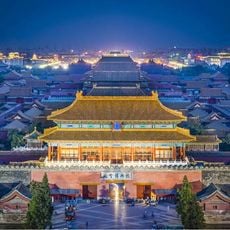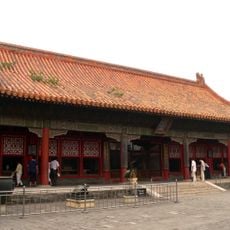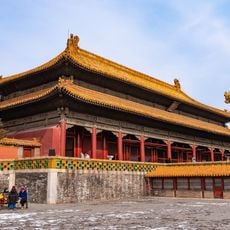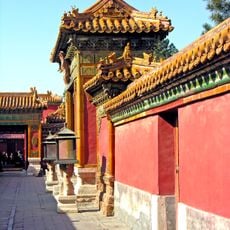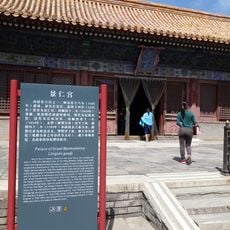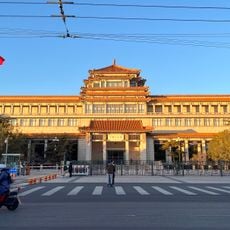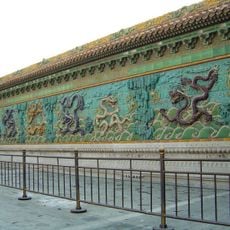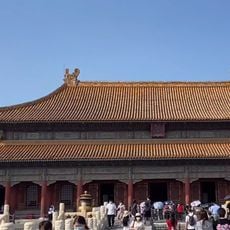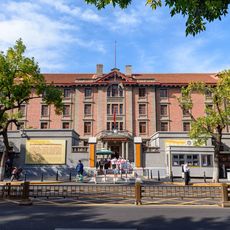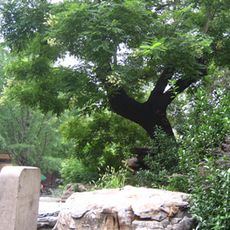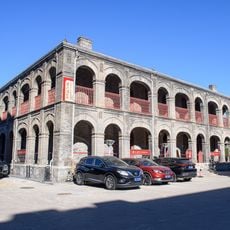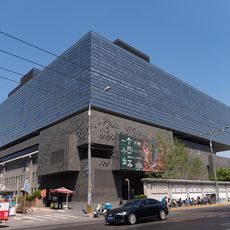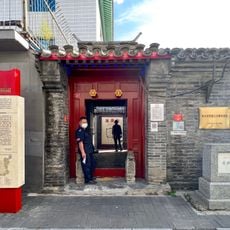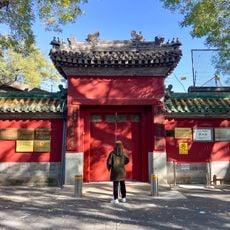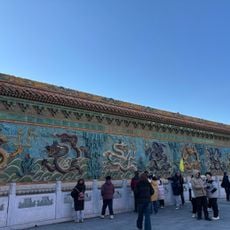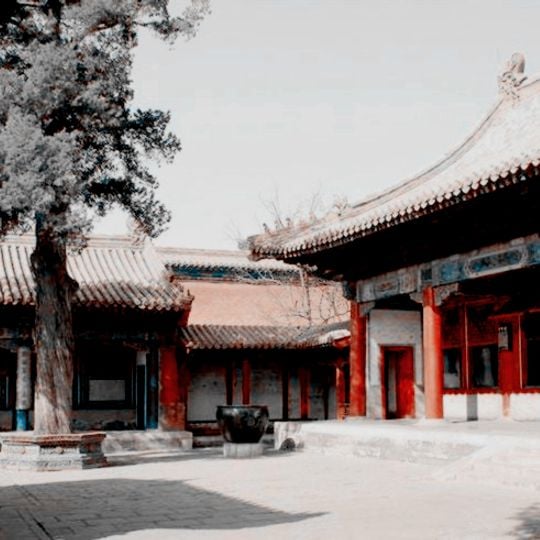
Zhongcui Palace, Ming Dynasty palace in Beijing, China.
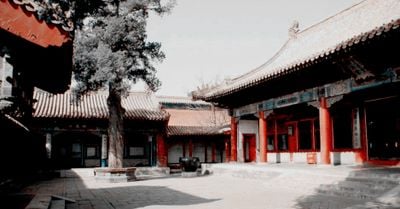
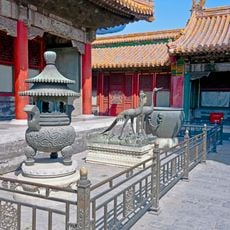
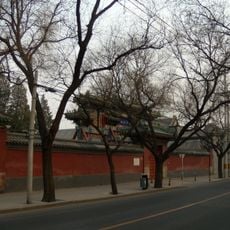
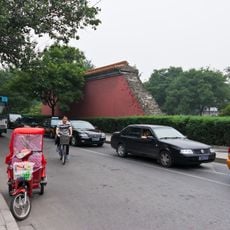
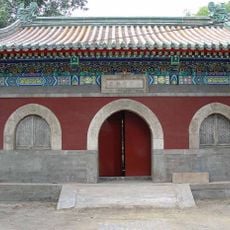
Zhongcui Palace is a Ming Dynasty complex with multiple connected halls arranged according to classical Chinese architectural principles. The buildings are organized around courtyards, with yellow-tiled roofs and stone bases that create a formal, symmetrical layout.
The palace was built in 1402 under Emperor Yongle and functioned as a center for imperial administration throughout the Ming period. It underwent several reconstructions that reflected its importance as a seat of state power and authority.
The palace served as a stage for imperial ceremonies and state receptions where court officials and dignitaries conducted official business. The arrangement of halls reflects how imperial life and governance were structured around formal protocol and hierarchy.
Entry is through the main gate, and the site is accessible during regular visiting hours. Wear comfortable shoes since exploring involves walking through multiple courtyards and halls throughout the complex.
The building layout follows ancient Chinese astronomical concepts that connected imperial power to celestial patterns and cosmic order. This hidden geometry reveals how architecture, cosmology, and state authority were interwoven in Ming Dynasty thought.
The community of curious travelers
AroundUs brings together thousands of curated places, local tips, and hidden gems, enriched daily by 91,281 contributors worldwide.