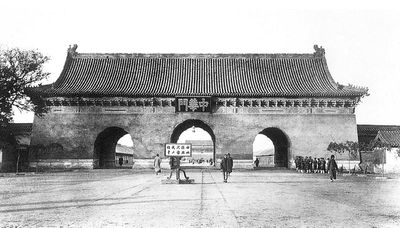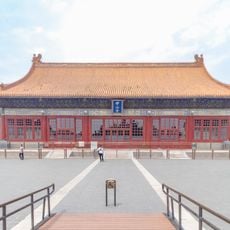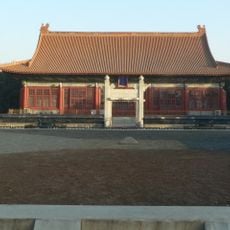
Gate of China, Ceremonial gate in Tiananmen Square, China
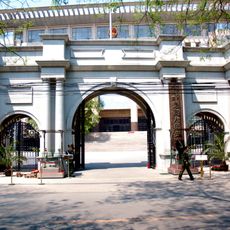
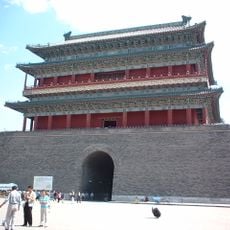
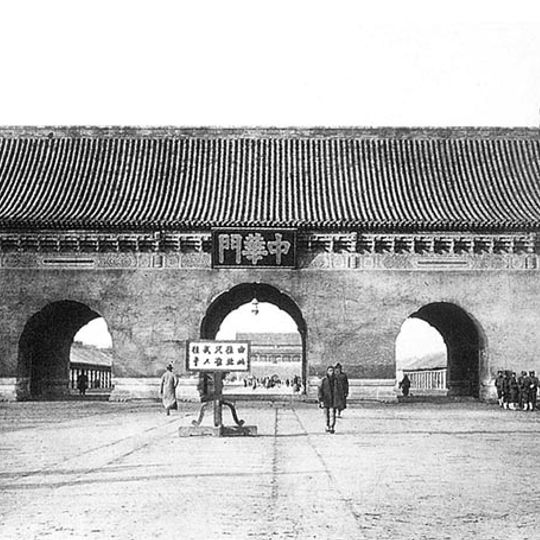
The Gate of China was a brick and stone structure with three gateways, positioned on Beijing's central axis between Zhengyang Gate and Tiananmen. It formed part of a sequence of gates that separated key zones of the city, marking the entry point to the Imperial City.
The gate was built under Emperor Yongle during the Ming dynasty and was first known as the Great Ming Gate. Its name changed twice with political shifts: it became the Great Qing Gate in 1644, then the Gate of China in 1912 after the republic was founded.
The gate served as the formal entrance to the Imperial City and was guarded by stone lions symbolizing imperial power and protection. Visitors could observe the intricately carved tablet with inscriptions that reflected the authority of the throne.
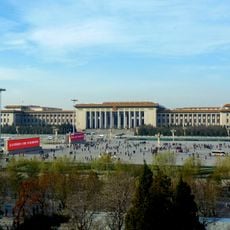
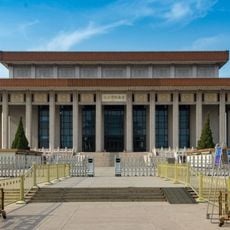
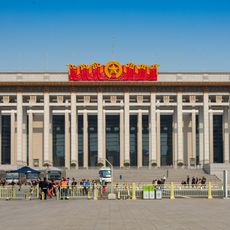
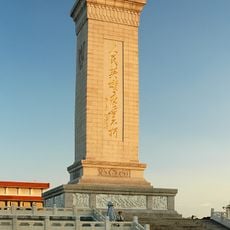
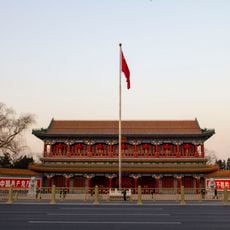
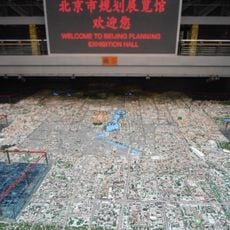
The gate no longer exists, as it was demolished in 1954, and Tiananmen Square now occupies the area where it once stood. Information panels and nearby museums in the area can help visitors understand what the site once looked like.
Between this gate and Zhengyang Gate, there was once an area known as Chessgrid Streets, a network of small lanes lined with traders and market stalls. That commercial space was later cleared to form the open square that visitors walk through today.
The community of curious travelers
AroundUs brings together thousands of curated places, local tips, and hidden gems, enriched daily by 91,249 contributors worldwide.