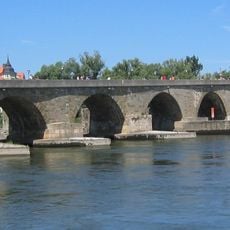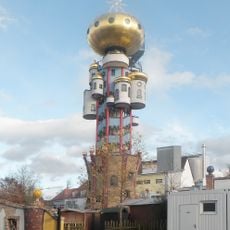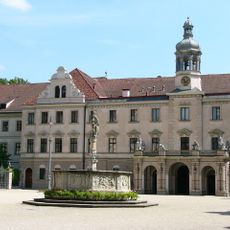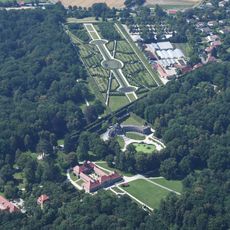
Upper Palatinate, Administrative district in Bavaria, Germany.
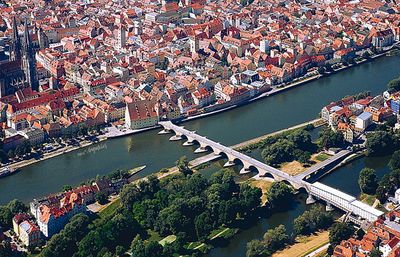
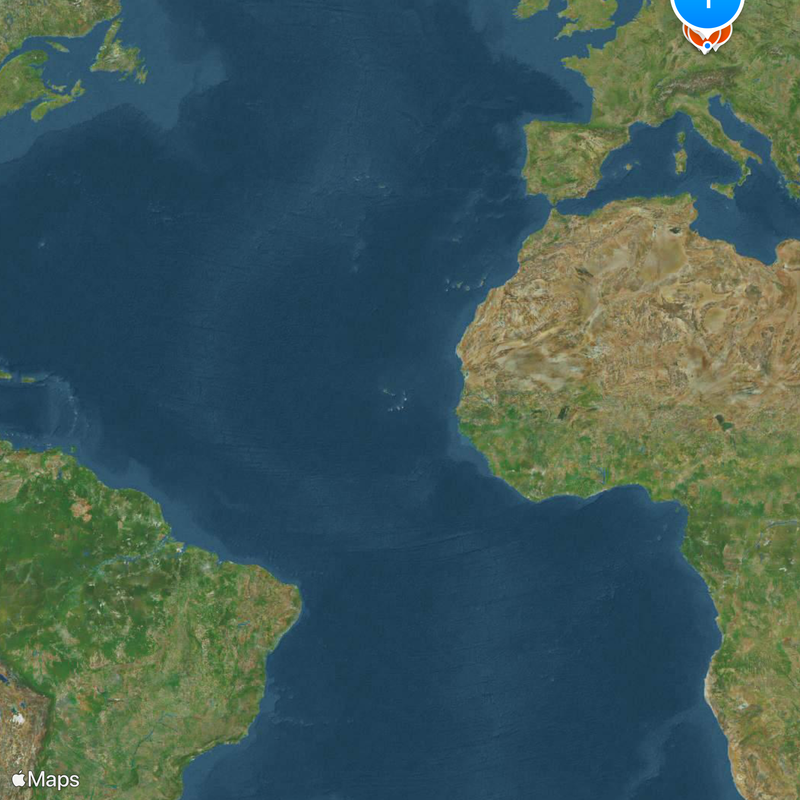
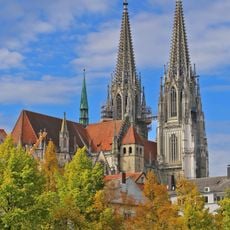
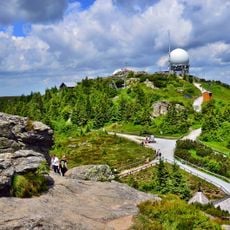
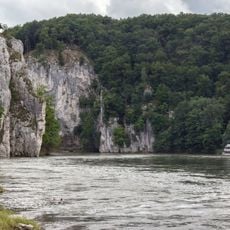
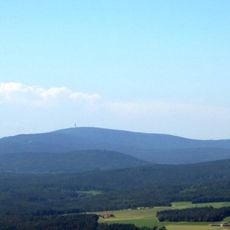
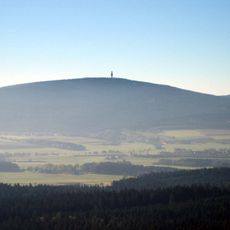
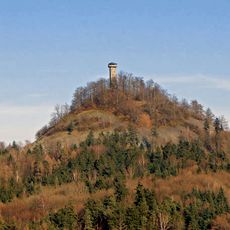
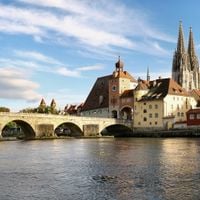
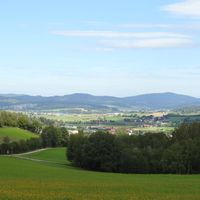
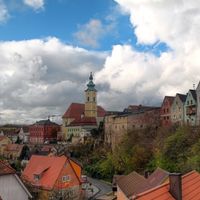
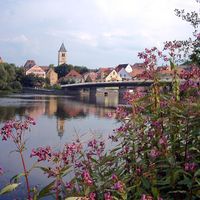
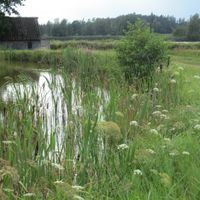
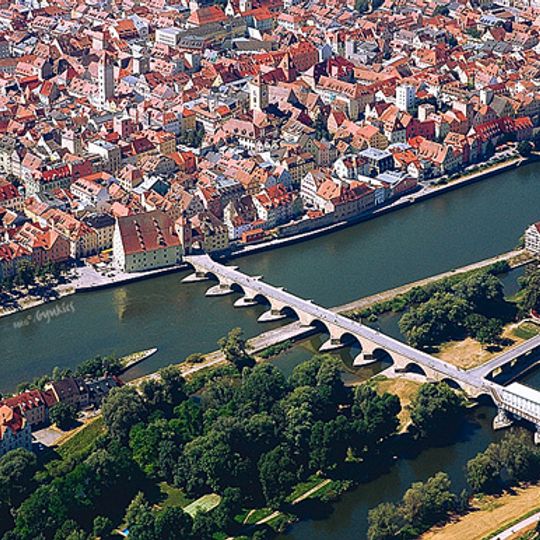
Upper Palatinate is an administrative district in eastern Bavaria, Germany, stretching from wooded low mountain ranges to the Danube valley. The territory covers seven counties and combines rural areas with smaller cities such as Regensburg, Amberg and Weiden.
The territory emerged as a separate administrative unit in 1329 after the Treaty of Pavia divided the Wittelsbach lands. This split the region from the Rhenish Palatinate and allowed it to develop under changing rulers over the following centuries.
The district takes its name from the historic County Palatine of the Rhine, with "Upper" referring to its position along the river compared to the Rhenish lands downstream. Today the area is known for dialect variations, village church festivals and brewing traditions that remain active in many towns.
Regional trains and buses connect the larger towns throughout the district and provide links to neighboring regions. Roads wind through forested hills, flat stretches along the river and smaller villages with parking typically available on the outskirts.
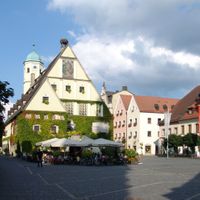
Weiden hosts a museum dedicated entirely to the history and production of ceramics. The collection displays objects spanning several centuries and offers insight into craft techniques still practiced in the region today.
The community of curious travelers
AroundUs brings together thousands of curated places, local tips, and hidden gems, enriched daily by 90,768 contributors worldwide.