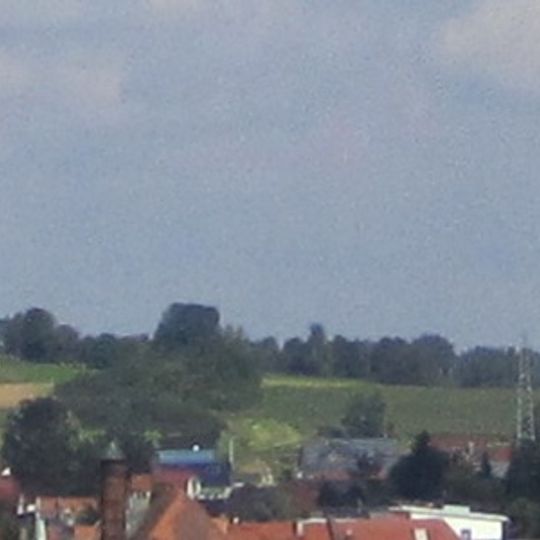
Lower Bavaria, Administrative region in southeastern Bavaria, Germany
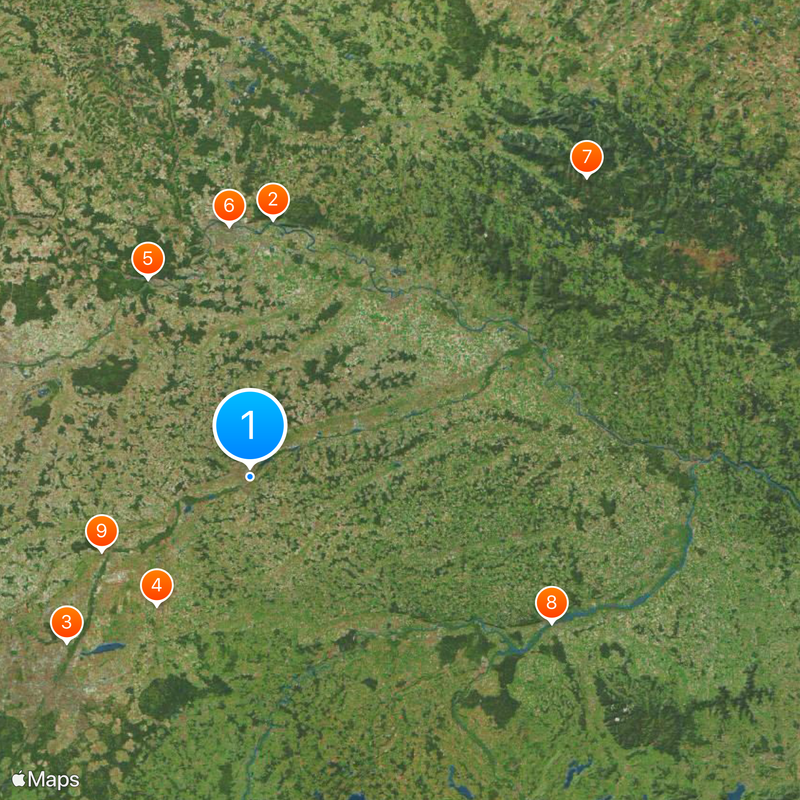
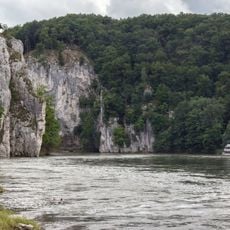
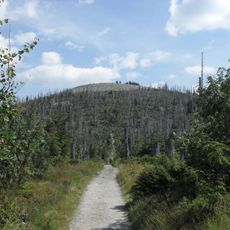
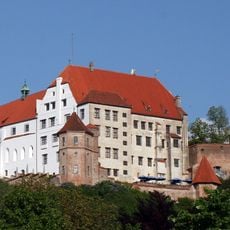
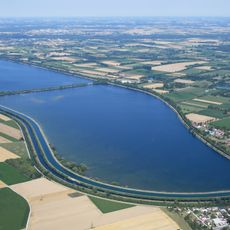
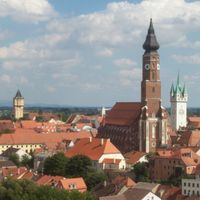
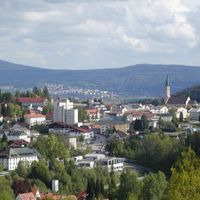
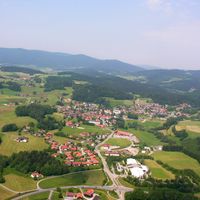
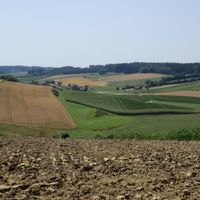
Lower Bavaria is an administrative district in southeastern Bavaria that covers river valleys, agricultural plains, and forested hills. The area stretches from the foothills of the pre-Alps to the broad fields along the Danube, which crosses the territory from west to east.
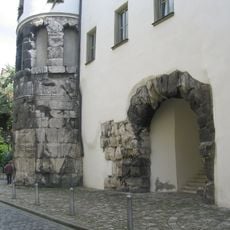
The area developed from Celtic settlements, experienced Roman occupation, and became a central Bavarian administrative unit in 1806. The reorganization followed centuries of shifting territorial borders and princely allegiances.
Many village names trace back to Celtic and Roman roots, still visible on road signs and in local pronunciation. Taverns serve recipes that combine Danube fish and regional grains, while most villages maintain their own breweries or ties to a nearby one.
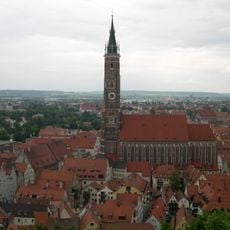
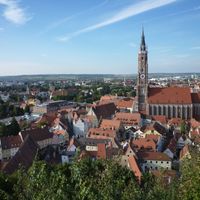
The district government in Landshut coordinates public services, educational programs, and economic initiatives across the administrative territory. Visitors can find information about municipal facilities and local projects through regional contact points in larger towns.
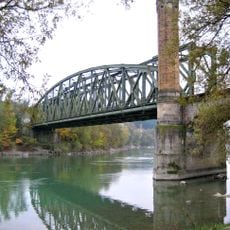
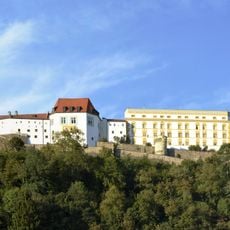
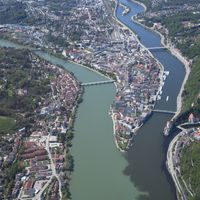
Three major rivers – the Danube, Inn, and Ilz – meet in Passau, forming a natural boundary that has shaped trade and transport for centuries. Each river carries a different water color, visible at the confluence before the streams blend together.
The community of curious travelers
AroundUs brings together thousands of curated places, local tips, and hidden gems, enriched daily by 60,000 contributors worldwide.