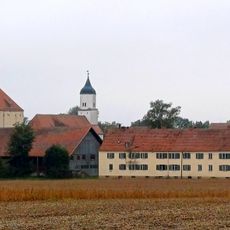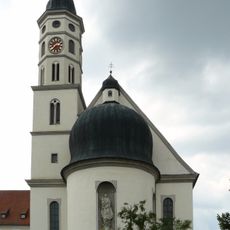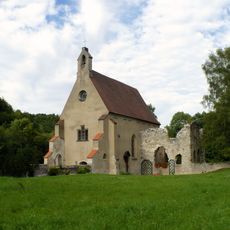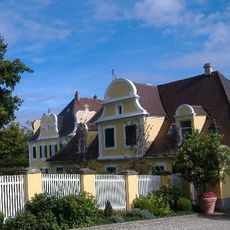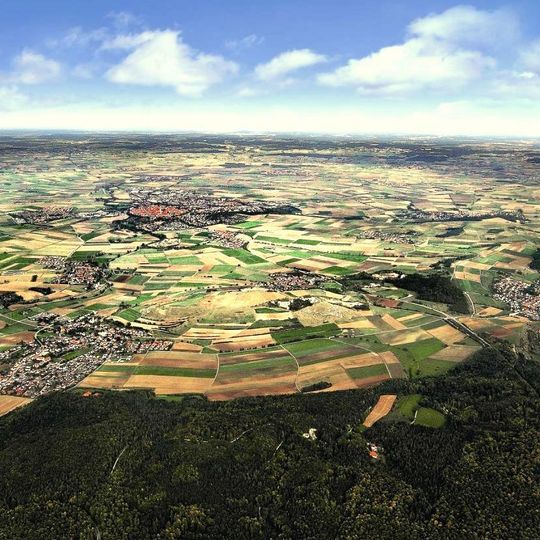
Nördlinger Ries, Rampart crater in Bavaria, Germany
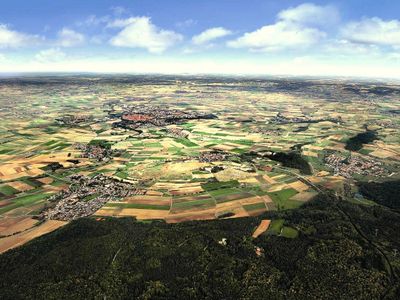
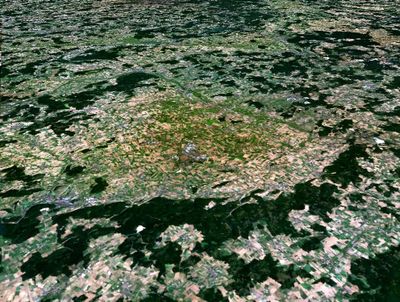
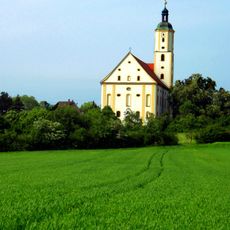
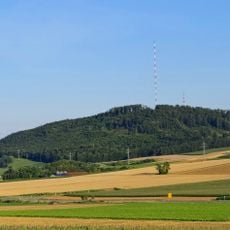
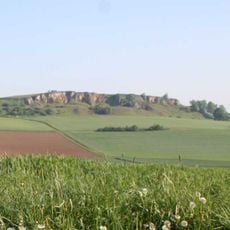
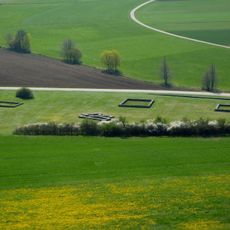
Nördlinger Ries is an impact crater in northern Bavaria whose flat inner basin spans roughly 24 kilometers across and sits about 150 meters lower than the encircling rim. The crater edge remains visible today as gentle slopes and ridges that separate the sunken floor from the higher surrounding countryside.
The impact took place 14.8 million years ago during the Middle Miocene when an asteroid struck the surface and instantly transformed the surrounding bedrock. Researchers only confirmed the true origin in 1960 after discovering coesite minerals that ruled out earlier volcanic theories.
Scientists identified the crater's true origin in 1960 through the discovery of coesite minerals, disproving previous theories about volcanic formation.
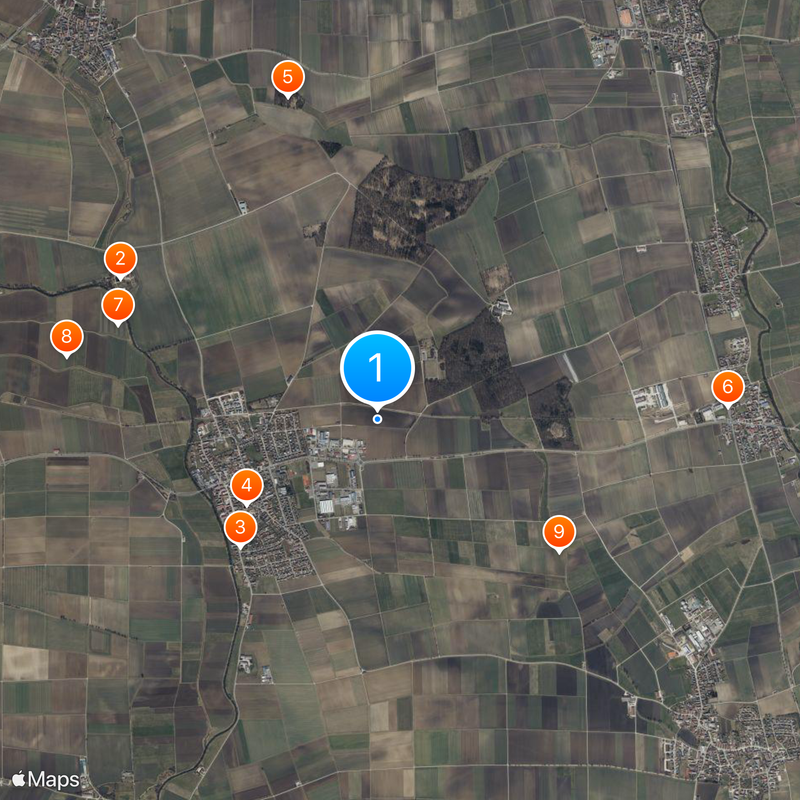
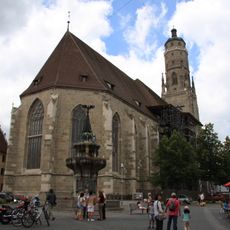
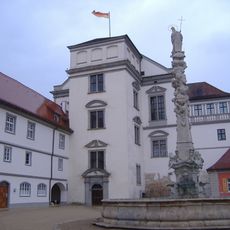
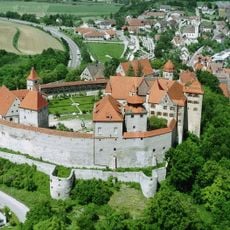
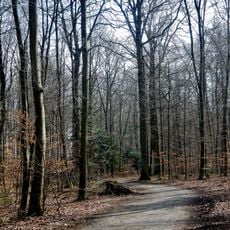
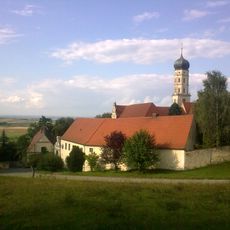
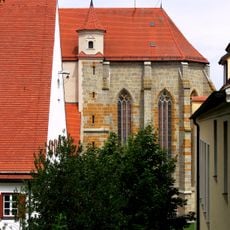
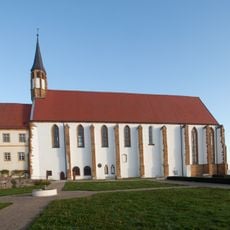
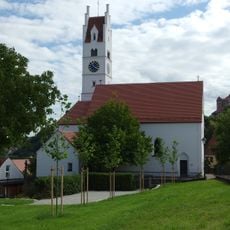
The crater's landforms can be seen clearly from higher viewpoints, while many buildings in the area use stone that contains traces of the impact. Footpaths and roads cross the basin and provide access to different parts of the terrain.
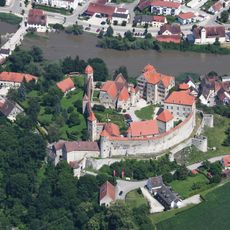
The collision turned graphite in the bedrock into microscopic diamonds that remain embedded in historic buildings around the area. Estimates suggest around 72,000 tonnes of these tiny crystals formed at the time and now lie scattered in walls and foundations.
The community of curious travelers
AroundUs brings together thousands of curated places, local tips, and hidden gems, enriched daily by 91,388 contributors worldwide.