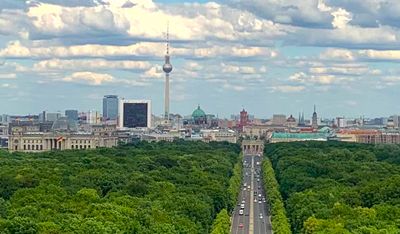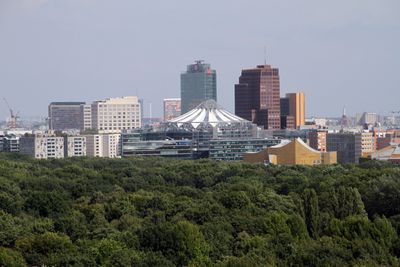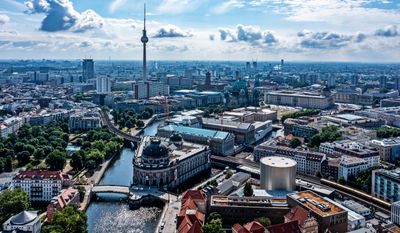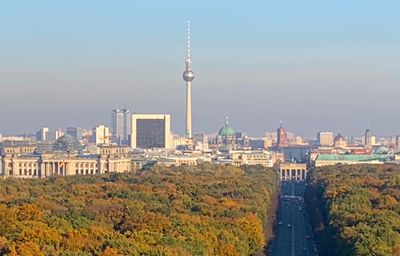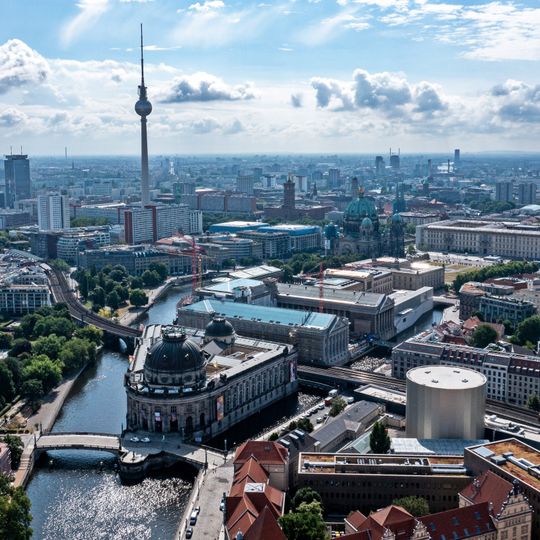
Berlin, Capital and federal city in Germany
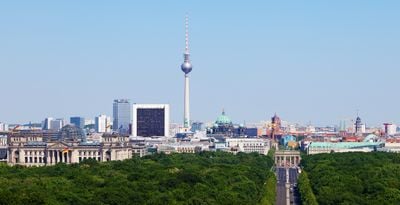
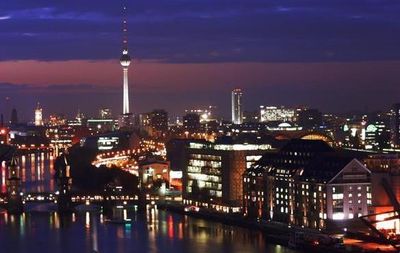
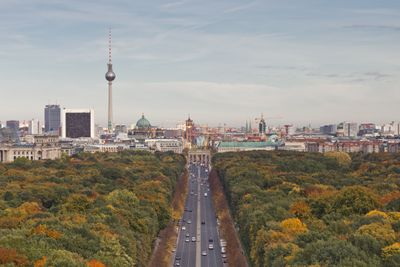
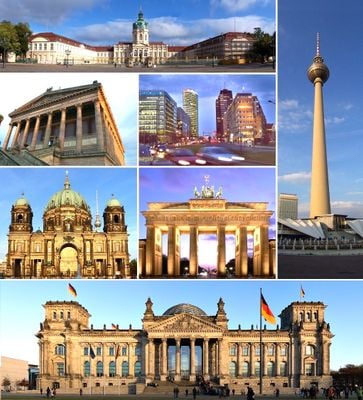
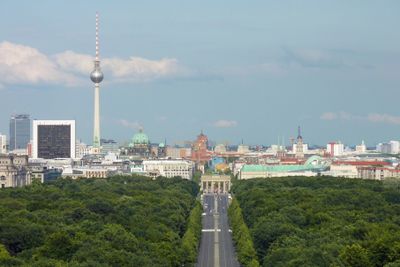
Berlin serves as both national capital and a state within the republic. Wide districts link through underground and tram lines, each area keeping its own squares and clusters of shops while rivers and canals cross the built terrain, adding reference points across the urban layout.
Settlements arose in the thirteenth century, then the site grew into a Prussian royal seat before becoming the core of an empire that survived two global conflicts. A concrete wall divided the area for nearly thirty years until crowds dismantled it in 1989, reuniting the separated parts and closing the chapter.
Residents speak plainly and skip ceremony, preferring openness to smooth etiquette in everyday conversations. Travelers from regions with gentler manners may sense the directness as brusque, yet many grow to appreciate the frankness that makes exchanges clearer and simpler.
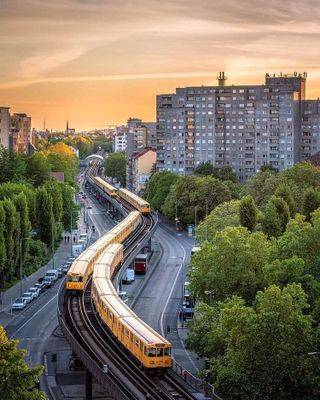
Public transport operates often and reaches most neighborhoods, though carriages fill quickly between seven and nine in the morning. Staying within one district for an afternoon makes walking or pedaling easier than switching lines often, especially when exploring details and sensing how streets work.
Several neighborhoods keep Turkish bakeries run by families who arrived decades ago, where locals queue early for fresh simit and lahmacun. These shops reveal how migration reshaped daily routines and mixed languages with customs in ways that mark the rhythm of ordinary life and continue influencing the streets today.
Location: Germany
Inception: 1244
Elevation above the sea: 34 m
Part of: Berlin-Brandenburg Metropolitan Region, agglomeration of Berlin
Shares border with: Brandenburg, Barnim District, Märkisch-Oderland District, Oder-Spree District, Dahme-Spreewald District, Teltow-Fläming District, Potsdam-Mittelmark District, Potsdam, Havelland District, Oberhavel District, Kleinmachnow, Stahnsdorf
Address: Berlin, Germany
Email: info@berlin.de
Website: https://berlin.de
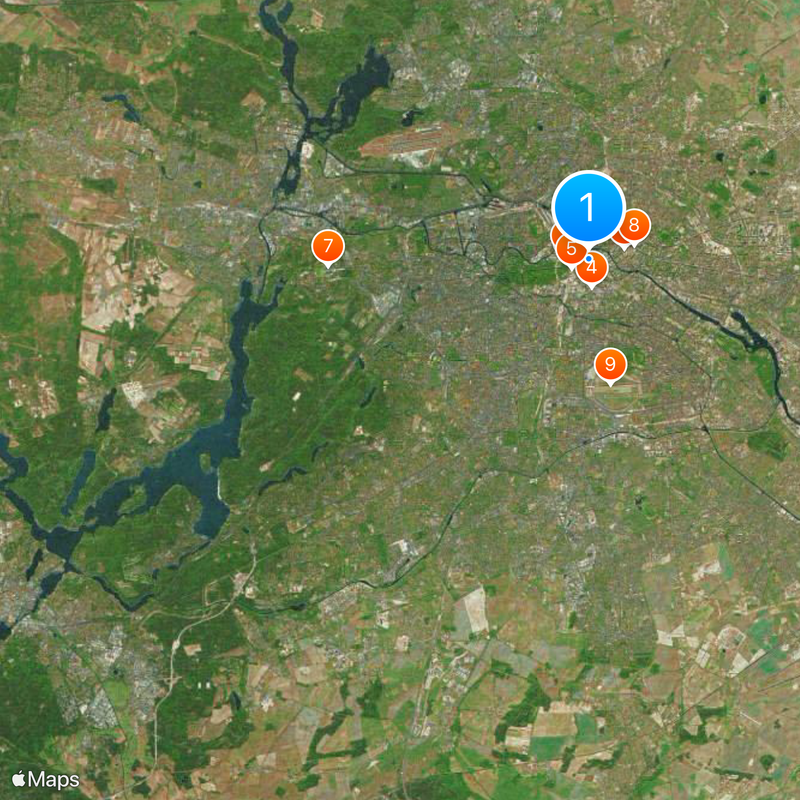
GPS coordinates: 52.51704,13.38886
Latest update: December 2, 2025 19:52
Photo license: GFDL
This ranking includes the most populous cities in Europe in 2025, from Moscow with 11.62 million inhabitants to Budapest with 1.7 million. It features major European capitals like London, Berlin, Madrid, Rome, and Paris, as well as Saint Petersburg, Vienna, and Hamburg. These metropolitan areas are the continent's main demographic centers, each with its own history, architecture, and legacy. The selection is based on the municipal population of each city. Some cities surprise with their size, such as London, which covers an area fourteen times larger than Paris, or Rome, which extends over a territory twelve times greater than the French capital. Others are distinguished by their major economic roles, such as Hamburg, which hosts Germany's largest port, or by their internationally recognized quality of life, like Vienna. These destinations invite exploration of European urban diversity from east to west.
Berlin has a wide range of recreational activities for visitors of all ages. The city combines classic entertainment like bowling and laser games with modern experiences such as virtual reality centers, flight simulation, and indoor skydiving. Families will find the LEGOLAND Discovery Centre, while groups can challenge themselves in numerous escape rooms and interactive game worlds. Special places like a mirror maze in Kreuzberg or climbing facilities add more variety to what's available.\n\nSome venues combine movement with fun, including trampoline halls and indoor climbing centers. Others focus on relaxation, like the Badeschiff floating on the Spree or Liquidrom with its warm water and special atmosphere. Berliner Unterwelten offers tours through historic bunkers and subway tunnels. From Mitte to Lichtenberg, from Neukölln to Reinickendorf, options are spread across the entire city, making it easy to find an activity nearby.
Berlin has numerous rooftop bars that offer views of the city from elevated sites. These venues are located in various types of buildings: historic hotels like the Hotel de Rome set in an old bank overlooking the Brandenburg Gate, modern structures such as the Cloud One Bar atop the Motel One Berlin Upper West, or converted spaces like the Klunkerkranich built on a parking garage in Neukölln. The variety of concepts reflects the character of the German capital. Deck 5 Sky Beach recreates a seaside environment with imported sand and deck chairs, while Darwin's Lab offers a scientific approach with molecular mixology cocktails served in laboratory equipment. House of Weekend provides a full view over downtown rooftops, and 260 Grad combines cocktails with light dining in a contemporary setting. These locations offer a different perspective on Berlin, whether for a drink at sunset or a full evening out.
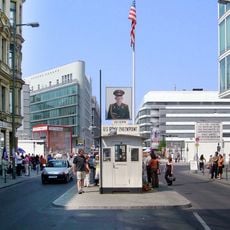
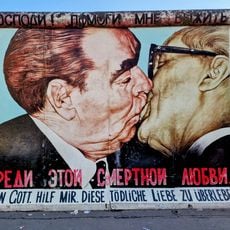
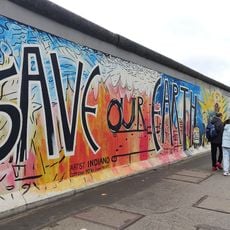
More than thirty years after its fall, the Berlin Wall still shapes the city. Between the districts of Mitte, Prenzlauer Berg, and Friedrichshain, fragments of concrete, watchtowers, and memorial plaques recall the division of a capital and its people. Some sections remain intact, others have been turned into memorials or works of art, like the East Side Gallery. Along the old border lines, museums and parks bring these historical traces back to life: Checkpoint Charlie, Bernauer Straße, the Topography of Terror, and Mauerpark. Each site holds a particular stillness, reflecting a time that Berlin does not erase but keeps present in memory. These places invite visitors to understand, to feel, and sometimes simply to remember. At Bernauer Straße, the central memorial preserves original Wall sections alongside a documentation center. The East Side Gallery displays murals by artists from around the world along more than a kilometer of Wall. The border crossing at Bornholmer Straße was the first to open on November 9, 1989. Mauerpark, once a stretch of death strip and border zone, now fills with people gathering to celebrate and relax. Smaller traces like the former watchtower at Schlesischer Busch or the Wall fragment on Liesenstraße sit quietly among residential buildings, reminding passersby that the border once ran straight through daily life.
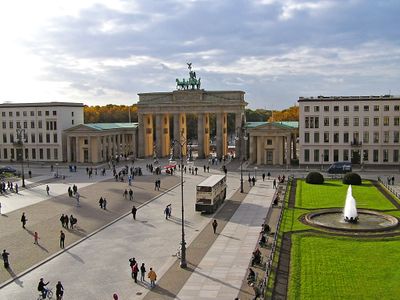
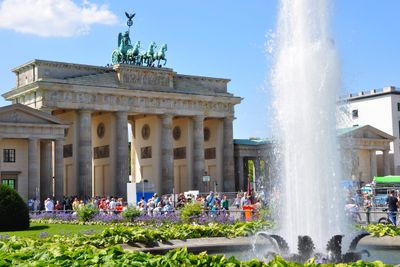
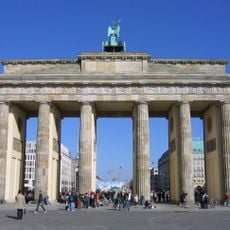
Brandenburg Gate
759 m
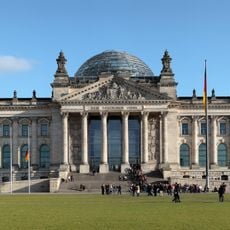
Reichstag
881 m
Checkpoint Charlie
1.1 km
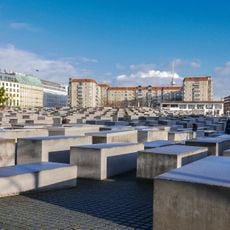
Memorial to the Murdered Jews of Europe
761 m
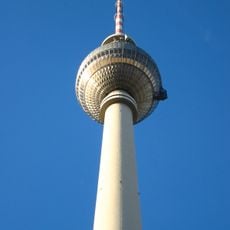
Fernsehturm Berlin
1.5 km
Berlin Olympic Stadium
10.1 km
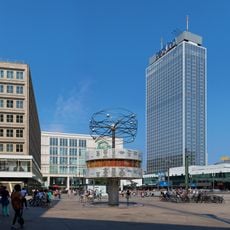
Alexanderplatz
1.8 km
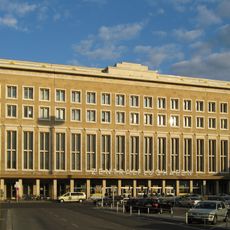
Berlin-Tempelhof Airport
4.9 km
Uber Arena
3.9 km
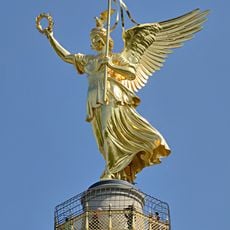
Siegessäule
2.6 km
Kaufhaus des Westens
3.7 km
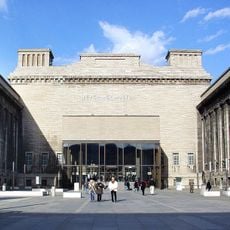
Pergamon Museum
655 m
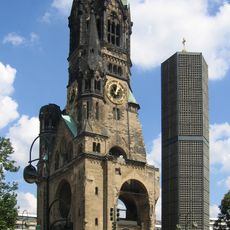
Kaiser-Wilhelm-Gedächtniskirche
3.9 km
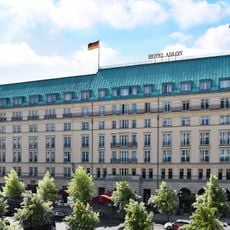
Hotel Adlon
578 m
My God, Help Me to Survive This Deadly Love
3.9 km
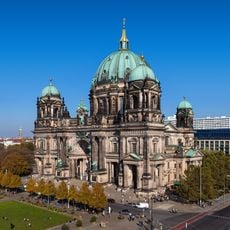
Berlin Cathedral
863 m
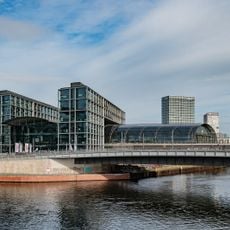
Berlin Hauptbahnhof
1.6 km
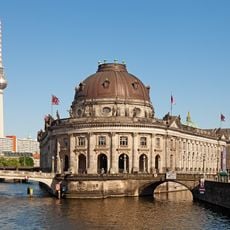
Museum Island
664 m
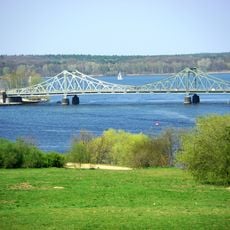
Glienicke Bridge
23.3 km
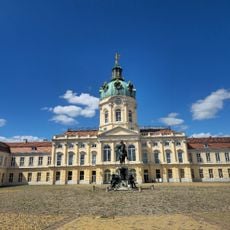
Charlottenburg Palace
6.3 km
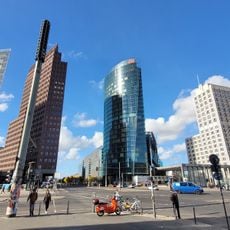
Potsdamer Platz
1.2 km
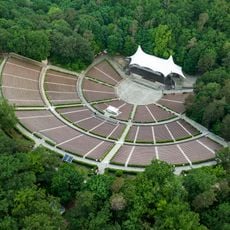
Waldbühne
10.8 km
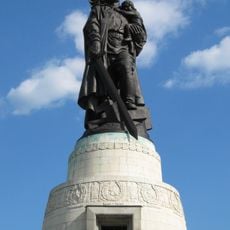
Soviet War Memorial
6.6 km
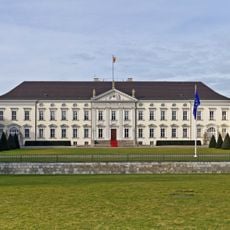
Bellevue Palace
2.4 km
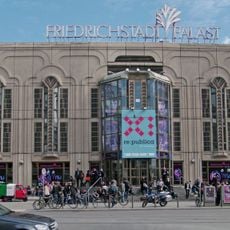
Friedrichstadt-Palast
766 m
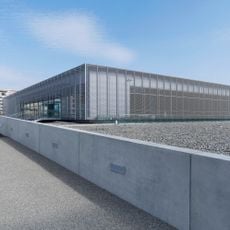
Topography of Terror
1.2 km
East Side Gallery
4.1 km
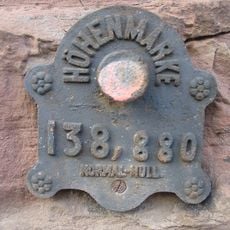
Normalnull
1.5 kmReviews
Visited this place? Tap the stars to rate it and share your experience / photos with the community! Try now! You can cancel it anytime.
Discover hidden gems everywhere you go!
From secret cafés to breathtaking viewpoints, skip the crowded tourist spots and find places that match your style. Our app makes it easy with voice search, smart filtering, route optimization, and insider tips from travelers worldwide. Download now for the complete mobile experience.
A unique approach to discovering new places❞
— Le Figaro
All the places worth exploring❞
— France Info
A tailor-made excursion in just a few clicks❞
— 20 Minutes