Pergamonmuseum, Archaeological museum in Museum Island, Berlin, Germany
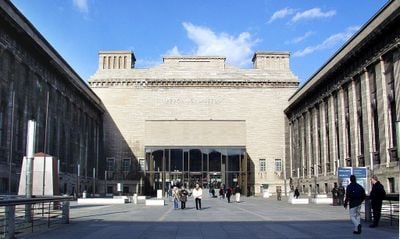
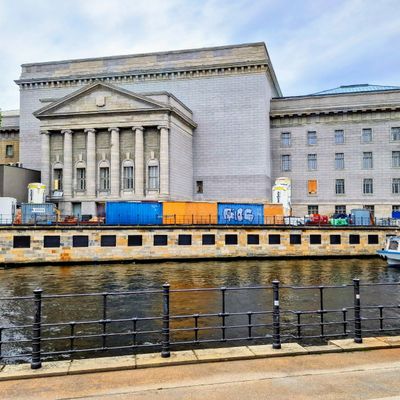
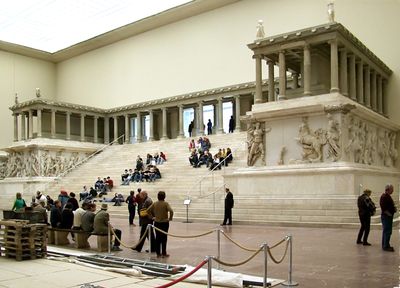
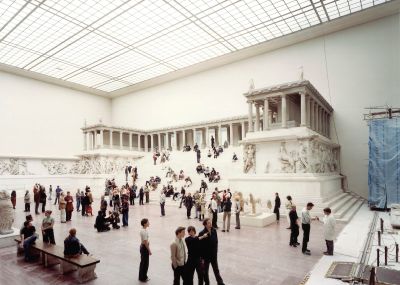
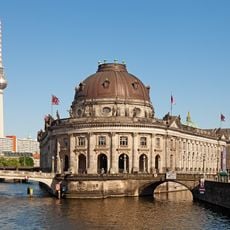
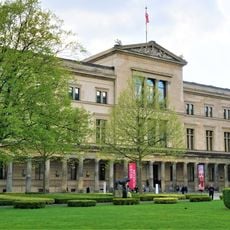
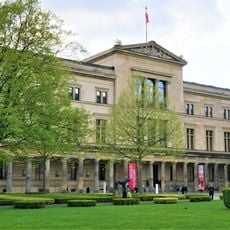
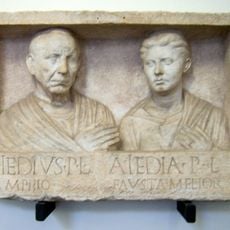
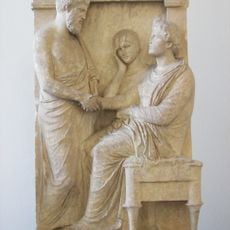
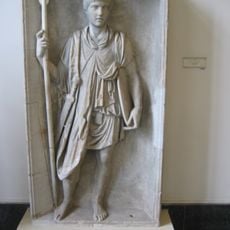
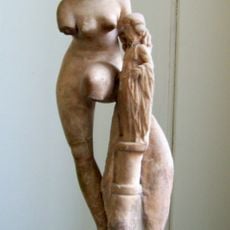
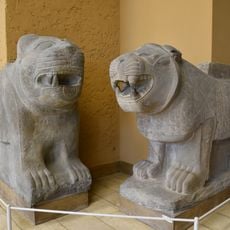
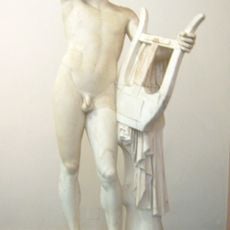
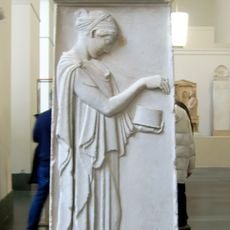
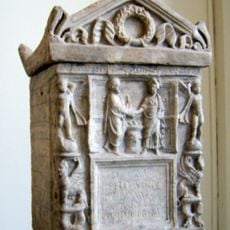
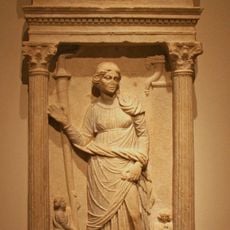
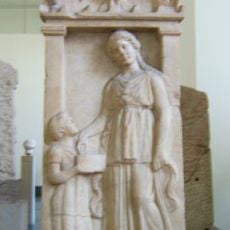
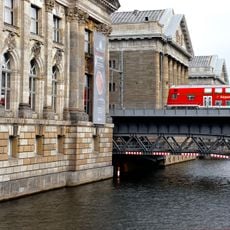
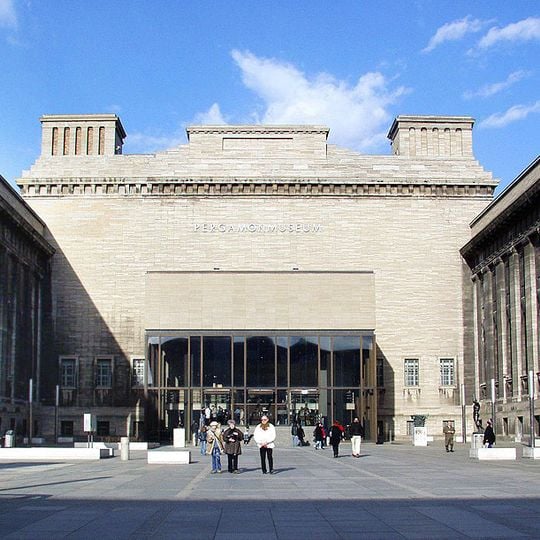
The Pergamon Museum is an archaeological museum on Museum Island in central Berlin that houses three collections showing objects from antiquity, the ancient Near East, and Islamic art within a building designed in the neoclassical style. The interior spaces were built around large reconstructions of ancient monuments, allowing visitors to walk through recreated city gates and colonnaded halls.
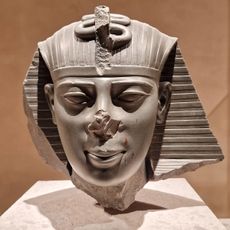
German archaeologists transported monumental building parts from excavation sites in Asia Minor and the Near East to Berlin between 1878 and 1886, including the Market Gate of Miletus and the Pergamon Altar. The building opened in 1930 to display these finds to the public and suffered partial damage during World War II.
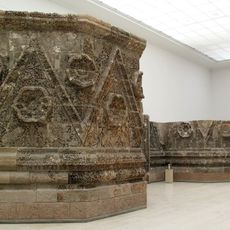
The collection of Islamic art displays carpets, carved doors, and wall panels from different regions of the Middle East, including the Mshatta facade from Jordan and rooms from Aleppo with painted wood interiors. Visitors walk through reconstructed spaces decorated with tiles and see everyday objects such as ceramic vessels and illuminated manuscripts.
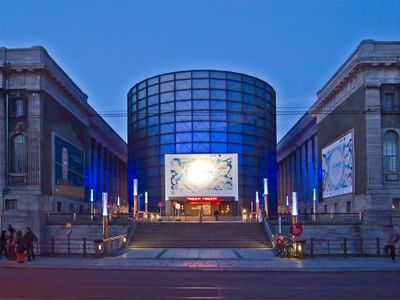
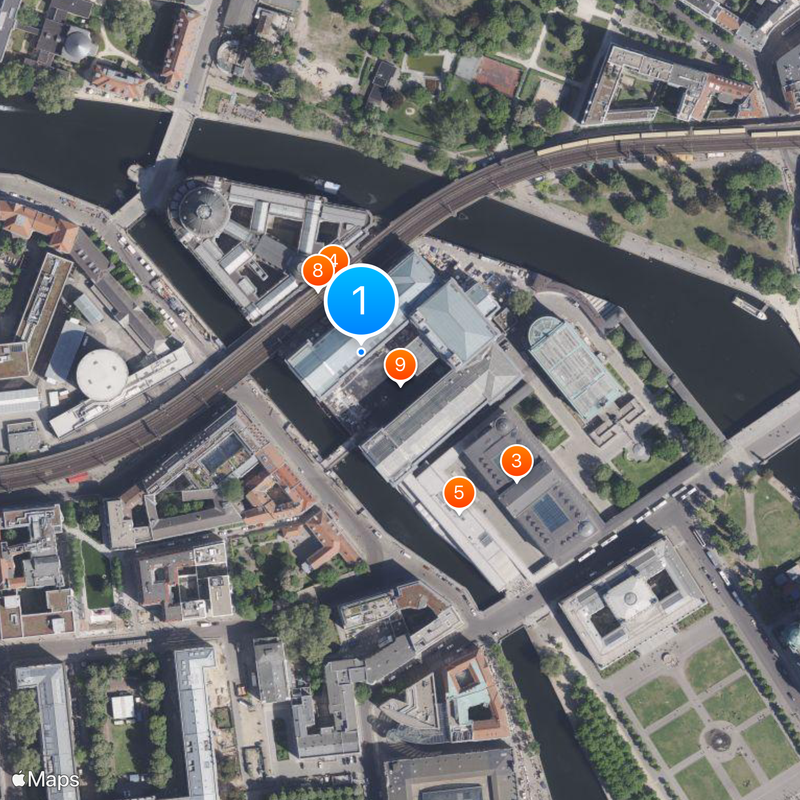
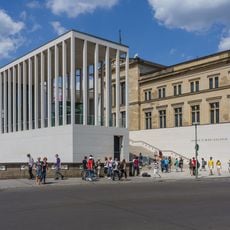
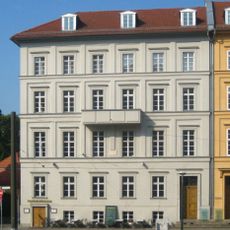
The building remains closed for renovations until 2027, and visitors are redirected to the temporary Pergamon Panorama exhibition in a nearby structure. Information about reopening plans and other options on Museum Island is available online and at the site entrance.
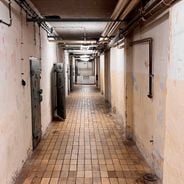
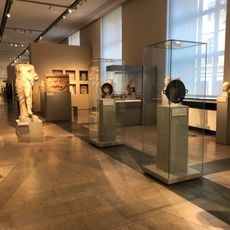
The halls were designed directly around the archaeological finds, so ceiling heights and floor plans follow the dimensions of the ancient structures themselves. Some walls still carry traces of shrapnel from World War II.
The community of curious travelers
AroundUs brings together thousands of curated places, local tips, and hidden gems, enriched daily by 90,827 contributors worldwide.