Mshatta Facade, Desert palace facade in Museum Island, Germany
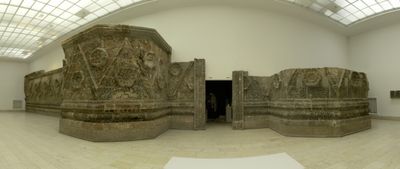
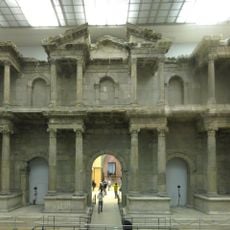
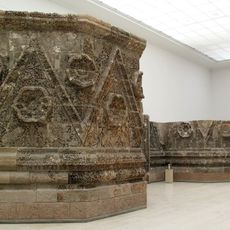
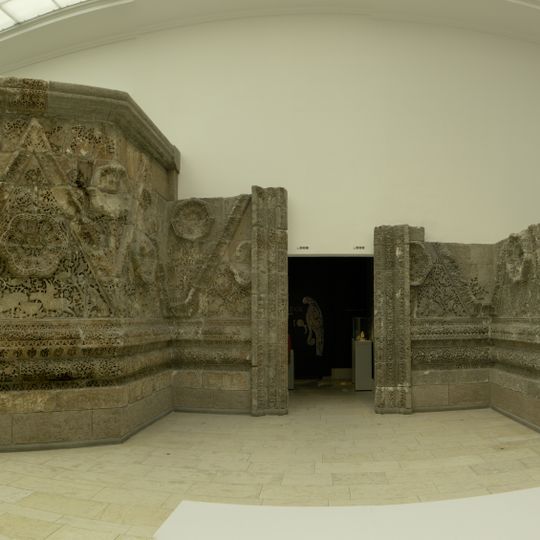
The Mshatta Facade is an 8th-century stone wall featuring intricate carved reliefs of animals, plants, and geometric patterns. It measures about 33 meters long and 5 meters high, displaying a wide variety of sculpted motifs.
The facade comes from an 8th-century Umayyad palace near Amman and was gifted by Sultan Abdul Hamid II to German Emperor Wilhelm II in 1903. This gift marked an important moment in German-Ottoman relations and led to the transport of this valuable artwork to Berlin.
The decorative elements show Persian, Greek, and Roman artistic influences through representations of mythical creatures and natural motifs. This blend of styles reflects the cultural exchange visible in each carved detail.
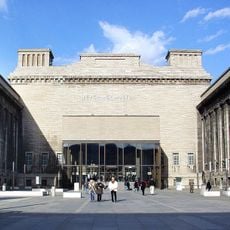
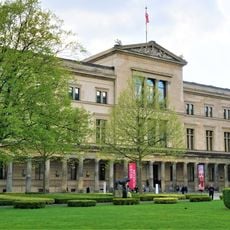
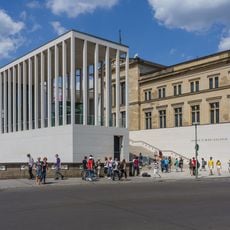
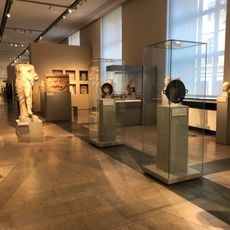
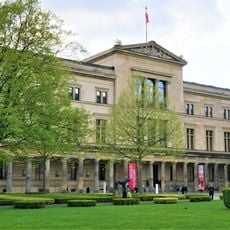
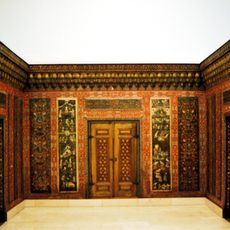
This facade is located in the Museum of Islamic Art within the Pergamon Museum complex and is accessible through the James-Simon-Galerie entrance. Visitors should note that the site is part of a larger museum setting and can be combined well with other exhibitions.
A particularly striking detail shows natural enemies drinking together from the same vessel, visible in the triangular stone reliefs. These scenes suggest symbolic meanings that go beyond mere decorative craft.
The community of curious travelers
AroundUs brings together thousands of curated places, local tips, and hidden gems, enriched daily by 90,939 contributors worldwide.