Vorderasiatisches Museum Berlin, Archaeological museum in Museum Island, Berlin, Germany
The Vorderasiatisches Museum is an archaeological museum on Museum Island that houses artifacts from ancient Mesopotamia and neighboring regions. It displays works from Sumerian, Babylonian, and Assyrian periods including monuments, sculptures, and thousands of clay tablets with cuneiform writing.
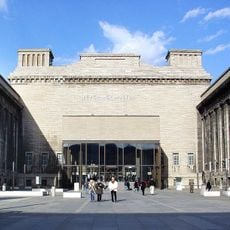
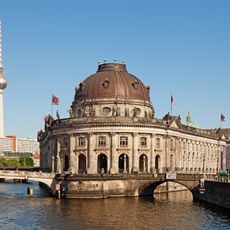
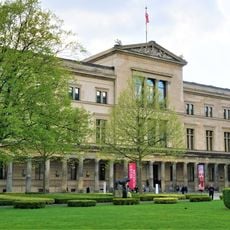
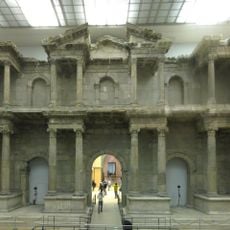
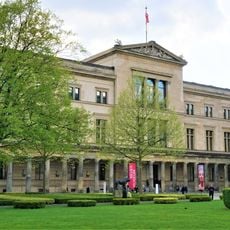
The Middle East Department was created in 1899, and its finds were first shown in the Neues Museum, then provisionally in the Bode Museum. The south wing of the Pergamon Museum, designed by Alfred Messel and Ludwig Hoffmann, was intended for the collection from the start. Walter Andrae planned the galleries from 1927; the Ishtar Gate hall opened in 1930, and the remaining rooms followed by 1937. The museum reopened in 1953, and looted holdings returned from the Soviet Union in 1958.
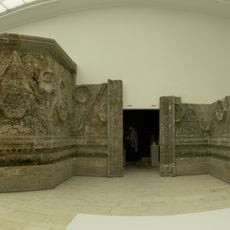
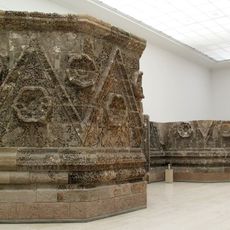
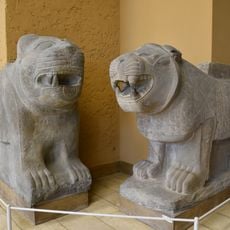
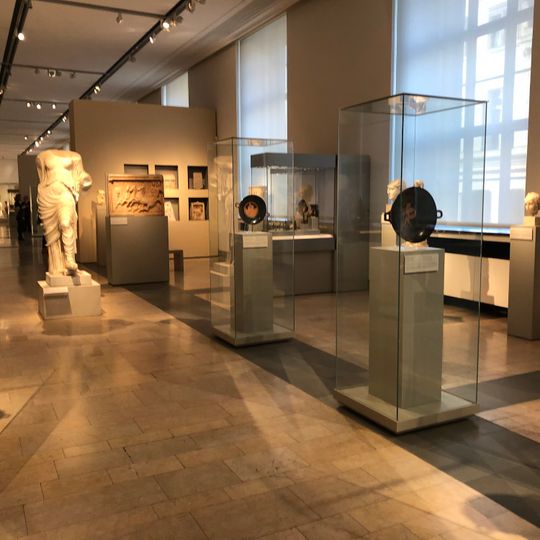
The 14 halls hold finds from Sumer, Akkad, Babylonia, Assyria, the Hittites and the Aramaeans, excavated at Uruk, Assur, Babylon, Hattusha and Tell Halaf. The museum keeps a large number of stamp and cylinder seals and cuneiform tablets, among them more than 200 Amarna letters. Since 2015 the Multaka project has offered free guided tours in Arabic and Persian, led by specially trained guides.
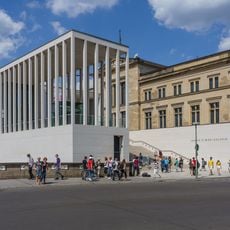
The museum occupies the upper and lower floors of the south wing of the Pergamon Museum and is closed for extensive restoration until a planned reopening in 2037. Its roughly 2,000 square metres of displays across 14 halls cannot currently be visited; check the Staatliche Museen zu Berlin website for the reopening date before planning a trip.
The collection contains ancient written documents, including several hundred letters known as the Amarna correspondence, which reveal how rulers of different lands communicated with each other. These messages show negotiations between powerful kings about trade, alliances, and disputes from thousands of years ago.
The community of curious travelers
AroundUs brings together thousands of curated places, local tips, and hidden gems, enriched daily by 92,825 contributors worldwide.