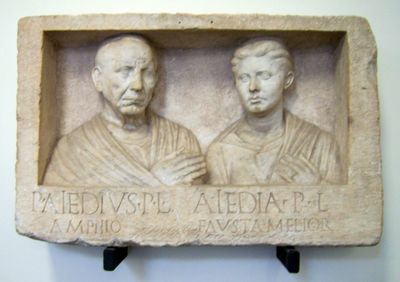
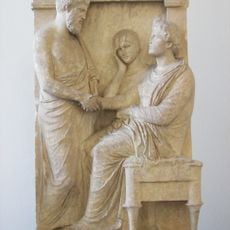
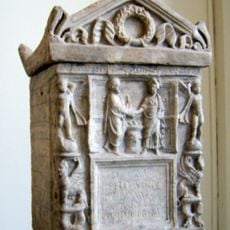
Funerary relief of Publius Aiedius Amphio and Aiedia Fausta Melior, Roman marble funerary relief in Pergamon Museum, Berlin-Mitte, Germany
This Roman marble relief displays two portrait heads side by side within a rectangular frame, carved with careful attention to facial features and individual details. The work preserves inscribed names identifying the subjects and communicating their roles within Roman society at the time of creation.
The relief dates to the 1st century and was originally placed along Rome's Via Appia, where it remained buried until its rediscovery in modern times. German museums acquired the piece during the 19th century, adding it to their growing Roman collection.
The relief demonstrates Roman social advancement through the representation of former slaves who gained citizenship and the right to legal marriage.
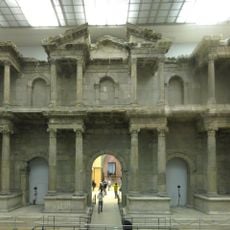
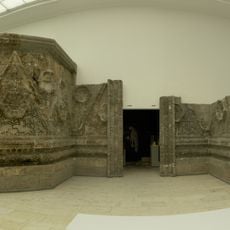
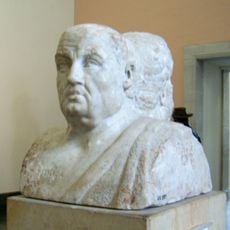
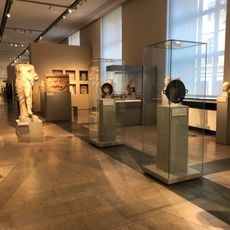
The sculpture is displayed at the Pergamon Museum alongside numerous other Roman works and architectural pieces. Visitors can view the carved details closely and read the inscribed text to learn more about the individuals depicted in the work.
The relief captures an unusual detail of clasped hands between the two figures, symbolizing a deep connection between them. What makes this work particularly striking is how the carver rendered the different ages and physical features of both individuals with remarkable realism for its time.
The community of curious travelers
AroundUs brings together thousands of curated places, local tips, and hidden gems, enriched daily by 60,000 contributors worldwide.