National Gallery Berlin, Art museum on Museum Island, Berlin, Germany
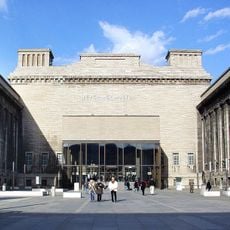
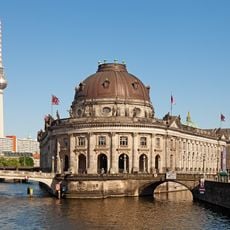
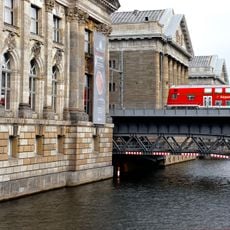
The National Gallery Berlin displays European paintings and sculptures from the 18th to early 20th century across several connected buildings on Museum Island. These works are arranged to show how artistic styles changed and developed over this period.
The collection began in 1861 following a banker's donation and later grew through royal support and private gifts. Over the decades it expanded into additional buildings to display more works from its growing collection.
The collection reflects how German and French artists viewed and felt about their world during the 1800s. Visitors can see how painters and sculptors of that era captured nature, people, and imagination in their works.
Morning hours are best for viewing when crowds are lighter and you can see the works more clearly. The different buildings are within easy walking distance of each other and clearly marked, making navigation straightforward.
The collection is not housed in one large building but spread across five different locations throughout Berlin, each with its own character. One notable site is a glass pavilion designed by a renowned architect, creating an entirely different experience than traditional museum spaces.
The community of curious travelers
AroundUs brings together thousands of curated places, local tips, and hidden gems, enriched daily by 90,847 contributors worldwide.