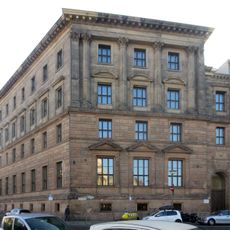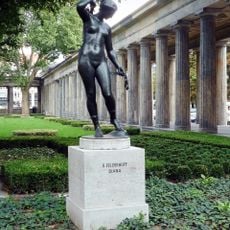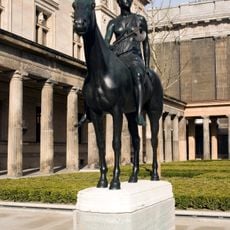
Egyptian Museum of Berlin, Archaeological museum in Berlin-Mitte, Germany.
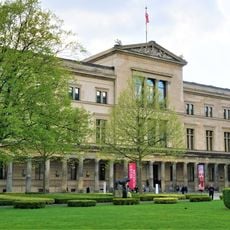
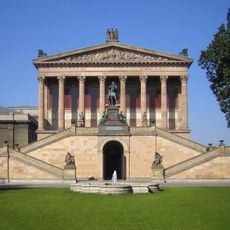
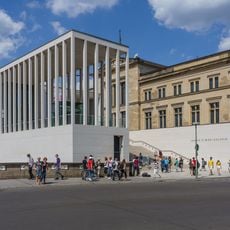
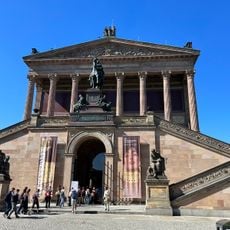
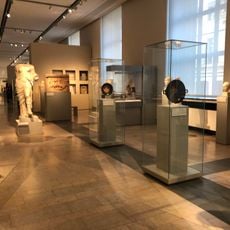
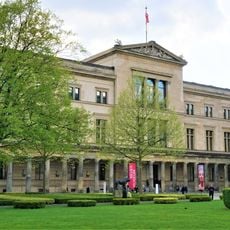
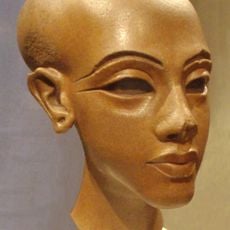
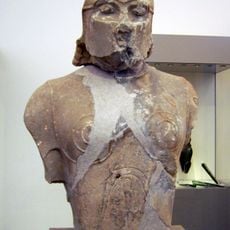
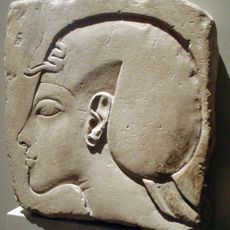
The Egyptian Museum of Berlin, formally the Egyptian Museum and Papyrus Collection, occupies the upper floor of the Neues Museum on Museum Island. Its galleries hold statues, reliefs, papyri and tomb goods from the Predynastic period to Roman rule, with most objects dating from the reign of Akhenaten around 1340 BC. Three decorated cult chapels from Old Kingdom mastabas are also on display.
The collection began in 1828 on the initiative of Alexander von Humboldt and King Frederick William III as part of the royal art chamber. War damage separated parts of the objects, which were reunited only after German reunification.
The museum takes its name from the civilization along the Nile, whose art and writing systems fill the galleries today. Visitors see reliefs, tomb goods, and everyday objects that reveal how people lived in this early civilization.
The Egyptian Museum occupies the upper floor of the Neues Museum, reached by a staircase and lift from the entrance hall; the monumental Kalabscha gate and the court of Sahure's mortuary temple are not on show for lack of space. The collection is arranged over three levels covering daily life in the Nile valley, royal and divine worship, and beliefs about the afterlife.
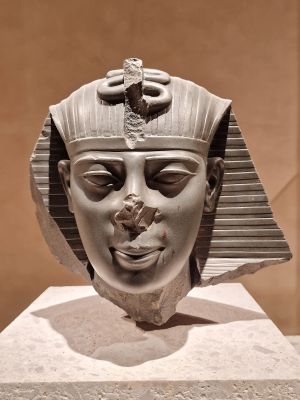
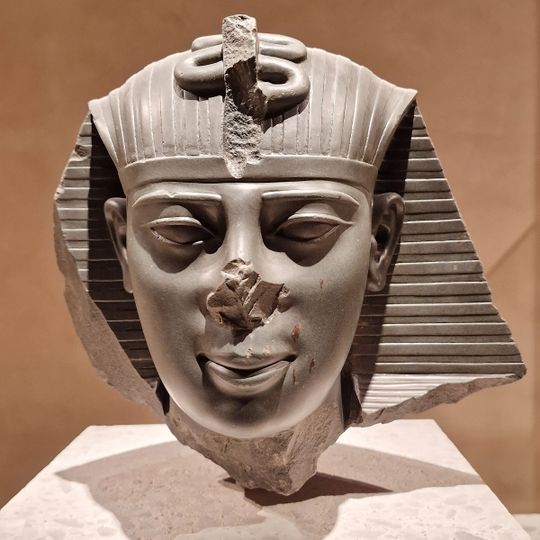
The sculpture called the Berlin Green Head, made of dark green stone from the 5th century BCE, shows the facial features of an older man with fine wrinkles. The color of the material gave the work its name and distinguishes it from most other Late Period portraits.
The community of curious travelers
AroundUs brings together thousands of curated places, local tips, and hidden gems, enriched daily by 94,459 contributors worldwide.