Saarland, Federal state in western Germany
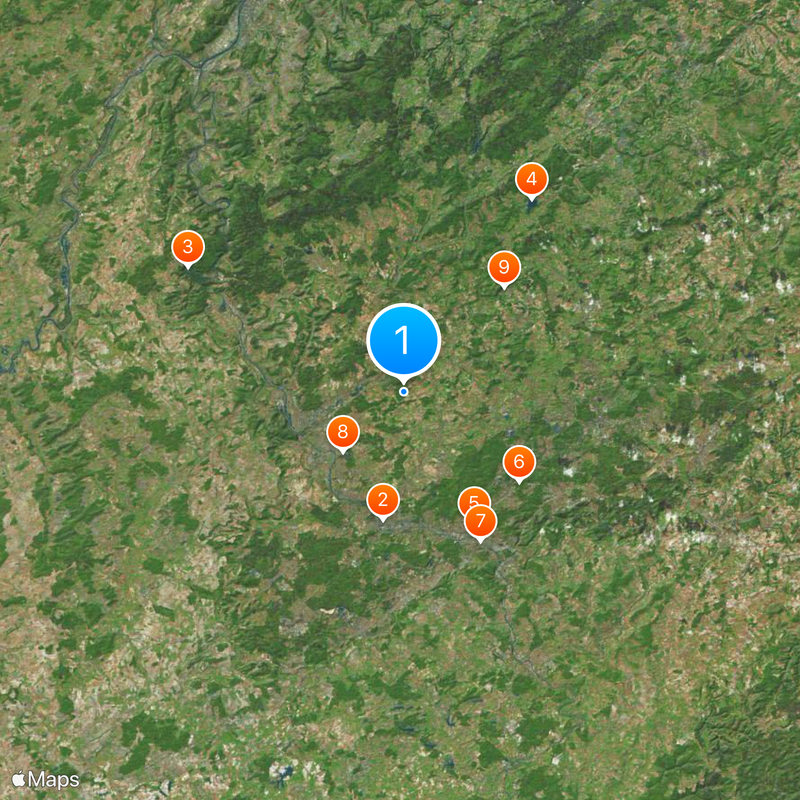
Saarland is a federal state in western Germany bordered by France, Luxembourg and Rhineland-Palatinate. The region is divided into six districts with Saarbrücken as its capital and stretches from the Saar valley through wooded uplands to the French border.
After World War II the region was administered by France and only became the tenth state of West Germany in 1957. For centuries the area was pulled between French and German influences, which continues to shape local identity today.
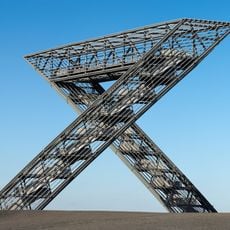
Industrial culture shapes everyday life, especially around former mines and ironworks that now serve as museums, event spaces and parks. In many towns you will find red brick workers' housing estates that still define the social fabric and recall the era of heavy industry.
The region is easy to explore by car since highways and country roads connect smaller towns and border crossings to France and Luxembourg are straightforward to pass. Those using public transport will find regional trains and buses linking the main towns and destinations.
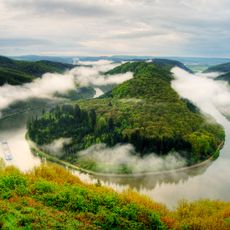
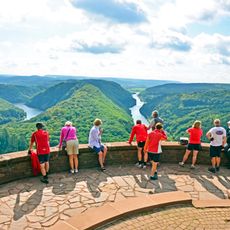
The Saar forms a large river loop near Mettlach that looks like a horseshoe from a viewpoint and is one of the most recognized natural formations in Germany. Many visitors overlook that French-German bilingualism is visible throughout everyday life in the state, from place names to menus in border communities.
The community of curious travelers
AroundUs brings together thousands of curated places, local tips, and hidden gems, enriched daily by 91,982 contributors worldwide.