Schleswig-Holstein, Federated state in northern Germany
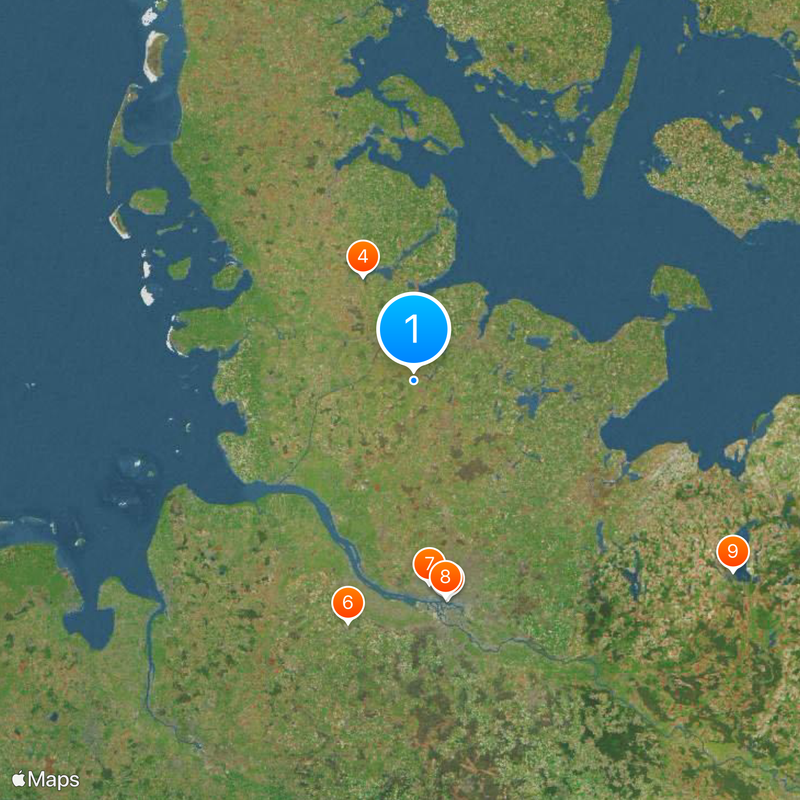
Schleswig-Holstein is a federated state at the northernmost edge of Germany, reaching from the North Sea westward to the Baltic Sea eastward. The landscape includes flat marshlands near the western shore, gentle rolling hills inland, and numerous islands plus coastal towns shaped by maritime life and trade.
The area was disputed between Danish and German rule for centuries until the war of 1864 brought it under Prussian control. The current form emerged in 1946 when British occupation authorities combined the Prussian province with Holstein.
Rural areas and the islands keep Low German alive, especially among older generations who use it in markets and cafes. The Danish and Frisian minorities maintain their languages through schools, newspapers and community gatherings that visitors can sometimes observe in the northernmost towns.
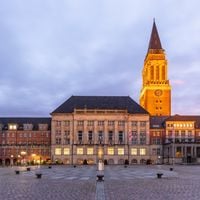
Kiel, the state capital, sits about ninety minutes north of Hamburg by train and serves as a departure point for ferries to Scandinavia. The canal connecting both seas can be crossed or observed from the shore at several spots where large cargo vessels pass through daily.
Twice a day the sea along the western coast withdraws for kilometers, exposing the seabed and letting people walk between islands on foot. These mudflat walks require a local guide because fog, currents and the returning tide can become dangerous quickly.
Location: Germany
Inception: August 23, 1946
Capital city: Kiel
Elevation above the sea: 12 m
Shares border with: Mecklenburg-Western Pomerania, Lower Saxony, Hamburg, Southern Denmark
Phone: +494319880
Email: landesportal@stk.landsh.de
Website: https://schleswig-holstein.de
GPS coordinates: 54.18540,9.82201
Latest update: December 2, 2025 22:17
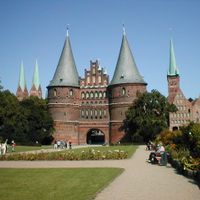
Schleswig-Holstein combines historic structures with varied natural landscapes between the North Sea and the Baltic Sea. The region encompasses castles such as Glücksburg and Plön, medieval monasteries including Cismar and Nütschau, and museums spanning from Viking times to maritime history. Visitors find the Hedeby Viking Museum, Gottorf Castle in Schleswig, and the historic Ratzeburg Cathedral. The natural areas extend from beaches at Pelzerhaken and Rosenfelder Strand to the Lauenburg Lakes Nature Park and moorland at Kaltenhofer Moor. The Geltinger Birk Nature Reserve and wildlife parks at Eekholt and Arche Warder display native flora and fauna. The Kiel Canal, lighthouses at Westerhever and Amrum, and the Multimar Wattforum in Tönning document the importance of the coastal region.
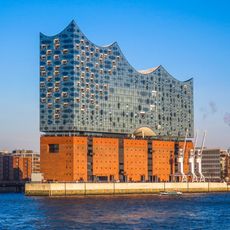
Elbphilharmonie
72.5 km
Miniatur Wunderland
72.3 km
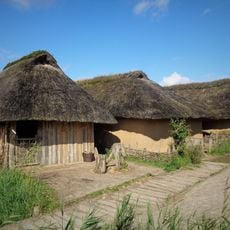
Hedeby
37.9 km
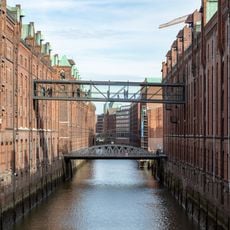
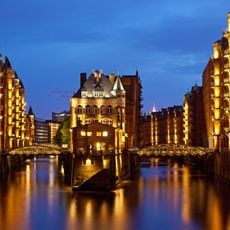
Speicherstadt
72.3 km
Richtstätte bei Ohrensen
82.3 km
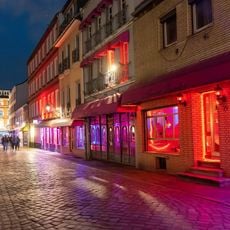
Rote Flora
70 km
Wadden Sea
206.1 km
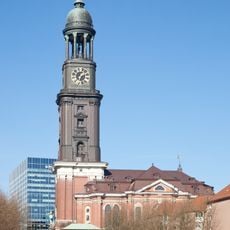
St. Michaelis Church, Hamburg
71.7 km
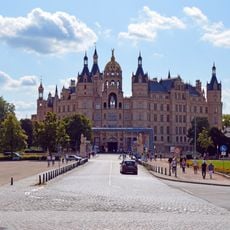
Schwerin Castle
121.9 km
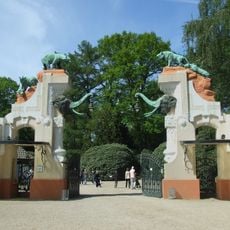
Tierpark Hagenbeck
66 km
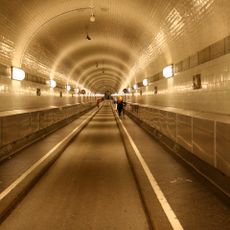
Elbe Tunnel
72 km
Ohlsdorf Cemetery
64.4 km
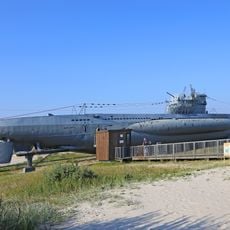
U-995
36.6 km
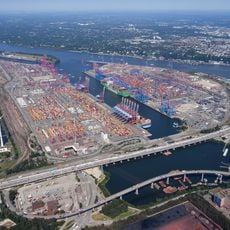
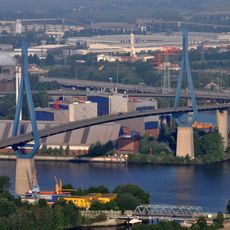
Köhlbrand Bridge
74.3 km
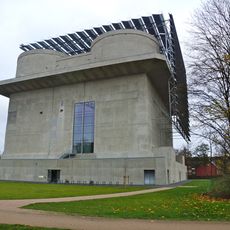
Hamburger Flaktürme
76 km
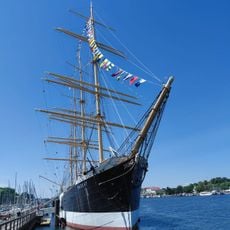
Passat
73.7 km
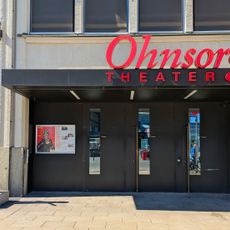
Ohnsorg-Theater
71.3 km
Bonte-Kaserne
73.2 km
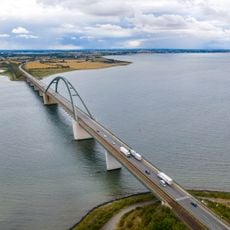
Fehmarn Sound Bridge
87.1 km
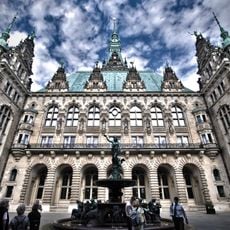
Hamburg City Hall
71.6 km
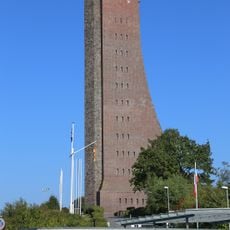
Laboe Naval Memorial
36.6 km
Klimahaus Bremerhaven
108.7 km
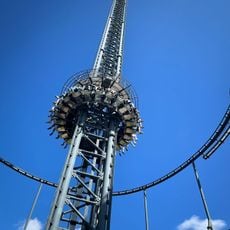
Hansa Park
63.7 km
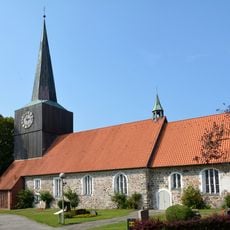
St. Remigius
35.4 km
Villa Kunterbunt
67.8 km
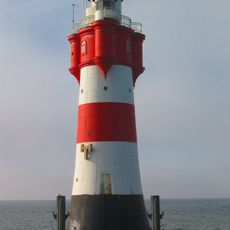
Roter Sand
119.6 km
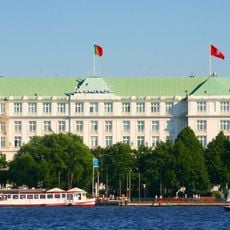
Hotel Atlantic Kempinski
70.9 km
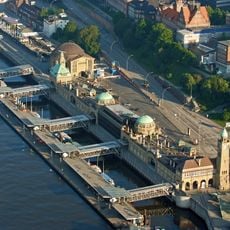
St. Pauli Landing Stages
71.8 kmReviews
Visited this place? Tap the stars to rate it and share your experience / photos with the community! Try now! You can cancel it anytime.
Discover hidden gems everywhere you go!
From secret cafés to breathtaking viewpoints, skip the crowded tourist spots and find places that match your style. Our app makes it easy with voice search, smart filtering, route optimization, and insider tips from travelers worldwide. Download now for the complete mobile experience.
A unique approach to discovering new places❞
— Le Figaro
All the places worth exploring❞
— France Info
A tailor-made excursion in just a few clicks❞
— 20 Minutes