Hedeby, Archaeological site in Busdorf, Germany
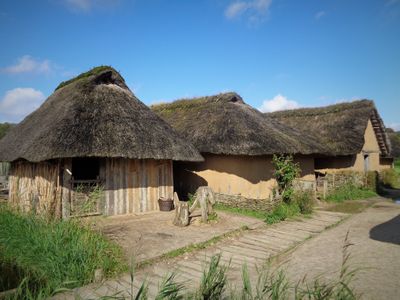
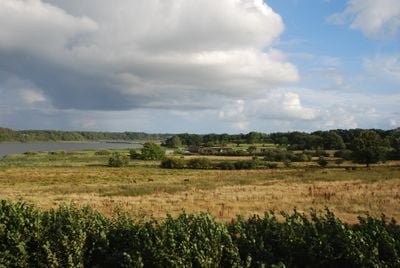
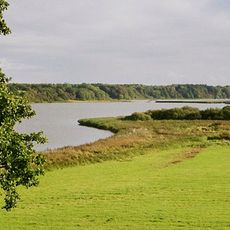
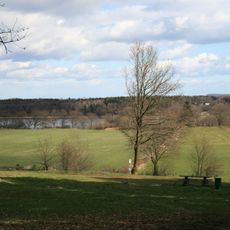
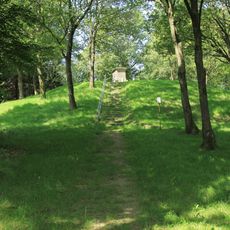
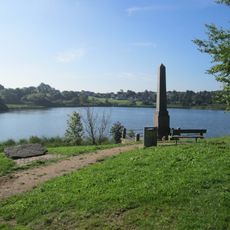
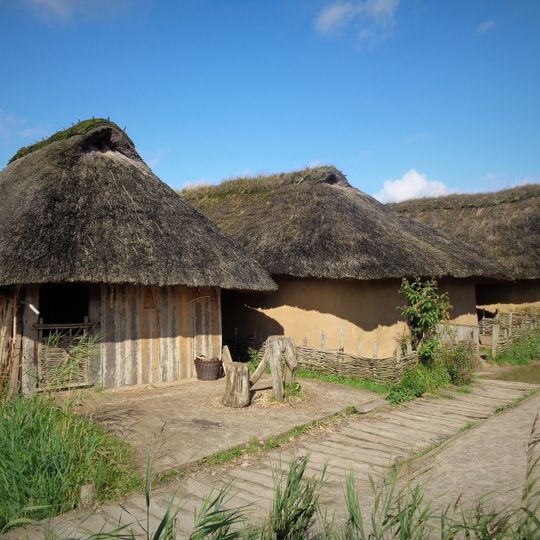
Hedeby is an archaeological site in Busdorf, Germany, preserving the remains of a large medieval trading settlement. The semicircular earthen walls surround a wide area where several Norse-style houses have been reconstructed with wooden walls and thatched roofs.
Founded in the late 8th century, the settlement grew into a major trading hub linking western European lands with Scandinavia. The site was abandoned in the 11th century after repeated raids and destruction.
The name comes from Old Norse and roughly means settlement by the heath, referring to its position between the inlet and low wetlands. Visitors can walk through reconstructed timber dwellings that show how artisans once lived and worked, weaving cloth or forging metal inside simple wooden structures.
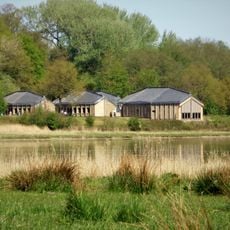
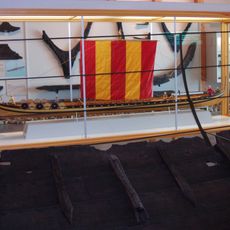
The museum next to the site displays objects such as tools, weapons and everyday items excavated since the early 20th century. The open-air area with earthworks and reconstructed buildings can be explored on foot.
Around 965 the chronicler Ibrahim ibn Yaqub visited Hedeby and called it "a very large city at the very end of the world's ocean." His account is one of the few written descriptions of the settlement at its height, when it had at least 1,500 inhabitants.
The community of curious travelers
AroundUs brings together thousands of curated places, local tips, and hidden gems, enriched daily by 94,249 contributors worldwide.