Lübeck, Hanseatic port city in Schleswig-Holstein, Germany
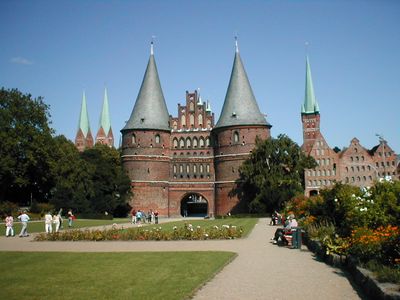
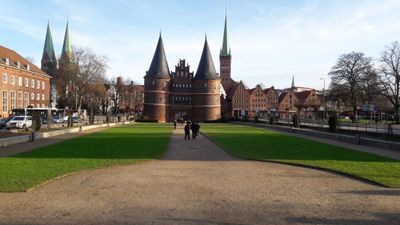
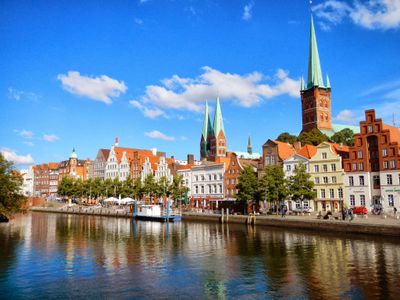
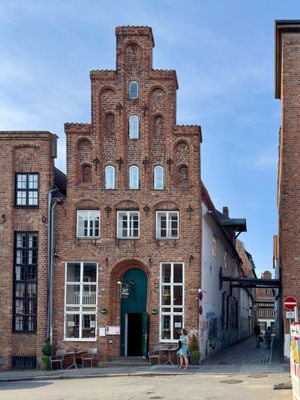
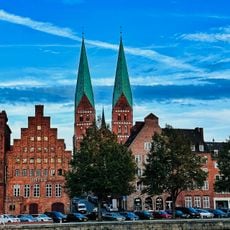
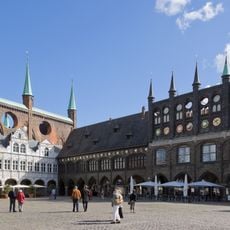
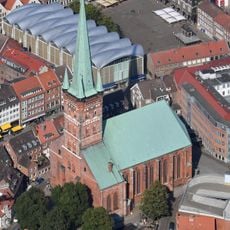
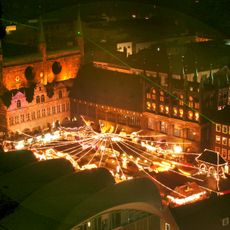
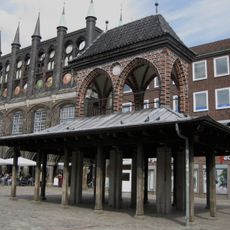
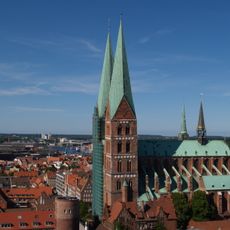
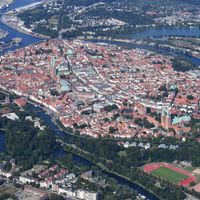
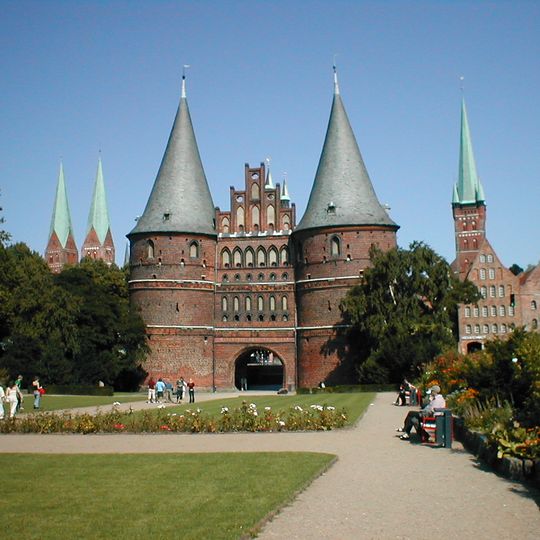
Lübeck is a Hanseatic port city in Schleswig-Holstein, situated on an island encircled by the Trave River, where seven tall church towers built from red brick shape the skyline. The narrow streets of the old town wind past Gothic gabled houses, their facades often connected by small courtyards and passageways.
The town was established in 1143 as a trading settlement and received the rank of Free Imperial City in 1226, securing its independence from the duke. It then led the Hanseatic League, a network of merchants that shaped trade across northern Europe for three centuries.
Locals still walk through the narrow alleyways between warehouses and step into small workshops where craftsmen repair instruments or bind books by hand. On weekends, market stalls fill the squares near the churches, offering smoked fish and baked goods that reflect the port heritage.
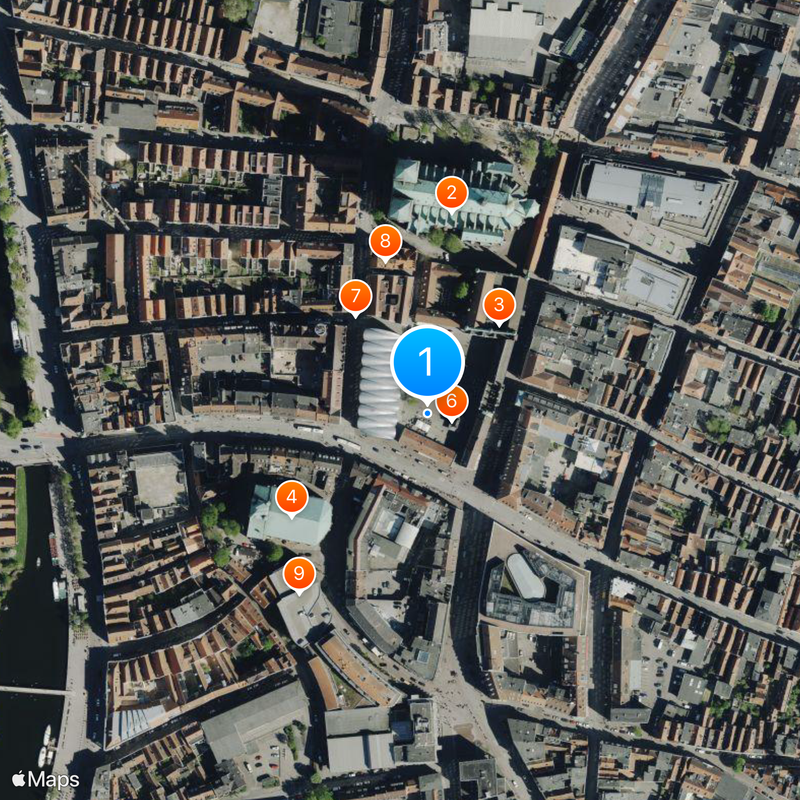
The center is easy to explore on foot, with most landmarks reachable within a twenty-minute walk from one another. For arriving from other cities, the main train station provides direct access to the old town quarter.
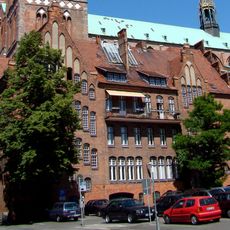
The Heiligen-Geist-Hospital dates to 1286 and was built to shelter and care for elderly residents in small chambers along its halls. People continued to live in these rooms until the late twentieth century, and visitors can now see how they arranged their lives inside.
The community of curious travelers
AroundUs brings together thousands of curated places, local tips, and hidden gems, enriched daily by 90,867 contributors worldwide.