Schwerin Castle, Palace and museum on an island in Lake Schwerin, Schwerin, Germany
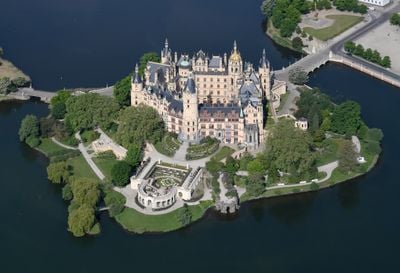
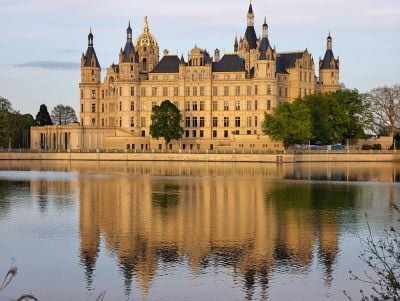
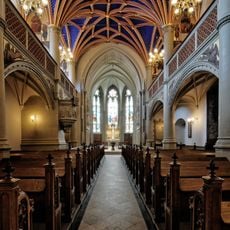
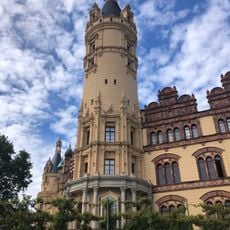
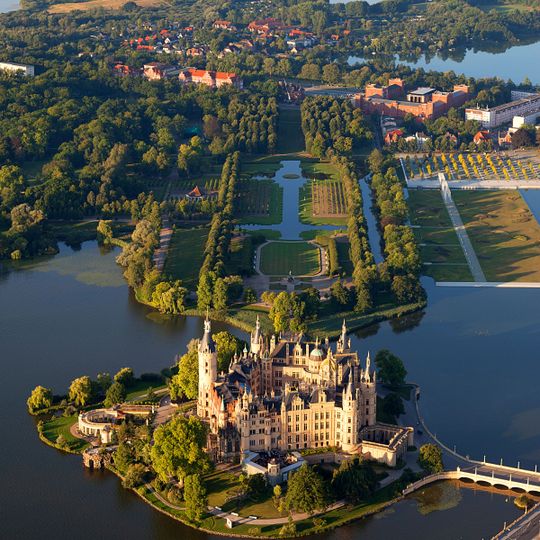
Schwerin Castle is a five-winged palace on an island in Lake Schwerin, built between 1845 and 1857 in Neo-Renaissance style. Its reddish-brown stone facade has a central gilded dome topped by a statue, flanked by two smaller domed towers and corner towers with pointed roofs. Inside, the throne room has deep red walls, white pilasters, and gilded doorways.
The current palace was built between 1845 and 1857 as the residence of the Mecklenburg dukes and grand dukes. After the monarchy ended, it was converted into a museum and parliament seat.
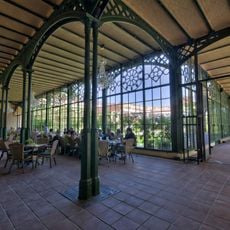
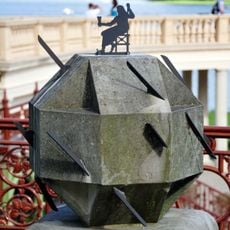
The castle's name is not derived from a Slavic settlement called Zuarin; it goes back to the Obotrite island fort on this site, recorded in 973. A sculpture of the Petermännchen, a spirit said to live in the castle, stands on the courtyard facade. Parts of the building house the state parliament, a museum and a restaurant, and open-air theatre is staged in the courtyard.
The castle stands on an island in Lake Schwerin, reached by bridges from the city shore. The state parliament sits here, so some rooms are closed to visitors while the museum, restaurant and courtyard open-air theatre remain accessible. The courtyard sculpture of the Petermännchen, the castle ghost of local legend, is easy to pass by.
The architects drew inspiration from French Renaissance châteaux like Chambord and adapted their forms to this northern German site. The island itself has carried fortifications since the 10th century.
The community of curious travelers
AroundUs brings together thousands of curated places, local tips, and hidden gems, enriched daily by 92,660 contributors worldwide.