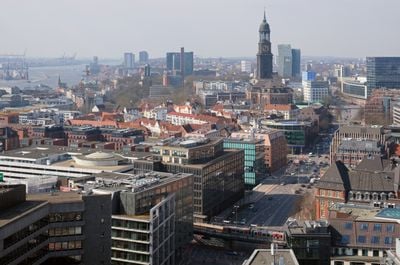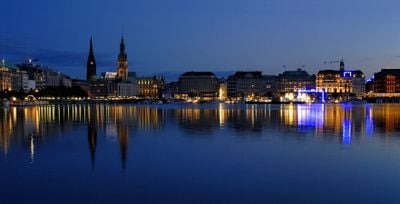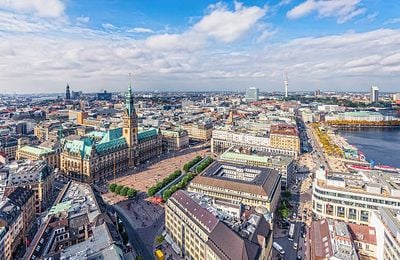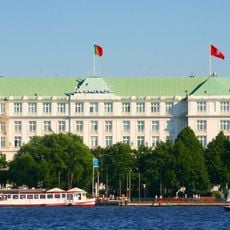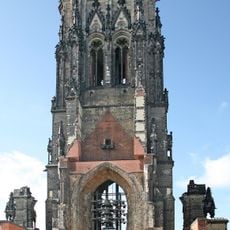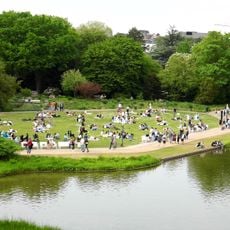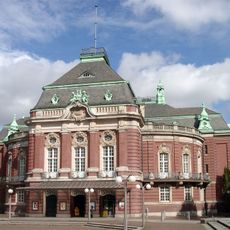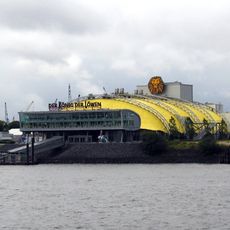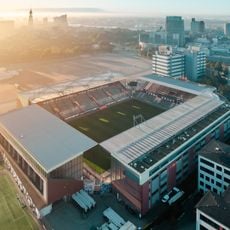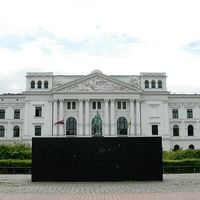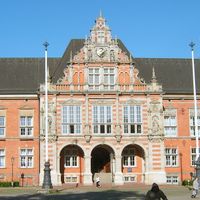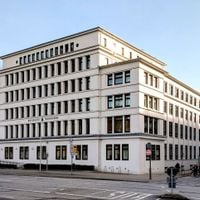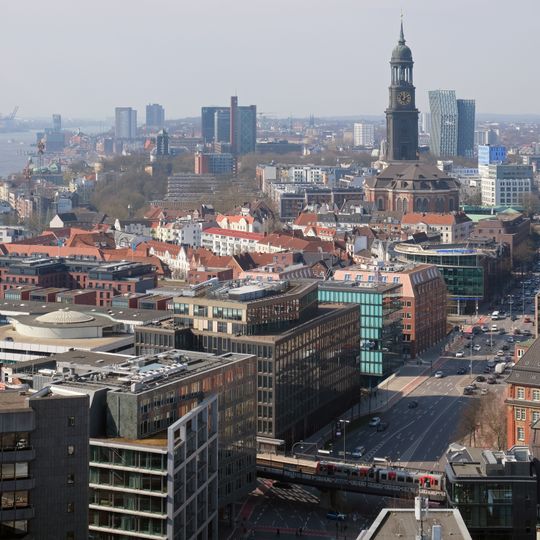
Hamburg, Port city in northern Germany
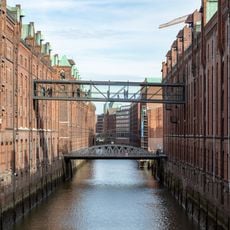
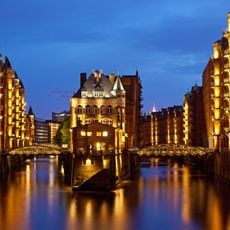
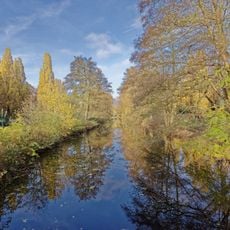
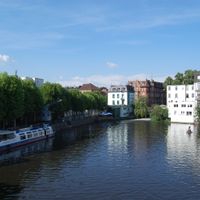
Germany's second-largest urban center spreads across both banks of the Elbe River and incorporates numerous canals, creating a landscape where water defines the geography and connects districts through an extensive network of crossings.
Founded in the 9th century as a fortress settlement, the territory gained Free Imperial City status in 1189 and joined the Hanseatic League, developing into one of northern Europe's major trading centers over subsequent centuries.
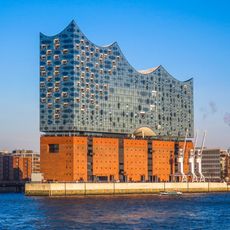
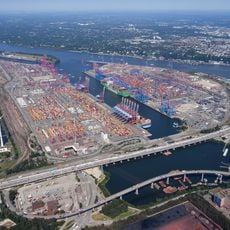
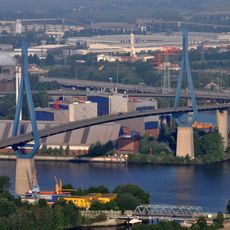
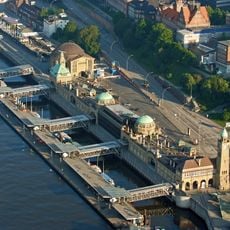
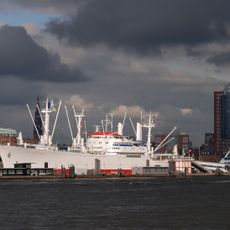
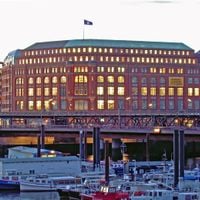
The port shapes daily life for residents and remains central to the city's identity, with the fish market drawing thousands every Sunday morning and maritime festivals celebrating seafaring heritage throughout the year.
Central Station provides direct rail connections to major European cities, while the extensive S-Bahn and U-Bahn network covers all districts and operates until after midnight on weekends with additional night services.
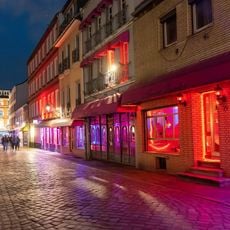
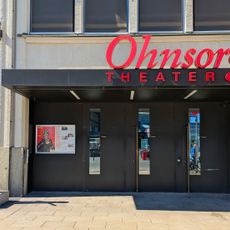
The Reeperbahn entertainment district operates 24 hours daily and contains more than 30 theaters and music venues within a single kilometer, making it one of Europe's densest concentrations of performance spaces.
The community of curious travelers
AroundUs brings together thousands of curated places, local tips, and hidden gems, enriched daily by 90,801 contributors worldwide.