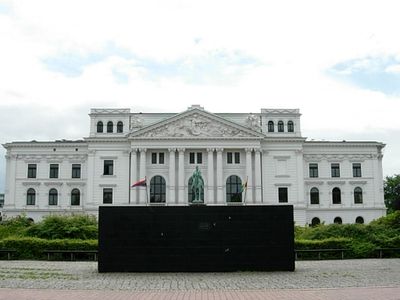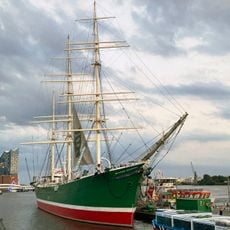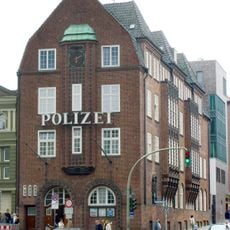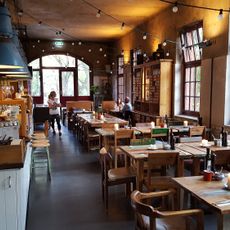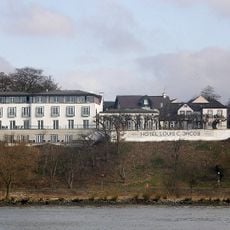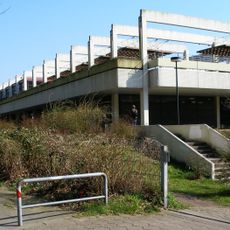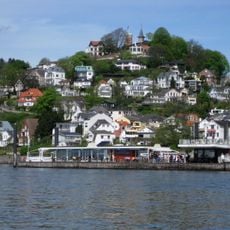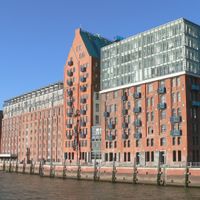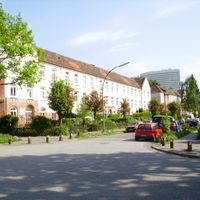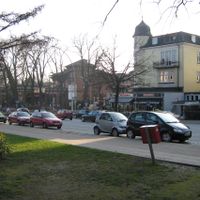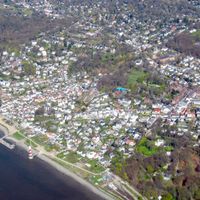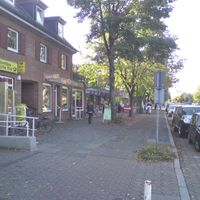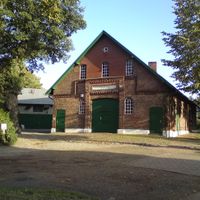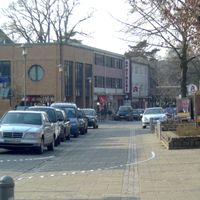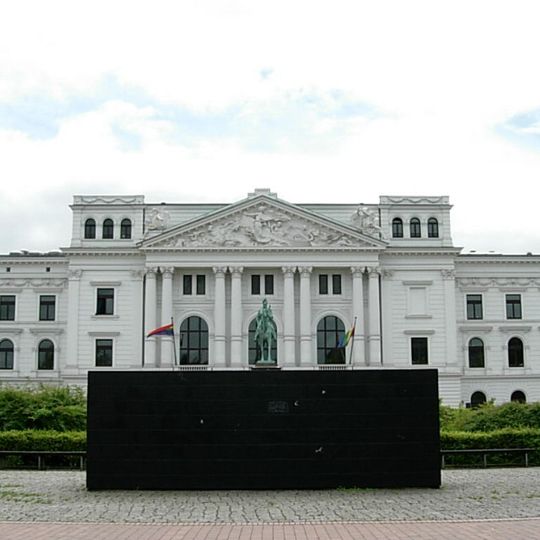
Altona, Borough with former fishing heritage in Hamburg, Germany.
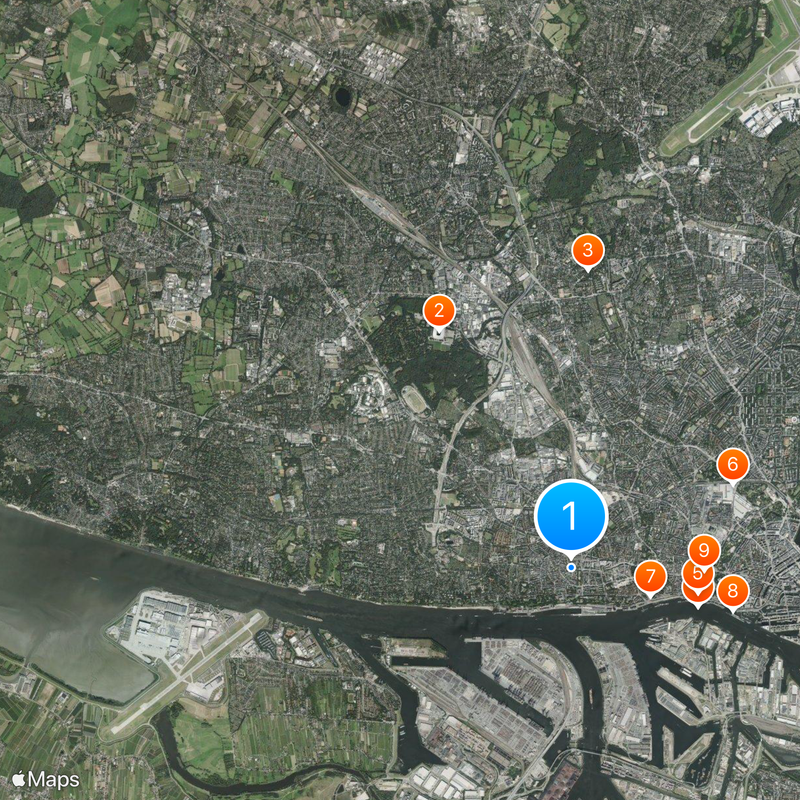
Altona is a western district of Hamburg that stretches along the northern shore of the Elbe River, encompassing fourteen connected neighborhoods from Altona-Altstadt to Rissen. The area sits at an average elevation of around 110 feet (34 meters) above sea level and blends urban quarters with residential zones along the riverfront.
The territory came under Danish rule in 1640 before passing to Prussia in 1866. The final integration into Hamburg took place through the Greater Hamburg Act of 1937, ending the long border history between two territories.
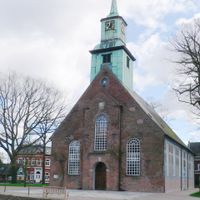
The area became an important center for Sephardic and German Jewish communities starting in 1611, who established settlements and houses of worship here. This religious and cultural legacy shaped the western Elbe shore for centuries and remains visible today in street layouts and commemorative plaques scattered throughout the neighborhoods.
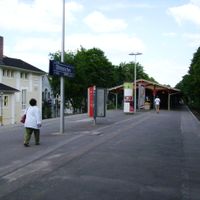
The Hamburg-Altona railway station functions as a central transport hub, connecting the area to regional and long-distance trains across northern Germany. Most neighborhoods are easily accessible on foot or by local transit, with different residential quarters spread throughout the entire area.
The name comes from a Hamburg phrase referring to an inn that stood too close to their border. This linguistic nod reflects centuries of tension and rivalry between neighboring settlements.
The community of curious travelers
AroundUs brings together thousands of curated places, local tips, and hidden gems, enriched daily by 90,845 contributors worldwide.