Brandenburg, Federated state in northeastern Germany
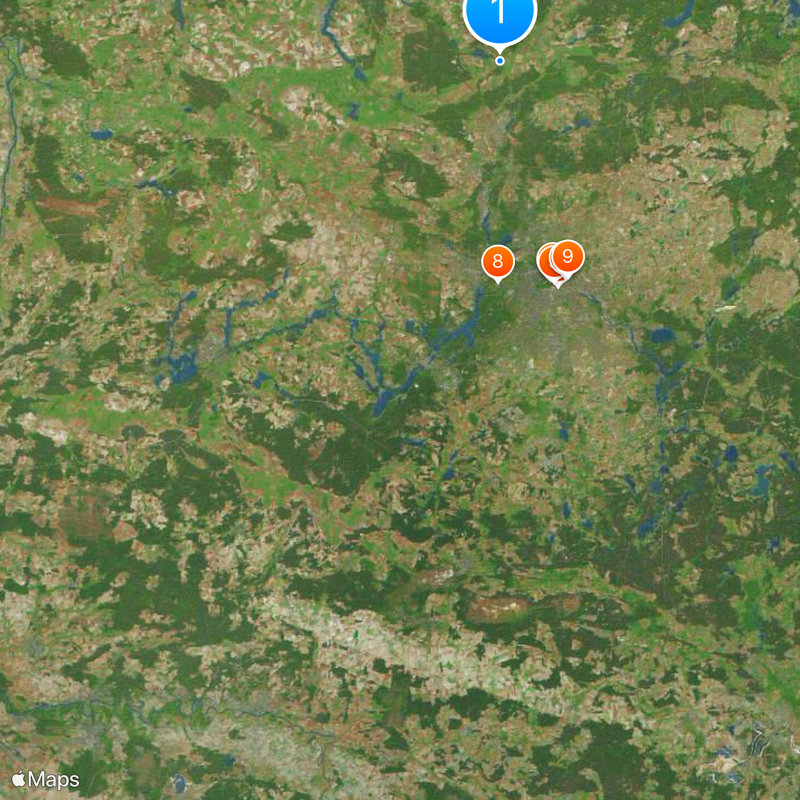
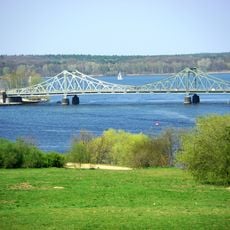
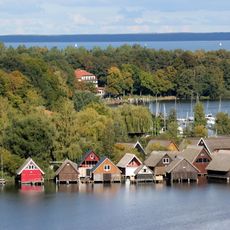
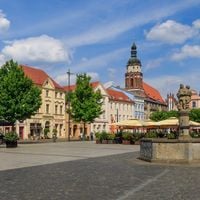
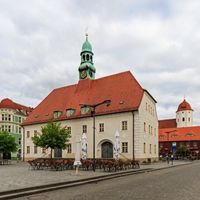
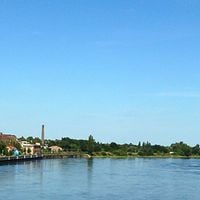
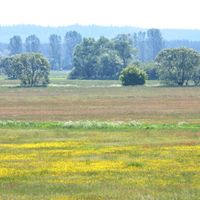
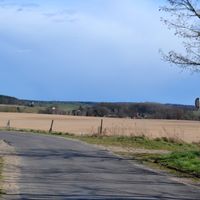
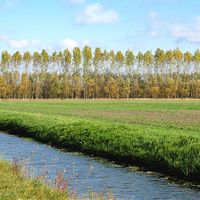
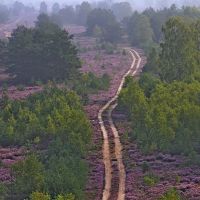
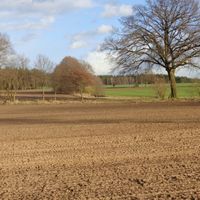
Brandenburg is a federated state in northeastern Germany that completely surrounds Berlin, stretching across wide plains dotted with more than 3,000 lakes. The landscape is shaped by extensive pine forests, sandy soils, and a dense network of rivers and canals running throughout the territory.
The territory evolved from the Northern March around the year 900 into the Margraviate of Brandenburg, which later became the core of the Kingdom of Prussia. After World War II, it remained part of East Germany until reunification in 1990 reestablished it as a federated state.
The Sorbian minority in the southeast keeps its traditions alive through bilingual village signs, services in Lower Sorbian, and annual festivals featuring traditional costumes. Visitors encounter this living culture especially in Lusatia, where local customs like Zampern during carnival season remain part of everyday life.
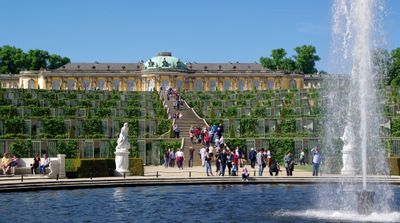
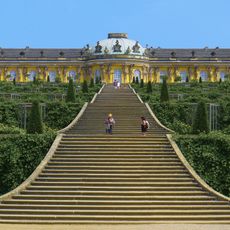
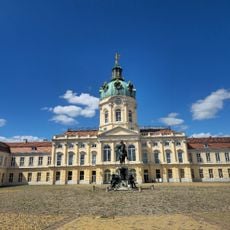
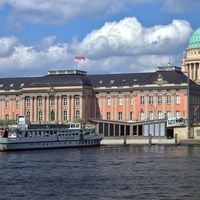
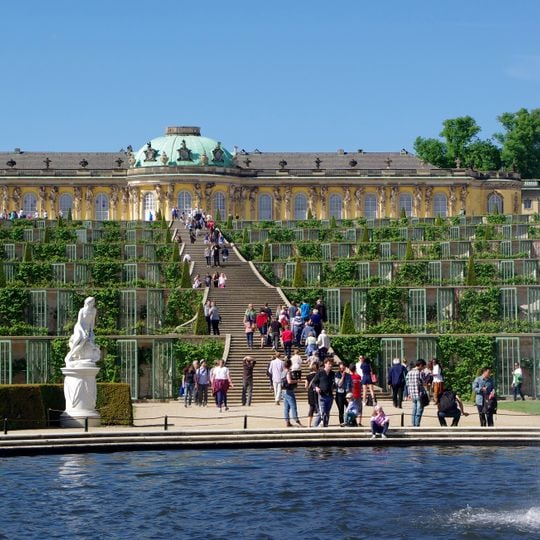
Potsdam, the state capital, sits about 30 minutes from Berlin and serves as a starting point for exploring the surrounding regions. The sprawling territory is best navigated by car or regional trains, as many smaller towns and natural areas are not directly connected to each other.
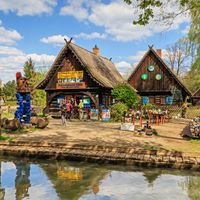
The Spreewald, a UNESCO biosphere reserve, consists of a branching network of over 1,500 kilometers of waterways where farmers still transport vegetables in traditional wooden punts. This singular cultural landscape has functioned for centuries without roads in large parts of the region.
The community of curious travelers
AroundUs brings together thousands of curated places, local tips, and hidden gems, enriched daily by 91,264 contributors worldwide.