See the monuments around you in AROpen chests in the app
Around Us is built for your phone — point your camera at the streets and discover the monuments and places around you in augmented reality.Around Us is built for your phone — chests unlock when you walk, explore and capture nearby places.
Memorials of peace : places of memory, reconciliation and human rights
This collection brings together about thirty places of memory and reflection spread across several continents. Each one shows a moment in history where violence affected people and changed entire areas. These sites remind us of the effects of wars, genocides, and persecutions, while also carrying a message of justice and human rights. They encourage understanding the past to help build the future.
You can find the Hiroshima Peace Memorial Park and the Atomic Bomb Dome, which witness the first atomic bomb in 1945, the Anne Frank House in Amsterdam where a Jewish family hid during World War II, and the Douaumont Ossuary, which holds the remains of soldiers who died at Verdun. Other places like the Kigali Genocide Memorial in Rwanda and the Peace Museum in Seoul tell of painful parts of recent history. Every visit offers a moment to reflect and consider how fragile peace can be.
Memorials of peace : places of memory, reconciliation and human rights
This collection brings together about thirty places of memory and reflection spread across several continents. Each one shows a moment in history where violence affected people and changed entire areas. These sites remind us of the effects of wars, genocides, and persecutions, while also carrying a message of justice and human rights. They encourage understanding the past to help build the future.
You can find the Hiroshima Peace Memorial Park and the Atomic Bomb Dome, which witness the first atomic bomb in 1945, the Anne Frank House in Amsterdam where a Jewish family hid during World War II, and the Douaumont Ossuary, which holds the remains of soldiers who died at Verdun. Other places like the Kigali Genocide Memorial in Rwanda and the Peace Museum in Seoul tell of painful parts of recent history. Every visit offers a moment to reflect and consider how fragile peace can be.
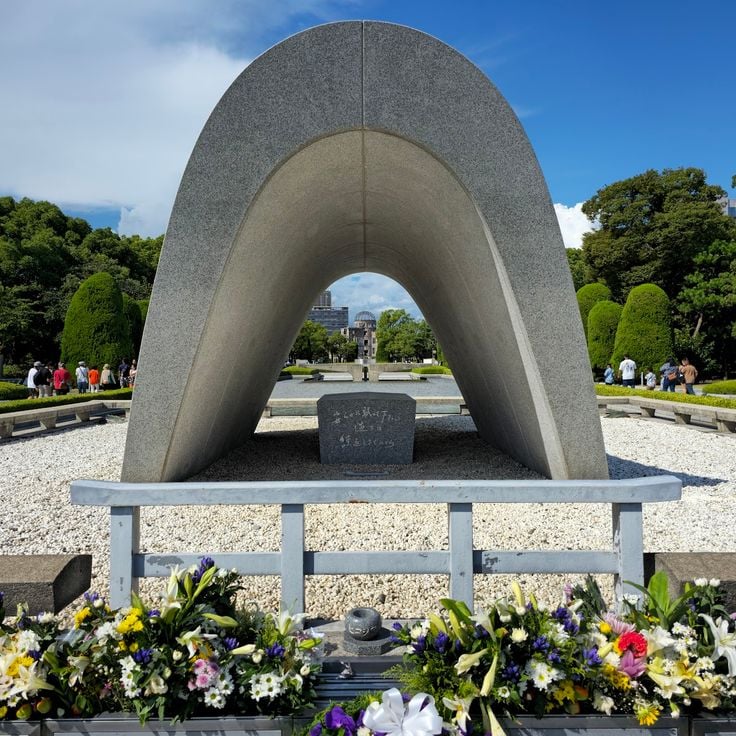
The Hiroshima Peace Memorial Park honors those who died in the atomic bombing of 1945. This park stands as a symbol of peace around the world and invites visitors to reflect on history. It offers a place for people to pause and think about the consequences of war and the importance of reconciliation.
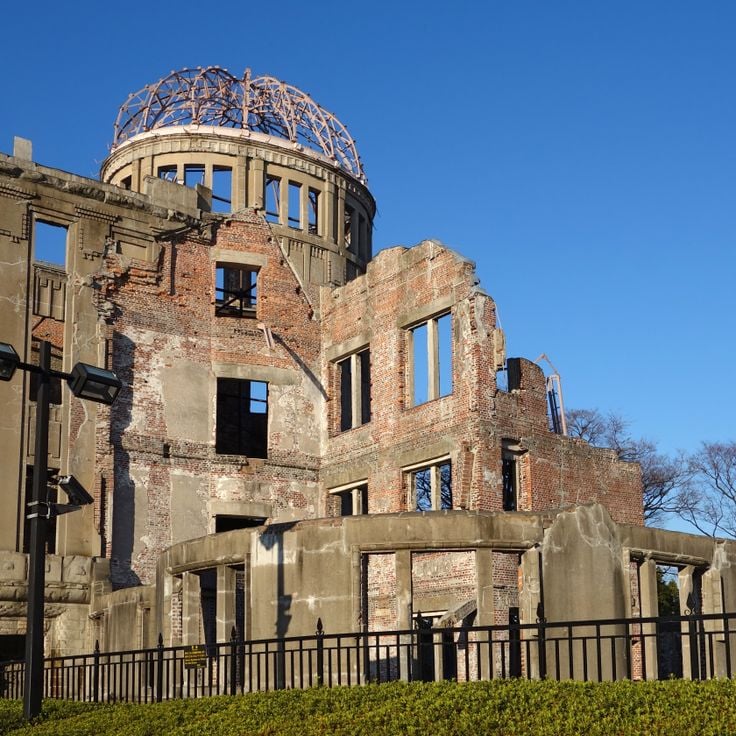
The Genbaku Dome is a ruin in Hiroshima that marks the dropping of an atomic bomb on August 6, 1945. The building stood about 160 meters from the center of the explosion. The heat and pressure from the blast destroyed almost everything nearby, but the structure partially remained standing. Today it is a place of remembrance and reflection on the consequences of war. Visitors come here to understand the reality of violence and destruction and to think about the importance of peace.
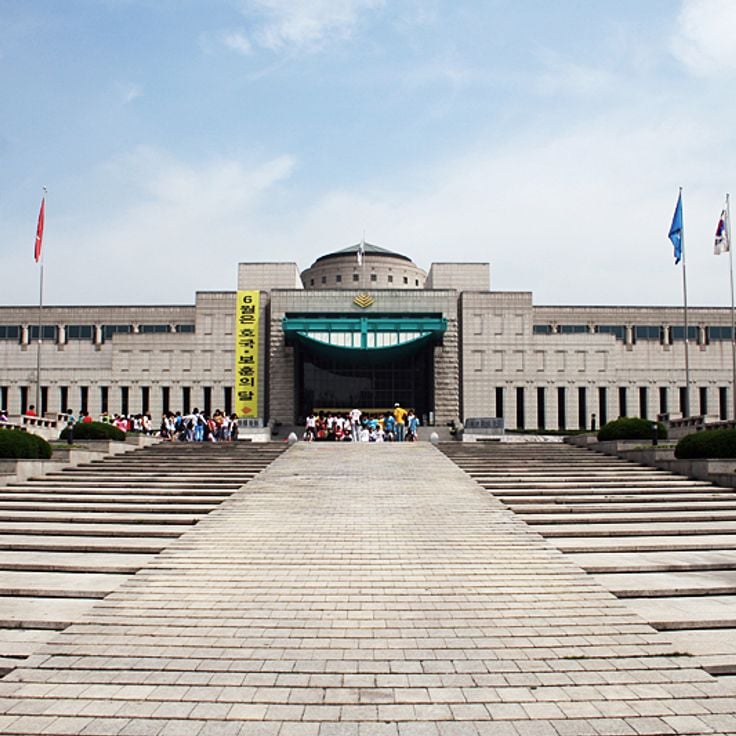
The Korean Peace Memorial in Seoul is a place of remembrance for the Korean War and hopes for reunification. The park tells the story of a country divided by conflict. Visitors can learn how the war affected the Korean people and their hope for peace. The exhibitions and monuments invite reflection on the human cost of war and the importance of reconciliation.
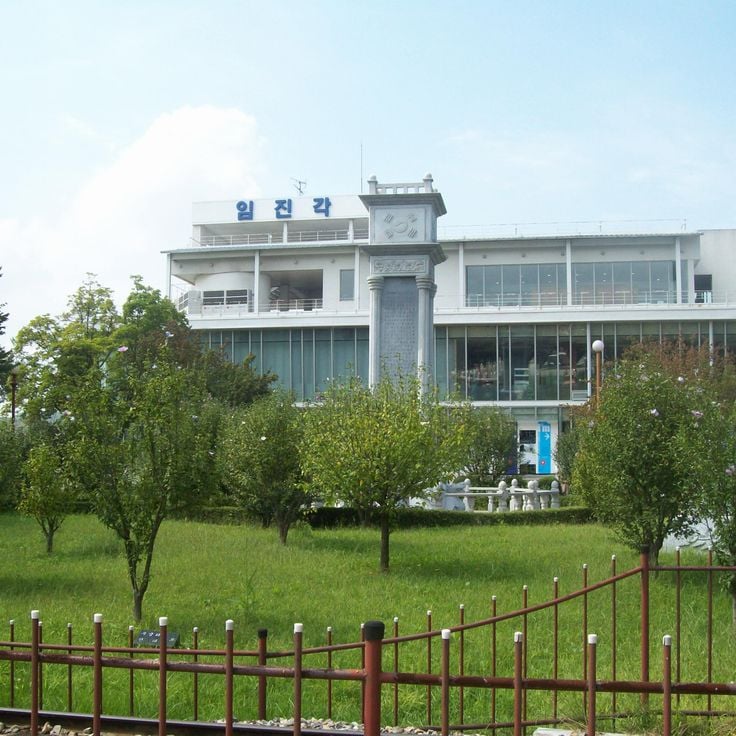
Imjingak Peace Park in Paju reflects the division of the two Koreas and symbolizes hope for reunification. This place allows visitors to understand the history of Korean partition and its effects on millions of people. The park reminds visitors of the consequences of conflict and carries a message of hope for peace and reconciliation.
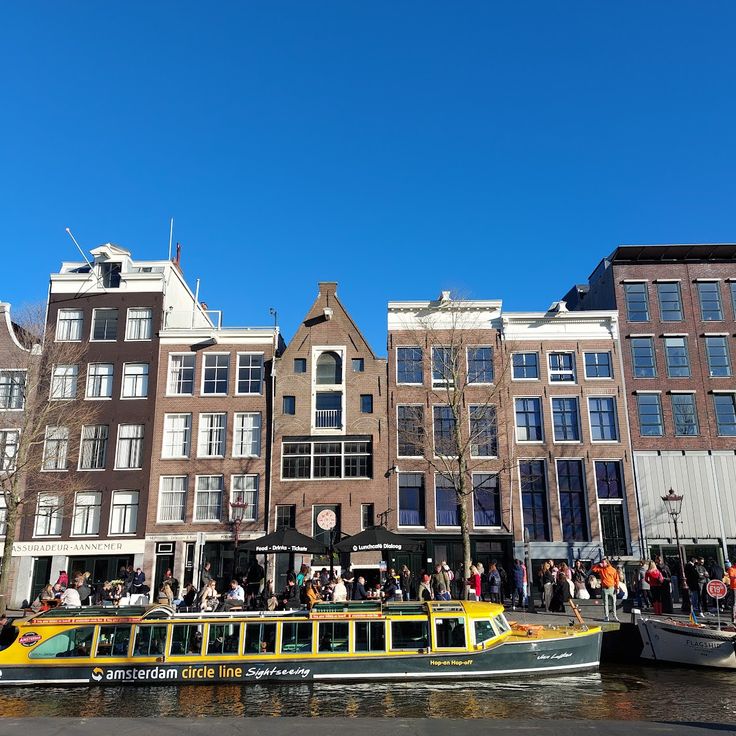
The Anne Frank House is a museum dedicated to remembering the Holocaust. A Jewish family hid here during World War II. Visitors can see the rooms where Anne Frank wrote her famous diary. The house tells the story of a family forced to hide from persecution. It is a place to understand the impact of war and persecution.
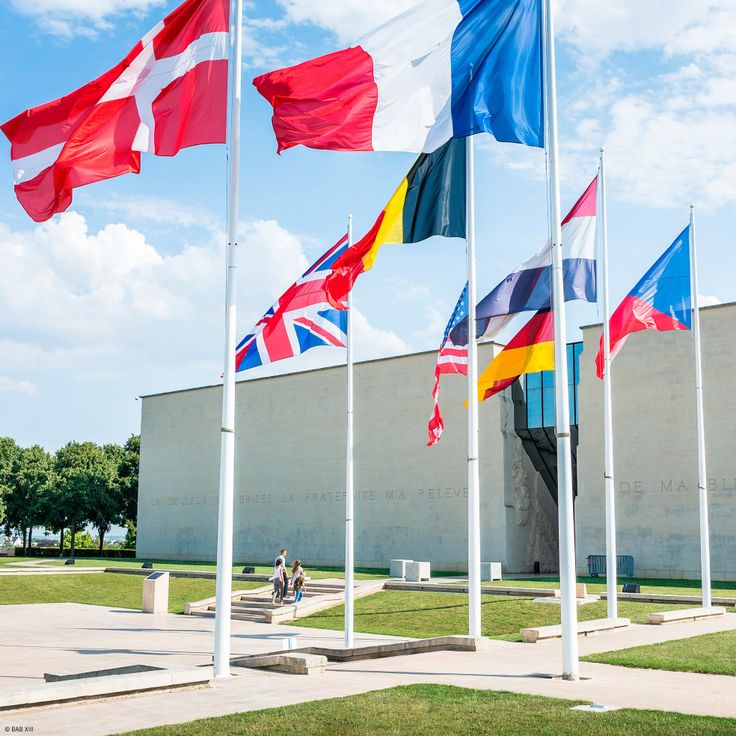
The Caen Memorial for Peace is a museum and memorial site dedicated to World War II and reconciliation. This place tells the story of the battles that devastated Normandy and the people whose lives were transformed by war. The Caen Memorial for Peace invites visitors to understand the past and reflect on the importance of peace and justice. It is a place for contemplation that shows how hope for a better future can emerge from pain and suffering.
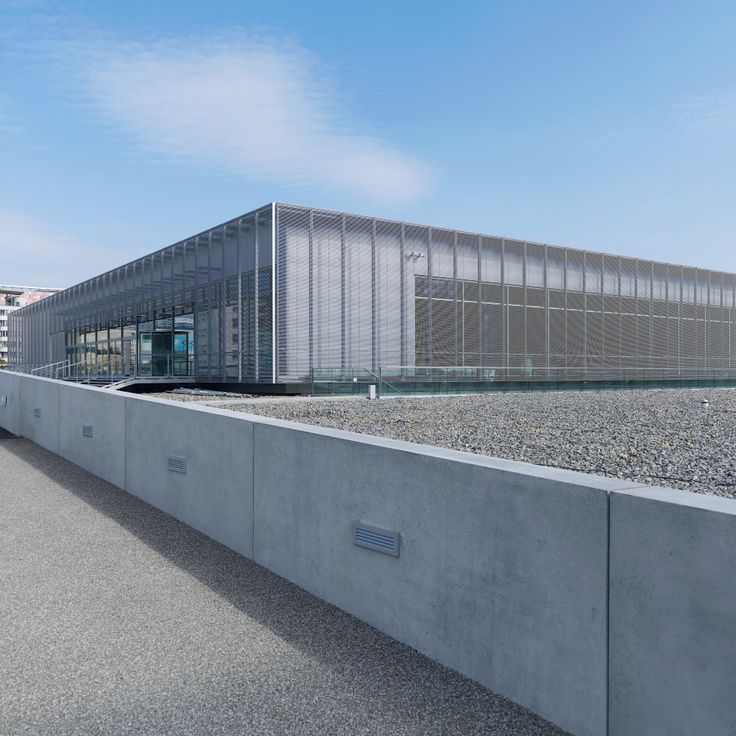
The Topography of Terror is a memorial site and museum in Berlin that documents Nazi crimes and promotes remembrance of persecution during the Nazi era. The location is where the Gestapo and SS had their headquarters. Visitors can walk through exhibitions that explain how the Nazi regime operated, which people it targeted, and the impact this period had on Europe and the world. The site honors the victims and helps people understand the lessons of this dark chapter in history.
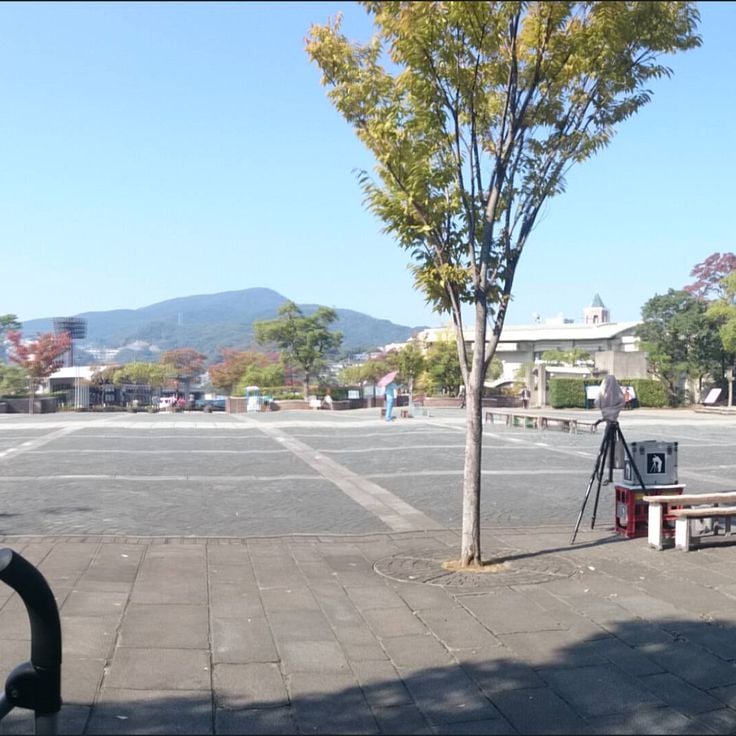
The Nagasaki Peace Memorial honors those who died when an atomic bomb fell on the city in 1945. The site invites visitors to remember the victims and reflect on the consequences of war and violence. Like other memorial sites in this collection, it bears witness to a moment in history that transformed entire populations.
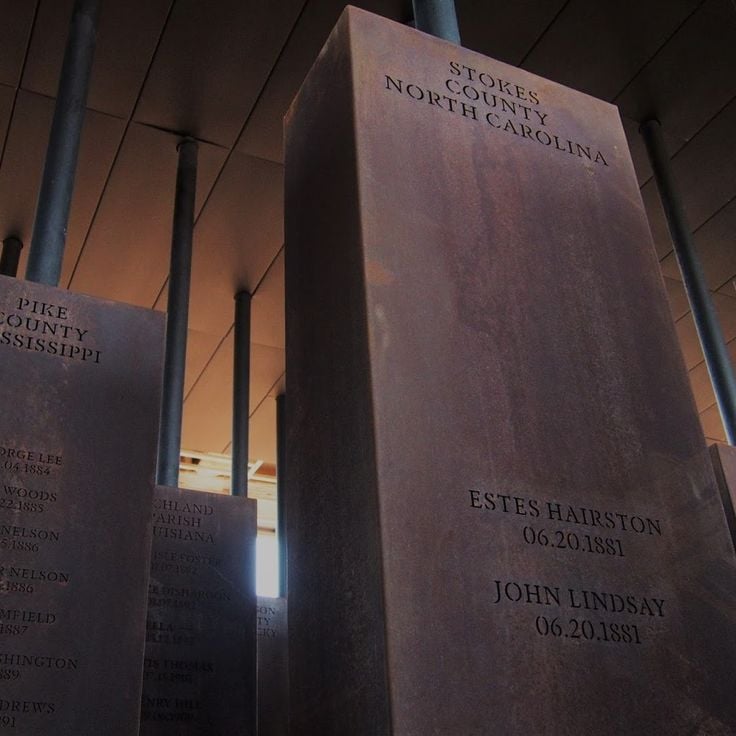
This memorial in Montgomery honors those who lost their lives to racial violence in the United States. It documents lynchings and other forms of systematic oppression that affected African American communities. The site invites visitors to confront this painful history and understand the ongoing struggle for justice and human rights. The memorial displays names and dates of victims, connecting individual stories to the broader fight for equality and reconciliation.
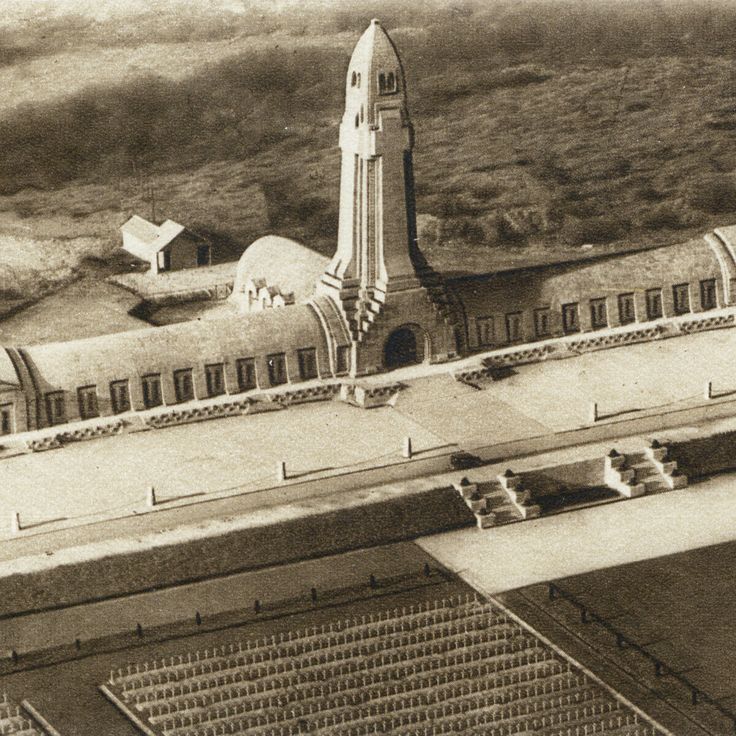
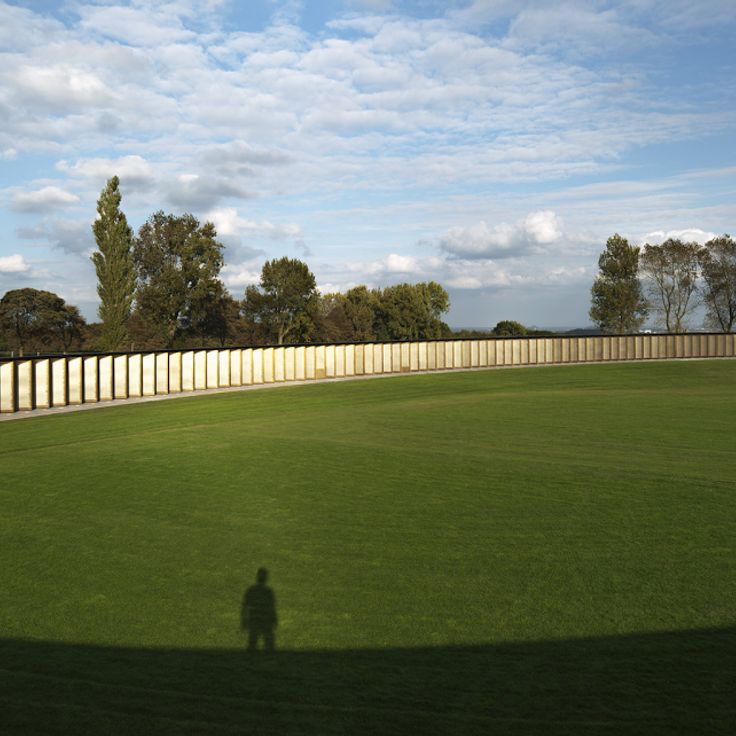
The Douaumont Ossuary and Memorial in Verdun is a site dedicated to soldiers who fell during the First World War. It holds the remains of those who died in the Battle of Verdun. The place invites visitors to understand the tragedy of war and to reflect on how conflict changed both people and land. This memorial speaks to the fragility of peace and the importance of reconciliation.
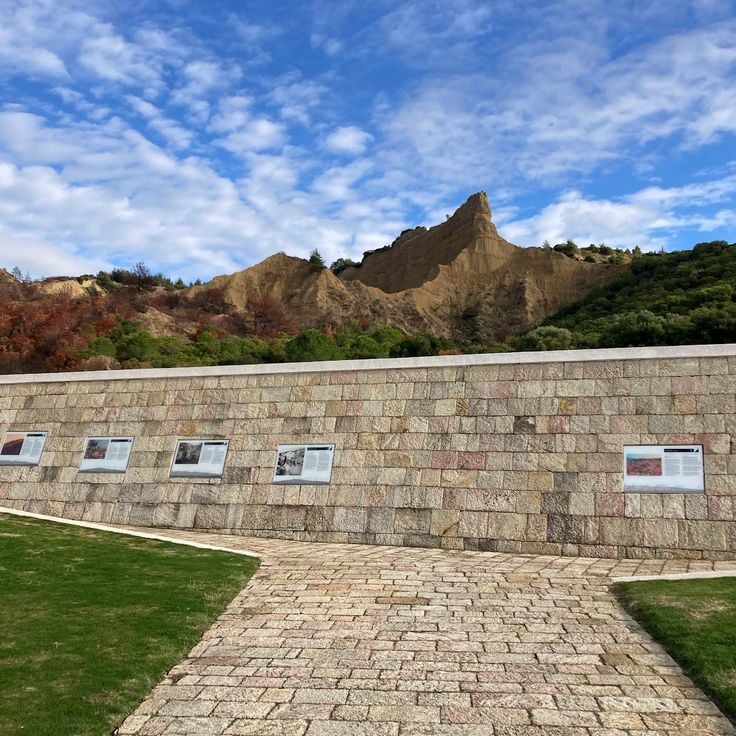
ANZAC Cove and the memorials of Gallipoli are commemorative sites from the First World War. They mark the 1915 battle and honor the soldiers who died there. These places connect the histories of Australia, New Zealand, and Turkey. Visitors find cemeteries, museums, and monuments across the landscape. The seaside setting carries the weight of history. Each year on April 25, people from several nations gather to remember the fallen together. The site shows how nations can share their grief and recall the past as one.
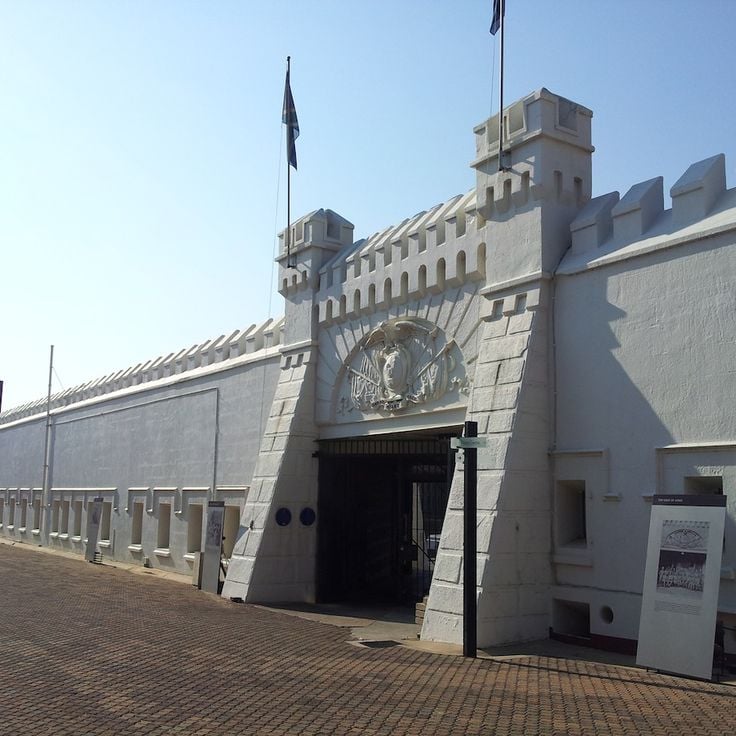
Constitutional Hill in Johannesburg is a historical site dedicated to justice, human rights, and South Africa's democratic transition. This place tells the story of resistance against apartheid and hope for a more just society. Visitors walk through museums and exhibitions that show the suffering and struggles of people who fought for freedom and equality. The hill itself was once a place of oppression, but became a symbol of liberation and new beginnings. Here, people can reflect on the fragments of the past and what a nation needs to heal itself.
The Mémorial international de Notre-Dame-de-Lorette is a place of remembrance for those who died in World War I. The necropolis holds the graves of soldiers from many nations and shows how this war destroyed entire families and communities. The site invites visitors to think about the cost of war and the hope for peace. Walking through this memorial, you can understand the roots of our modern world and honor those who sacrificed their lives.
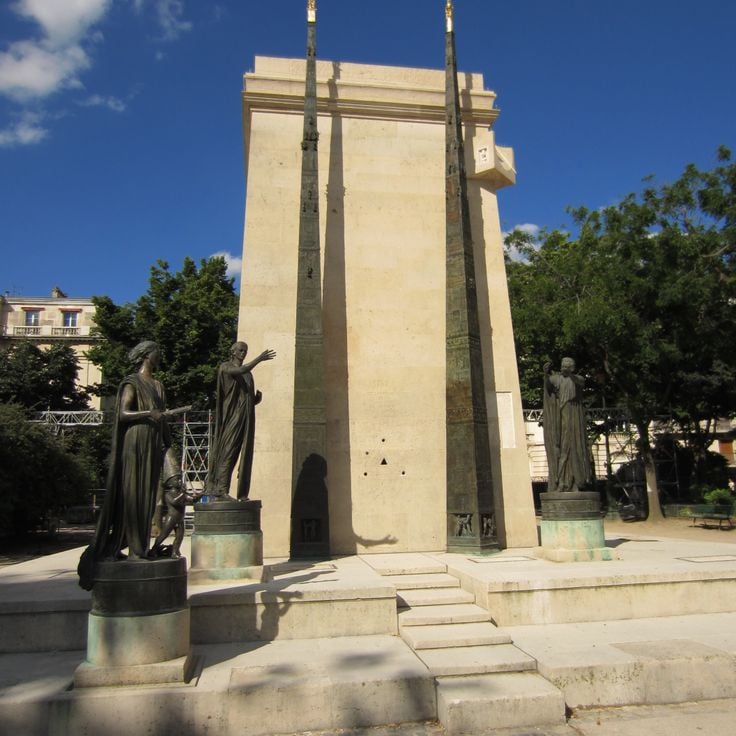
This monument on Trocadéro Square was created to honor peace and human rights. It stands as a statement against violence and oppression, inviting visitors to reflect on the lessons of history. The monument connects remembrance of past suffering with hope for a more just world. Its location in the heart of Paris makes it a place where people gather to consider the importance of peace and human dignity.
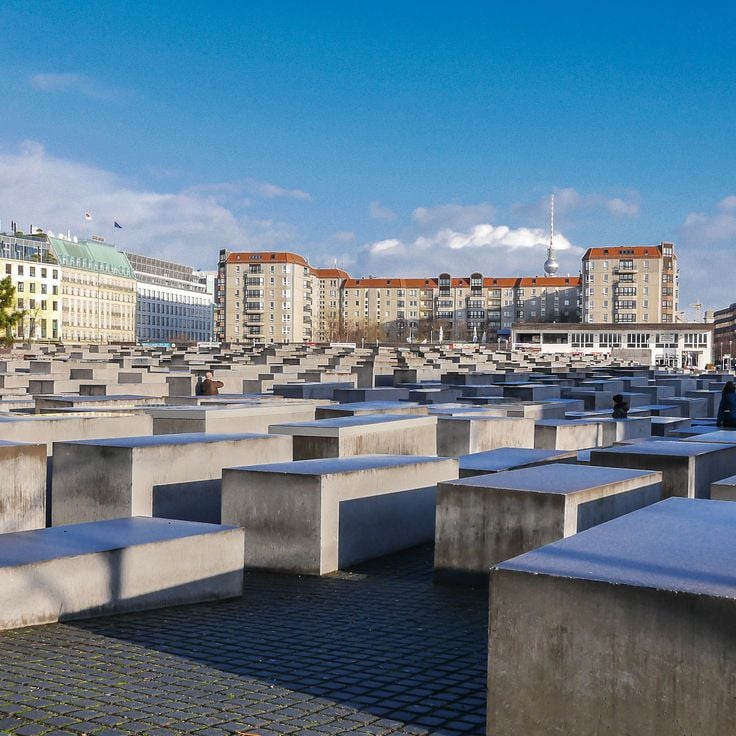
The Memorial to the Murdered Jews of Europe in Berlin honors the victims of the Holocaust. This site invites visitors to confront a difficult period of history and reflect on human rights and reconciliation. It stands as part of a global collection of places that remember violence, wars, and persecution.
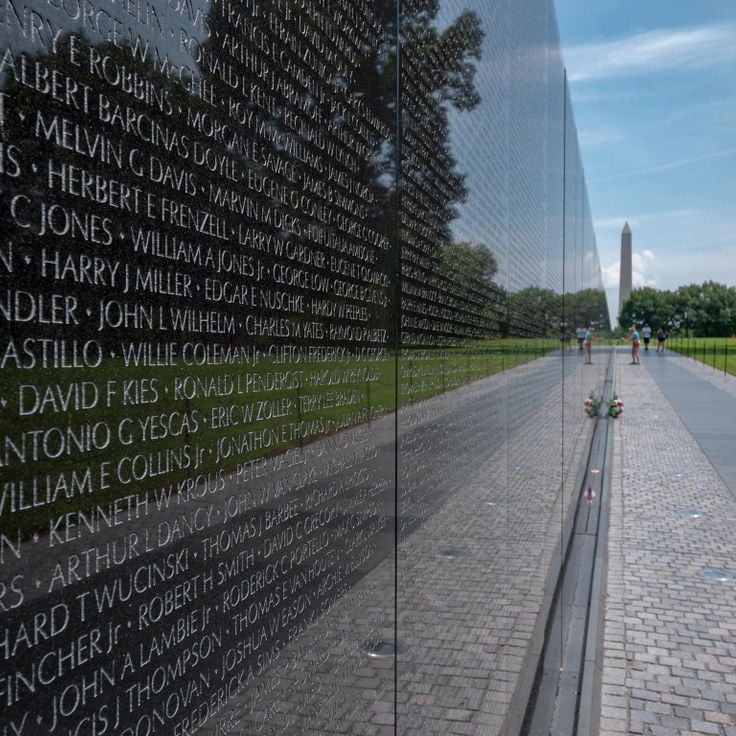
The Vietnam Veterans Memorial is a national monument in Washington DC dedicated to soldiers of the Vietnam War. It commemorates those who died and invites visitors to reflect on the cost of war. The memorial consists of a black granite wall with the names of the deceased engraved into it. As you walk along the wall, you see the reflection of the surrounding landscape. It is a place where people pause to remember those who lost their lives.
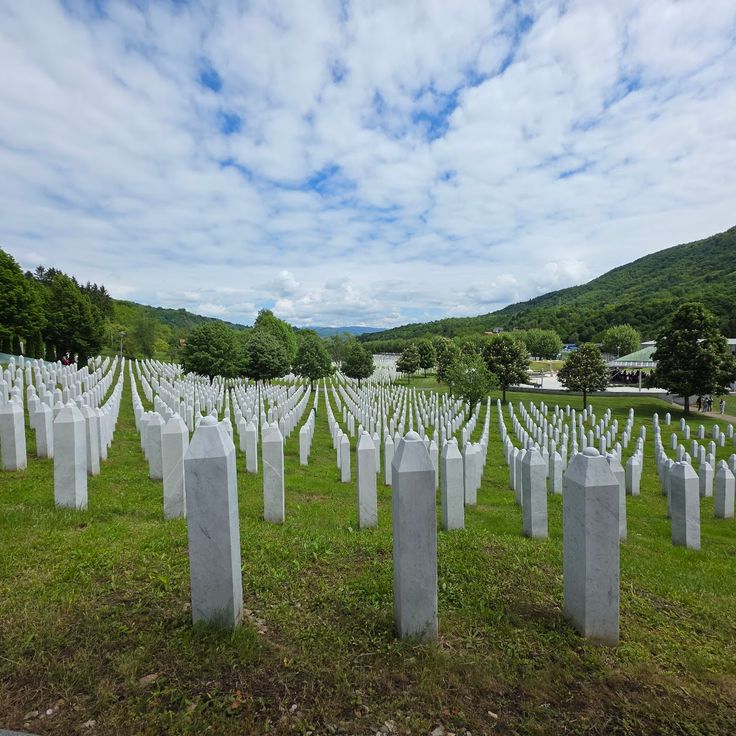
The Srebrenica Memorial in Potocari honors the victims of the massacre that occurred in 1995 during the Bosnian War. This site serves as a cemetery and place of remembrance where thousands of victims rest. The memorial invites visitors to understand the events that took place during the conflict and to reflect on questions of justice and human rights. It is a place for pause and consideration of how fragile peace can be.
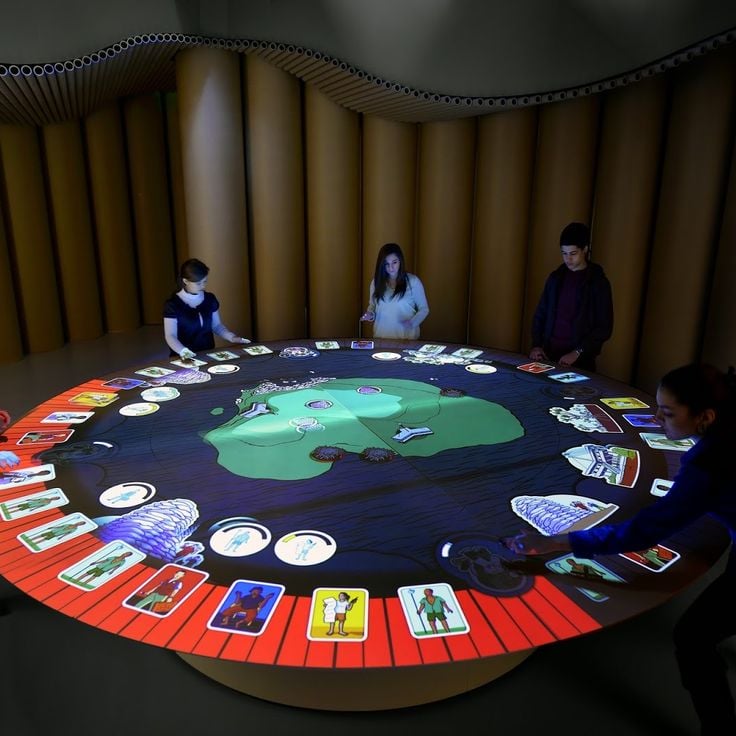
The International Red Cross and Red Crescent Museum in Geneva presents the work of the Red Cross and Red Crescent movement in protecting people during armed conflicts and disasters. The museum tells the story of humanitarian assistance in times of war and shows how these organizations advocate for the rights and dignity of civilians. The exhibitions feature real accounts of people who received help or provided assistance in the most difficult situations. Visitors learn how international rules came into being to reduce suffering and protect human lives.
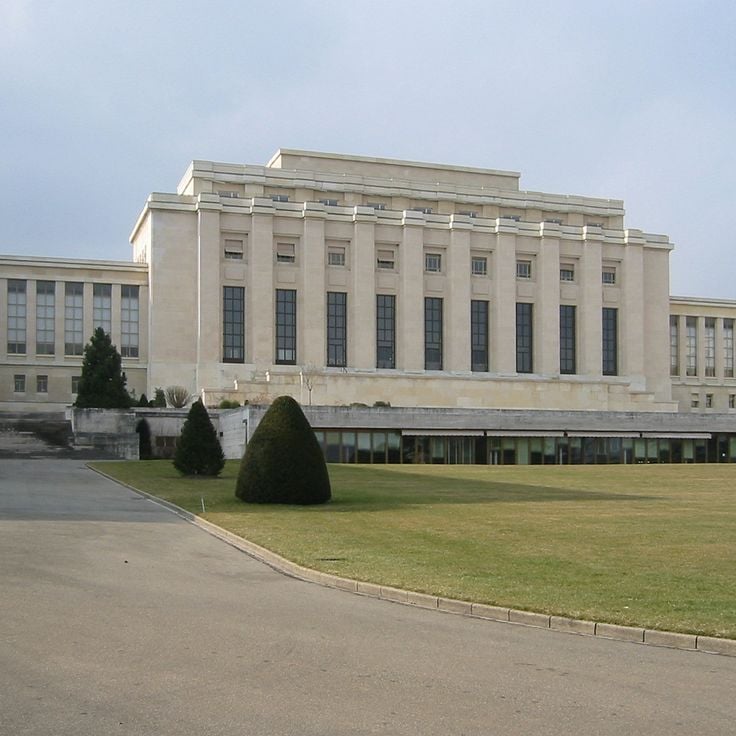
The Palace of Nations is the European headquarters of the United Nations in Geneva. It stands as a symbol of international diplomacy and peace. Important discussions about human rights, justice, and peace take place within its walls. The Palace shows how nations come together to resolve conflicts and build a better future. Its rooms tell of efforts toward understanding and cooperation following times of war and suffering.
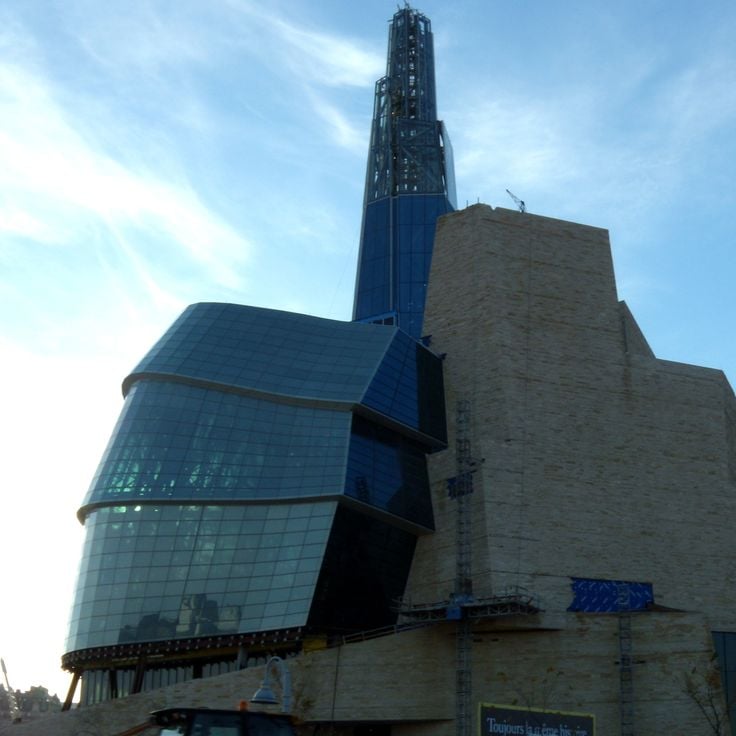
The Canadian Museum for Human Rights in Winnipeg tells the stories of people whose lives were changed by violence, persecution, and injustice. It documents how rights have been fought for and won, and shows why protecting people from harm matters. The museum displays objects, photographs, and testimonies that connect visitors to real human experiences. A visit here encourages reflection on how societies can prevent violence and build a more just world.
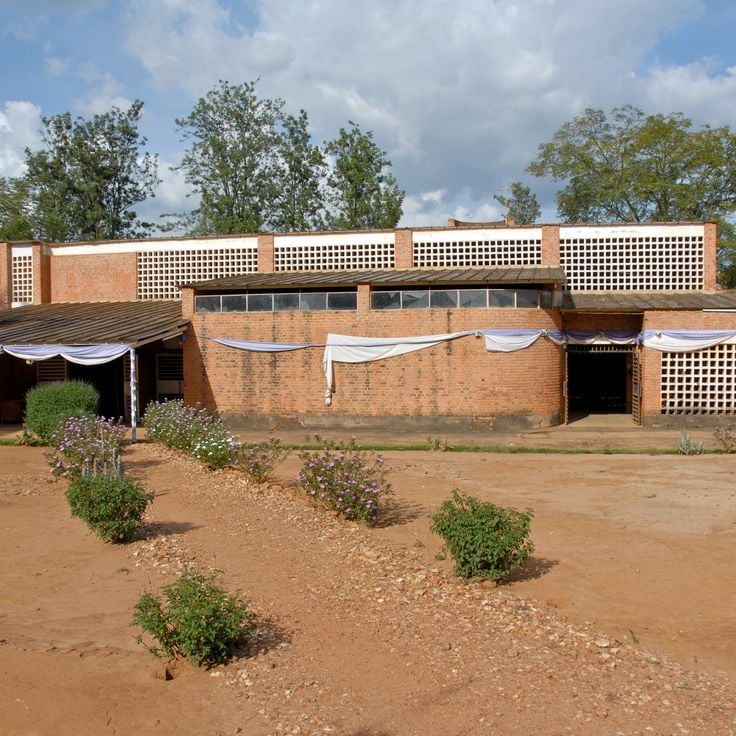
The Kigali Genocide Memorial is a national monument dedicated to the victims of the 1994 Rwandan genocide. The site documents the terrible events of that time and preserves the memory of the people who lost their lives. Visitors can learn about this tragic chapter of history and engage with questions of justice and human rights. The memorial helps ensure these crimes are not forgotten and encourages reflection on peace and reconciliation.
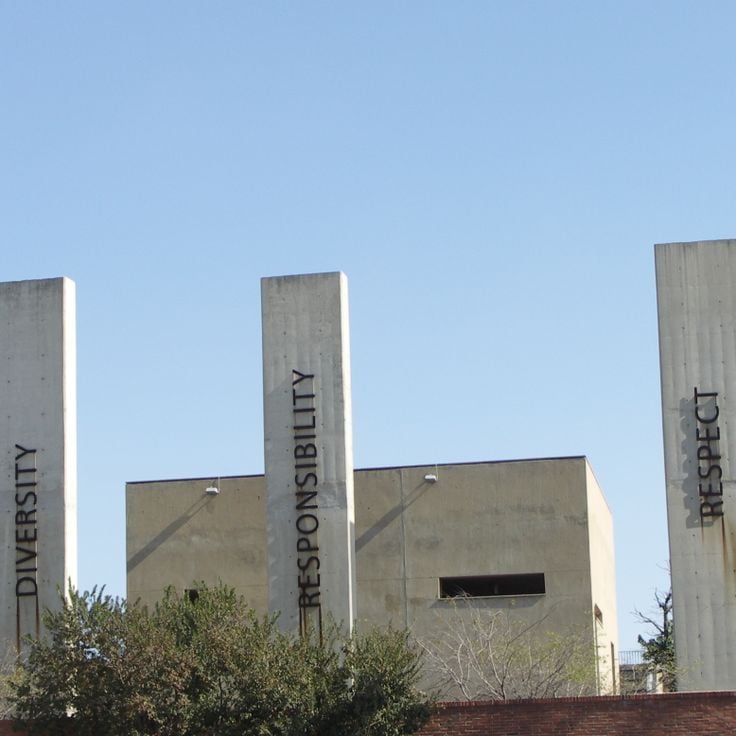
The Apartheid Museum in Johannesburg documents the history of apartheid in South Africa and the journey toward reconciliation. It shows how segregation shaped people's lives and divided communities. The museum honors this dark period and the struggles of those who fought against injustice. Visitors experience a place of reflection that preserves lessons from this history and invites thought about human rights and justice.
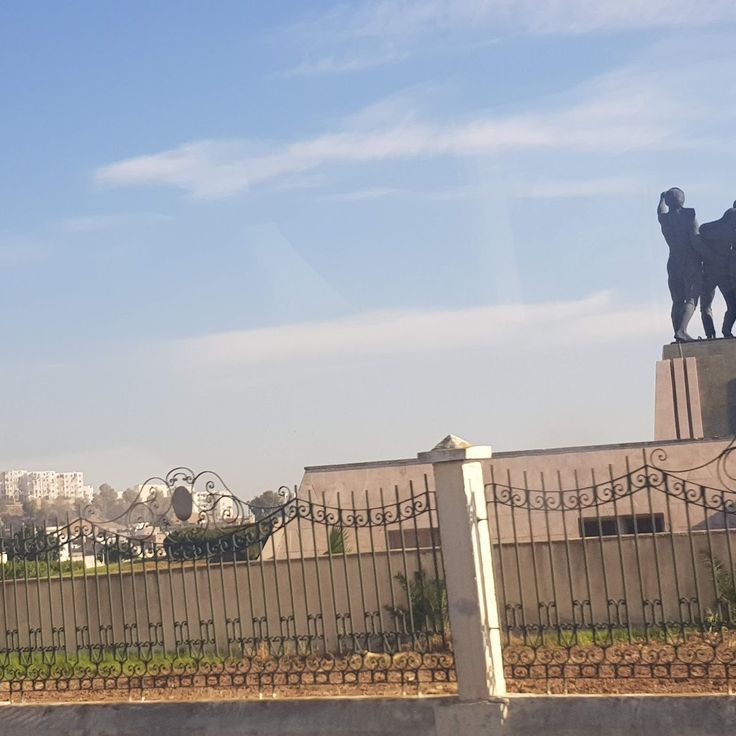
The Peace Memorial of Tunis honors those who suffered during violence and marks Tunisia's journey toward democracy. This place documents the struggles and losses the country experienced and traces the path toward peace and stability. Visitors find space here to reflect on the importance of human rights and living together peacefully.
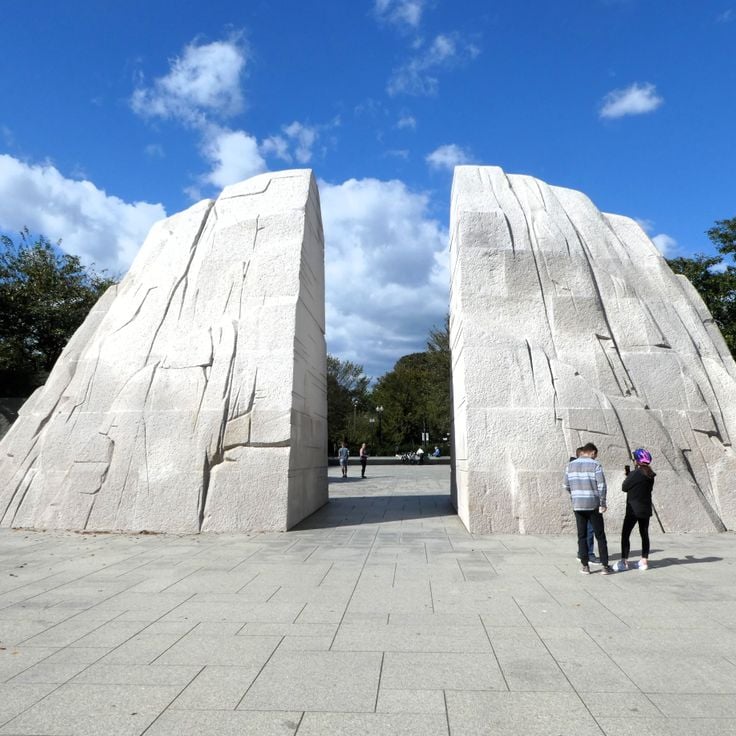
The Martin Luther King Jr. Memorial in Washington DC honors the leader of the nonviolent civil rights movement. The site recognizes his life and his struggle for justice and equality. Visitors come here to learn from his vision of a better world and to reflect on the ongoing importance of freedom and human rights.
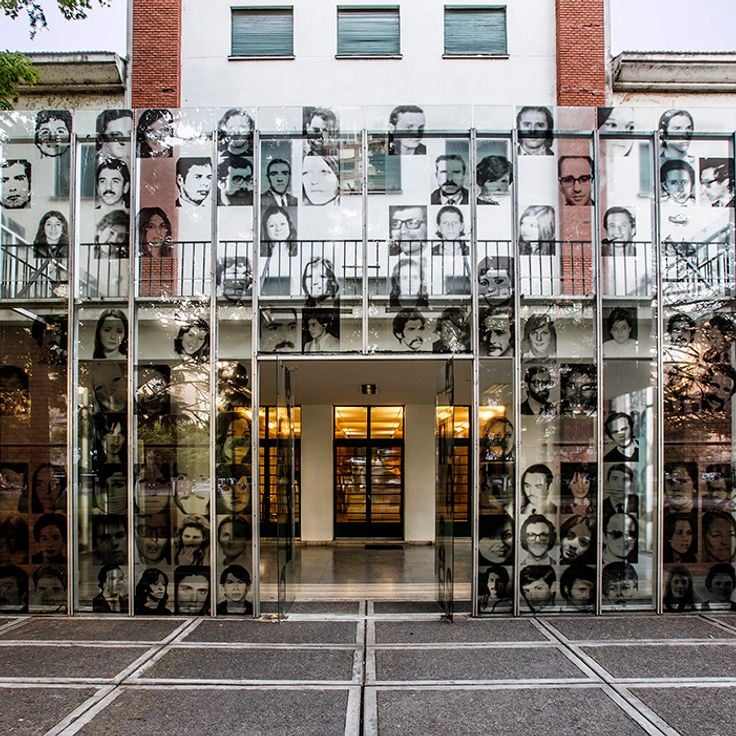
The Museo Sitio de Memoria ESMA in Buenos Aires was a detention and torture center under Argentina's military dictatorship. Today it functions as a memorial museum documenting the crimes of that era. Walking through the site invites reflection on the suffering of those detained and the long-term effects of state violence. The museum preserves testimonies and physical spaces that reveal what happened within these walls. Visitors encounter the human cost of dictatorship and are encouraged to consider how societies can prevent such atrocities.
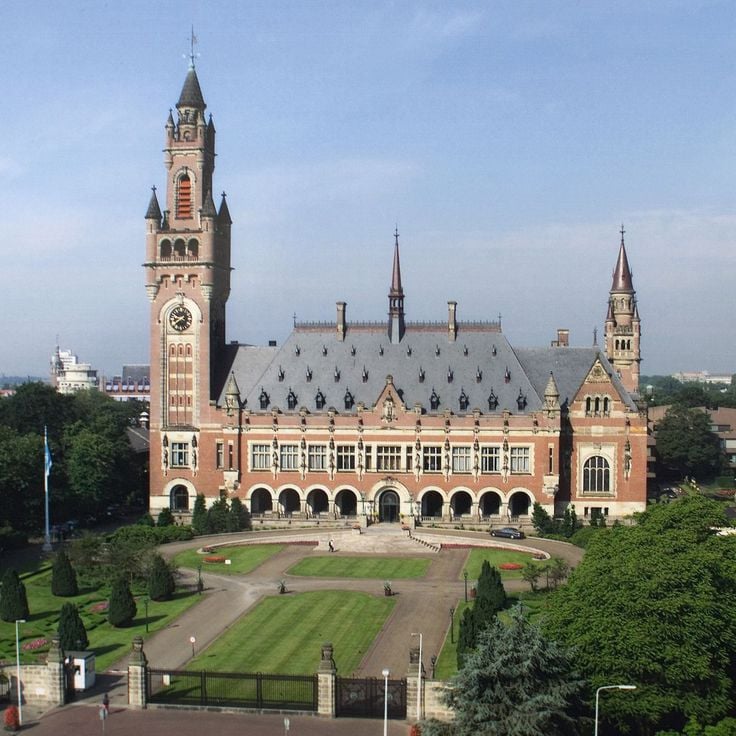
The Peace Palace in The Hague is home to the International Court of Justice and stands as a symbol of international law and peace. Within its walls, disputes between nations are resolved through judicial proceedings rather than conflict. The building represents humanity's commitment to settling disagreements through legal frameworks and dialogue. Visitors walking through this place sense the weight of decisions made here that affect people worldwide.
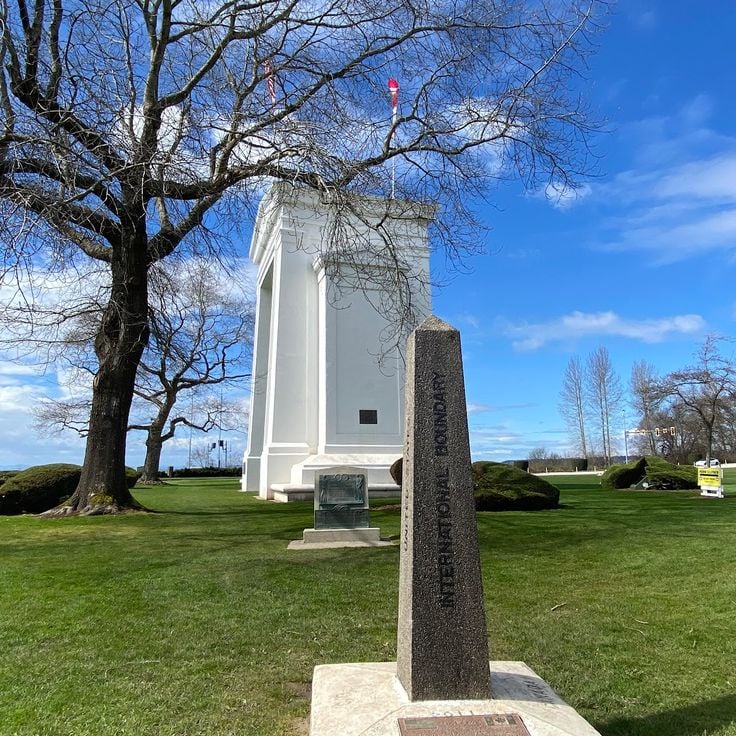
Peace Arch Park symbolizes peace and friendship between the United States and Canada. This park sits at the border between Blaine and Surrey and reminds visitors of two nations living side by side without conflict. The monument represents hope for understanding and shows how countries can coexist peacefully.
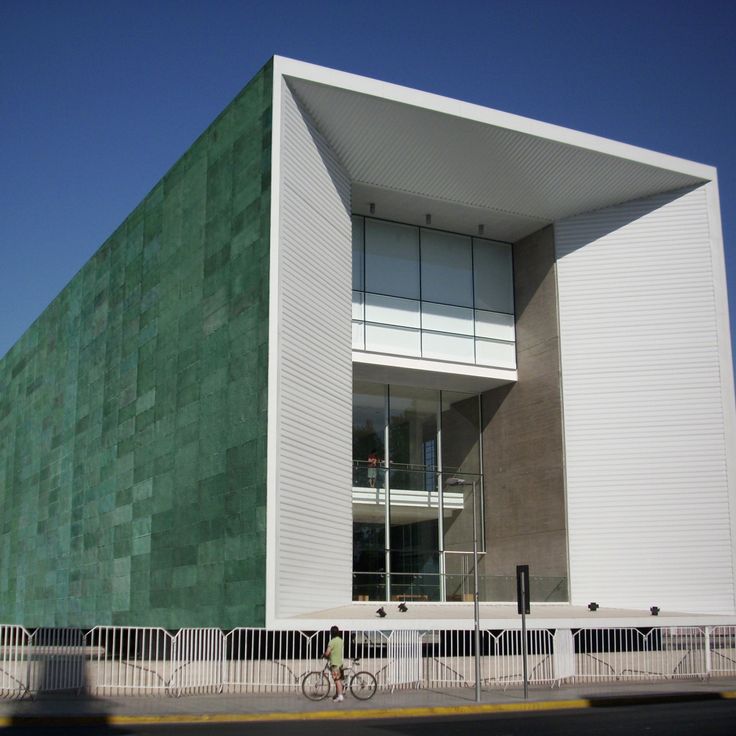
The Museo de la Memoria y los Derechos Humanos in Santiago documents the dictatorship period and human rights violations in Chile. This museum displays through exhibitions, documents and personal testimonies how political repression and violence shaped the country. Visitors learn the stories of people who suffered under the regime and discover how justice and reconciliation have progressed in Chile since the dictatorship ended. The museum invites people to understand this difficult period of history and to support human rights.
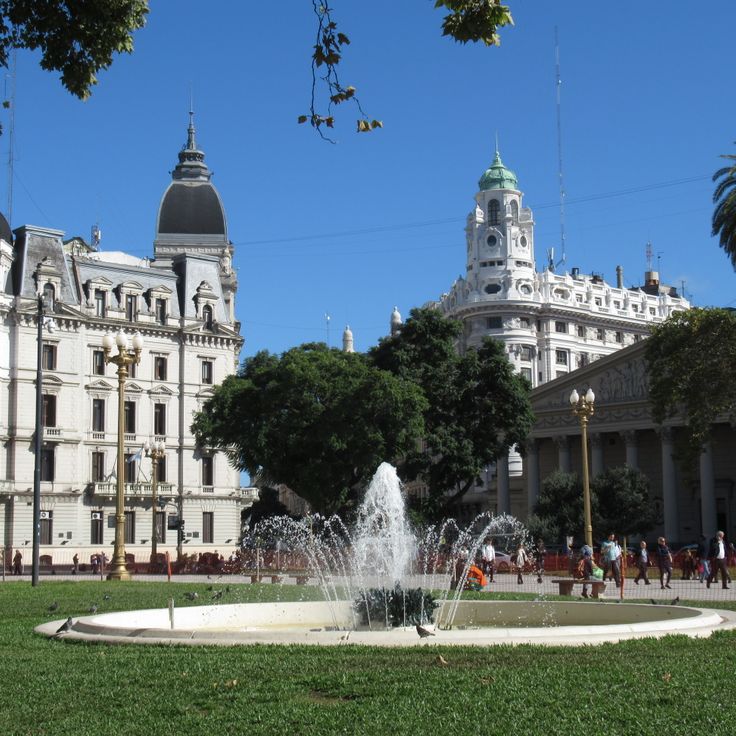
The Plaza de Mayo in Buenos Aires is a historic square connected to the memory of the Mothers of the Plaza de Mayo and political violence. This place remembers the victims of Argentina's military dictatorship and the disappeared, whose families demanded justice here. The square became a symbol of resistance and the fight for human rights. Visitors can experience the history of a nation working through its past and standing up for truth and justice.
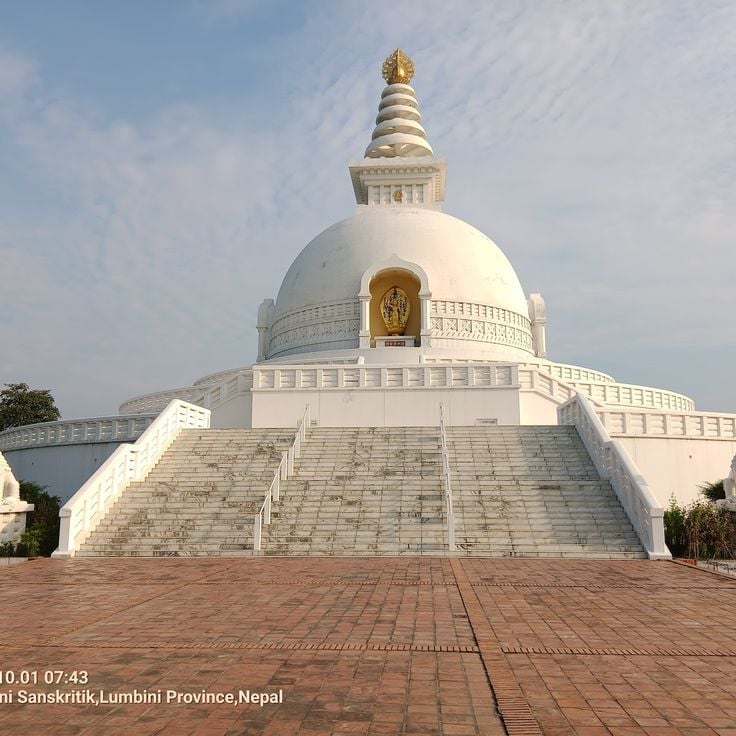
This pagoda in Lumbini represents Buddhist teachings on peace and non-violence. Built to honor Buddha's message and bring people of different backgrounds together, it stands as a place of reflection. Visitors come here to think about inner peace and how personal calm connects to building a more just world.
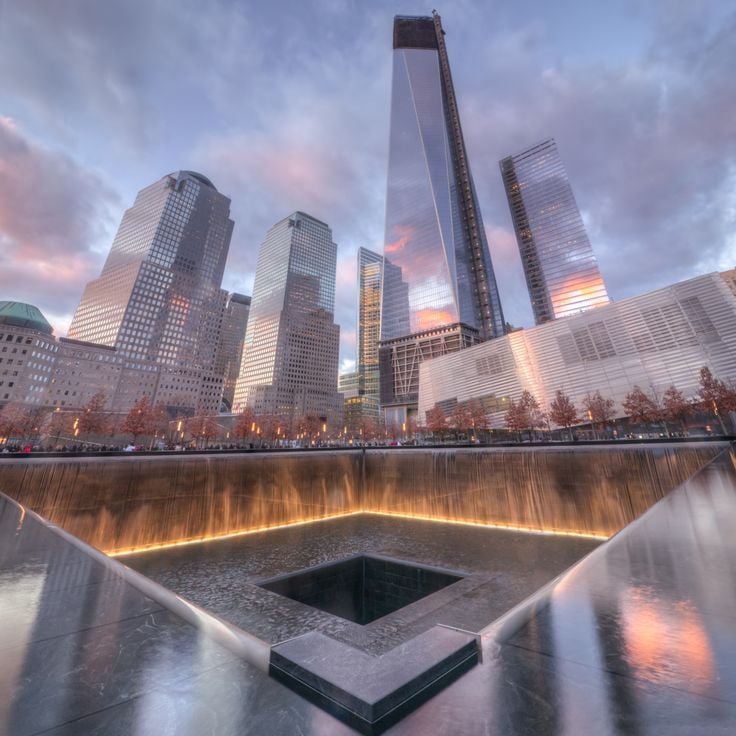
The National September 11 Memorial & Museum in New York honors those who died in the terrorist attacks of September 11, 2001, and celebrates the resilience of survivors and communities. This place connects memory with hope, inviting visitors to understand the impact of these tragic events and reflect on human rights and peace.
The Hiroshima Peace Memorial Park honors those who died in the atomic bombing of 1945. This park stands as a symbol of peace around the world and invites visitors to reflect on history. It offers a place for people to pause and think about the consequences of war and the importance of reconciliation.
The Genbaku Dome is a ruin in Hiroshima that marks the dropping of an atomic bomb on August 6, 1945. The building stood about 160 meters from the center of the explosion. The heat and pressure from the blast destroyed almost everything nearby, but the structure partially remained standing. Today it is a place of remembrance and reflection on the consequences of war. Visitors come here to understand the reality of violence and destruction and to think about the importance of peace.
The Korean Peace Memorial in Seoul is a place of remembrance for the Korean War and hopes for reunification. The park tells the story of a country divided by conflict. Visitors can learn how the war affected the Korean people and their hope for peace. The exhibitions and monuments invite reflection on the human cost of war and the importance of reconciliation.
Imjingak Peace Park in Paju reflects the division of the two Koreas and symbolizes hope for reunification. This place allows visitors to understand the history of Korean partition and its effects on millions of people. The park reminds visitors of the consequences of conflict and carries a message of hope for peace and reconciliation.
The Anne Frank House is a museum dedicated to remembering the Holocaust. A Jewish family hid here during World War II. Visitors can see the rooms where Anne Frank wrote her famous diary. The house tells the story of a family forced to hide from persecution. It is a place to understand the impact of war and persecution.
The Caen Memorial for Peace is a museum and memorial site dedicated to World War II and reconciliation. This place tells the story of the battles that devastated Normandy and the people whose lives were transformed by war. The Caen Memorial for Peace invites visitors to understand the past and reflect on the importance of peace and justice. It is a place for contemplation that shows how hope for a better future can emerge from pain and suffering.
The Topography of Terror is a memorial site and museum in Berlin that documents Nazi crimes and promotes remembrance of persecution during the Nazi era. The location is where the Gestapo and SS had their headquarters. Visitors can walk through exhibitions that explain how the Nazi regime operated, which people it targeted, and the impact this period had on Europe and the world. The site honors the victims and helps people understand the lessons of this dark chapter in history.
The Nagasaki Peace Memorial honors those who died when an atomic bomb fell on the city in 1945. The site invites visitors to remember the victims and reflect on the consequences of war and violence. Like other memorial sites in this collection, it bears witness to a moment in history that transformed entire populations.
This memorial in Montgomery honors those who lost their lives to racial violence in the United States. It documents lynchings and other forms of systematic oppression that affected African American communities. The site invites visitors to confront this painful history and understand the ongoing struggle for justice and human rights. The memorial displays names and dates of victims, connecting individual stories to the broader fight for equality and reconciliation.
The Douaumont Ossuary and Memorial in Verdun is a site dedicated to soldiers who fell during the First World War. It holds the remains of those who died in the Battle of Verdun. The place invites visitors to understand the tragedy of war and to reflect on how conflict changed both people and land. This memorial speaks to the fragility of peace and the importance of reconciliation.
ANZAC Cove and the memorials of Gallipoli are commemorative sites from the First World War. They mark the 1915 battle and honor the soldiers who died there. These places connect the histories of Australia, New Zealand, and Turkey. Visitors find cemeteries, museums, and monuments across the landscape. The seaside setting carries the weight of history. Each year on April 25, people from several nations gather to remember the fallen together. The site shows how nations can share their grief and recall the past as one.
Constitutional Hill in Johannesburg is a historical site dedicated to justice, human rights, and South Africa's democratic transition. This place tells the story of resistance against apartheid and hope for a more just society. Visitors walk through museums and exhibitions that show the suffering and struggles of people who fought for freedom and equality. The hill itself was once a place of oppression, but became a symbol of liberation and new beginnings. Here, people can reflect on the fragments of the past and what a nation needs to heal itself.
The Mémorial international de Notre-Dame-de-Lorette is a place of remembrance for those who died in World War I. The necropolis holds the graves of soldiers from many nations and shows how this war destroyed entire families and communities. The site invites visitors to think about the cost of war and the hope for peace. Walking through this memorial, you can understand the roots of our modern world and honor those who sacrificed their lives.
This monument on Trocadéro Square was created to honor peace and human rights. It stands as a statement against violence and oppression, inviting visitors to reflect on the lessons of history. The monument connects remembrance of past suffering with hope for a more just world. Its location in the heart of Paris makes it a place where people gather to consider the importance of peace and human dignity.
The Memorial to the Murdered Jews of Europe in Berlin honors the victims of the Holocaust. This site invites visitors to confront a difficult period of history and reflect on human rights and reconciliation. It stands as part of a global collection of places that remember violence, wars, and persecution.
The Vietnam Veterans Memorial is a national monument in Washington DC dedicated to soldiers of the Vietnam War. It commemorates those who died and invites visitors to reflect on the cost of war. The memorial consists of a black granite wall with the names of the deceased engraved into it. As you walk along the wall, you see the reflection of the surrounding landscape. It is a place where people pause to remember those who lost their lives.
The Srebrenica Memorial in Potocari honors the victims of the massacre that occurred in 1995 during the Bosnian War. This site serves as a cemetery and place of remembrance where thousands of victims rest. The memorial invites visitors to understand the events that took place during the conflict and to reflect on questions of justice and human rights. It is a place for pause and consideration of how fragile peace can be.
The International Red Cross and Red Crescent Museum in Geneva presents the work of the Red Cross and Red Crescent movement in protecting people during armed conflicts and disasters. The museum tells the story of humanitarian assistance in times of war and shows how these organizations advocate for the rights and dignity of civilians. The exhibitions feature real accounts of people who received help or provided assistance in the most difficult situations. Visitors learn how international rules came into being to reduce suffering and protect human lives.
The Palace of Nations is the European headquarters of the United Nations in Geneva. It stands as a symbol of international diplomacy and peace. Important discussions about human rights, justice, and peace take place within its walls. The Palace shows how nations come together to resolve conflicts and build a better future. Its rooms tell of efforts toward understanding and cooperation following times of war and suffering.
The Canadian Museum for Human Rights in Winnipeg tells the stories of people whose lives were changed by violence, persecution, and injustice. It documents how rights have been fought for and won, and shows why protecting people from harm matters. The museum displays objects, photographs, and testimonies that connect visitors to real human experiences. A visit here encourages reflection on how societies can prevent violence and build a more just world.
The Kigali Genocide Memorial is a national monument dedicated to the victims of the 1994 Rwandan genocide. The site documents the terrible events of that time and preserves the memory of the people who lost their lives. Visitors can learn about this tragic chapter of history and engage with questions of justice and human rights. The memorial helps ensure these crimes are not forgotten and encourages reflection on peace and reconciliation.
The Apartheid Museum in Johannesburg documents the history of apartheid in South Africa and the journey toward reconciliation. It shows how segregation shaped people's lives and divided communities. The museum honors this dark period and the struggles of those who fought against injustice. Visitors experience a place of reflection that preserves lessons from this history and invites thought about human rights and justice.
The Peace Memorial of Tunis honors those who suffered during violence and marks Tunisia's journey toward democracy. This place documents the struggles and losses the country experienced and traces the path toward peace and stability. Visitors find space here to reflect on the importance of human rights and living together peacefully.
The Martin Luther King Jr. Memorial in Washington DC honors the leader of the nonviolent civil rights movement. The site recognizes his life and his struggle for justice and equality. Visitors come here to learn from his vision of a better world and to reflect on the ongoing importance of freedom and human rights.
The Museo Sitio de Memoria ESMA in Buenos Aires was a detention and torture center under Argentina's military dictatorship. Today it functions as a memorial museum documenting the crimes of that era. Walking through the site invites reflection on the suffering of those detained and the long-term effects of state violence. The museum preserves testimonies and physical spaces that reveal what happened within these walls. Visitors encounter the human cost of dictatorship and are encouraged to consider how societies can prevent such atrocities.
The Peace Palace in The Hague is home to the International Court of Justice and stands as a symbol of international law and peace. Within its walls, disputes between nations are resolved through judicial proceedings rather than conflict. The building represents humanity's commitment to settling disagreements through legal frameworks and dialogue. Visitors walking through this place sense the weight of decisions made here that affect people worldwide.
Peace Arch Park symbolizes peace and friendship between the United States and Canada. This park sits at the border between Blaine and Surrey and reminds visitors of two nations living side by side without conflict. The monument represents hope for understanding and shows how countries can coexist peacefully.
The Museo de la Memoria y los Derechos Humanos in Santiago documents the dictatorship period and human rights violations in Chile. This museum displays through exhibitions, documents and personal testimonies how political repression and violence shaped the country. Visitors learn the stories of people who suffered under the regime and discover how justice and reconciliation have progressed in Chile since the dictatorship ended. The museum invites people to understand this difficult period of history and to support human rights.
The Plaza de Mayo in Buenos Aires is a historic square connected to the memory of the Mothers of the Plaza de Mayo and political violence. This place remembers the victims of Argentina's military dictatorship and the disappeared, whose families demanded justice here. The square became a symbol of resistance and the fight for human rights. Visitors can experience the history of a nation working through its past and standing up for truth and justice.
This pagoda in Lumbini represents Buddhist teachings on peace and non-violence. Built to honor Buddha's message and bring people of different backgrounds together, it stands as a place of reflection. Visitors come here to think about inner peace and how personal calm connects to building a more just world.
The National September 11 Memorial & Museum in New York honors those who died in the terrorist attacks of September 11, 2001, and celebrates the resilience of survivors and communities. This place connects memory with hope, inviting visitors to understand the impact of these tragic events and reflect on human rights and peace.
The Hiroshima Peace Memorial Park honors those who died in the atomic bombing of 1945. This park stands as a symbol of peace around the world and invites visitors to reflect on history. It offers a place for people to pause and think about the consequences of war and the importance of reconciliation.
The Genbaku Dome is a ruin in Hiroshima that marks the dropping of an atomic bomb on August 6, 1945. The building stood about 160 meters from the center of the explosion. The heat and pressure from the blast destroyed almost everything nearby, but the structure partially remained standing. Today it is a place of remembrance and reflection on the consequences of war. Visitors come here to understand the reality of violence and destruction and to think about the importance of peace.
The Korean Peace Memorial in Seoul is a place of remembrance for the Korean War and hopes for reunification. The park tells the story of a country divided by conflict. Visitors can learn how the war affected the Korean people and their hope for peace. The exhibitions and monuments invite reflection on the human cost of war and the importance of reconciliation.
Imjingak Peace Park in Paju reflects the division of the two Koreas and symbolizes hope for reunification. This place allows visitors to understand the history of Korean partition and its effects on millions of people. The park reminds visitors of the consequences of conflict and carries a message of hope for peace and reconciliation.
The Anne Frank House is a museum dedicated to remembering the Holocaust. A Jewish family hid here during World War II. Visitors can see the rooms where Anne Frank wrote her famous diary. The house tells the story of a family forced to hide from persecution. It is a place to understand the impact of war and persecution.
The Caen Memorial for Peace is a museum and memorial site dedicated to World War II and reconciliation. This place tells the story of the battles that devastated Normandy and the people whose lives were transformed by war. The Caen Memorial for Peace invites visitors to understand the past and reflect on the importance of peace and justice. It is a place for contemplation that shows how hope for a better future can emerge from pain and suffering.
The Topography of Terror is a memorial site and museum in Berlin that documents Nazi crimes and promotes remembrance of persecution during the Nazi era. The location is where the Gestapo and SS had their headquarters. Visitors can walk through exhibitions that explain how the Nazi regime operated, which people it targeted, and the impact this period had on Europe and the world. The site honors the victims and helps people understand the lessons of this dark chapter in history.
The Nagasaki Peace Memorial honors those who died when an atomic bomb fell on the city in 1945. The site invites visitors to remember the victims and reflect on the consequences of war and violence. Like other memorial sites in this collection, it bears witness to a moment in history that transformed entire populations.
This memorial in Montgomery honors those who lost their lives to racial violence in the United States. It documents lynchings and other forms of systematic oppression that affected African American communities. The site invites visitors to confront this painful history and understand the ongoing struggle for justice and human rights. The memorial displays names and dates of victims, connecting individual stories to the broader fight for equality and reconciliation.
The Douaumont Ossuary and Memorial in Verdun is a site dedicated to soldiers who fell during the First World War. It holds the remains of those who died in the Battle of Verdun. The place invites visitors to understand the tragedy of war and to reflect on how conflict changed both people and land. This memorial speaks to the fragility of peace and the importance of reconciliation.
ANZAC Cove and the memorials of Gallipoli are commemorative sites from the First World War. They mark the 1915 battle and honor the soldiers who died there. These places connect the histories of Australia, New Zealand, and Turkey. Visitors find cemeteries, museums, and monuments across the landscape. The seaside setting carries the weight of history. Each year on April 25, people from several nations gather to remember the fallen together. The site shows how nations can share their grief and recall the past as one.
Constitutional Hill in Johannesburg is a historical site dedicated to justice, human rights, and South Africa's democratic transition. This place tells the story of resistance against apartheid and hope for a more just society. Visitors walk through museums and exhibitions that show the suffering and struggles of people who fought for freedom and equality. The hill itself was once a place of oppression, but became a symbol of liberation and new beginnings. Here, people can reflect on the fragments of the past and what a nation needs to heal itself.
The Mémorial international de Notre-Dame-de-Lorette is a place of remembrance for those who died in World War I. The necropolis holds the graves of soldiers from many nations and shows how this war destroyed entire families and communities. The site invites visitors to think about the cost of war and the hope for peace. Walking through this memorial, you can understand the roots of our modern world and honor those who sacrificed their lives.
This monument on Trocadéro Square was created to honor peace and human rights. It stands as a statement against violence and oppression, inviting visitors to reflect on the lessons of history. The monument connects remembrance of past suffering with hope for a more just world. Its location in the heart of Paris makes it a place where people gather to consider the importance of peace and human dignity.
The Memorial to the Murdered Jews of Europe in Berlin honors the victims of the Holocaust. This site invites visitors to confront a difficult period of history and reflect on human rights and reconciliation. It stands as part of a global collection of places that remember violence, wars, and persecution.
The Vietnam Veterans Memorial is a national monument in Washington DC dedicated to soldiers of the Vietnam War. It commemorates those who died and invites visitors to reflect on the cost of war. The memorial consists of a black granite wall with the names of the deceased engraved into it. As you walk along the wall, you see the reflection of the surrounding landscape. It is a place where people pause to remember those who lost their lives.
The Srebrenica Memorial in Potocari honors the victims of the massacre that occurred in 1995 during the Bosnian War. This site serves as a cemetery and place of remembrance where thousands of victims rest. The memorial invites visitors to understand the events that took place during the conflict and to reflect on questions of justice and human rights. It is a place for pause and consideration of how fragile peace can be.
The International Red Cross and Red Crescent Museum in Geneva presents the work of the Red Cross and Red Crescent movement in protecting people during armed conflicts and disasters. The museum tells the story of humanitarian assistance in times of war and shows how these organizations advocate for the rights and dignity of civilians. The exhibitions feature real accounts of people who received help or provided assistance in the most difficult situations. Visitors learn how international rules came into being to reduce suffering and protect human lives.
The Palace of Nations is the European headquarters of the United Nations in Geneva. It stands as a symbol of international diplomacy and peace. Important discussions about human rights, justice, and peace take place within its walls. The Palace shows how nations come together to resolve conflicts and build a better future. Its rooms tell of efforts toward understanding and cooperation following times of war and suffering.
The Canadian Museum for Human Rights in Winnipeg tells the stories of people whose lives were changed by violence, persecution, and injustice. It documents how rights have been fought for and won, and shows why protecting people from harm matters. The museum displays objects, photographs, and testimonies that connect visitors to real human experiences. A visit here encourages reflection on how societies can prevent violence and build a more just world.
The Kigali Genocide Memorial is a national monument dedicated to the victims of the 1994 Rwandan genocide. The site documents the terrible events of that time and preserves the memory of the people who lost their lives. Visitors can learn about this tragic chapter of history and engage with questions of justice and human rights. The memorial helps ensure these crimes are not forgotten and encourages reflection on peace and reconciliation.
The Apartheid Museum in Johannesburg documents the history of apartheid in South Africa and the journey toward reconciliation. It shows how segregation shaped people's lives and divided communities. The museum honors this dark period and the struggles of those who fought against injustice. Visitors experience a place of reflection that preserves lessons from this history and invites thought about human rights and justice.
The Peace Memorial of Tunis honors those who suffered during violence and marks Tunisia's journey toward democracy. This place documents the struggles and losses the country experienced and traces the path toward peace and stability. Visitors find space here to reflect on the importance of human rights and living together peacefully.
The Martin Luther King Jr. Memorial in Washington DC honors the leader of the nonviolent civil rights movement. The site recognizes his life and his struggle for justice and equality. Visitors come here to learn from his vision of a better world and to reflect on the ongoing importance of freedom and human rights.
The Museo Sitio de Memoria ESMA in Buenos Aires was a detention and torture center under Argentina's military dictatorship. Today it functions as a memorial museum documenting the crimes of that era. Walking through the site invites reflection on the suffering of those detained and the long-term effects of state violence. The museum preserves testimonies and physical spaces that reveal what happened within these walls. Visitors encounter the human cost of dictatorship and are encouraged to consider how societies can prevent such atrocities.
The Peace Palace in The Hague is home to the International Court of Justice and stands as a symbol of international law and peace. Within its walls, disputes between nations are resolved through judicial proceedings rather than conflict. The building represents humanity's commitment to settling disagreements through legal frameworks and dialogue. Visitors walking through this place sense the weight of decisions made here that affect people worldwide.
Peace Arch Park symbolizes peace and friendship between the United States and Canada. This park sits at the border between Blaine and Surrey and reminds visitors of two nations living side by side without conflict. The monument represents hope for understanding and shows how countries can coexist peacefully.
The Museo de la Memoria y los Derechos Humanos in Santiago documents the dictatorship period and human rights violations in Chile. This museum displays through exhibitions, documents and personal testimonies how political repression and violence shaped the country. Visitors learn the stories of people who suffered under the regime and discover how justice and reconciliation have progressed in Chile since the dictatorship ended. The museum invites people to understand this difficult period of history and to support human rights.
The Plaza de Mayo in Buenos Aires is a historic square connected to the memory of the Mothers of the Plaza de Mayo and political violence. This place remembers the victims of Argentina's military dictatorship and the disappeared, whose families demanded justice here. The square became a symbol of resistance and the fight for human rights. Visitors can experience the history of a nation working through its past and standing up for truth and justice.
This pagoda in Lumbini represents Buddhist teachings on peace and non-violence. Built to honor Buddha's message and bring people of different backgrounds together, it stands as a place of reflection. Visitors come here to think about inner peace and how personal calm connects to building a more just world.
The National September 11 Memorial & Museum in New York honors those who died in the terrorist attacks of September 11, 2001, and celebrates the resilience of survivors and communities. This place connects memory with hope, inviting visitors to understand the impact of these tragic events and reflect on human rights and peace.