Canadian Museum for Human Rights, National human rights museum in Winnipeg, Canada
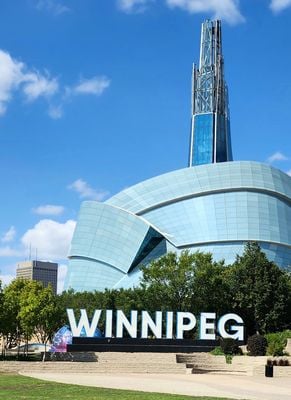
The Canadian Museum for Human Rights is a national facility in Winnipeg, Manitoba, dedicated exclusively to exploring issues of human dignity and justice. Ten permanent galleries offer interactive stations, artifacts, and films covering topics from discrimination to freedom of expression.
Izzy Asper first had the idea for the museum on 18 July 2000, and publicly announced the plan at The Forks on 17 April 2003, the anniversary of the Canadian Charter of Rights and Freedoms. He died that October at 71, and his daughter Gail Asper carried the project forward. Bill C-42 created the museum as a national museum in 2008, and it opened in September 2014.
Indigenous voices shape much of the display, highlighting treaties, land claims, and the fight for language survival. Visitors encounter wampum belts, residential school testimonies, and contemporary art that reflects ongoing struggles for recognition.
The facility sits at The Forks, where the Assiniboine and Red Rivers meet, and is easily reached on foot from downtown. Galleries span multiple floors, so plan at least two hours to walk through the displays.
Translucent alabaster ramps link the floors, allowing daylight to filter into the exhibition spaces. From the Israel Asper Tower, visitors see across Winnipeg and watch the two rivers merge nearby.
The community of curious travelers
AroundUs brings together thousands of curated places, local tips, and hidden gems, enriched daily by 93,830 contributors worldwide.