Canada, Federation in North America.
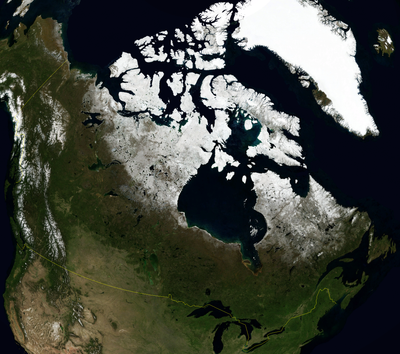
This federation in North America stretches from the Atlantic to the Pacific and the Arctic Ocean, organized into provinces and territories under a constitutional monarchy. It combines Westminster parliamentary traditions with a written charter protecting individual rights, overseen by courts at both federal and provincial levels.
The British North America Act of 1867 joined four colonial territories into a single federation, with additional provinces entering over the following decades. The most recent administrative division formed in 1999 when the Northwest Territories split to create a separate Arctic region with greater indigenous self-governance.
The name stems from the Huron-Iroquois word kanata meaning village or settlement, adopted by French explorers and later applied to the entire federation. Public signage often appears in both official languages, and visitors hear different linguistic patterns depending on which province they cross into during their journey.
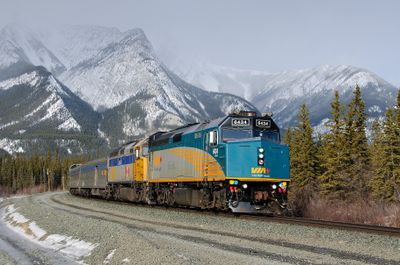
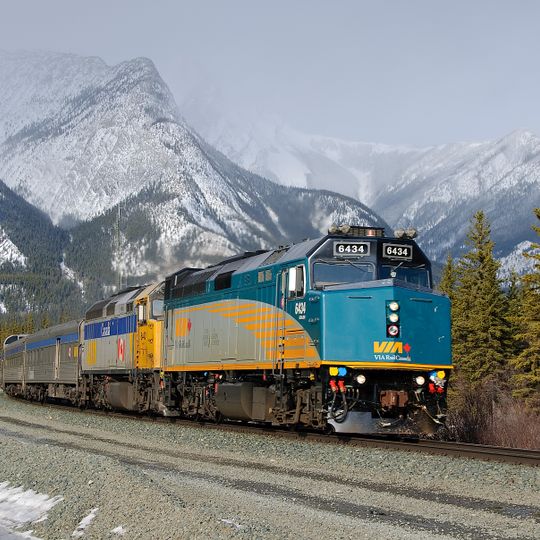
Most visitors need valid passports and may require an electronic travel authorization or visa depending on their nationality for entry and stays. Large distances between major cities often make domestic flights necessary, though rail and bus connections offer slower alternatives for those who prefer traveling overland.
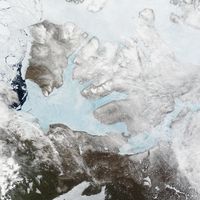
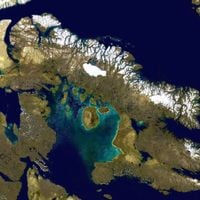
The northern archipelago holds over 36,000 islands, with Baffin Island alone covering 507,451 square kilometers in the Arctic waters. The Northwest Passage winds through this maze connecting Atlantic and Pacific, a sea route once blocked by ice year-round but now opening more frequently due to shifting climate conditions.
The community of curious travelers
AroundUs brings together thousands of curated places, local tips, and hidden gems, enriched daily by 91,050 contributors worldwide.