See the monuments around you in AROpen chests in the app
Around Us is built for your phone — point your camera at the streets and discover the monuments and places around you in augmented reality.Around Us is built for your phone — chests unlock when you walk, explore and capture nearby places.
Amsterdam connects art, history, and culture in a special way. The city has important museums like the Rijksmuseum and the Van Gogh Museum, where you can see works by famous artists. Old buildings like the Anne Frank House tell stories from the past. A network of canals from the 17th century shapes the city and shows its history around every corner.
Public places like Dam Square and Vondelpark are gathering spots in the center of the city. The Jordaan neighborhood with its narrow streets and cozy corners invites exploration. Museums like the Rembrandt House Museum and the Stedelijk Museum show the city’s artistic importance. The Bloemenmarkt and the Albert Cuyp Market give a look into everyday life in Amsterdam.
From Amsterdam Central Station, visitors can explore the city easily. The network of canals, parks, and cultural sites makes Amsterdam a place where history and today meet. Whether in churches like the Oude Kerk or enjoying concerts at the Concertgebouw, the city offers many ways to see its rich past and lively culture.
Amsterdam connects art, history, and culture in a special way. The city has important museums like the Rijksmuseum and the Van Gogh Museum, where you can see works by famous artists. Old buildings like the Anne Frank House tell stories from the past. A network of canals from the 17th century shapes the city and shows its history around every corner.
Public places like Dam Square and Vondelpark are gathering spots in the center of the city. The Jordaan neighborhood with its narrow streets and cozy corners invites exploration. Museums like the Rembrandt House Museum and the Stedelijk Museum show the city’s artistic importance. The Bloemenmarkt and the Albert Cuyp Market give a look into everyday life in Amsterdam.
From Amsterdam Central Station, visitors can explore the city easily. The network of canals, parks, and cultural sites makes Amsterdam a place where history and today meet. Whether in churches like the Oude Kerk or enjoying concerts at the Concertgebouw, the city offers many ways to see its rich past and lively culture.
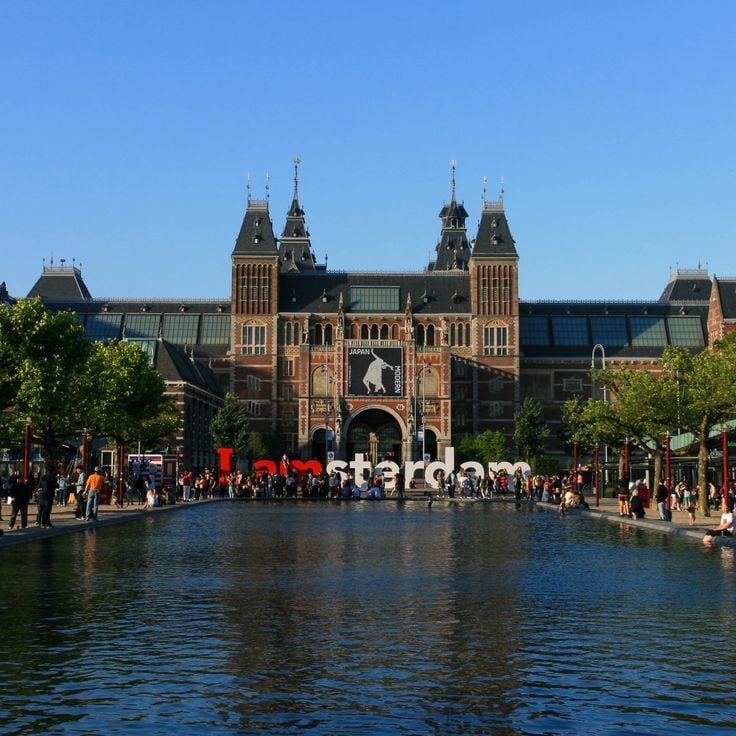
The Rijksmuseum is the national museum of the Netherlands and displays over 8,000 art objects, including paintings from the Dutch Golden Age. It serves as a central place for understanding the country's art history and culture, fitting naturally into Amsterdam's array of museums, historical buildings, and public spaces.
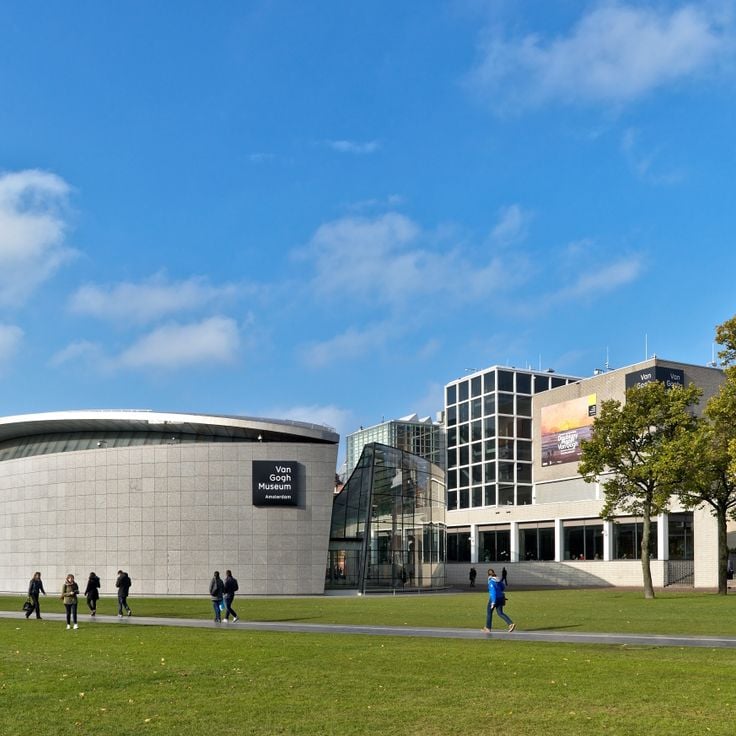
The Van Gogh Museum in Amsterdam holds the largest collection of Vincent van Gogh's works in the world. Walking through its rooms, you can follow the arc of his life and career, from his early dark paintings made in the Netherlands to the bright, swirling canvases he created in southern France. Letters and drawings are also on display, giving a sense of the person behind the paintings.
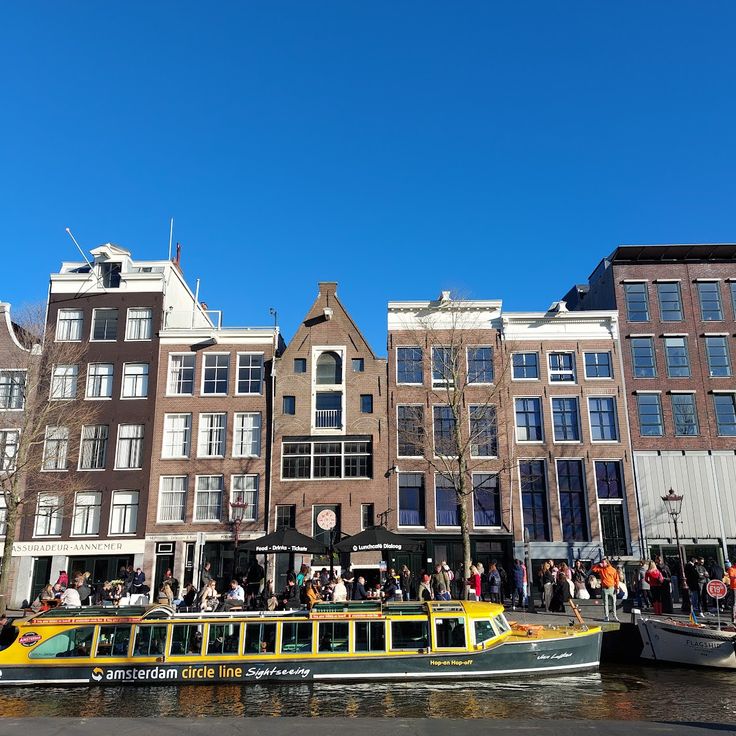
The Anne Frank House connects to Amsterdam's art, history, and culture. The building at Prinsengracht 263 served as a hiding place for eight people from 1942 to 1944 during the war. Visitors can see the rooms where a family and their friends sheltered from the outside world. The house tells a personal story from World War II and shows how people lived during this time.
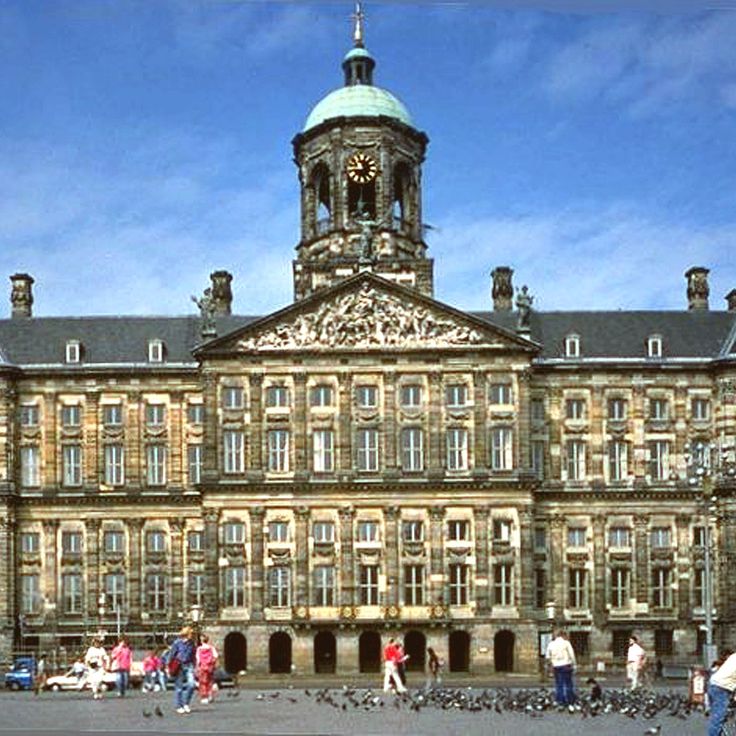
The Royal Palace of Amsterdam stands on Dam Square, the heart of the city. Built in the 17th century as one of Europe's largest administrative buildings, it later became a royal residence under King Louis Napoleon. This monumental structure reflects the grandeur of Dutch history and remains one of Amsterdam's most significant historical landmarks. It exemplifies the city's role as a major center of art, history, and culture, standing among notable sites like the Rijksmuseum and Anne Frank House.
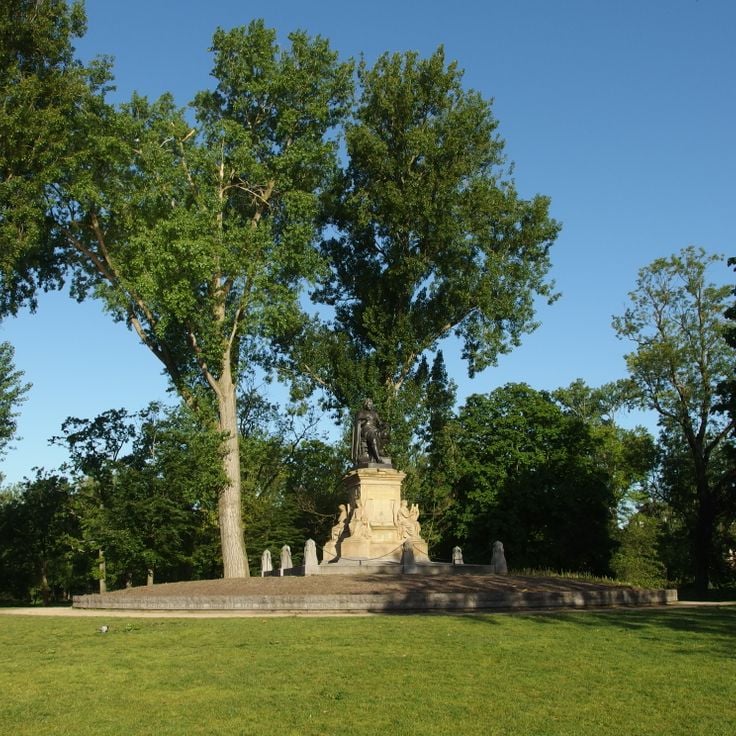
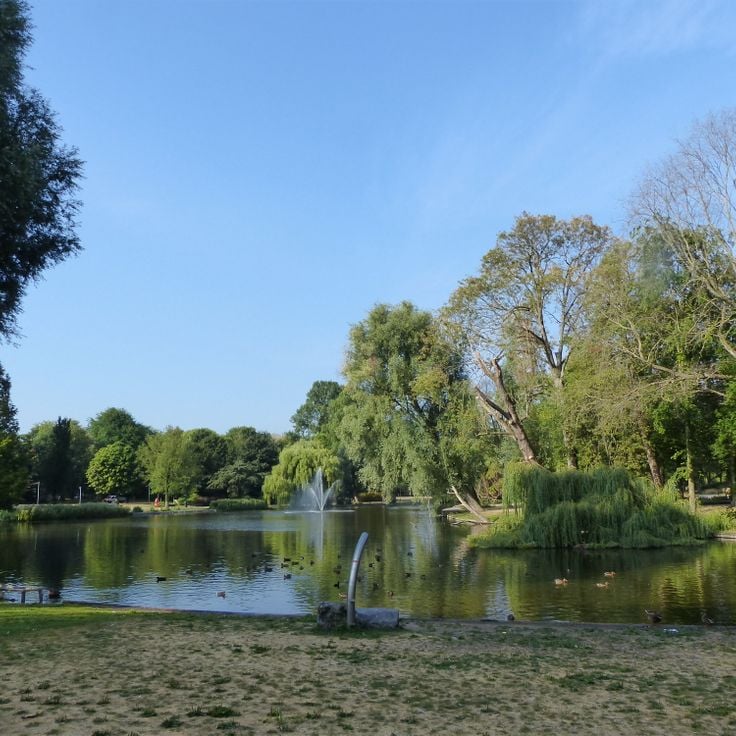
Vondelpark is a green space in the heart of Amsterdam that complements the city's museums and historic buildings. The park offers lakes, gardens, and paths for walking and cycling. Visitors can enjoy outdoor performances, restaurants, and places to rest. Trees and open spaces create a setting where people spend time outdoors, making the park a gathering point alongside Dam Square in this culturally rich city.
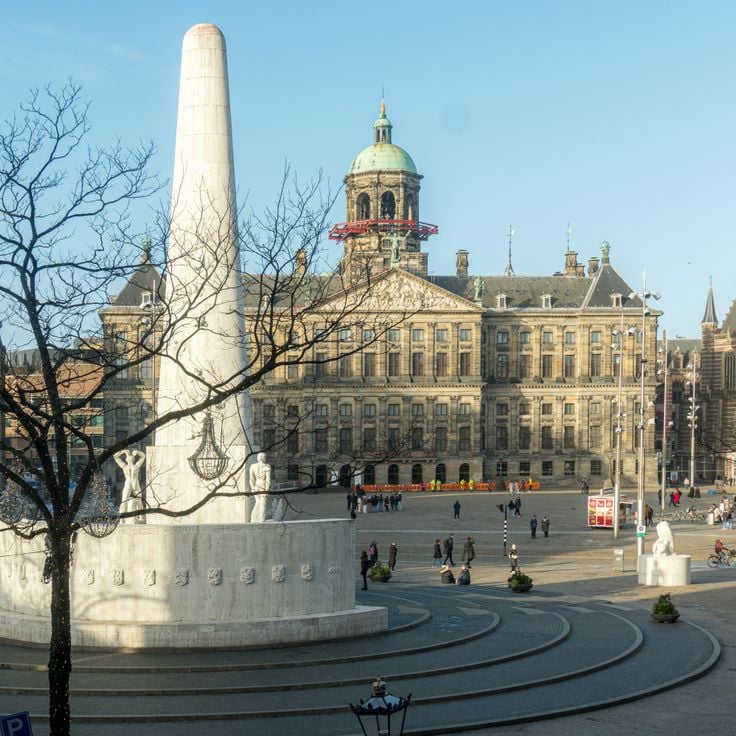
Dam Square is the central gathering place of Amsterdam and connects the city's artistic and historical identity. The square is shaped by the Royal Palace and the Nieuwe Kerk from the 15th century, two buildings that reflect the city's history. Here national commemorations and markets take place, which shape the public life of the city.
The Jordaan is a 17th-century neighborhood in Amsterdam that reflects the city's blend of art, history, and local culture. Narrow streets wind through the district alongside canals, lined with cozy cafes, independent boutiques, and art galleries. It shows how residents have shaped their everyday spaces and continues to be a gathering point for both locals and visitors.
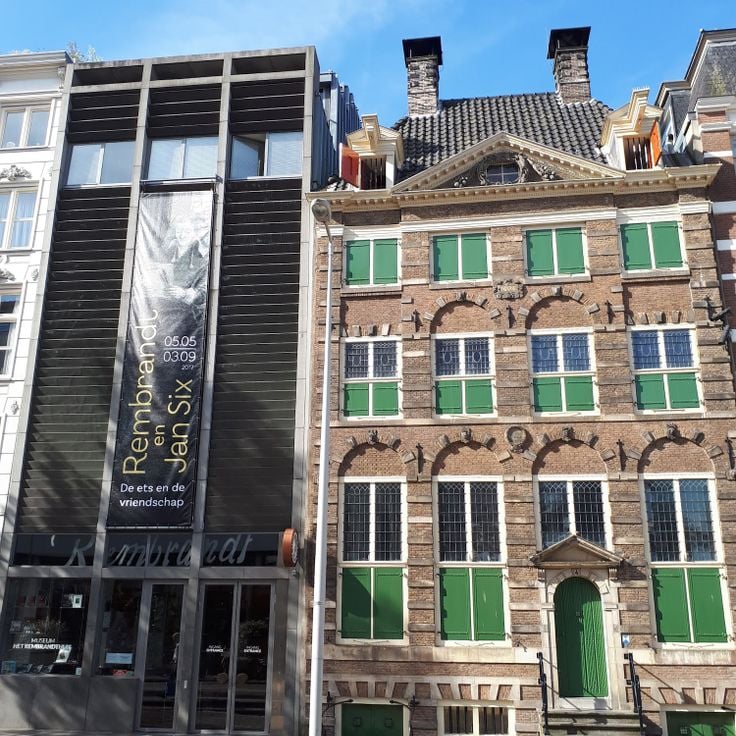
The Rembrandt House Museum is a historical building in Amsterdam that reflects the city's art history. The house displays original rooms and a collection of etchings. In the studio, visitors can see the painting techniques and tools that Rembrandt used in his work.
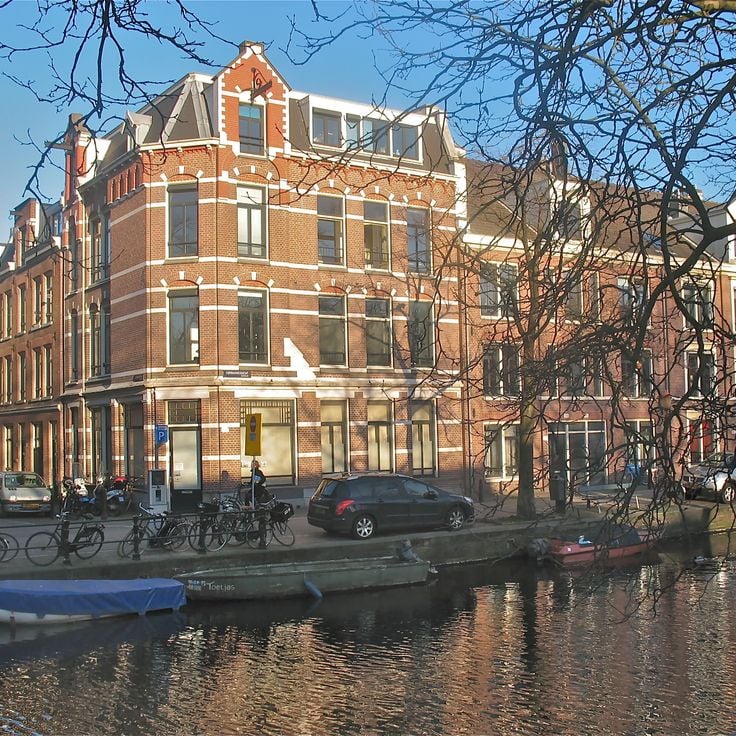
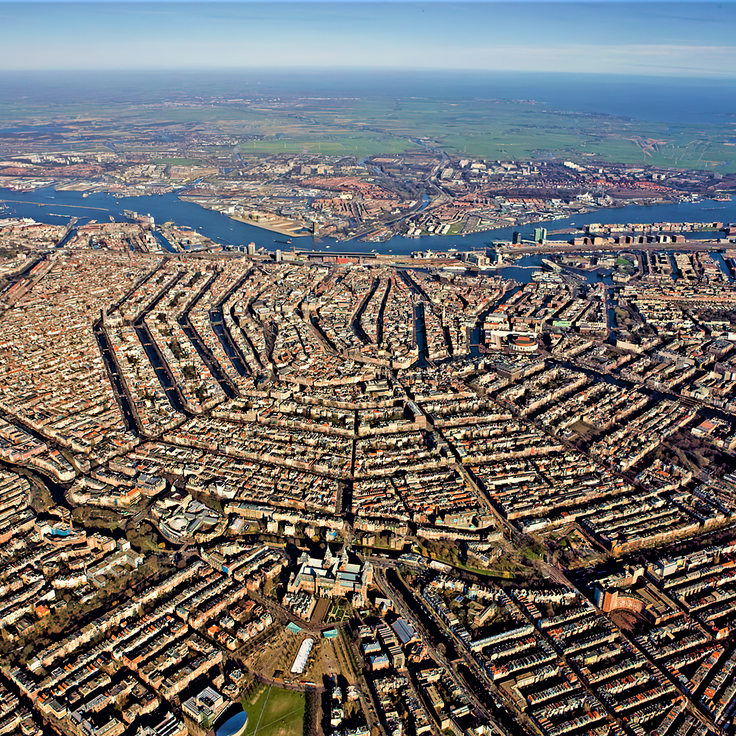
The Canal Belt in Amsterdam is a network of 17th-century waterways that forms the heart of this city of art, history, and culture. These canals, crossed by countless bridges, are as fundamental to Amsterdam's character as its renowned museums and historical buildings. Walking along these waterways, visitors experience the rhythm of daily life in the city, passing alongside buildings that sit directly on the water and discovering how locals and travelers navigate this unique urban landscape.
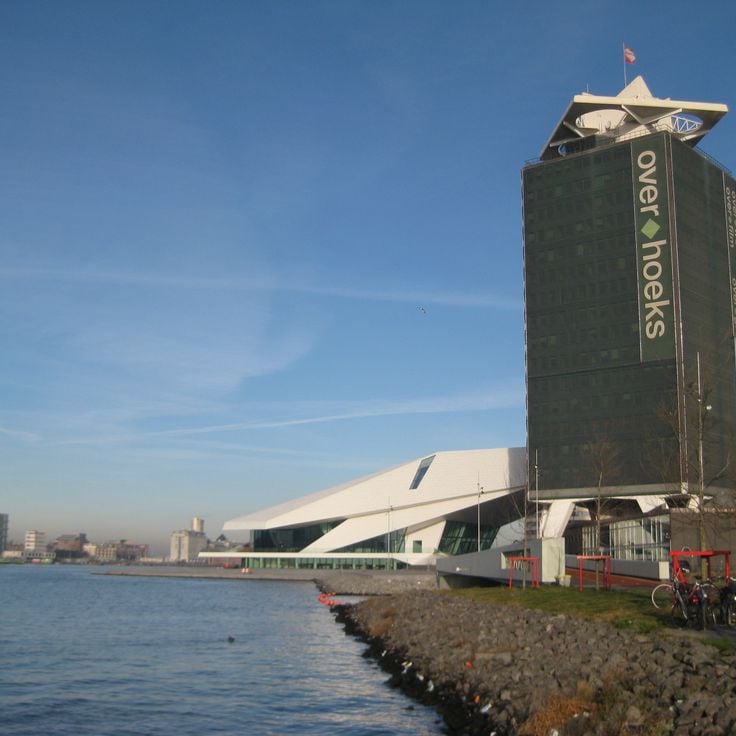
The A'DAM Lookout is an observation platform in this city of art and history. At 100 meters high, it offers sweeping views of Amsterdam and its famous 17th-century canals. The building houses a restaurant on the 20th floor where visitors can dine while looking out over the city.
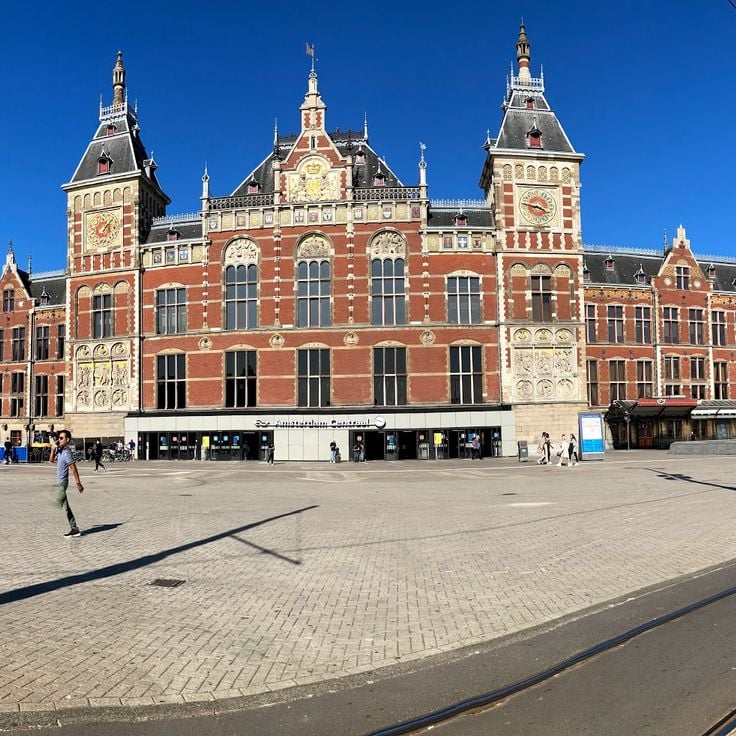
Amsterdam Central Station is a major transport hub in the city and part of its rich historical landscape. Built in 1889, the station features neo-gothic architecture and 15 platforms for passenger service. The station connects Amsterdam with other cities and serves as a central place where people arrive and depart daily.
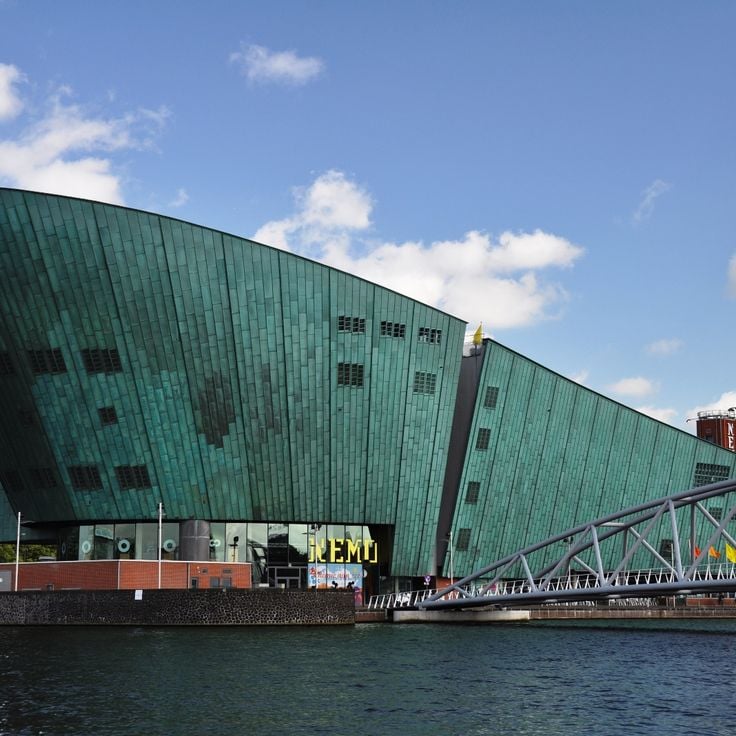
NEMO Science Museum is a museum in Amsterdam that fits into the city's history and culture. The building with its green copper cladding holds five floors of science exhibitions and experiments for visitors of all ages. It complements other places like the Rijksmuseum and Van Gogh Museum and contributes to the city's diverse museum landscape.
The Amstelkring Museum is a Catholic church built in the 17th century inside the attic of a merchant's house in Amsterdam. The space served as a hidden place where people could practice their faith during a time of religious restriction. It stands as a testament to Amsterdam's layered history, where art, culture, and faith intersect. The museum preserves the memory of a community that worshipped in secret to keep their beliefs alive.
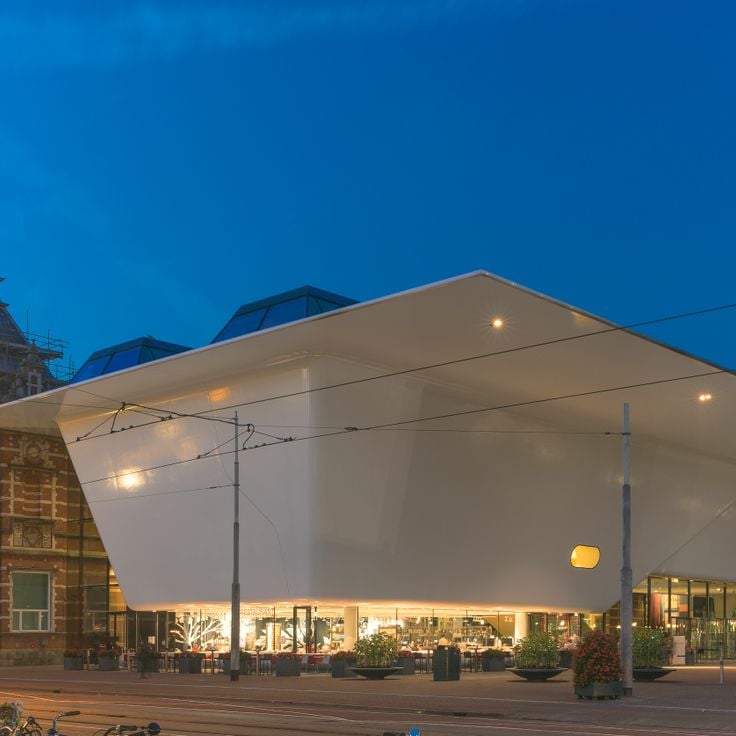
The Stedelijk Museum presents modern and contemporary art in Amsterdam. Its collection features works by Van Gogh and Chagall, along with important pieces from the Bauhaus movement. This museum is part of Amsterdam's broader cultural landscape, where art and design are woven through the city from the 17th-century canals to public spaces like Dam Square. Walking through its galleries, you encounter how artists have shaped the way the city looks and feels, connecting to the creative energy visible throughout Amsterdam's neighborhoods, museums, and streets.
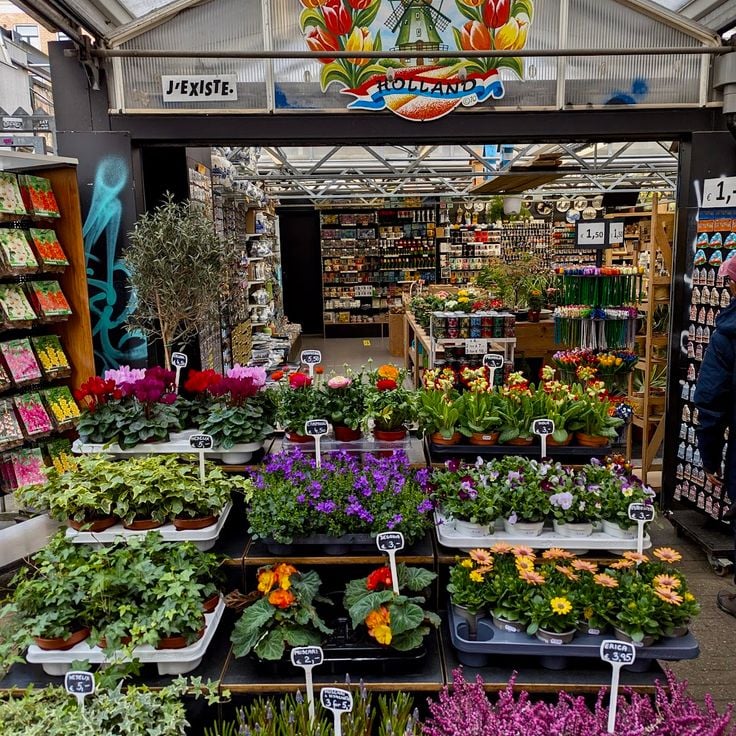
Bloemenmarkt is a flower market set on barges along the Singel canal, part of Amsterdam's collection of historical landmarks. Established in 1862, this market allows vendors to sell flowers, bulbs, and souvenirs from their boats. The market reflects the city's long connection between commerce and its 17th-century canal system, a defining feature of Amsterdam's character.
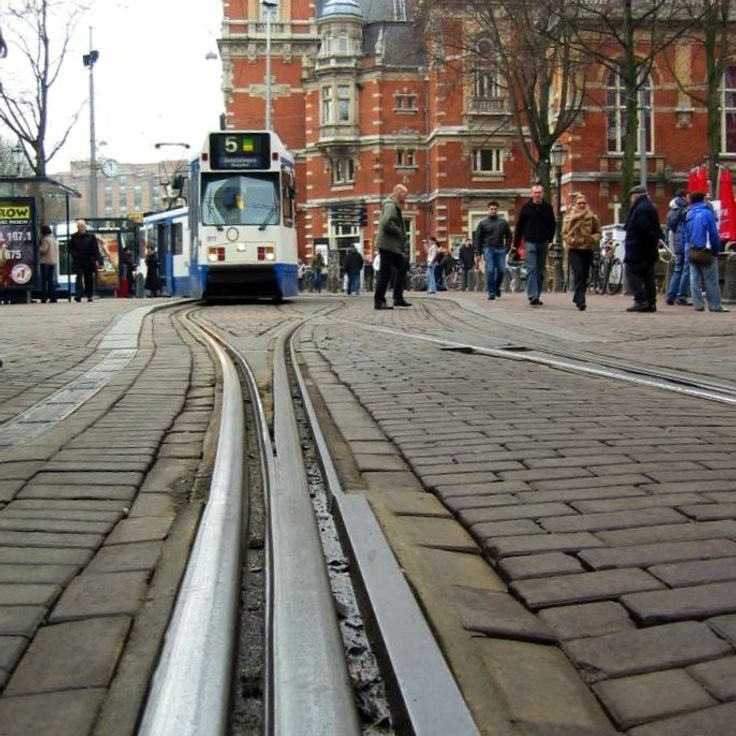
Leidseplein is a central square in Amsterdam's entertainment district, featuring restaurants, theaters, cafes and bars that bring the space to life day and night. This square reflects the city's mix of art, history and culture, serving as a gathering point where locals and travelers meet. The energy here shifts from daytime visitors enjoying outdoor seating to evening crowds drawn by live music and performances that spill onto the streets.
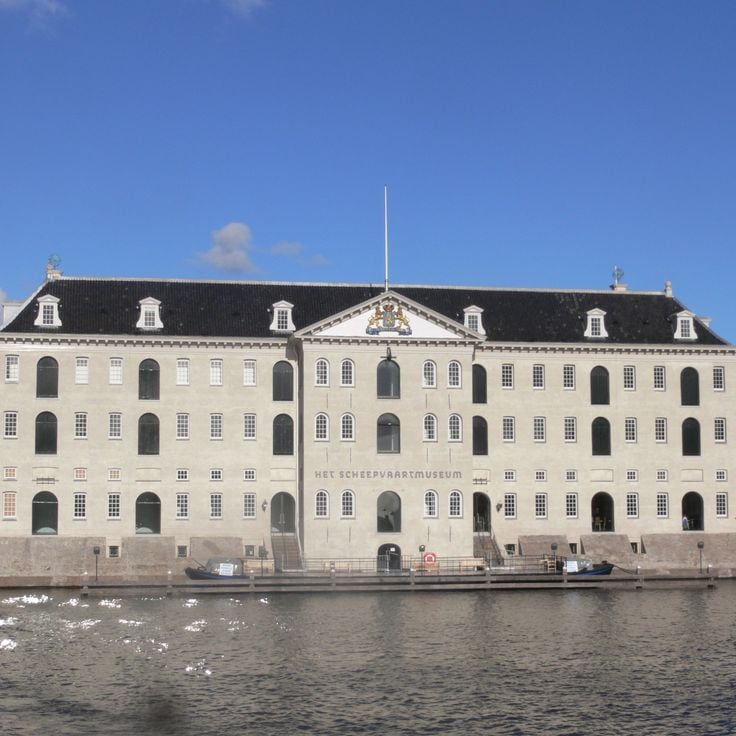
The National Maritime Museum is part of Amsterdam's rich history and shows the city's importance to seafaring. The museum in a 1656 building displays navigation instruments, ship models, and naval maps from Dutch maritime history. Visitors can understand how the Netherlands became a world power through its maritime traditions.
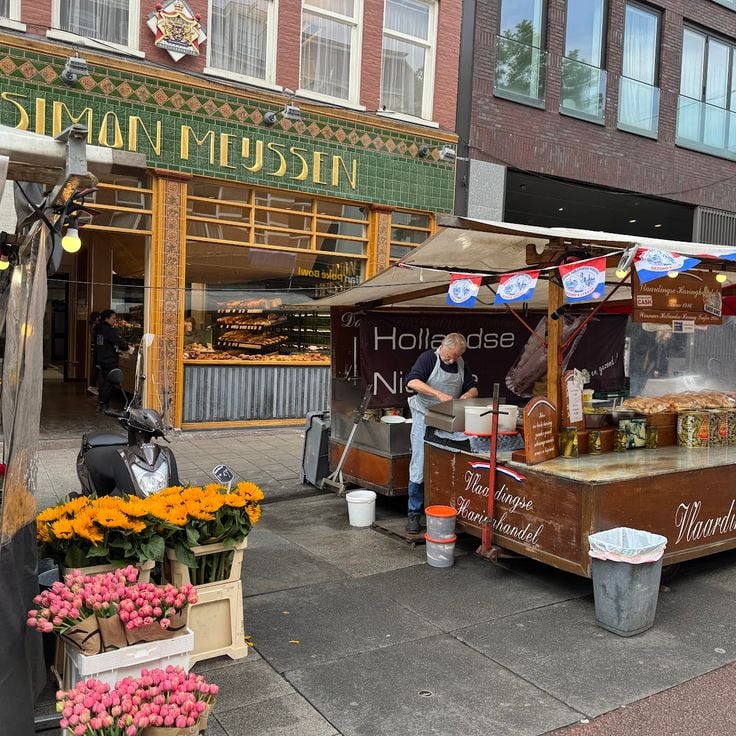
The Albert Cuyp Market is a daily street market in this city known for its art, history, and culture. With around 260 stalls, it offers fresh produce, textiles, and household goods to locals and visitors. Open Monday through Saturday, the market reflects the everyday rhythm of city life and serves as a place where people gather to shop and meet, much like public spaces throughout Amsterdam's neighborhoods.
Oosterpark is one of the large parks in Amsterdam and contributes to the green spaces of this city known for its art, history, and culture. The park opened in 1891 and features a lake, monuments, and sits near the National Slavery Museum. It is a place where visitors can walk, sit, and explore while surrounded by the natural and historical elements that define Amsterdam.
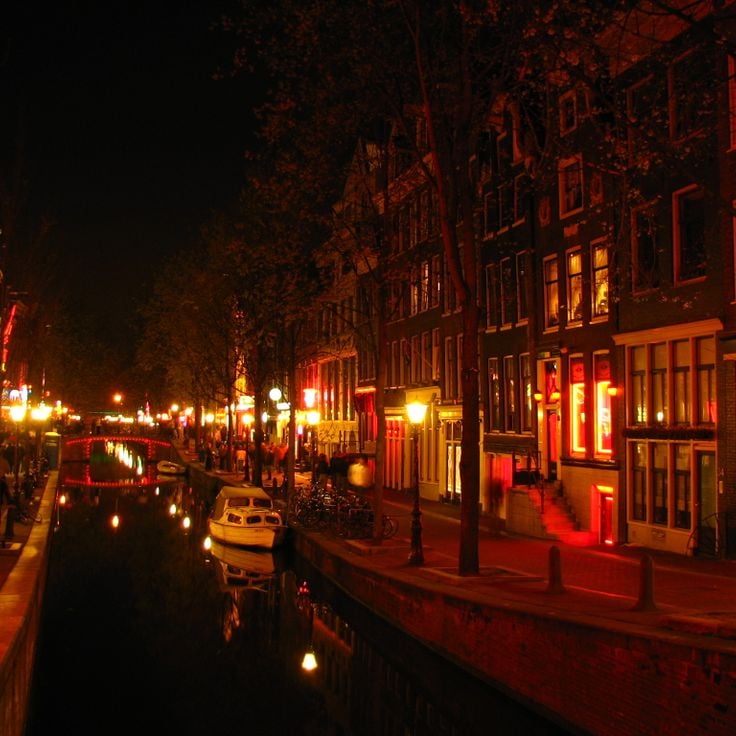
The Red Light District is a historic district in Amsterdam's medieval center that contributes to understanding the city's art, history, and culture. With its canals, narrow streets, and 17th-century brick buildings, this neighborhood shows how people lived and worked in a historic Dutch city. It offers visitors another layer of Amsterdam beyond its museums and squares.
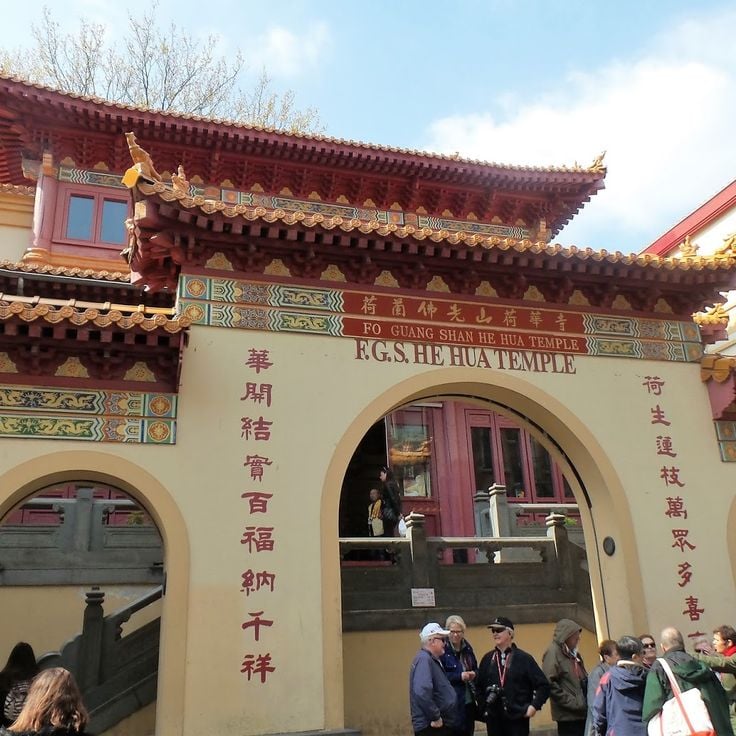
The Fo Guang Shan Temple fits into Amsterdam's blend of art, history, and culture. This Buddhist temple sits in the historic center, where visitors can explore traditional architecture and observe religious ceremonies. It complements the city's notable museums like the Rijksmuseum and Van Gogh Museum, historical buildings, and the network of 17th-century canals that shape the cityscape.
The Resistance Museum is an important part of Amsterdam's historical landmarks. It displays documents and objects from the Dutch resistance against German occupation between 1940 and 1945. The exhibition tells the stories of people who fought back and protected others during this difficult period in the city's history.
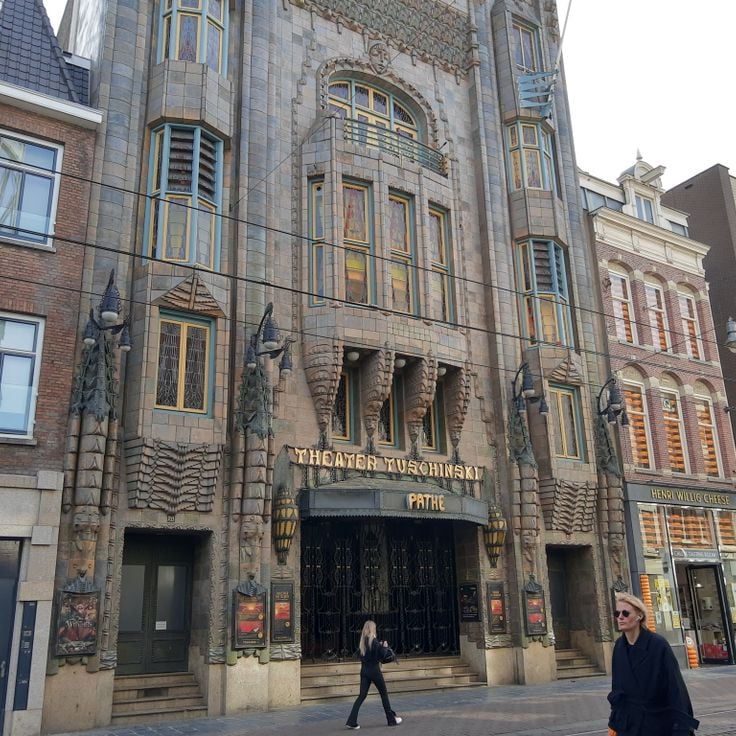
The Tuschinski Theater is a cinema built in 1921 that embodies art history in Amsterdam. The building combines Art Nouveau and Art Deco elements, fitting naturally into the city's artistic and cultural landscape. The facade and interior feature geometric patterns characteristic of these styles. As a historical landmark, the theater contributes to the rich collection of art museums and historic buildings that shape Amsterdam.
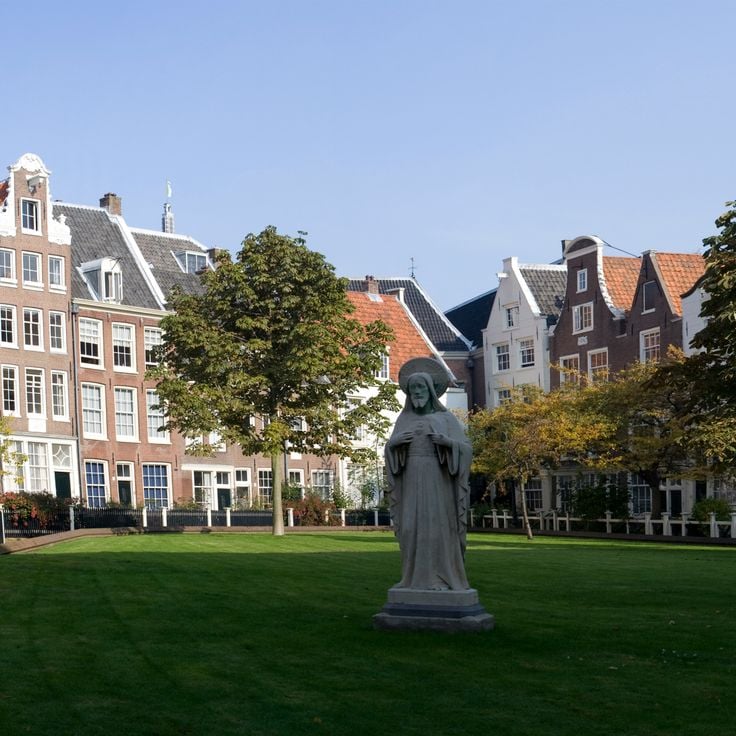
The Begijnhof is a 14th-century architectural complex in Amsterdam that fits into the city's rich history and cultural landscape. This collection of white houses arranged around a central garden houses an active Catholic church. The courtyard offers a quiet retreat in the heart of the city, surrounded by the famous 17th-century canals and cultural institutions that define Amsterdam.
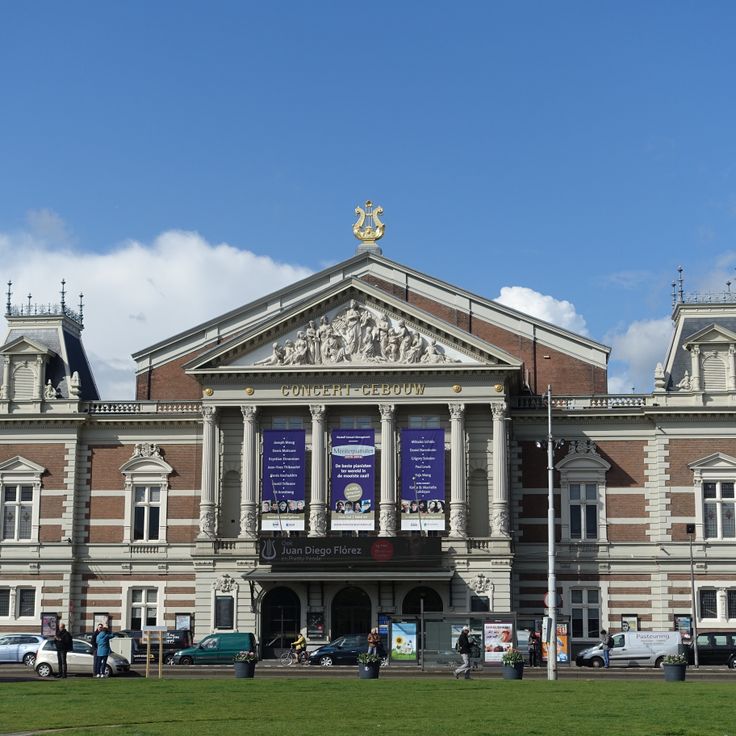
The Concertgebouw is a concert hall in Amsterdam that plays a central role in the city's art and cultural life. Built in 1888, it is known worldwide for its exceptional acoustics. International orchestras and musicians perform here regularly. The hall stands as a symbol of how Amsterdam preserves and celebrates classical music within its historic spaces.
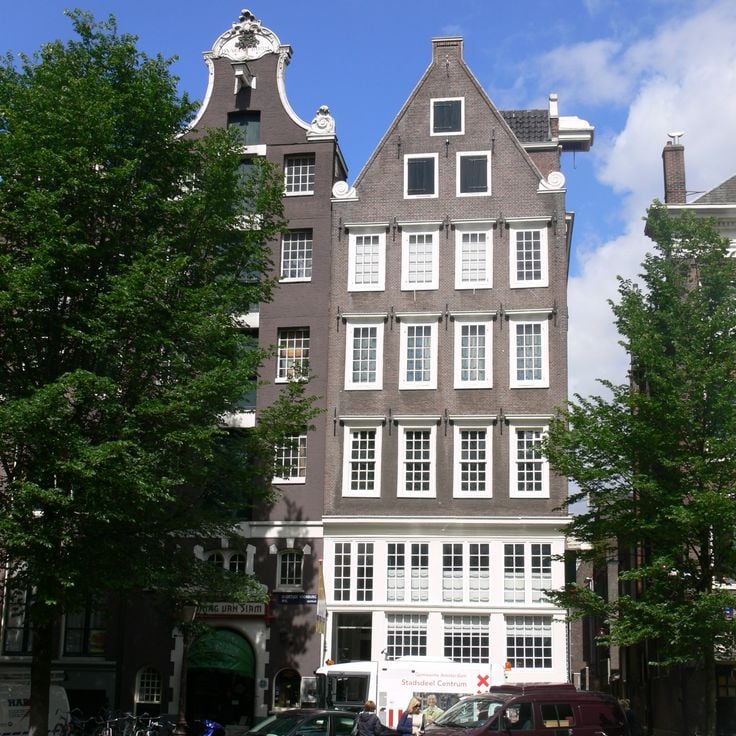
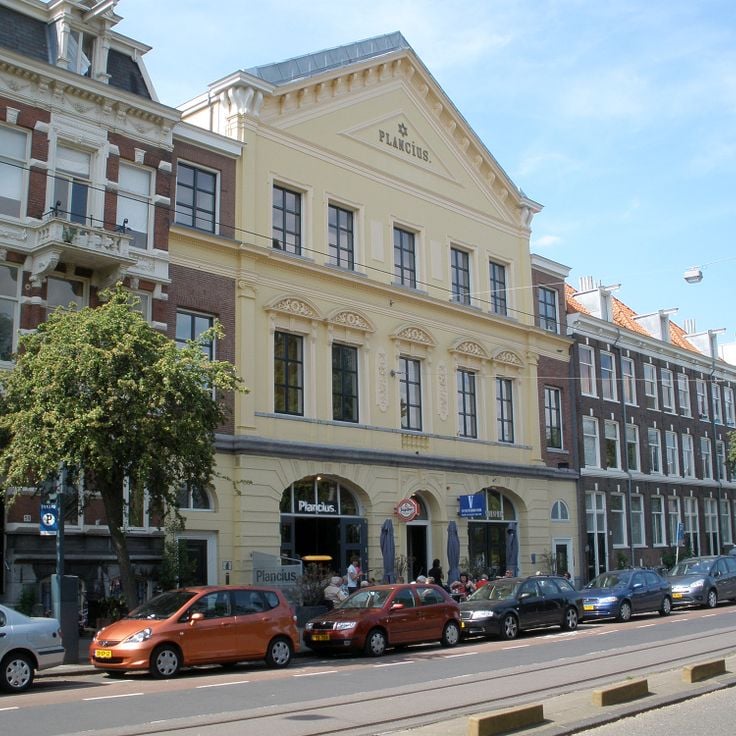
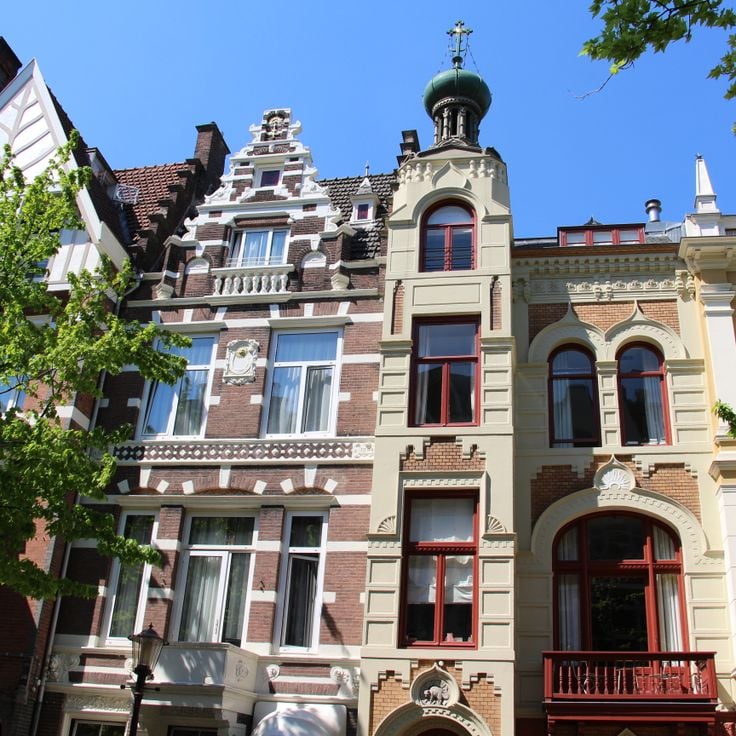
These seven houses on Roemer Visscherstraat showcase 19th-century architecture that draws from different European countries. They represent how Amsterdam blended artistic traditions and historical influences within the city. The houses demonstrate the creative ways builders adapted international styles to create something distinctly local.
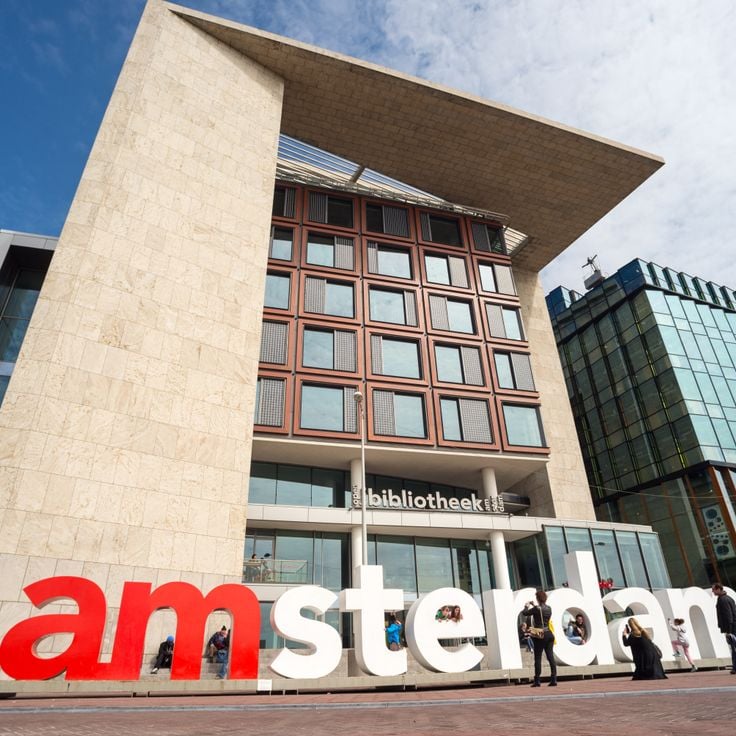
The Central Library is a modern building that fits into Amsterdam's cultural landscape, where art, history, and culture converge. The building spans ten floors and houses a youth section, exhibitions, and a café with views, offering visitors a place to spend time.
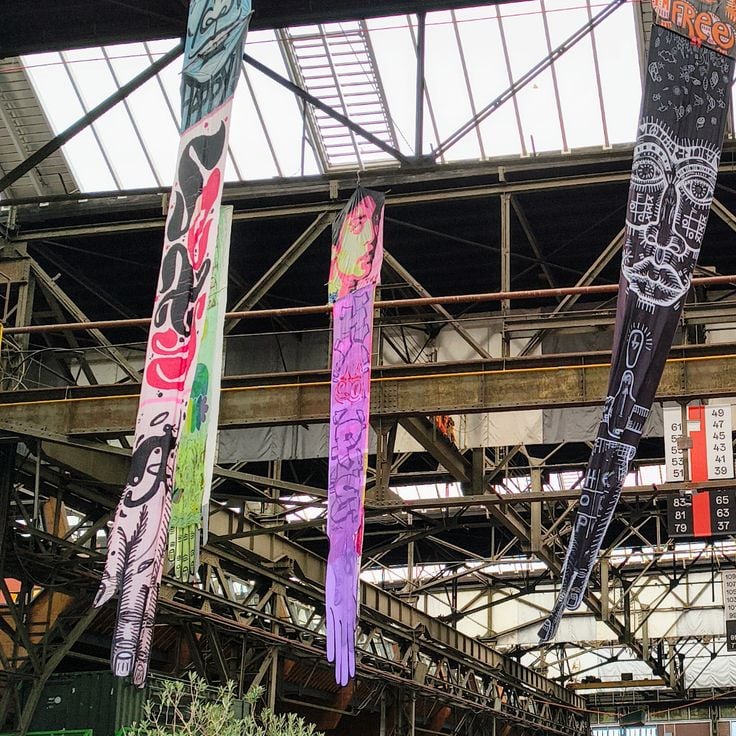
The NDSM District is a former shipyard that has transformed into a cultural area with artist workshops and street art. Within Amsterdam's art and cultural landscape, which extends beyond major museums like the Rijksmuseum and Van Gogh Museum to include living creative spaces, this district represents where artists work and experiment outside traditional institutions. The area reflects how the city continues to evolve as a center for contemporary artistic expression.
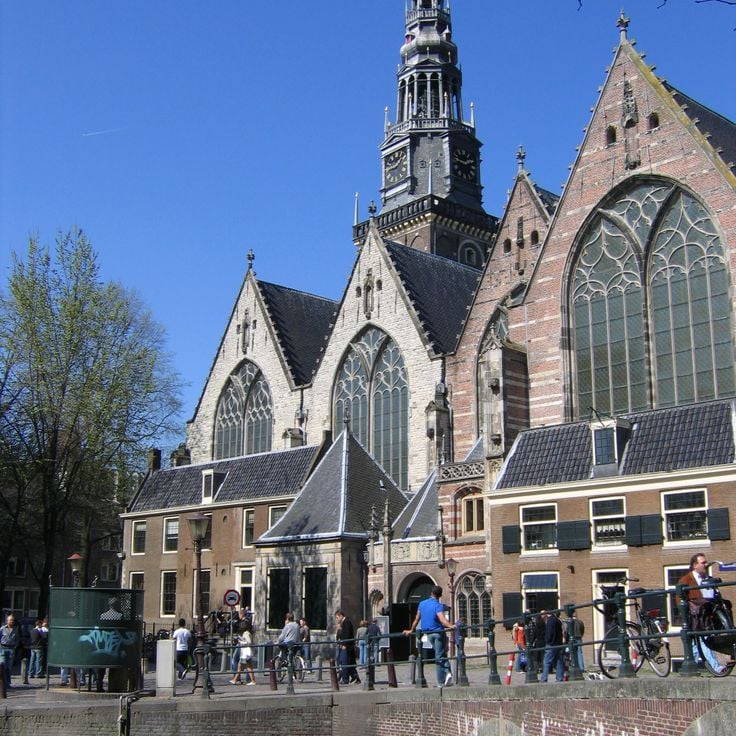
The Oude Kerk stands at the heart of Amsterdam and is among the city's oldest buildings. Built in 1306, it reflects the history of Amsterdam through its architecture and interior. The floor is made of wooden planks, and the walls and floor feature about 2500 engraved gravestones. As a historical landmark, this church contributes to Amsterdam's rich art and cultural heritage, alongside its museums and other historic structures like the Anne Frank House.
The Nieuwe Kerk is a 15th-century church located on Dam Square and forms an important part of Amsterdam's historical landscape. It has been used for royal ceremonies since 1814 and reflects the long history of the city. As a historical building, it fits into Amsterdam's mix of art, history, and culture.
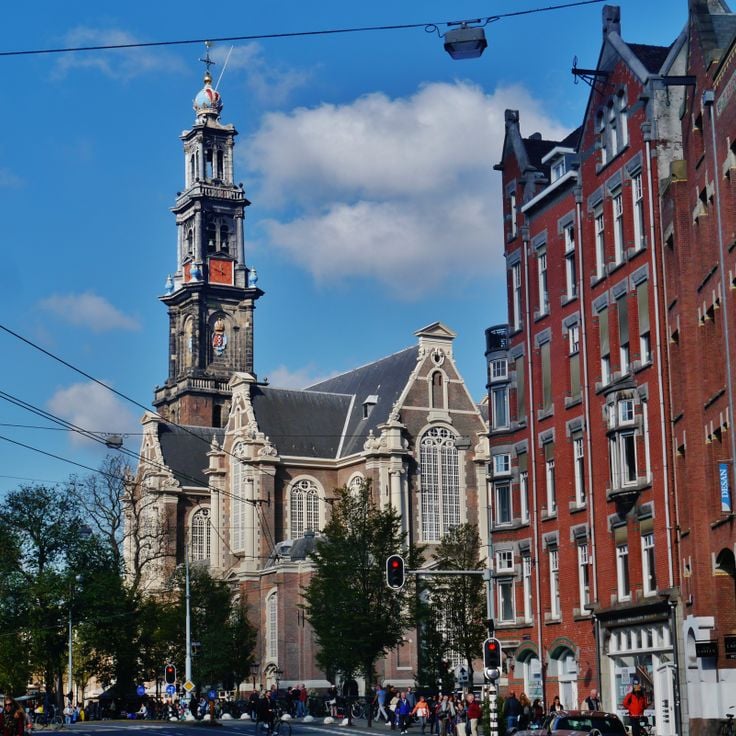
The Westerkerk is a Dutch Renaissance-style church built between 1620 and 1631, with its 85-meter tower standing as the tallest church tower in Amsterdam. It represents one of the historical landmarks that defines Amsterdam's character, a city where art, history, and culture intertwine. The church sits alongside other significant sites including the Rijksmuseum, the Van Gogh Museum, and the Anne Frank House, forming part of the city's rich historical identity.
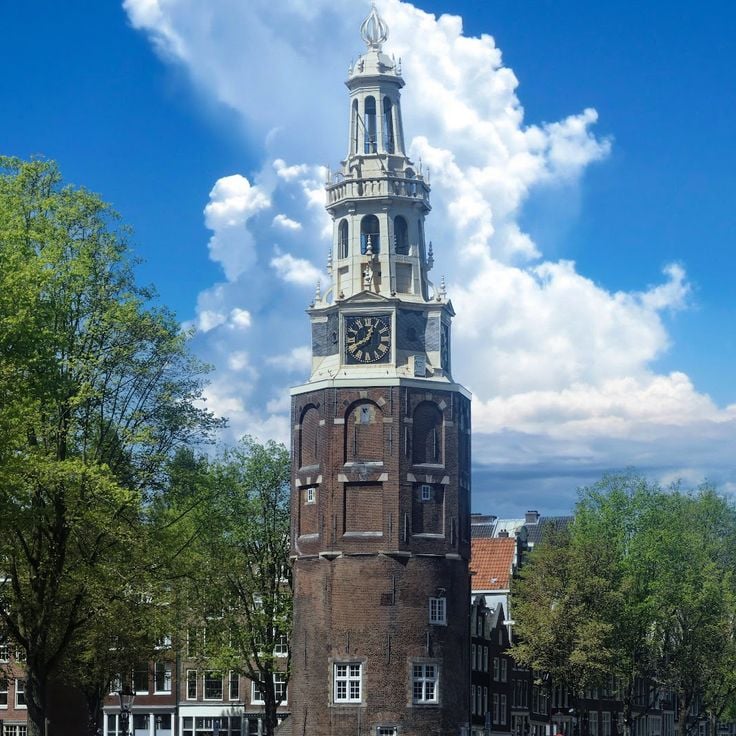
The Montelbaanstoren is a defense tower built in 1516 on the Oudeschans canal in Amsterdam. It served as a guard post to monitor the port and protect the city's growing maritime activities. This historical structure stands as a reminder of Amsterdam's strategic importance during the Dutch Golden Age.
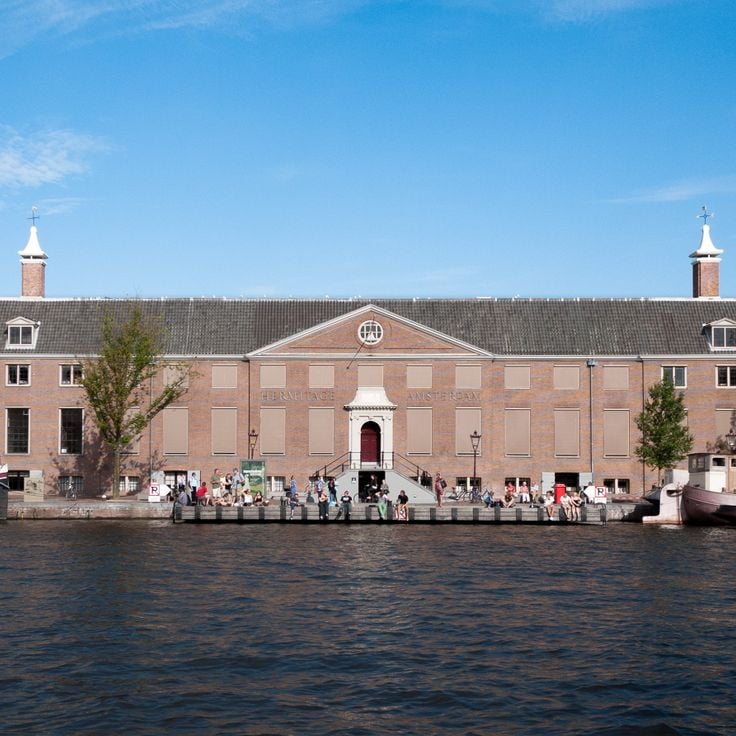
The Hermitage Museum holds an important place in Amsterdam's art scene. Located in a 17th-century building, this museum displays international art exhibitions that draw visitors from around the world. As part of the city's cultural offerings alongside institutions like the Rijksmuseum and Van Gogh Museum, it contributes to Amsterdam's identity as a center for art and history. The building itself reflects the city's heritage as a prosperous trading center, while its collections bring global perspectives to the local art landscape.
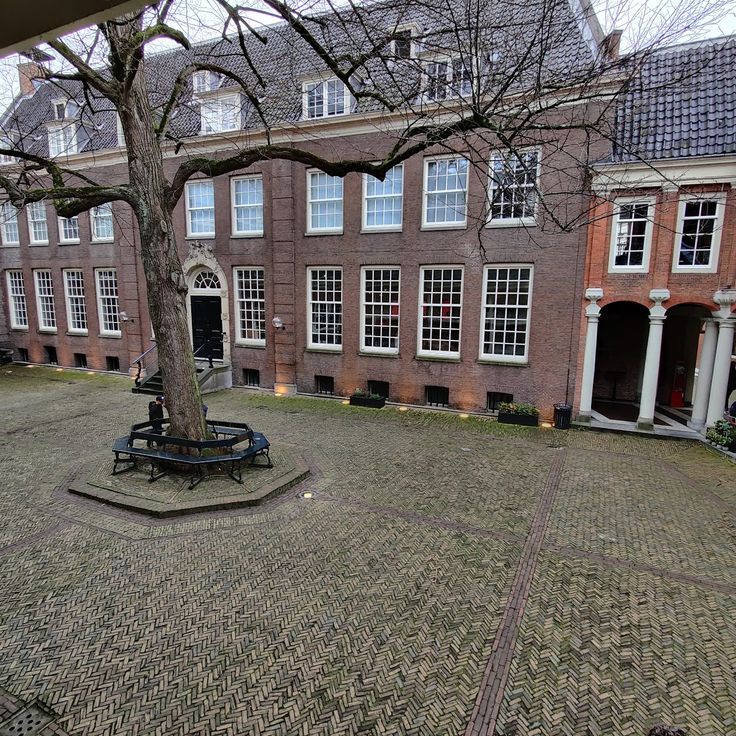
The Amsterdam Historical Museum presents the city's history through objects, documents, and models. As part of Amsterdam's cultural heritage, which includes renowned art museums, historic buildings like the Anne Frank House, and 17th-century canals, this museum helps visitors understand how the city developed and changed over time.
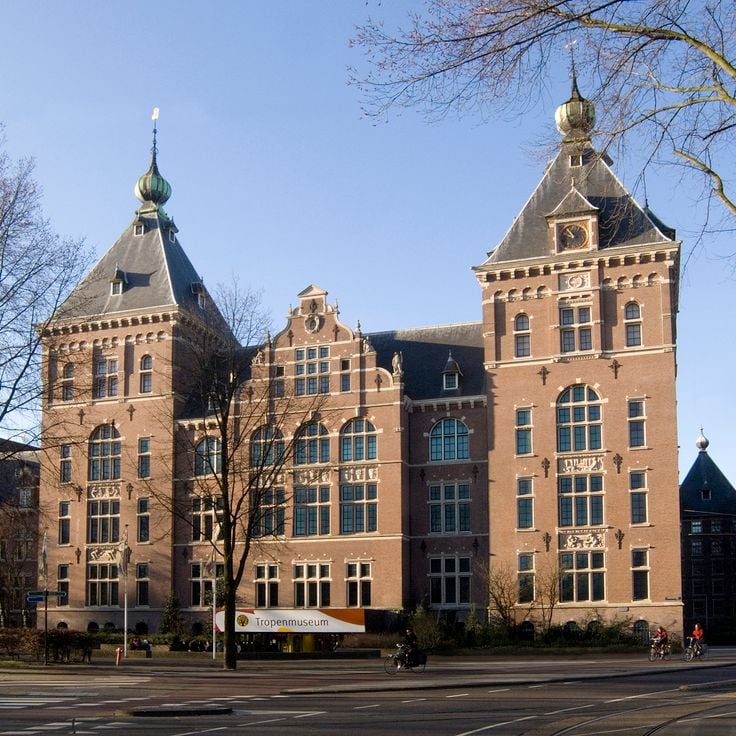
The Tropenmuseum displays objects connected to non-European cultures and Dutch colonial history. Within Amsterdam's collection of art museums and historical landmarks, it contributes to the city's role as a center for culture and history.
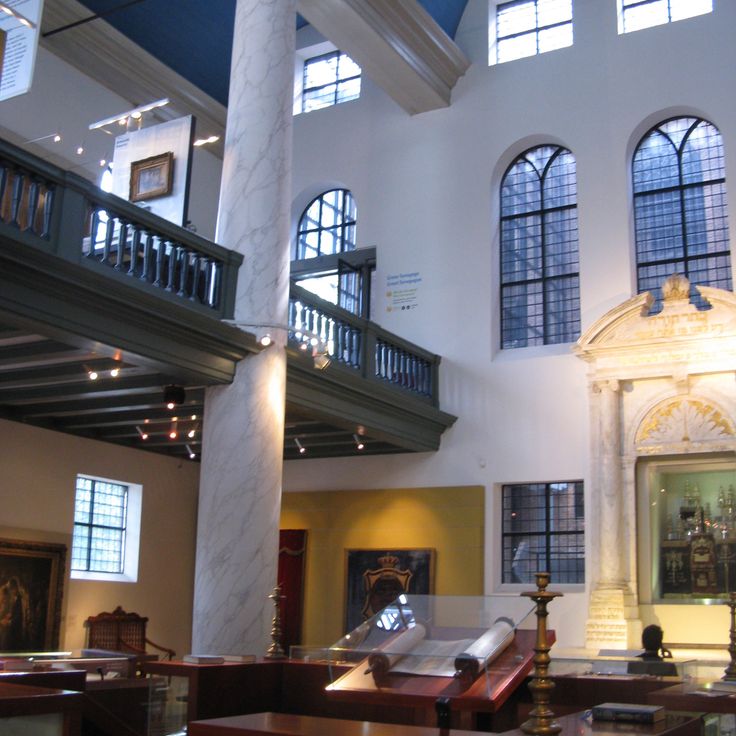
The Jewish Museum documents the history and culture of Jews in the Netherlands across four historical synagogues. It fits into Amsterdam's rich cultural landscape, where notable museums like the Rijksmuseum and Van Gogh Museum showcase the city's artistic tradition. The museum sits at a meaningful location in the city, where history and present-day life intersect.
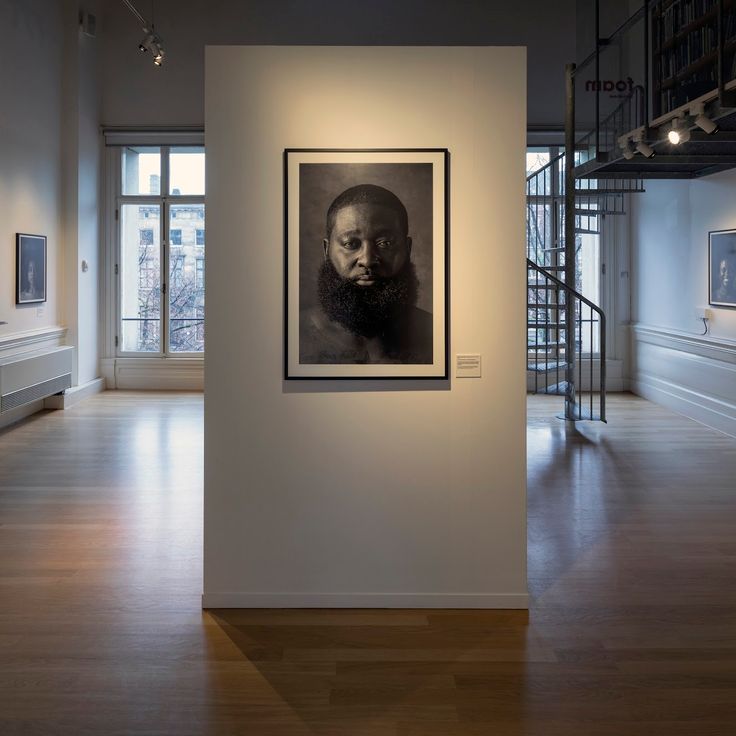
FOAM is a photography center located in Amsterdam, housed in a building beside one of the city's 17th-century canals. It presents exhibitions featuring photographers from around the world. This center fits naturally into Amsterdam's art scene, which is home to major museums and galleries. Visitors come here to see contemporary photography and explore how images tell stories about different cultures and perspectives.
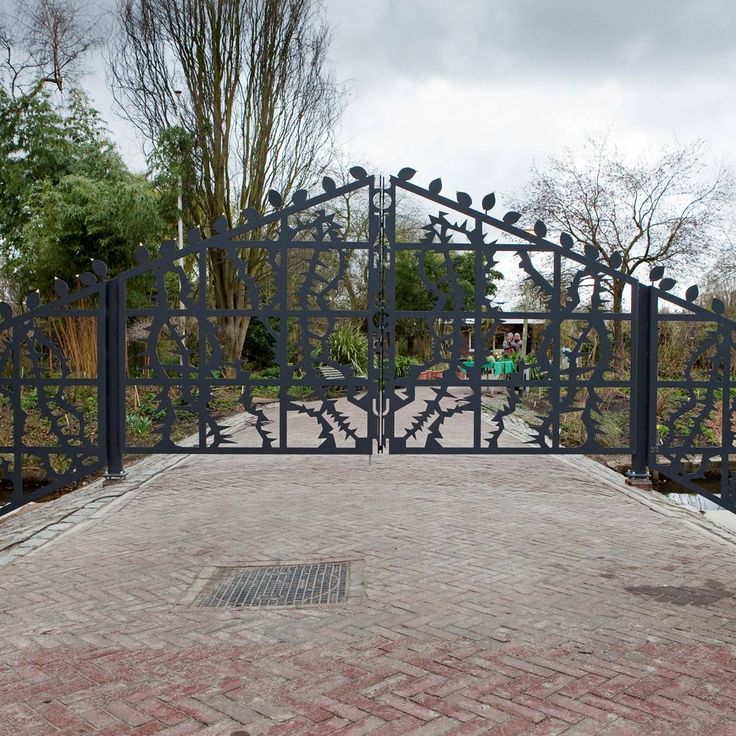
The Botanical Garden is one of the oldest botanical gardens in the world, housing rare plants and historical greenhouses. Within the context of Amsterdam's rich art, history, and culture, this garden offers a place to explore the natural world and find respite from the bustling city.
The Rijksmuseum is the national museum of the Netherlands and displays over 8,000 art objects, including paintings from the Dutch Golden Age. It serves as a central place for understanding the country's art history and culture, fitting naturally into Amsterdam's array of museums, historical buildings, and public spaces.
The Van Gogh Museum in Amsterdam holds the largest collection of Vincent van Gogh's works in the world. Walking through its rooms, you can follow the arc of his life and career, from his early dark paintings made in the Netherlands to the bright, swirling canvases he created in southern France. Letters and drawings are also on display, giving a sense of the person behind the paintings.
The Anne Frank House connects to Amsterdam's art, history, and culture. The building at Prinsengracht 263 served as a hiding place for eight people from 1942 to 1944 during the war. Visitors can see the rooms where a family and their friends sheltered from the outside world. The house tells a personal story from World War II and shows how people lived during this time.
The Royal Palace of Amsterdam stands on Dam Square, the heart of the city. Built in the 17th century as one of Europe's largest administrative buildings, it later became a royal residence under King Louis Napoleon. This monumental structure reflects the grandeur of Dutch history and remains one of Amsterdam's most significant historical landmarks. It exemplifies the city's role as a major center of art, history, and culture, standing among notable sites like the Rijksmuseum and Anne Frank House.
Vondelpark is a green space in the heart of Amsterdam that complements the city's museums and historic buildings. The park offers lakes, gardens, and paths for walking and cycling. Visitors can enjoy outdoor performances, restaurants, and places to rest. Trees and open spaces create a setting where people spend time outdoors, making the park a gathering point alongside Dam Square in this culturally rich city.
Dam Square is the central gathering place of Amsterdam and connects the city's artistic and historical identity. The square is shaped by the Royal Palace and the Nieuwe Kerk from the 15th century, two buildings that reflect the city's history. Here national commemorations and markets take place, which shape the public life of the city.
The Jordaan is a 17th-century neighborhood in Amsterdam that reflects the city's blend of art, history, and local culture. Narrow streets wind through the district alongside canals, lined with cozy cafes, independent boutiques, and art galleries. It shows how residents have shaped their everyday spaces and continues to be a gathering point for both locals and visitors.
The Rembrandt House Museum is a historical building in Amsterdam that reflects the city's art history. The house displays original rooms and a collection of etchings. In the studio, visitors can see the painting techniques and tools that Rembrandt used in his work.
The Canal Belt in Amsterdam is a network of 17th-century waterways that forms the heart of this city of art, history, and culture. These canals, crossed by countless bridges, are as fundamental to Amsterdam's character as its renowned museums and historical buildings. Walking along these waterways, visitors experience the rhythm of daily life in the city, passing alongside buildings that sit directly on the water and discovering how locals and travelers navigate this unique urban landscape.
The A'DAM Lookout is an observation platform in this city of art and history. At 100 meters high, it offers sweeping views of Amsterdam and its famous 17th-century canals. The building houses a restaurant on the 20th floor where visitors can dine while looking out over the city.
Amsterdam Central Station is a major transport hub in the city and part of its rich historical landscape. Built in 1889, the station features neo-gothic architecture and 15 platforms for passenger service. The station connects Amsterdam with other cities and serves as a central place where people arrive and depart daily.
NEMO Science Museum is a museum in Amsterdam that fits into the city's history and culture. The building with its green copper cladding holds five floors of science exhibitions and experiments for visitors of all ages. It complements other places like the Rijksmuseum and Van Gogh Museum and contributes to the city's diverse museum landscape.
The Amstelkring Museum is a Catholic church built in the 17th century inside the attic of a merchant's house in Amsterdam. The space served as a hidden place where people could practice their faith during a time of religious restriction. It stands as a testament to Amsterdam's layered history, where art, culture, and faith intersect. The museum preserves the memory of a community that worshipped in secret to keep their beliefs alive.
The Stedelijk Museum presents modern and contemporary art in Amsterdam. Its collection features works by Van Gogh and Chagall, along with important pieces from the Bauhaus movement. This museum is part of Amsterdam's broader cultural landscape, where art and design are woven through the city from the 17th-century canals to public spaces like Dam Square. Walking through its galleries, you encounter how artists have shaped the way the city looks and feels, connecting to the creative energy visible throughout Amsterdam's neighborhoods, museums, and streets.
Bloemenmarkt is a flower market set on barges along the Singel canal, part of Amsterdam's collection of historical landmarks. Established in 1862, this market allows vendors to sell flowers, bulbs, and souvenirs from their boats. The market reflects the city's long connection between commerce and its 17th-century canal system, a defining feature of Amsterdam's character.
Leidseplein is a central square in Amsterdam's entertainment district, featuring restaurants, theaters, cafes and bars that bring the space to life day and night. This square reflects the city's mix of art, history and culture, serving as a gathering point where locals and travelers meet. The energy here shifts from daytime visitors enjoying outdoor seating to evening crowds drawn by live music and performances that spill onto the streets.
The National Maritime Museum is part of Amsterdam's rich history and shows the city's importance to seafaring. The museum in a 1656 building displays navigation instruments, ship models, and naval maps from Dutch maritime history. Visitors can understand how the Netherlands became a world power through its maritime traditions.
The Albert Cuyp Market is a daily street market in this city known for its art, history, and culture. With around 260 stalls, it offers fresh produce, textiles, and household goods to locals and visitors. Open Monday through Saturday, the market reflects the everyday rhythm of city life and serves as a place where people gather to shop and meet, much like public spaces throughout Amsterdam's neighborhoods.
Oosterpark is one of the large parks in Amsterdam and contributes to the green spaces of this city known for its art, history, and culture. The park opened in 1891 and features a lake, monuments, and sits near the National Slavery Museum. It is a place where visitors can walk, sit, and explore while surrounded by the natural and historical elements that define Amsterdam.
The Red Light District is a historic district in Amsterdam's medieval center that contributes to understanding the city's art, history, and culture. With its canals, narrow streets, and 17th-century brick buildings, this neighborhood shows how people lived and worked in a historic Dutch city. It offers visitors another layer of Amsterdam beyond its museums and squares.
The Fo Guang Shan Temple fits into Amsterdam's blend of art, history, and culture. This Buddhist temple sits in the historic center, where visitors can explore traditional architecture and observe religious ceremonies. It complements the city's notable museums like the Rijksmuseum and Van Gogh Museum, historical buildings, and the network of 17th-century canals that shape the cityscape.
The Resistance Museum is an important part of Amsterdam's historical landmarks. It displays documents and objects from the Dutch resistance against German occupation between 1940 and 1945. The exhibition tells the stories of people who fought back and protected others during this difficult period in the city's history.
The Tuschinski Theater is a cinema built in 1921 that embodies art history in Amsterdam. The building combines Art Nouveau and Art Deco elements, fitting naturally into the city's artistic and cultural landscape. The facade and interior feature geometric patterns characteristic of these styles. As a historical landmark, the theater contributes to the rich collection of art museums and historic buildings that shape Amsterdam.
The Begijnhof is a 14th-century architectural complex in Amsterdam that fits into the city's rich history and cultural landscape. This collection of white houses arranged around a central garden houses an active Catholic church. The courtyard offers a quiet retreat in the heart of the city, surrounded by the famous 17th-century canals and cultural institutions that define Amsterdam.
The Concertgebouw is a concert hall in Amsterdam that plays a central role in the city's art and cultural life. Built in 1888, it is known worldwide for its exceptional acoustics. International orchestras and musicians perform here regularly. The hall stands as a symbol of how Amsterdam preserves and celebrates classical music within its historic spaces.
These seven houses on Roemer Visscherstraat showcase 19th-century architecture that draws from different European countries. They represent how Amsterdam blended artistic traditions and historical influences within the city. The houses demonstrate the creative ways builders adapted international styles to create something distinctly local.
The Central Library is a modern building that fits into Amsterdam's cultural landscape, where art, history, and culture converge. The building spans ten floors and houses a youth section, exhibitions, and a café with views, offering visitors a place to spend time.
The NDSM District is a former shipyard that has transformed into a cultural area with artist workshops and street art. Within Amsterdam's art and cultural landscape, which extends beyond major museums like the Rijksmuseum and Van Gogh Museum to include living creative spaces, this district represents where artists work and experiment outside traditional institutions. The area reflects how the city continues to evolve as a center for contemporary artistic expression.
The Oude Kerk stands at the heart of Amsterdam and is among the city's oldest buildings. Built in 1306, it reflects the history of Amsterdam through its architecture and interior. The floor is made of wooden planks, and the walls and floor feature about 2500 engraved gravestones. As a historical landmark, this church contributes to Amsterdam's rich art and cultural heritage, alongside its museums and other historic structures like the Anne Frank House.
The Nieuwe Kerk is a 15th-century church located on Dam Square and forms an important part of Amsterdam's historical landscape. It has been used for royal ceremonies since 1814 and reflects the long history of the city. As a historical building, it fits into Amsterdam's mix of art, history, and culture.
The Westerkerk is a Dutch Renaissance-style church built between 1620 and 1631, with its 85-meter tower standing as the tallest church tower in Amsterdam. It represents one of the historical landmarks that defines Amsterdam's character, a city where art, history, and culture intertwine. The church sits alongside other significant sites including the Rijksmuseum, the Van Gogh Museum, and the Anne Frank House, forming part of the city's rich historical identity.
The Montelbaanstoren is a defense tower built in 1516 on the Oudeschans canal in Amsterdam. It served as a guard post to monitor the port and protect the city's growing maritime activities. This historical structure stands as a reminder of Amsterdam's strategic importance during the Dutch Golden Age.
The Hermitage Museum holds an important place in Amsterdam's art scene. Located in a 17th-century building, this museum displays international art exhibitions that draw visitors from around the world. As part of the city's cultural offerings alongside institutions like the Rijksmuseum and Van Gogh Museum, it contributes to Amsterdam's identity as a center for art and history. The building itself reflects the city's heritage as a prosperous trading center, while its collections bring global perspectives to the local art landscape.
The Amsterdam Historical Museum presents the city's history through objects, documents, and models. As part of Amsterdam's cultural heritage, which includes renowned art museums, historic buildings like the Anne Frank House, and 17th-century canals, this museum helps visitors understand how the city developed and changed over time.
The Tropenmuseum displays objects connected to non-European cultures and Dutch colonial history. Within Amsterdam's collection of art museums and historical landmarks, it contributes to the city's role as a center for culture and history.
The Jewish Museum documents the history and culture of Jews in the Netherlands across four historical synagogues. It fits into Amsterdam's rich cultural landscape, where notable museums like the Rijksmuseum and Van Gogh Museum showcase the city's artistic tradition. The museum sits at a meaningful location in the city, where history and present-day life intersect.
FOAM is a photography center located in Amsterdam, housed in a building beside one of the city's 17th-century canals. It presents exhibitions featuring photographers from around the world. This center fits naturally into Amsterdam's art scene, which is home to major museums and galleries. Visitors come here to see contemporary photography and explore how images tell stories about different cultures and perspectives.
The Botanical Garden is one of the oldest botanical gardens in the world, housing rare plants and historical greenhouses. Within the context of Amsterdam's rich art, history, and culture, this garden offers a place to explore the natural world and find respite from the bustling city.
The Rijksmuseum is the national museum of the Netherlands and displays over 8,000 art objects, including paintings from the Dutch Golden Age. It serves as a central place for understanding the country's art history and culture, fitting naturally into Amsterdam's array of museums, historical buildings, and public spaces.
The Van Gogh Museum in Amsterdam holds the largest collection of Vincent van Gogh's works in the world. Walking through its rooms, you can follow the arc of his life and career, from his early dark paintings made in the Netherlands to the bright, swirling canvases he created in southern France. Letters and drawings are also on display, giving a sense of the person behind the paintings.
The Anne Frank House connects to Amsterdam's art, history, and culture. The building at Prinsengracht 263 served as a hiding place for eight people from 1942 to 1944 during the war. Visitors can see the rooms where a family and their friends sheltered from the outside world. The house tells a personal story from World War II and shows how people lived during this time.
The Royal Palace of Amsterdam stands on Dam Square, the heart of the city. Built in the 17th century as one of Europe's largest administrative buildings, it later became a royal residence under King Louis Napoleon. This monumental structure reflects the grandeur of Dutch history and remains one of Amsterdam's most significant historical landmarks. It exemplifies the city's role as a major center of art, history, and culture, standing among notable sites like the Rijksmuseum and Anne Frank House.
Vondelpark is a green space in the heart of Amsterdam that complements the city's museums and historic buildings. The park offers lakes, gardens, and paths for walking and cycling. Visitors can enjoy outdoor performances, restaurants, and places to rest. Trees and open spaces create a setting where people spend time outdoors, making the park a gathering point alongside Dam Square in this culturally rich city.
Dam Square is the central gathering place of Amsterdam and connects the city's artistic and historical identity. The square is shaped by the Royal Palace and the Nieuwe Kerk from the 15th century, two buildings that reflect the city's history. Here national commemorations and markets take place, which shape the public life of the city.
The Jordaan is a 17th-century neighborhood in Amsterdam that reflects the city's blend of art, history, and local culture. Narrow streets wind through the district alongside canals, lined with cozy cafes, independent boutiques, and art galleries. It shows how residents have shaped their everyday spaces and continues to be a gathering point for both locals and visitors.
The Rembrandt House Museum is a historical building in Amsterdam that reflects the city's art history. The house displays original rooms and a collection of etchings. In the studio, visitors can see the painting techniques and tools that Rembrandt used in his work.
The Canal Belt in Amsterdam is a network of 17th-century waterways that forms the heart of this city of art, history, and culture. These canals, crossed by countless bridges, are as fundamental to Amsterdam's character as its renowned museums and historical buildings. Walking along these waterways, visitors experience the rhythm of daily life in the city, passing alongside buildings that sit directly on the water and discovering how locals and travelers navigate this unique urban landscape.
The A'DAM Lookout is an observation platform in this city of art and history. At 100 meters high, it offers sweeping views of Amsterdam and its famous 17th-century canals. The building houses a restaurant on the 20th floor where visitors can dine while looking out over the city.
Amsterdam Central Station is a major transport hub in the city and part of its rich historical landscape. Built in 1889, the station features neo-gothic architecture and 15 platforms for passenger service. The station connects Amsterdam with other cities and serves as a central place where people arrive and depart daily.
NEMO Science Museum is a museum in Amsterdam that fits into the city's history and culture. The building with its green copper cladding holds five floors of science exhibitions and experiments for visitors of all ages. It complements other places like the Rijksmuseum and Van Gogh Museum and contributes to the city's diverse museum landscape.
The Amstelkring Museum is a Catholic church built in the 17th century inside the attic of a merchant's house in Amsterdam. The space served as a hidden place where people could practice their faith during a time of religious restriction. It stands as a testament to Amsterdam's layered history, where art, culture, and faith intersect. The museum preserves the memory of a community that worshipped in secret to keep their beliefs alive.
The Stedelijk Museum presents modern and contemporary art in Amsterdam. Its collection features works by Van Gogh and Chagall, along with important pieces from the Bauhaus movement. This museum is part of Amsterdam's broader cultural landscape, where art and design are woven through the city from the 17th-century canals to public spaces like Dam Square. Walking through its galleries, you encounter how artists have shaped the way the city looks and feels, connecting to the creative energy visible throughout Amsterdam's neighborhoods, museums, and streets.
Bloemenmarkt is a flower market set on barges along the Singel canal, part of Amsterdam's collection of historical landmarks. Established in 1862, this market allows vendors to sell flowers, bulbs, and souvenirs from their boats. The market reflects the city's long connection between commerce and its 17th-century canal system, a defining feature of Amsterdam's character.
Leidseplein is a central square in Amsterdam's entertainment district, featuring restaurants, theaters, cafes and bars that bring the space to life day and night. This square reflects the city's mix of art, history and culture, serving as a gathering point where locals and travelers meet. The energy here shifts from daytime visitors enjoying outdoor seating to evening crowds drawn by live music and performances that spill onto the streets.
The National Maritime Museum is part of Amsterdam's rich history and shows the city's importance to seafaring. The museum in a 1656 building displays navigation instruments, ship models, and naval maps from Dutch maritime history. Visitors can understand how the Netherlands became a world power through its maritime traditions.
The Albert Cuyp Market is a daily street market in this city known for its art, history, and culture. With around 260 stalls, it offers fresh produce, textiles, and household goods to locals and visitors. Open Monday through Saturday, the market reflects the everyday rhythm of city life and serves as a place where people gather to shop and meet, much like public spaces throughout Amsterdam's neighborhoods.
Oosterpark is one of the large parks in Amsterdam and contributes to the green spaces of this city known for its art, history, and culture. The park opened in 1891 and features a lake, monuments, and sits near the National Slavery Museum. It is a place where visitors can walk, sit, and explore while surrounded by the natural and historical elements that define Amsterdam.
The Red Light District is a historic district in Amsterdam's medieval center that contributes to understanding the city's art, history, and culture. With its canals, narrow streets, and 17th-century brick buildings, this neighborhood shows how people lived and worked in a historic Dutch city. It offers visitors another layer of Amsterdam beyond its museums and squares.
The Fo Guang Shan Temple fits into Amsterdam's blend of art, history, and culture. This Buddhist temple sits in the historic center, where visitors can explore traditional architecture and observe religious ceremonies. It complements the city's notable museums like the Rijksmuseum and Van Gogh Museum, historical buildings, and the network of 17th-century canals that shape the cityscape.
The Resistance Museum is an important part of Amsterdam's historical landmarks. It displays documents and objects from the Dutch resistance against German occupation between 1940 and 1945. The exhibition tells the stories of people who fought back and protected others during this difficult period in the city's history.
The Tuschinski Theater is a cinema built in 1921 that embodies art history in Amsterdam. The building combines Art Nouveau and Art Deco elements, fitting naturally into the city's artistic and cultural landscape. The facade and interior feature geometric patterns characteristic of these styles. As a historical landmark, the theater contributes to the rich collection of art museums and historic buildings that shape Amsterdam.
The Begijnhof is a 14th-century architectural complex in Amsterdam that fits into the city's rich history and cultural landscape. This collection of white houses arranged around a central garden houses an active Catholic church. The courtyard offers a quiet retreat in the heart of the city, surrounded by the famous 17th-century canals and cultural institutions that define Amsterdam.
The Concertgebouw is a concert hall in Amsterdam that plays a central role in the city's art and cultural life. Built in 1888, it is known worldwide for its exceptional acoustics. International orchestras and musicians perform here regularly. The hall stands as a symbol of how Amsterdam preserves and celebrates classical music within its historic spaces.
These seven houses on Roemer Visscherstraat showcase 19th-century architecture that draws from different European countries. They represent how Amsterdam blended artistic traditions and historical influences within the city. The houses demonstrate the creative ways builders adapted international styles to create something distinctly local.
The Central Library is a modern building that fits into Amsterdam's cultural landscape, where art, history, and culture converge. The building spans ten floors and houses a youth section, exhibitions, and a café with views, offering visitors a place to spend time.
The NDSM District is a former shipyard that has transformed into a cultural area with artist workshops and street art. Within Amsterdam's art and cultural landscape, which extends beyond major museums like the Rijksmuseum and Van Gogh Museum to include living creative spaces, this district represents where artists work and experiment outside traditional institutions. The area reflects how the city continues to evolve as a center for contemporary artistic expression.
The Oude Kerk stands at the heart of Amsterdam and is among the city's oldest buildings. Built in 1306, it reflects the history of Amsterdam through its architecture and interior. The floor is made of wooden planks, and the walls and floor feature about 2500 engraved gravestones. As a historical landmark, this church contributes to Amsterdam's rich art and cultural heritage, alongside its museums and other historic structures like the Anne Frank House.
The Nieuwe Kerk is a 15th-century church located on Dam Square and forms an important part of Amsterdam's historical landscape. It has been used for royal ceremonies since 1814 and reflects the long history of the city. As a historical building, it fits into Amsterdam's mix of art, history, and culture.
The Westerkerk is a Dutch Renaissance-style church built between 1620 and 1631, with its 85-meter tower standing as the tallest church tower in Amsterdam. It represents one of the historical landmarks that defines Amsterdam's character, a city where art, history, and culture intertwine. The church sits alongside other significant sites including the Rijksmuseum, the Van Gogh Museum, and the Anne Frank House, forming part of the city's rich historical identity.
The Montelbaanstoren is a defense tower built in 1516 on the Oudeschans canal in Amsterdam. It served as a guard post to monitor the port and protect the city's growing maritime activities. This historical structure stands as a reminder of Amsterdam's strategic importance during the Dutch Golden Age.
The Hermitage Museum holds an important place in Amsterdam's art scene. Located in a 17th-century building, this museum displays international art exhibitions that draw visitors from around the world. As part of the city's cultural offerings alongside institutions like the Rijksmuseum and Van Gogh Museum, it contributes to Amsterdam's identity as a center for art and history. The building itself reflects the city's heritage as a prosperous trading center, while its collections bring global perspectives to the local art landscape.
The Amsterdam Historical Museum presents the city's history through objects, documents, and models. As part of Amsterdam's cultural heritage, which includes renowned art museums, historic buildings like the Anne Frank House, and 17th-century canals, this museum helps visitors understand how the city developed and changed over time.
The Tropenmuseum displays objects connected to non-European cultures and Dutch colonial history. Within Amsterdam's collection of art museums and historical landmarks, it contributes to the city's role as a center for culture and history.
The Jewish Museum documents the history and culture of Jews in the Netherlands across four historical synagogues. It fits into Amsterdam's rich cultural landscape, where notable museums like the Rijksmuseum and Van Gogh Museum showcase the city's artistic tradition. The museum sits at a meaningful location in the city, where history and present-day life intersect.
FOAM is a photography center located in Amsterdam, housed in a building beside one of the city's 17th-century canals. It presents exhibitions featuring photographers from around the world. This center fits naturally into Amsterdam's art scene, which is home to major museums and galleries. Visitors come here to see contemporary photography and explore how images tell stories about different cultures and perspectives.
The Botanical Garden is one of the oldest botanical gardens in the world, housing rare plants and historical greenhouses. Within the context of Amsterdam's rich art, history, and culture, this garden offers a place to explore the natural world and find respite from the bustling city.