Railway stations around the world tell the story of each era through stone, steel, and glass.
Train stations from all over the world have been chosen for their notable buildings. These structures span different times and show various styles, from the neo Renaissance to modern designs. Some have domes, glass parts, sculptures, and paintings, while others use steel and glass in a modern way. They bring together useful function and good looks - like the Antwerp Central Station with its many levels or the Chhatrapati Shivaji Terminus in Bombay with its Victorian details.
In Paris alone, several of these buildings stand out: the Gare de l'Est, the Gare du Nord, and the Gare de Lyon show the size of the nineteenth century. Other cities like Berlin, London, Amsterdam, and New York also have stations that catch the eye with their building style. Each station has its own story and character.
Many of these stations are more than just places to get on and off trains. They are spaces where everyday life unfolds and where travelers from different parts of the world meet. The buildings often show the time they were built, revealing the skills and hopes of the people who made them.
Railway stations around the world tell the story of each era through stone, steel, and glass.
Train stations from all over the world have been chosen for their notable buildings. These structures span different times and show various styles, from the neo Renaissance to modern designs. Some have domes, glass parts, sculptures, and paintings, while others use steel and glass in a modern way. They bring together useful function and good looks - like the Antwerp Central Station with its many levels or the Chhatrapati Shivaji Terminus in Bombay with its Victorian details.
In Paris alone, several of these buildings stand out: the Gare de l'Est, the Gare du Nord, and the Gare de Lyon show the size of the nineteenth century. Other cities like Berlin, London, Amsterdam, and New York also have stations that catch the eye with their building style. Each station has its own story and character.
Many of these stations are more than just places to get on and off trains. They are spaces where everyday life unfolds and where travelers from different parts of the world meet. The buildings often show the time they were built, revealing the skills and hopes of the people who made them.
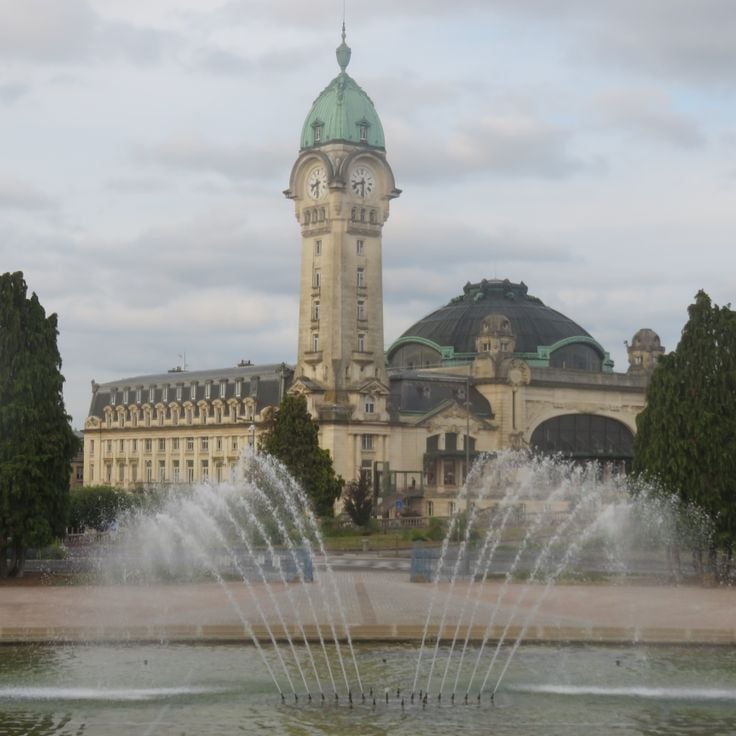
Limoges-Bénédictins Station exemplifies how train stations worldwide blend functionality with architectural quality. This station features a distinctive 67-meter high copper dome rising above the structure. A monumental clock marks the facade. Inside, stained glass and porcelain decorations reflect local craft traditions and add visual richness to the space. The building represents the period when railway stations were designed as important civic landmarks, combining engineering with artistic expression.
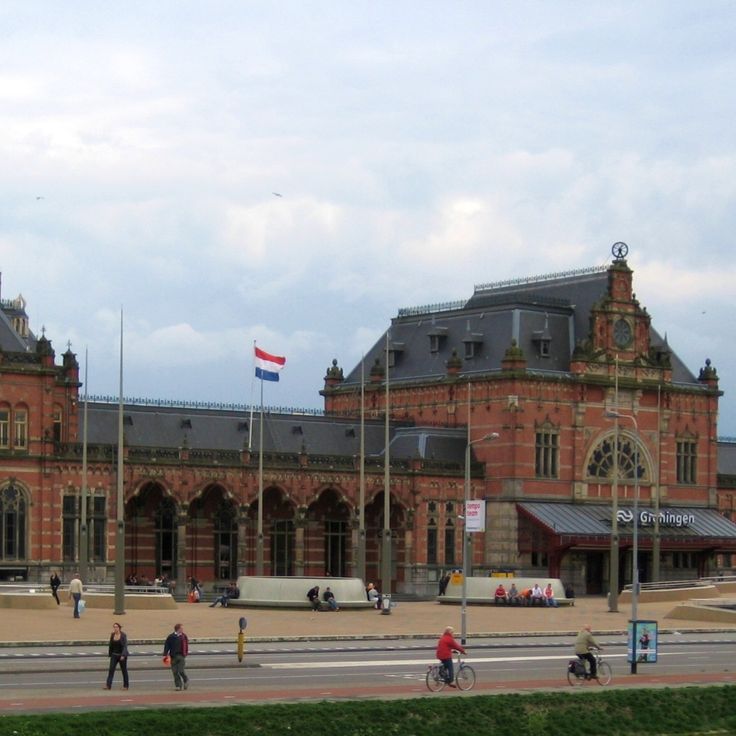
Groningen Central Station is a neo-Renaissance building with a distinctive clock tower. The facades feature red brick and natural stone ornaments. As part of this collection of train stations from around the world, this station shows how architecture and function work together. The building serves as a transportation hub while displaying carefully crafted details that reflect different periods and building styles.
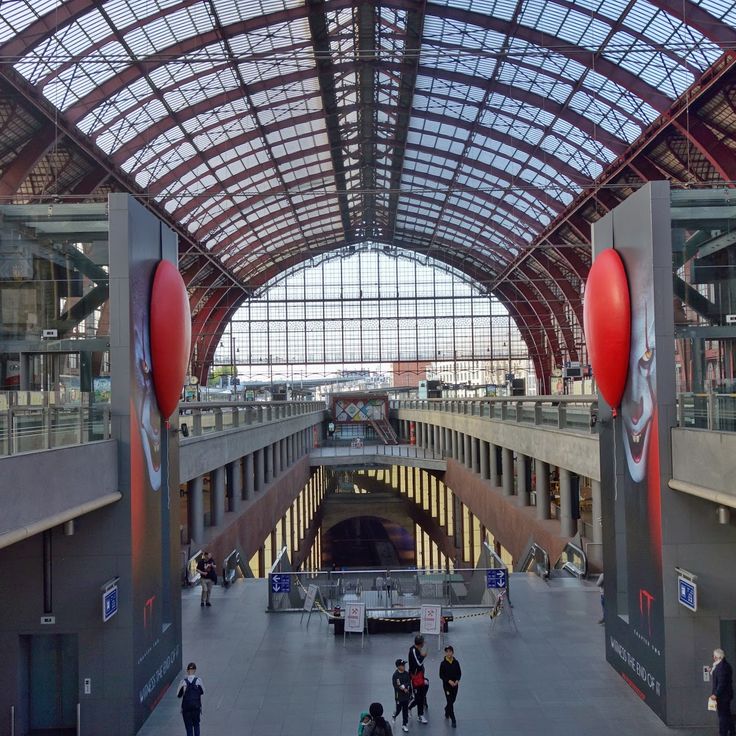
Antwerp Central Station is an eclectic style building included in this collection of train stations from around the world selected for their architecture. The station features a glass and steel dome and is constructed across three track levels. Its facade combines stone and marble in a distinctive way.
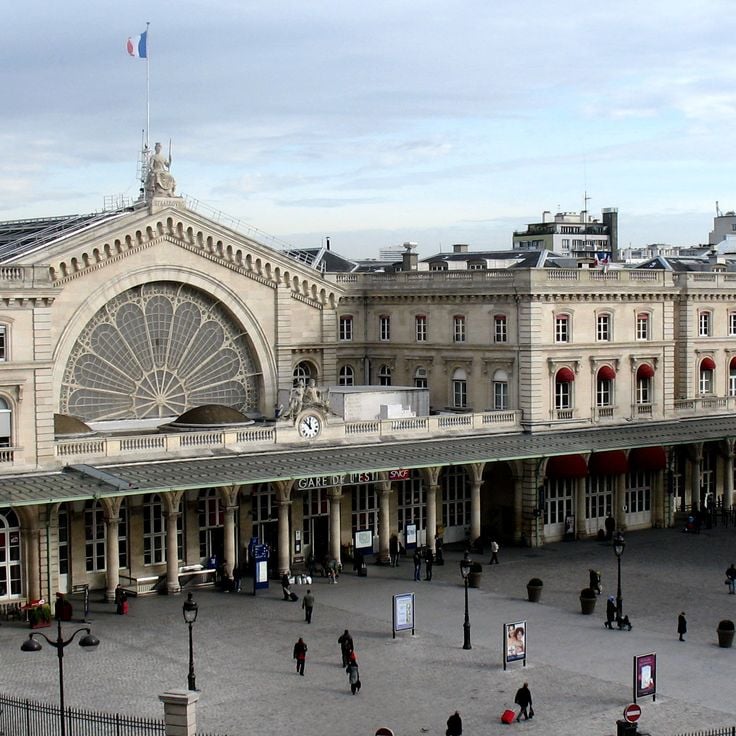
Gare de l'Est is a Second Empire railway station that served as the first terminus in Paris. The building features a 250-meter facade and a central glazed hall. This station demonstrates how architects of this period combined functional railway design with refined architectural details.
Grand Central Terminal is a railway station in New York that represents how transportation buildings can combine function with architectural quality. The main hall features a ceiling decorated with constellations, and the building's exterior is constructed of limestone. The station serves as an example of early 20th-century design, where the needs of travelers shaped the creation of a significant public space.
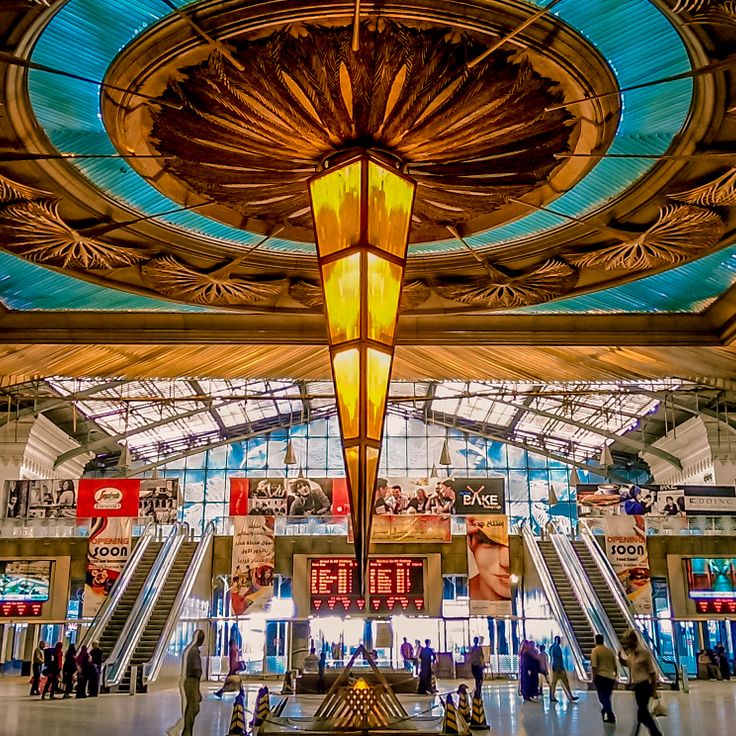
Ramses Station is Egypt's main railway terminal, inaugurated in 1892 with neo-Moorish architecture. The building has three floors and serves 11 tracks. As part of this collection of train stations from around the world, Ramses Station demonstrates how a railway building can combine practical function with architectural character from its era.
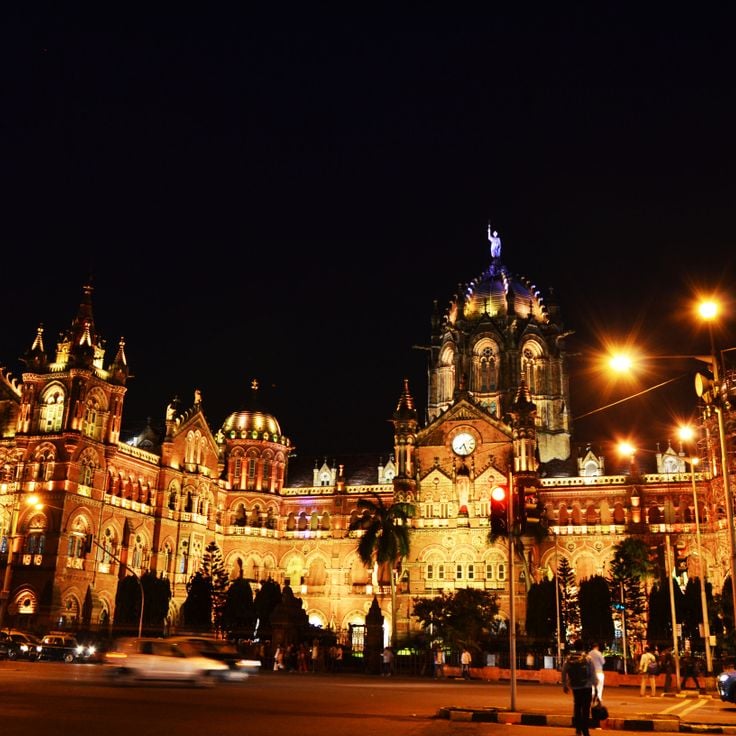
The Chhatrapati Shivaji Terminus is a railway station that combines Victorian Neo-Gothic style with elements of traditional Indian architecture. It is part of this collection of train stations from around the world selected for their architectural quality. The building's facades display detailed sculptures and ornaments, showing how functionality blends with careful design.
Kuala Lumpur Station is a railway building that fits into this collection of train stations from around the world selected for their architecture. The building blends Mughal, Indo and Islamic architectural styles. Domes and minarets characterize its red and white brick facade, demonstrating how railway stations can combine function with architectural quality.
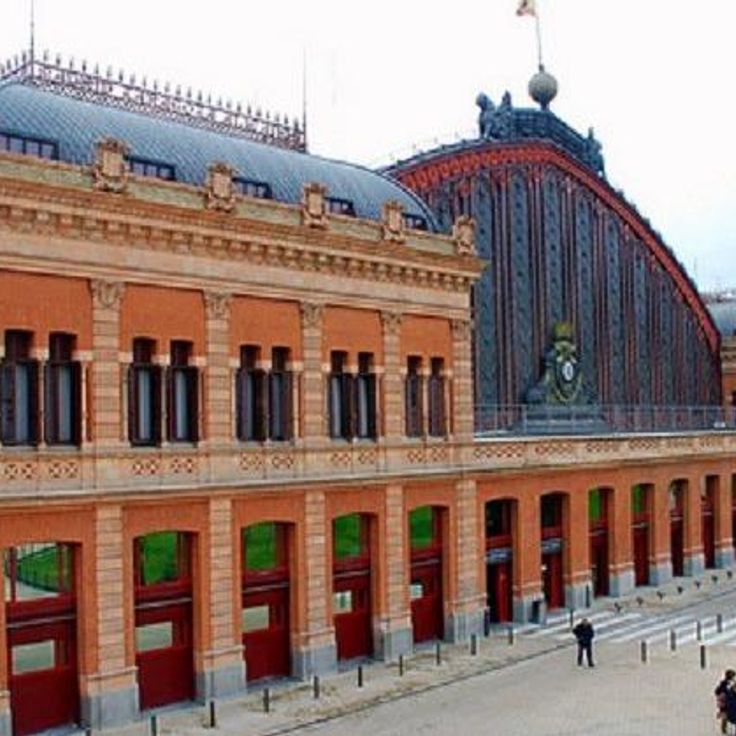
Atocha Station is a 19th-century train station with a striking metal structure and a 152-meter glass canopy. Selected for this collection of train stations around the world, it demonstrates how a working transportation hub can combine functionality with architectural quality. The main hall houses a tropical garden with palm trees, making this station a distinctive example of how modern comfort and natural beauty coexist within a historic building.
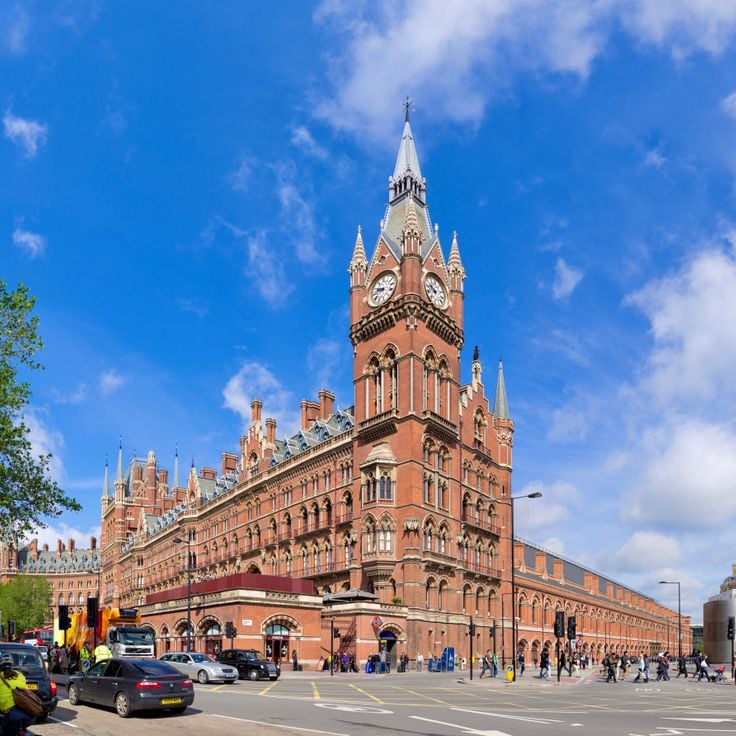
St Pancras Station is a Victorian building in London that stands out for its wrought-iron roof and red brick facade. The station exemplifies the architectural quality of this collection of train stations from different periods and styles. The building combines functionality with design refinement and also houses a luxury hotel.
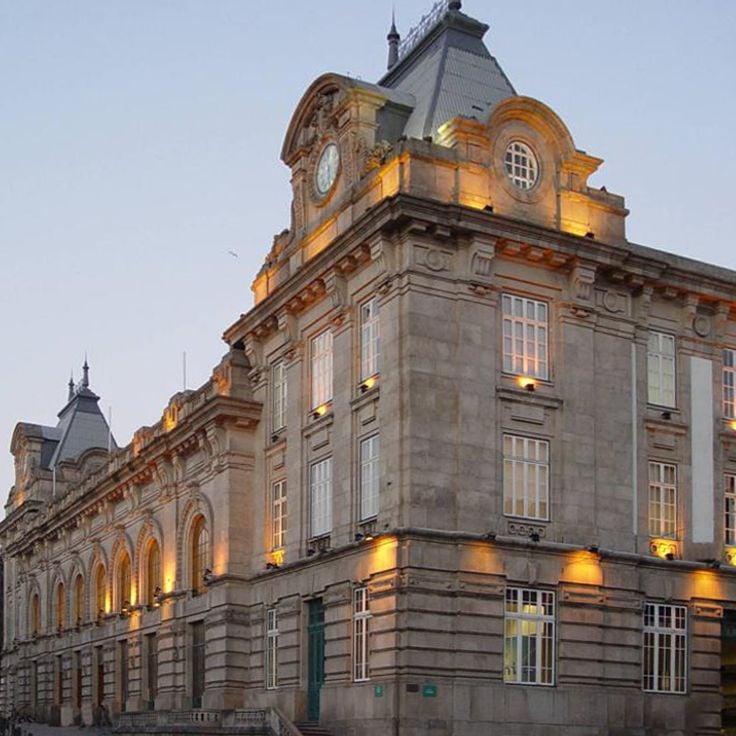
The Porto São Bento station is the main train station in the city, known for its special design and historical details. The main hall shows about 20,000 ceramic tiles depicting important moments in Portuguese history. The building follows a French architectural style and has three floors. This station combines the needs of transportation with careful architectural work.
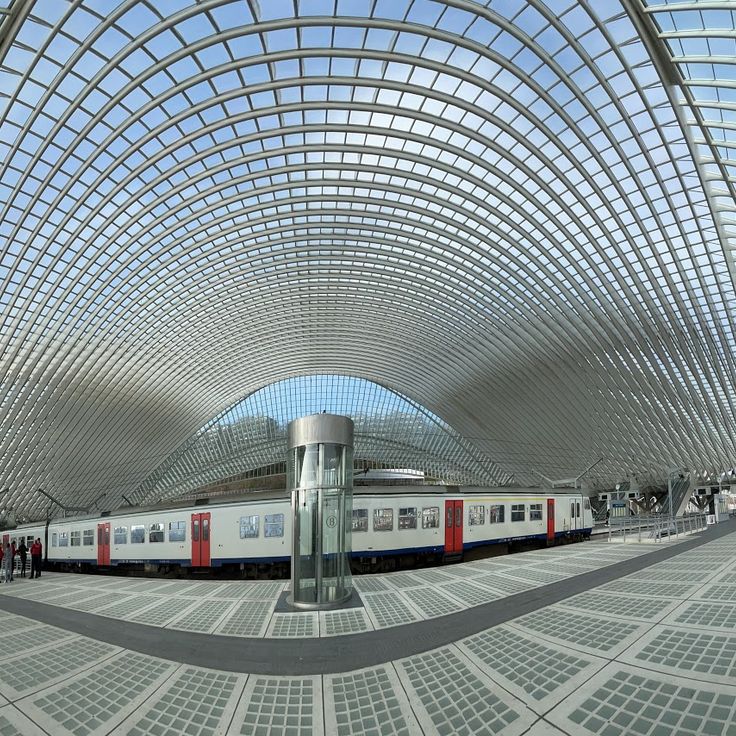
Liège-Guillemins Station is a contemporary train station that opened in 1993, showing how modern architecture and practical function work together. Designed by architect Santiago Calatrava, this building stands out for its distinctive form: a 160-meter glass and steel vault. The graceful construction merges technical innovation with visual design, placing it within a collection of stations that represent different architectural periods and styles.
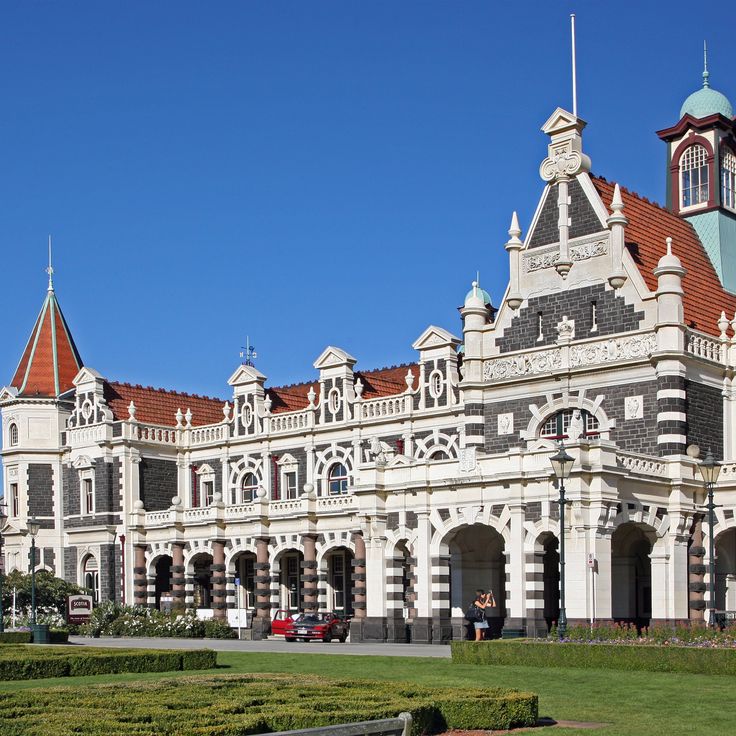
Dunedin Railway Station is a Flemish Renaissance style building designed by George Troup that showcases the architectural qualities of this period. The station is clad in basalt and limestone blocks and features mosaics, stained glass, and a prominent clock tower. As part of this collection of train stations worldwide, Dunedin Railway Station demonstrates how buildings serving practical purposes can also be fine examples of architectural design.
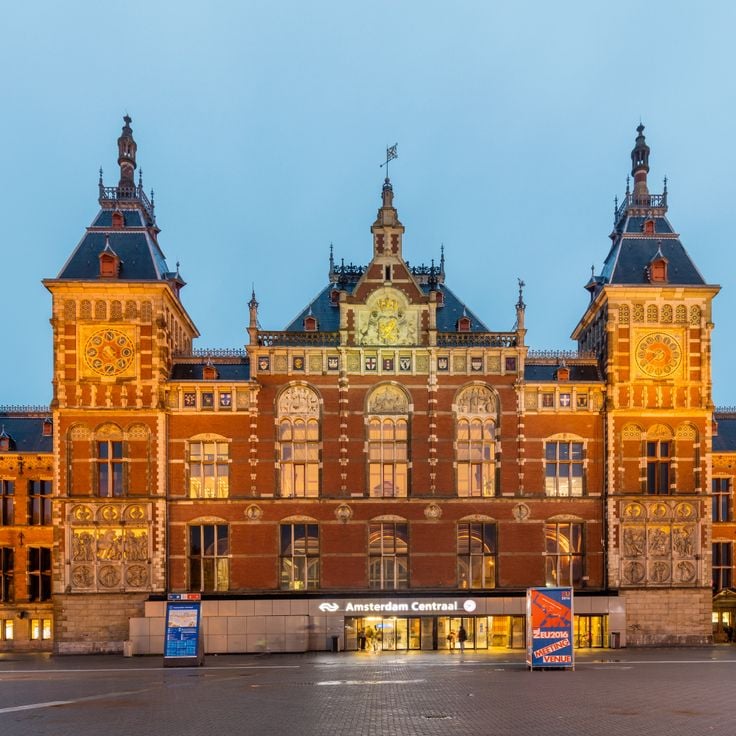
Amsterdam Central Station is a railway building with striking neo-Renaissance architecture. Constructed in 1889 on three artificial islands, it serves as a major transportation hub for the city. With six levels and fifteen platforms, the station demonstrates how railway buildings can combine practical function with architectural design. The building reflects 19th-century style and is part of a collection of stations worldwide recognized for their architectural quality.
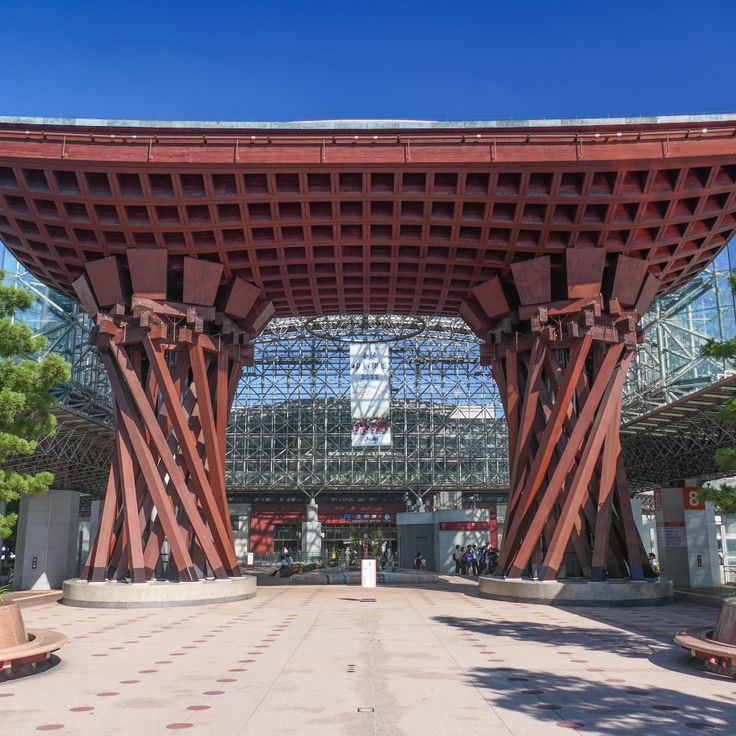
Kanazawa Station represents a thoughtful combination of modern design and traditional Japanese building elements. The distinctive drum-shaped Tsuzumi-mon gate marks its main entrance and demonstrates how contemporary architecture can respectfully engage with local building traditions. Wood and glass shape the appearance of this station, which merges practical function with crafted details.
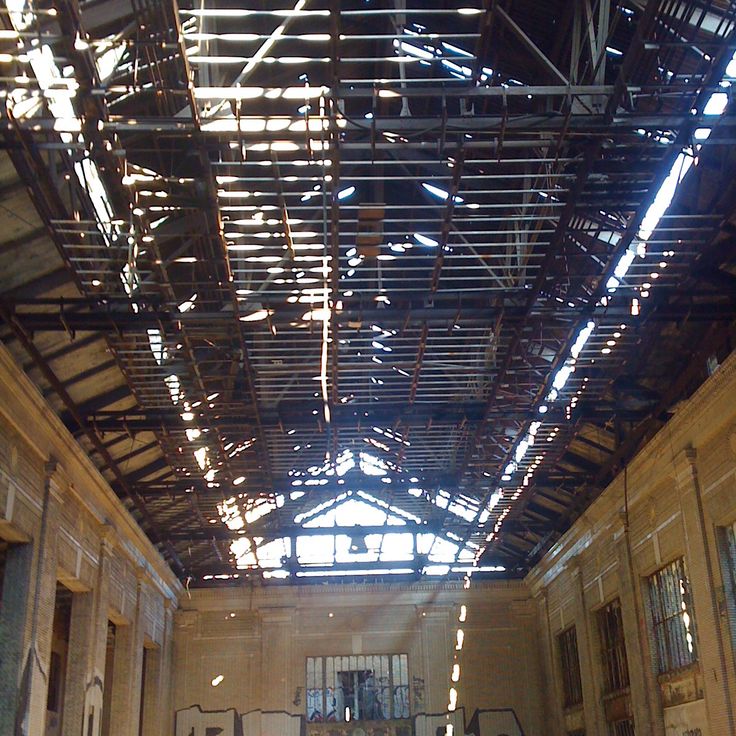
Michigan Central Station in Detroit is a train station built in the Beaux-Arts style. It was selected for this collection because it demonstrates how train stations combine architectural quality with their practical purpose. The building showcases the classical proportions and decorative elements typical of early 20th-century railway architecture.
Hua Hin Station represents the diversity of railway architecture around the world. This wooden building painted in red and cream displays traditional Thai design and merges functional purpose with local architectural styles. The royal pavilion situated on platform 1 gives the station distinctive character and shows how stations blend everyday utility with thoughtful design.
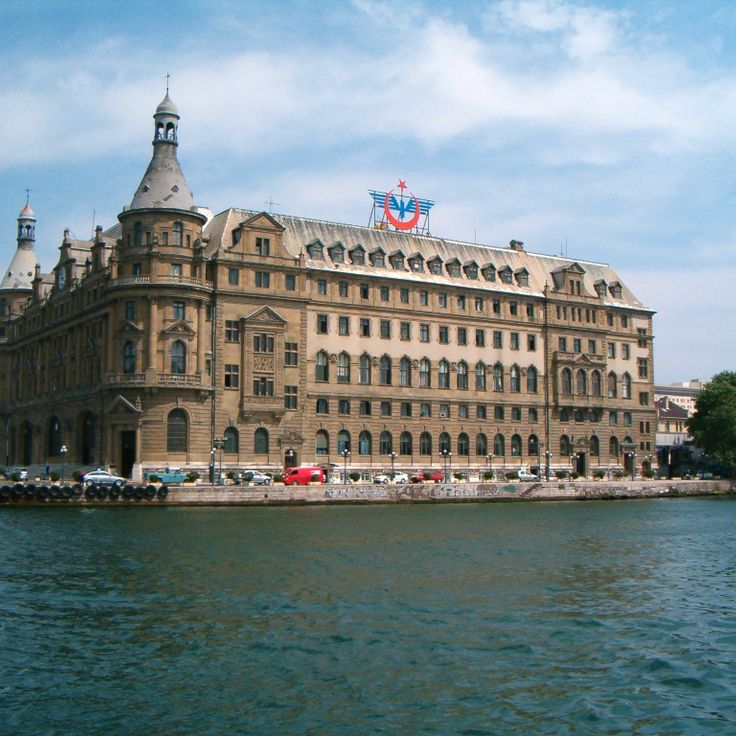
Haydarpaşa Station showcases German neo-Renaissance architecture and sits on the Asian shore of the Bosphorus. Built on pilings, this station represents an era when railway buildings served as expressions of civic importance and architectural ambition. The structure demonstrates how train stations were designed to blend practical function with refined design details.
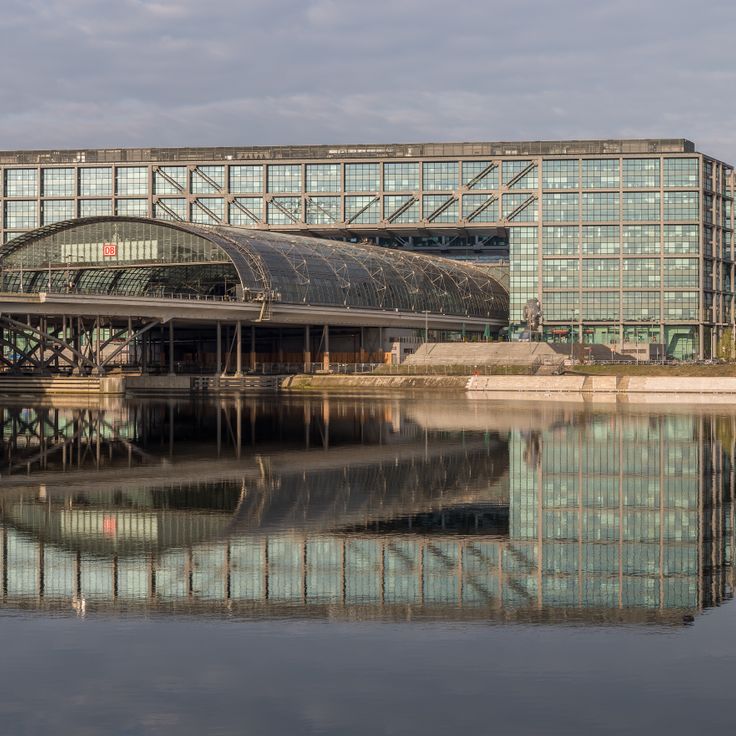
Berlin Hauptbahnhof is a modern train station with five levels and 14 tracks serving local and long-distance trains. The building made of glass and steel is designed to handle about 300000 travelers each day. The architecture shows how new stations combine usefulness and careful design. This station is part of a group of train stations from around the world chosen for their design.
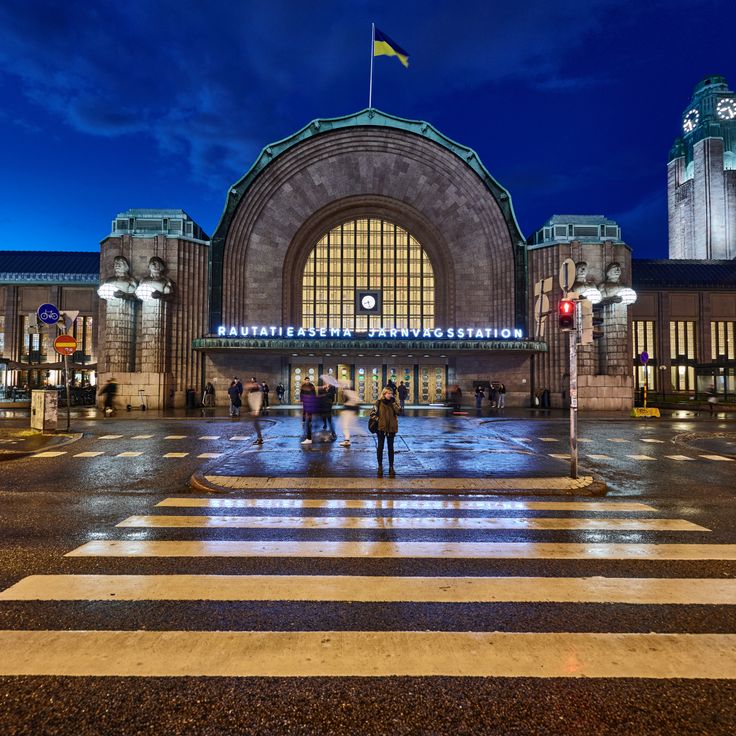
This pink granite station is part of a collection showcasing train stations chosen for their architectural merit. Designed by Eliel Saarinen, Helsinki Central Station blends Art Nouveau and classicism into a cohesive whole. The central hall features a large glass ceiling that floods the space with light, while sculptures by Emil Wikström enhance the interior. The building demonstrates how practical railway function and architectural quality can work together.
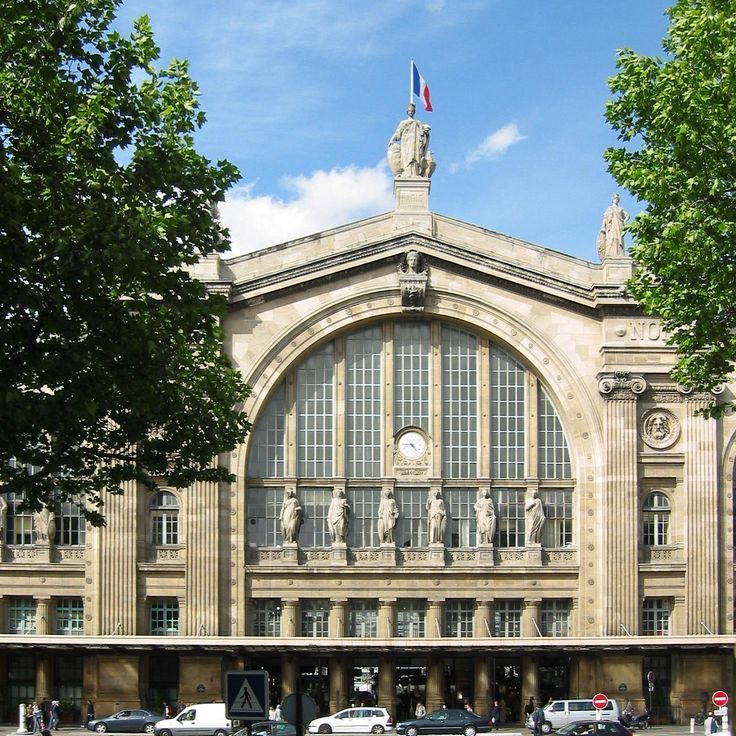
Gare du Nord is one of Europe's busiest train stations, welcoming countless visitors every day since its construction in 1864. The station features a monumental facade decorated with statues representing the cities it serves. The architecture demonstrates how this station combines classical design elements with the practical demands of a major transportation hub, showing the balance between aesthetic value and functional purpose.
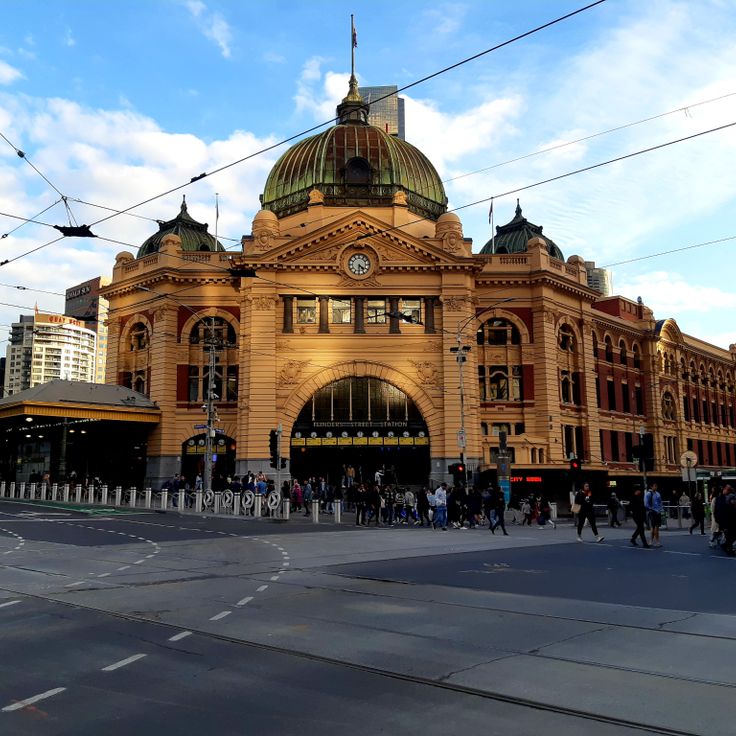
Flinders Street Station in Melbourne displays French-style architecture with a striking dome positioned above its main entrance. The station serves as an important transportation hub connecting different parts of the city. Its classical design and substantial facade make it a notable example of how train stations blend practical function with architectural craftsmanship.
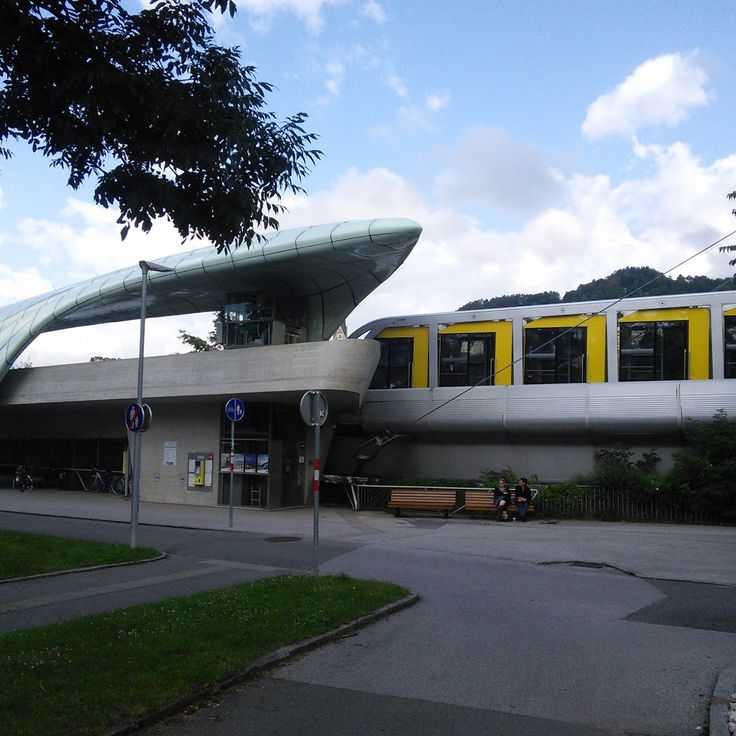
Hungerburgbahn Station in Innsbruck shows how contemporary architecture can define a transport building. Architect Zaha Hadid designed the four stations of this funicular with flowing, curved forms in glass and white concrete. The design merges practical function with modern visual expression, demonstrating how a station can work as both a transit facility and an architectural statement.
Maputo Station stands out in the skyline of Maputo with its distinctive copper dome reaching 51 meters high. The steel structure was manufactured by the Eiffel company in the early 20th century, representing the European architectural styles found in this collection of train stations from around the world. The material and craftsmanship demonstrate how this station merges practical function with architectural merit.
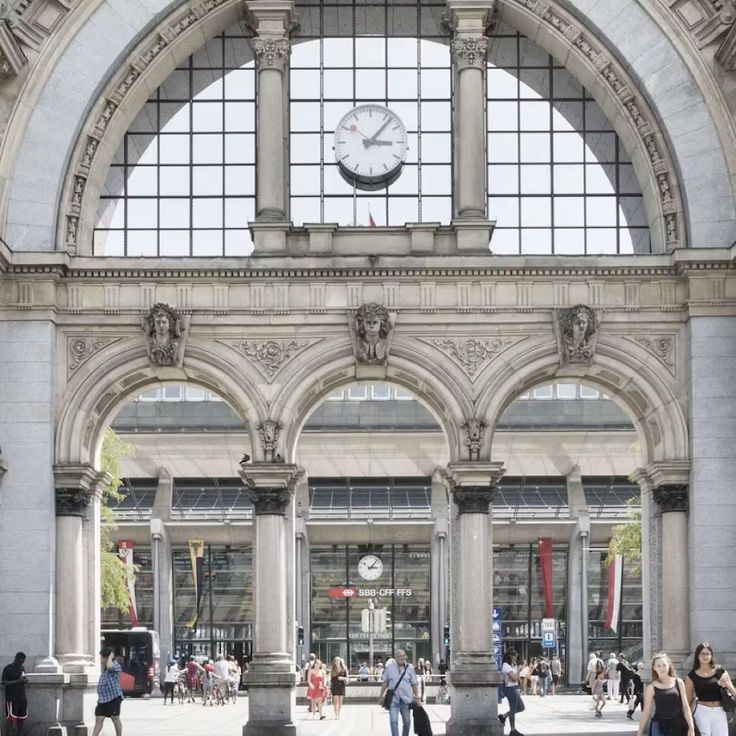
Lucerne Station was built in 1896 and features a neo-Renaissance facade. Its main hall contains frescoes and stained glass at the ceiling. This station is part of a collection of train stations from around the world selected for their architecture, representing different periods and styles from neo-Renaissance to contemporary design.
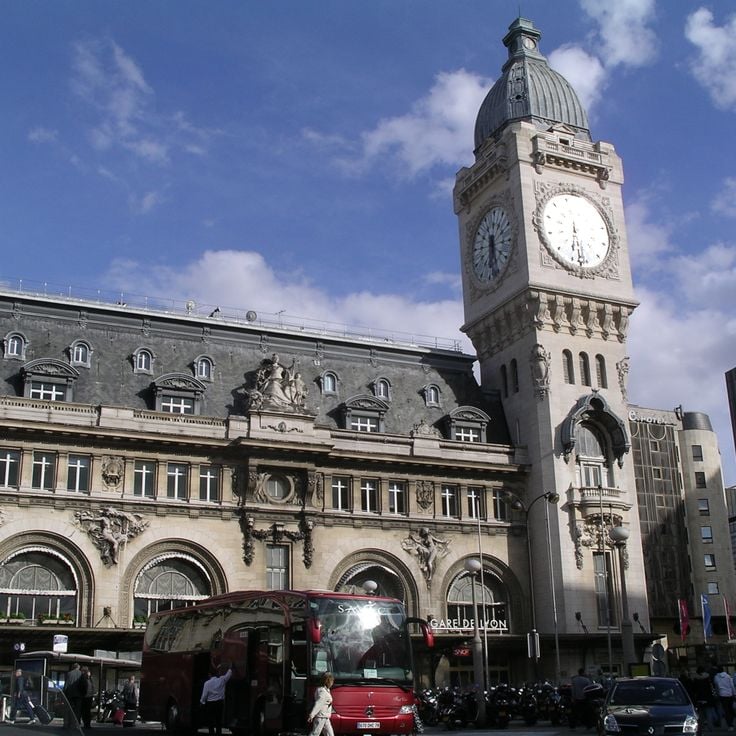
Gare de Lyon in Paris belongs to this collection of train stations from around the world selected for their architecture. This station from 1900 stands out for its 64-meter clock tower. The building houses the restaurant Le Train Bleu, which is decorated with elaborate murals. Gare de Lyon demonstrates how station architecture combines function with artistic design.
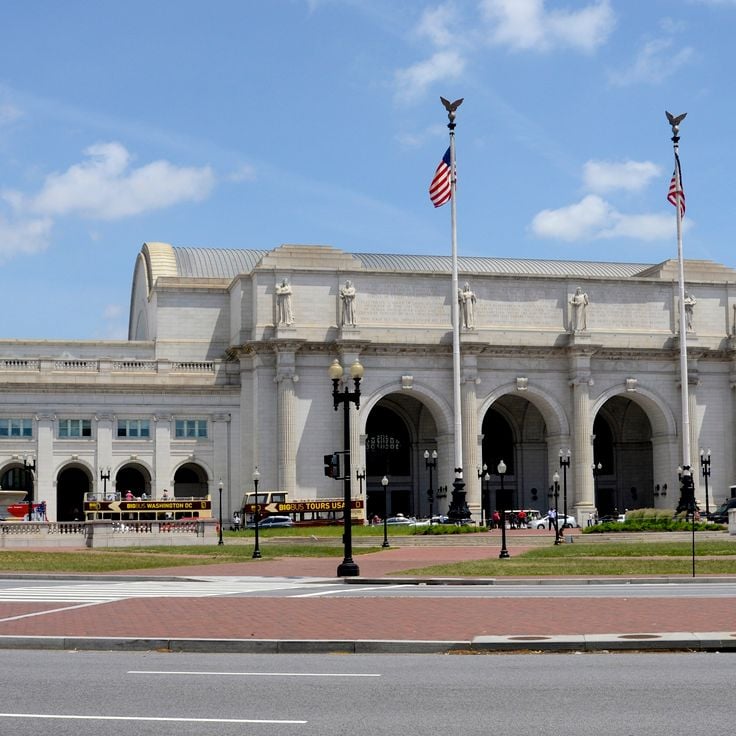
Union Station in Washington DC is a railway station designed by Daniel Burnham in 1907. The building features impressive barrel vaults and a spacious concourse. The station combines classical architecture with practical function, serving as an example of the diverse architectural styles represented in this collection of train stations from around the world.
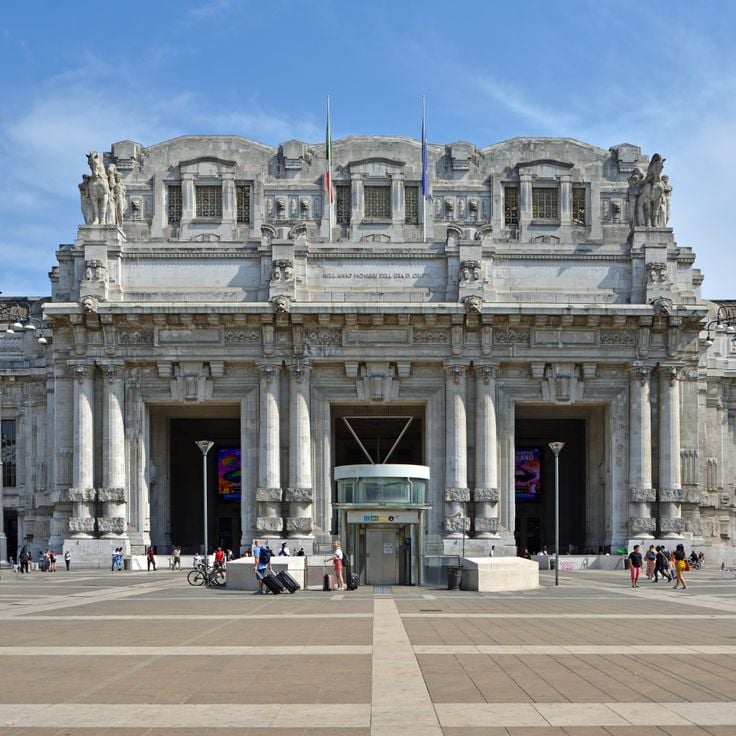
This monumental station in steel and marble serves 24 tracks and represents the architectural quality found throughout this collection of train stations around the world. Milan Central Station features five naves with arcades and a facade that stretches 200 meters wide, demonstrating how a working transportation hub can also be a significant architectural work.
Limoges-Bénédictins Station exemplifies how train stations worldwide blend functionality with architectural quality. This station features a distinctive 67-meter high copper dome rising above the structure. A monumental clock marks the facade. Inside, stained glass and porcelain decorations reflect local craft traditions and add visual richness to the space. The building represents the period when railway stations were designed as important civic landmarks, combining engineering with artistic expression.
Groningen Central Station is a neo-Renaissance building with a distinctive clock tower. The facades feature red brick and natural stone ornaments. As part of this collection of train stations from around the world, this station shows how architecture and function work together. The building serves as a transportation hub while displaying carefully crafted details that reflect different periods and building styles.
Antwerp Central Station is an eclectic style building included in this collection of train stations from around the world selected for their architecture. The station features a glass and steel dome and is constructed across three track levels. Its facade combines stone and marble in a distinctive way.
Gare de l'Est is a Second Empire railway station that served as the first terminus in Paris. The building features a 250-meter facade and a central glazed hall. This station demonstrates how architects of this period combined functional railway design with refined architectural details.
Grand Central Terminal is a railway station in New York that represents how transportation buildings can combine function with architectural quality. The main hall features a ceiling decorated with constellations, and the building's exterior is constructed of limestone. The station serves as an example of early 20th-century design, where the needs of travelers shaped the creation of a significant public space.
Ramses Station is Egypt's main railway terminal, inaugurated in 1892 with neo-Moorish architecture. The building has three floors and serves 11 tracks. As part of this collection of train stations from around the world, Ramses Station demonstrates how a railway building can combine practical function with architectural character from its era.
The Chhatrapati Shivaji Terminus is a railway station that combines Victorian Neo-Gothic style with elements of traditional Indian architecture. It is part of this collection of train stations from around the world selected for their architectural quality. The building's facades display detailed sculptures and ornaments, showing how functionality blends with careful design.
Kuala Lumpur Station is a railway building that fits into this collection of train stations from around the world selected for their architecture. The building blends Mughal, Indo and Islamic architectural styles. Domes and minarets characterize its red and white brick facade, demonstrating how railway stations can combine function with architectural quality.
Atocha Station is a 19th-century train station with a striking metal structure and a 152-meter glass canopy. Selected for this collection of train stations around the world, it demonstrates how a working transportation hub can combine functionality with architectural quality. The main hall houses a tropical garden with palm trees, making this station a distinctive example of how modern comfort and natural beauty coexist within a historic building.
St Pancras Station is a Victorian building in London that stands out for its wrought-iron roof and red brick facade. The station exemplifies the architectural quality of this collection of train stations from different periods and styles. The building combines functionality with design refinement and also houses a luxury hotel.
The Porto São Bento station is the main train station in the city, known for its special design and historical details. The main hall shows about 20,000 ceramic tiles depicting important moments in Portuguese history. The building follows a French architectural style and has three floors. This station combines the needs of transportation with careful architectural work.
Liège-Guillemins Station is a contemporary train station that opened in 1993, showing how modern architecture and practical function work together. Designed by architect Santiago Calatrava, this building stands out for its distinctive form: a 160-meter glass and steel vault. The graceful construction merges technical innovation with visual design, placing it within a collection of stations that represent different architectural periods and styles.
Dunedin Railway Station is a Flemish Renaissance style building designed by George Troup that showcases the architectural qualities of this period. The station is clad in basalt and limestone blocks and features mosaics, stained glass, and a prominent clock tower. As part of this collection of train stations worldwide, Dunedin Railway Station demonstrates how buildings serving practical purposes can also be fine examples of architectural design.
Amsterdam Central Station is a railway building with striking neo-Renaissance architecture. Constructed in 1889 on three artificial islands, it serves as a major transportation hub for the city. With six levels and fifteen platforms, the station demonstrates how railway buildings can combine practical function with architectural design. The building reflects 19th-century style and is part of a collection of stations worldwide recognized for their architectural quality.
Kanazawa Station represents a thoughtful combination of modern design and traditional Japanese building elements. The distinctive drum-shaped Tsuzumi-mon gate marks its main entrance and demonstrates how contemporary architecture can respectfully engage with local building traditions. Wood and glass shape the appearance of this station, which merges practical function with crafted details.
Michigan Central Station in Detroit is a train station built in the Beaux-Arts style. It was selected for this collection because it demonstrates how train stations combine architectural quality with their practical purpose. The building showcases the classical proportions and decorative elements typical of early 20th-century railway architecture.
Hua Hin Station represents the diversity of railway architecture around the world. This wooden building painted in red and cream displays traditional Thai design and merges functional purpose with local architectural styles. The royal pavilion situated on platform 1 gives the station distinctive character and shows how stations blend everyday utility with thoughtful design.
Haydarpaşa Station showcases German neo-Renaissance architecture and sits on the Asian shore of the Bosphorus. Built on pilings, this station represents an era when railway buildings served as expressions of civic importance and architectural ambition. The structure demonstrates how train stations were designed to blend practical function with refined design details.
Berlin Hauptbahnhof is a modern train station with five levels and 14 tracks serving local and long-distance trains. The building made of glass and steel is designed to handle about 300000 travelers each day. The architecture shows how new stations combine usefulness and careful design. This station is part of a group of train stations from around the world chosen for their design.
This pink granite station is part of a collection showcasing train stations chosen for their architectural merit. Designed by Eliel Saarinen, Helsinki Central Station blends Art Nouveau and classicism into a cohesive whole. The central hall features a large glass ceiling that floods the space with light, while sculptures by Emil Wikström enhance the interior. The building demonstrates how practical railway function and architectural quality can work together.
Gare du Nord is one of Europe's busiest train stations, welcoming countless visitors every day since its construction in 1864. The station features a monumental facade decorated with statues representing the cities it serves. The architecture demonstrates how this station combines classical design elements with the practical demands of a major transportation hub, showing the balance between aesthetic value and functional purpose.
Flinders Street Station in Melbourne displays French-style architecture with a striking dome positioned above its main entrance. The station serves as an important transportation hub connecting different parts of the city. Its classical design and substantial facade make it a notable example of how train stations blend practical function with architectural craftsmanship.
Hungerburgbahn Station in Innsbruck shows how contemporary architecture can define a transport building. Architect Zaha Hadid designed the four stations of this funicular with flowing, curved forms in glass and white concrete. The design merges practical function with modern visual expression, demonstrating how a station can work as both a transit facility and an architectural statement.
Maputo Station stands out in the skyline of Maputo with its distinctive copper dome reaching 51 meters high. The steel structure was manufactured by the Eiffel company in the early 20th century, representing the European architectural styles found in this collection of train stations from around the world. The material and craftsmanship demonstrate how this station merges practical function with architectural merit.
Lucerne Station was built in 1896 and features a neo-Renaissance facade. Its main hall contains frescoes and stained glass at the ceiling. This station is part of a collection of train stations from around the world selected for their architecture, representing different periods and styles from neo-Renaissance to contemporary design.
Gare de Lyon in Paris belongs to this collection of train stations from around the world selected for their architecture. This station from 1900 stands out for its 64-meter clock tower. The building houses the restaurant Le Train Bleu, which is decorated with elaborate murals. Gare de Lyon demonstrates how station architecture combines function with artistic design.
Union Station in Washington DC is a railway station designed by Daniel Burnham in 1907. The building features impressive barrel vaults and a spacious concourse. The station combines classical architecture with practical function, serving as an example of the diverse architectural styles represented in this collection of train stations from around the world.
This monumental station in steel and marble serves 24 tracks and represents the architectural quality found throughout this collection of train stations around the world. Milan Central Station features five naves with arcades and a facade that stretches 200 meters wide, demonstrating how a working transportation hub can also be a significant architectural work.
Limoges-Bénédictins Station exemplifies how train stations worldwide blend functionality with architectural quality. This station features a distinctive 67-meter high copper dome rising above the structure. A monumental clock marks the facade. Inside, stained glass and porcelain decorations reflect local craft traditions and add visual richness to the space. The building represents the period when railway stations were designed as important civic landmarks, combining engineering with artistic expression.
Groningen Central Station is a neo-Renaissance building with a distinctive clock tower. The facades feature red brick and natural stone ornaments. As part of this collection of train stations from around the world, this station shows how architecture and function work together. The building serves as a transportation hub while displaying carefully crafted details that reflect different periods and building styles.
Antwerp Central Station is an eclectic style building included in this collection of train stations from around the world selected for their architecture. The station features a glass and steel dome and is constructed across three track levels. Its facade combines stone and marble in a distinctive way.
Gare de l'Est is a Second Empire railway station that served as the first terminus in Paris. The building features a 250-meter facade and a central glazed hall. This station demonstrates how architects of this period combined functional railway design with refined architectural details.
Grand Central Terminal is a railway station in New York that represents how transportation buildings can combine function with architectural quality. The main hall features a ceiling decorated with constellations, and the building's exterior is constructed of limestone. The station serves as an example of early 20th-century design, where the needs of travelers shaped the creation of a significant public space.
Ramses Station is Egypt's main railway terminal, inaugurated in 1892 with neo-Moorish architecture. The building has three floors and serves 11 tracks. As part of this collection of train stations from around the world, Ramses Station demonstrates how a railway building can combine practical function with architectural character from its era.
The Chhatrapati Shivaji Terminus is a railway station that combines Victorian Neo-Gothic style with elements of traditional Indian architecture. It is part of this collection of train stations from around the world selected for their architectural quality. The building's facades display detailed sculptures and ornaments, showing how functionality blends with careful design.
Kuala Lumpur Station is a railway building that fits into this collection of train stations from around the world selected for their architecture. The building blends Mughal, Indo and Islamic architectural styles. Domes and minarets characterize its red and white brick facade, demonstrating how railway stations can combine function with architectural quality.
Atocha Station is a 19th-century train station with a striking metal structure and a 152-meter glass canopy. Selected for this collection of train stations around the world, it demonstrates how a working transportation hub can combine functionality with architectural quality. The main hall houses a tropical garden with palm trees, making this station a distinctive example of how modern comfort and natural beauty coexist within a historic building.
St Pancras Station is a Victorian building in London that stands out for its wrought-iron roof and red brick facade. The station exemplifies the architectural quality of this collection of train stations from different periods and styles. The building combines functionality with design refinement and also houses a luxury hotel.
The Porto São Bento station is the main train station in the city, known for its special design and historical details. The main hall shows about 20,000 ceramic tiles depicting important moments in Portuguese history. The building follows a French architectural style and has three floors. This station combines the needs of transportation with careful architectural work.
Liège-Guillemins Station is a contemporary train station that opened in 1993, showing how modern architecture and practical function work together. Designed by architect Santiago Calatrava, this building stands out for its distinctive form: a 160-meter glass and steel vault. The graceful construction merges technical innovation with visual design, placing it within a collection of stations that represent different architectural periods and styles.
Dunedin Railway Station is a Flemish Renaissance style building designed by George Troup that showcases the architectural qualities of this period. The station is clad in basalt and limestone blocks and features mosaics, stained glass, and a prominent clock tower. As part of this collection of train stations worldwide, Dunedin Railway Station demonstrates how buildings serving practical purposes can also be fine examples of architectural design.
Amsterdam Central Station is a railway building with striking neo-Renaissance architecture. Constructed in 1889 on three artificial islands, it serves as a major transportation hub for the city. With six levels and fifteen platforms, the station demonstrates how railway buildings can combine practical function with architectural design. The building reflects 19th-century style and is part of a collection of stations worldwide recognized for their architectural quality.
Kanazawa Station represents a thoughtful combination of modern design and traditional Japanese building elements. The distinctive drum-shaped Tsuzumi-mon gate marks its main entrance and demonstrates how contemporary architecture can respectfully engage with local building traditions. Wood and glass shape the appearance of this station, which merges practical function with crafted details.
Michigan Central Station in Detroit is a train station built in the Beaux-Arts style. It was selected for this collection because it demonstrates how train stations combine architectural quality with their practical purpose. The building showcases the classical proportions and decorative elements typical of early 20th-century railway architecture.
Hua Hin Station represents the diversity of railway architecture around the world. This wooden building painted in red and cream displays traditional Thai design and merges functional purpose with local architectural styles. The royal pavilion situated on platform 1 gives the station distinctive character and shows how stations blend everyday utility with thoughtful design.
Haydarpaşa Station showcases German neo-Renaissance architecture and sits on the Asian shore of the Bosphorus. Built on pilings, this station represents an era when railway buildings served as expressions of civic importance and architectural ambition. The structure demonstrates how train stations were designed to blend practical function with refined design details.
Berlin Hauptbahnhof is a modern train station with five levels and 14 tracks serving local and long-distance trains. The building made of glass and steel is designed to handle about 300000 travelers each day. The architecture shows how new stations combine usefulness and careful design. This station is part of a group of train stations from around the world chosen for their design.
This pink granite station is part of a collection showcasing train stations chosen for their architectural merit. Designed by Eliel Saarinen, Helsinki Central Station blends Art Nouveau and classicism into a cohesive whole. The central hall features a large glass ceiling that floods the space with light, while sculptures by Emil Wikström enhance the interior. The building demonstrates how practical railway function and architectural quality can work together.
Gare du Nord is one of Europe's busiest train stations, welcoming countless visitors every day since its construction in 1864. The station features a monumental facade decorated with statues representing the cities it serves. The architecture demonstrates how this station combines classical design elements with the practical demands of a major transportation hub, showing the balance between aesthetic value and functional purpose.
Flinders Street Station in Melbourne displays French-style architecture with a striking dome positioned above its main entrance. The station serves as an important transportation hub connecting different parts of the city. Its classical design and substantial facade make it a notable example of how train stations blend practical function with architectural craftsmanship.
Hungerburgbahn Station in Innsbruck shows how contemporary architecture can define a transport building. Architect Zaha Hadid designed the four stations of this funicular with flowing, curved forms in glass and white concrete. The design merges practical function with modern visual expression, demonstrating how a station can work as both a transit facility and an architectural statement.
Maputo Station stands out in the skyline of Maputo with its distinctive copper dome reaching 51 meters high. The steel structure was manufactured by the Eiffel company in the early 20th century, representing the European architectural styles found in this collection of train stations from around the world. The material and craftsmanship demonstrate how this station merges practical function with architectural merit.
Lucerne Station was built in 1896 and features a neo-Renaissance facade. Its main hall contains frescoes and stained glass at the ceiling. This station is part of a collection of train stations from around the world selected for their architecture, representing different periods and styles from neo-Renaissance to contemporary design.
Gare de Lyon in Paris belongs to this collection of train stations from around the world selected for their architecture. This station from 1900 stands out for its 64-meter clock tower. The building houses the restaurant Le Train Bleu, which is decorated with elaborate murals. Gare de Lyon demonstrates how station architecture combines function with artistic design.
Union Station in Washington DC is a railway station designed by Daniel Burnham in 1907. The building features impressive barrel vaults and a spacious concourse. The station combines classical architecture with practical function, serving as an example of the diverse architectural styles represented in this collection of train stations from around the world.
This monumental station in steel and marble serves 24 tracks and represents the architectural quality found throughout this collection of train stations around the world. Milan Central Station features five naves with arcades and a facade that stretches 200 meters wide, demonstrating how a working transportation hub can also be a significant architectural work.
If you visit a station for the first time, arrive a little early to walk slowly through the halls and look at the details on the ceiling and walls. The designers hid small treasures in every corner: sculptures, mosaics, stained glass. Having a coffee or meal in the station restaurants lets you sit and watch people pass by. This is when you will see how these places are used every day.