See the monuments around you in AROpen chests in the app
Around Us is built for your phone — point your camera at the streets and discover the monuments and places around you in augmented reality.Around Us is built for your phone — chests unlock when you walk, explore and capture nearby places.
Northern Portugal: sights, Atlantic coast and Douro valley
Northern Portugal includes towns full of history, valleys shaped by vineyards, and mountains reaching to the Spanish border. Porto leads the region with its old center that slopes down towards the Douro River, iron bridges, baroque churches, and shopping streets lined with hundred-year-old bookstores and stations decorated with tiles. Further north, Braga and Guimarães keep sanctuaries, monasteries, and cobbled streets that show their religious and political pasts.
The Atlantic coast swings between sandy beaches, cliffs, and small fishing ports. Inland, the Douro valley spreads out with terraces full of vines. The Peneda-Gerês National Park offers paths through forests, lakes, and granite villages. The towns in the northeast are quieter and hold onto their rural feel and old customs.
Northern Portugal: sights, Atlantic coast and Douro valley
Northern Portugal includes towns full of history, valleys shaped by vineyards, and mountains reaching to the Spanish border. Porto leads the region with its old center that slopes down towards the Douro River, iron bridges, baroque churches, and shopping streets lined with hundred-year-old bookstores and stations decorated with tiles. Further north, Braga and Guimarães keep sanctuaries, monasteries, and cobbled streets that show their religious and political pasts.
The Atlantic coast swings between sandy beaches, cliffs, and small fishing ports. Inland, the Douro valley spreads out with terraces full of vines. The Peneda-Gerês National Park offers paths through forests, lakes, and granite villages. The towns in the northeast are quieter and hold onto their rural feel and old customs.
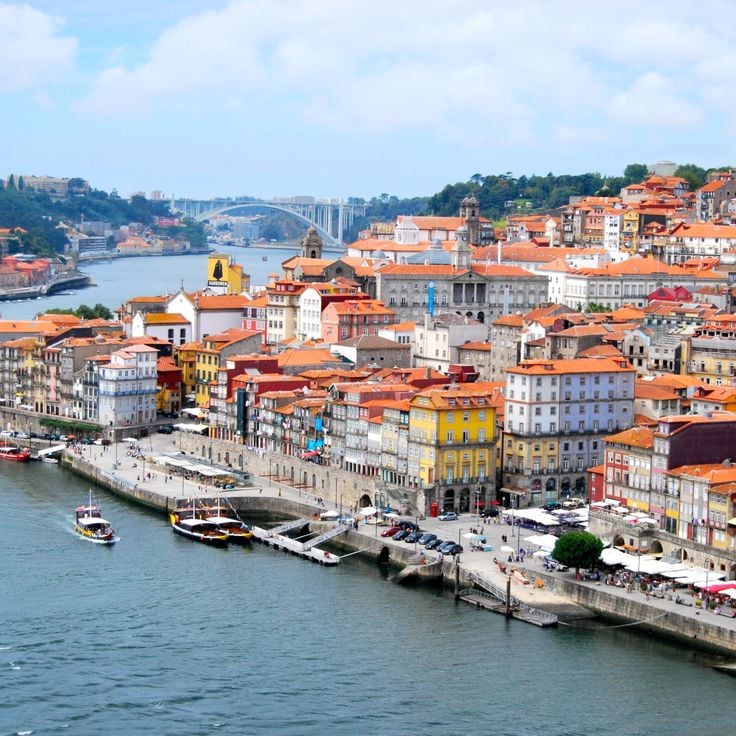
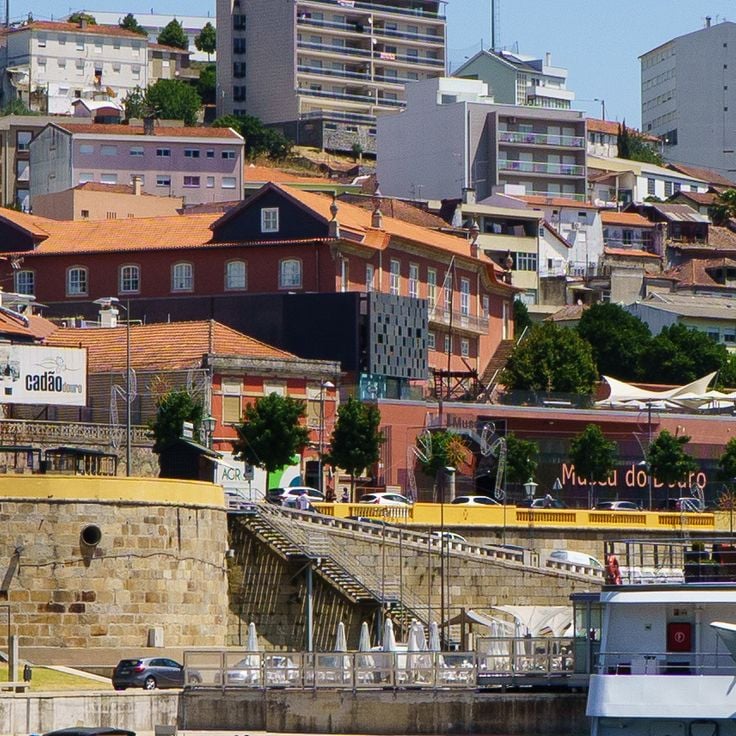
Porto is the heart of the north, sprawling down a slope toward the Douro River. Old streets are narrow and steep, filled with shops, cafes, and restaurants where residents and visitors mingle. Facades are covered with painted azulejo tiles and carved details. Iron bridges cross the river, and Baroque churches stand at the corners of squares. Down by the riverbank, you see the wine lodges where port wine ages, and from above, you watch boats moving on the water and valleys opening beyond.
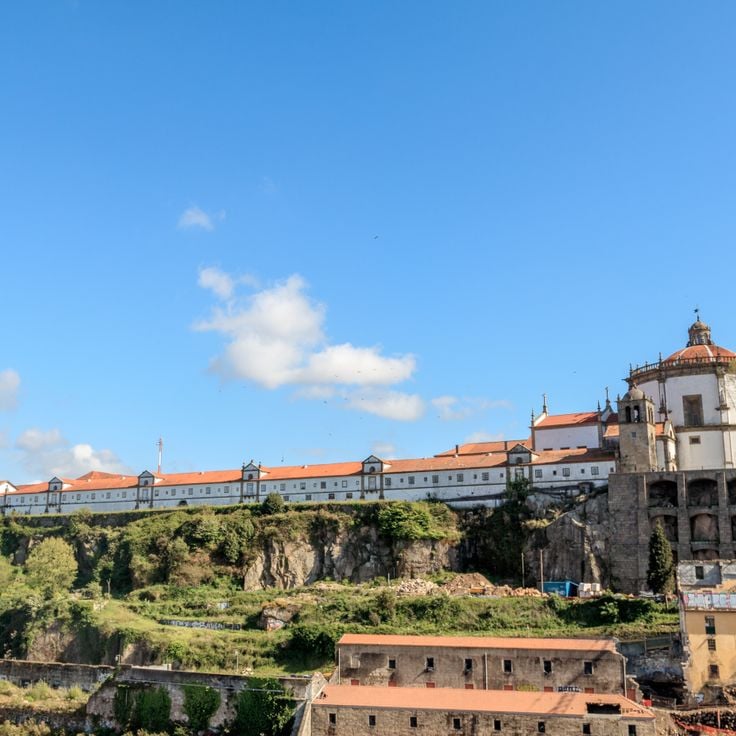
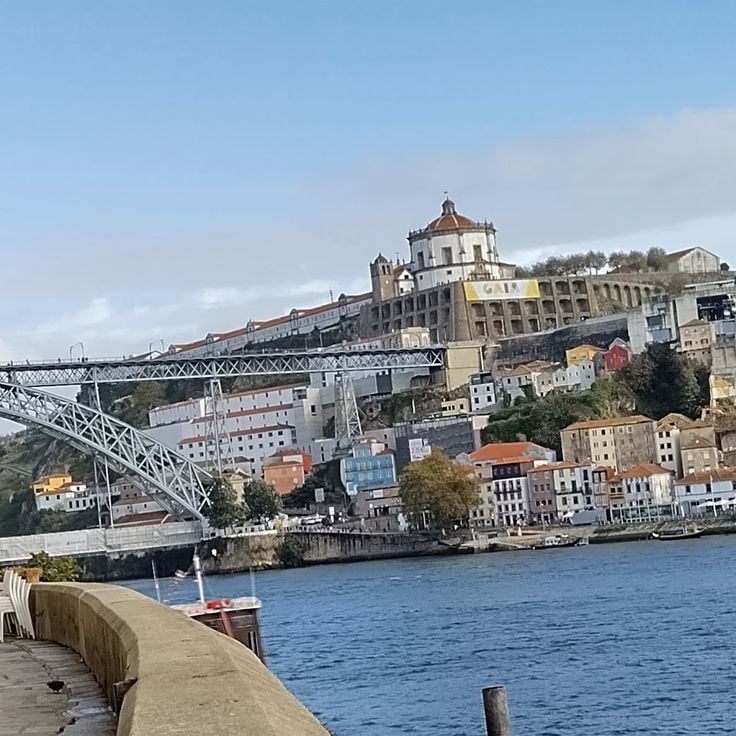
The Monastery of Serra do Pilar stands on the opposite bank of the Douro River from Porto, offering sweeping views of the city and the river below. Its circular cloister is an architectural feature not found in many other Portuguese monasteries. Since 1996, this site has been part of the UNESCO World Heritage designation for Porto, making it both a spiritual and a historic landmark from which to observe the city's bridges and riverside architecture.
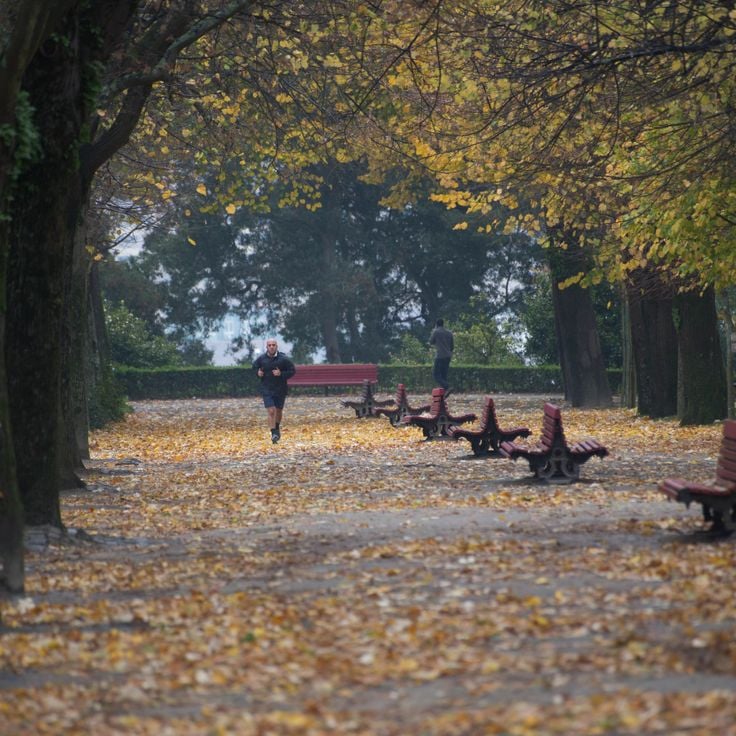
The gardens of Palacio de Cristal in Porto feature walking paths through planted areas with ponds and views toward the Douro River. Located in the heart of the city, these gardens sit where the urban landscape meets the river, offering a place where residents and visitors pause to observe the flow of daily life around them.
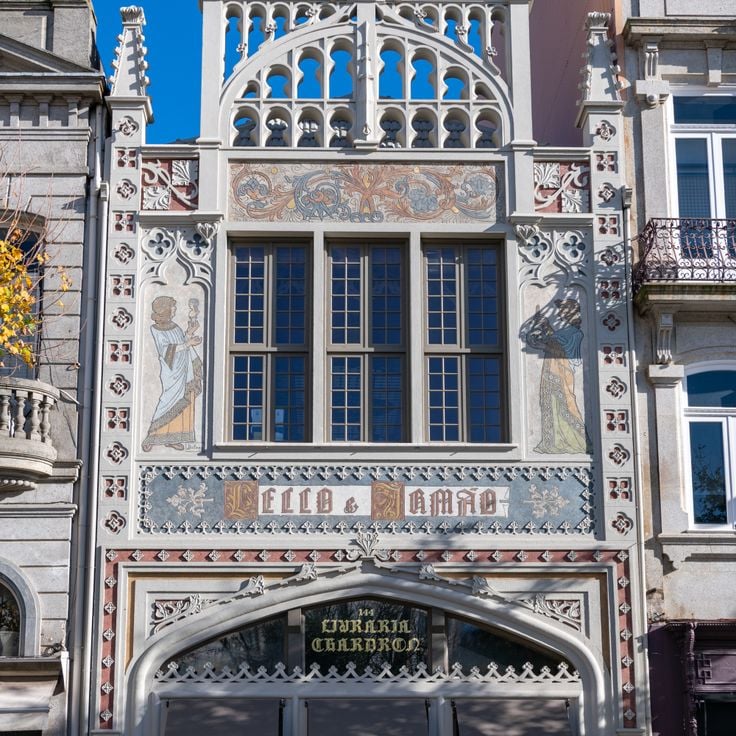
Livraria Lello in Porto is an old bookstore with Art Nouveau decorations and a distinctive staircase. It represents the commercial culture that has developed in the city for centuries along the Douro River. This bookstore is among the older commercial spaces in Porto that preserve the region's heritage.
The Foz do Douro is the mouth of the Douro River in Porto, where the river meets the Atlantic Ocean. A waterfront promenade runs along the shore with cafes and restaurants offering views of the sea. The beach stretches beside the water, and locals and visitors gather to watch the boats and the horizon. Where the ocean waves meet the river's final stretch, the place has an open, relaxed feel that contrasts with the compact old city above.
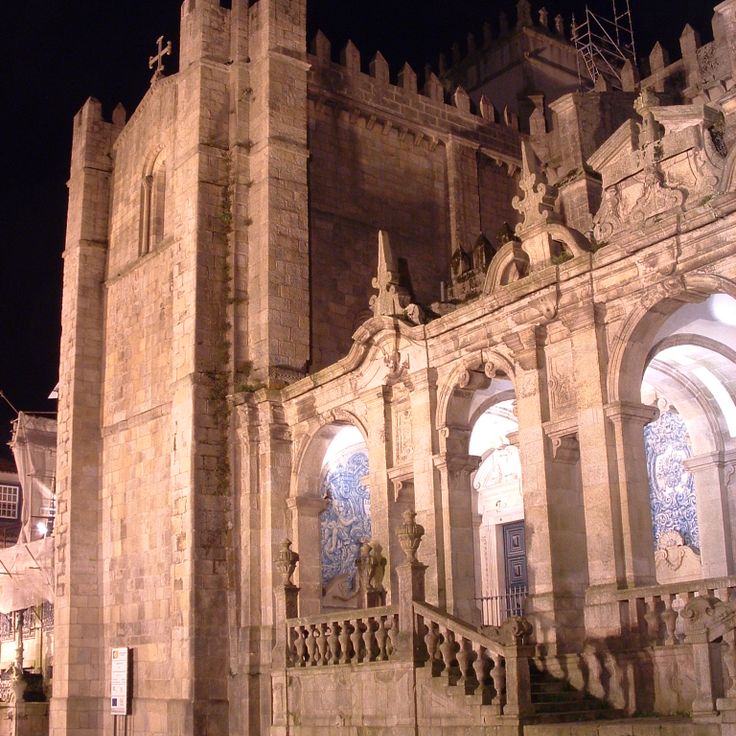
The Cathedral Se do Porto is a Romanesque church from the 12th century that watches over Porto from a hilltop. With its thick walls and fortress-like appearance, it has shaped the city's look for centuries. Inside, you find baroque decorations and historical details that speak to the building's religious importance. The cathedral sits in the old city, where narrow streets climb up to its gates. From there, you can see the city spreading below, the bridges, and the Douro River flowing through the valley.
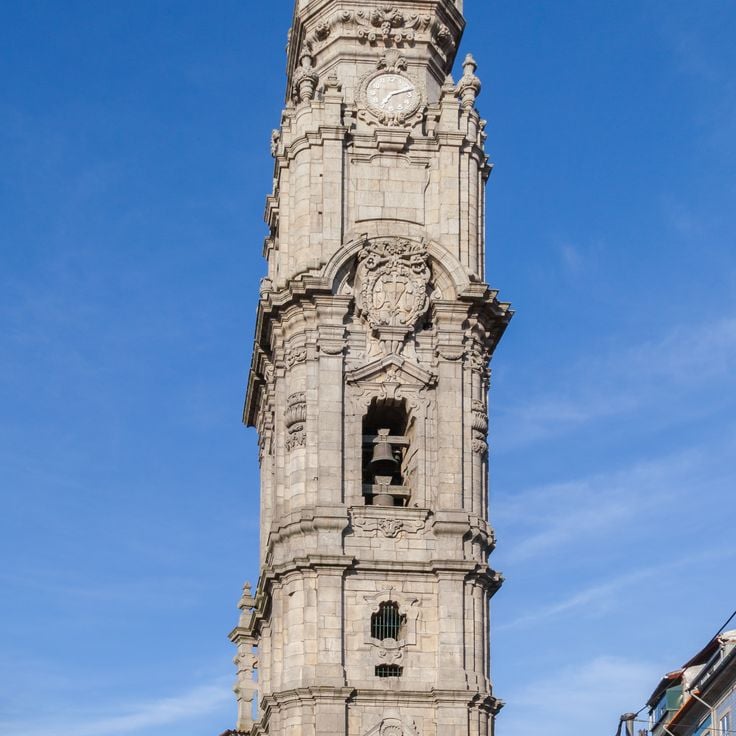
Torre dos Clerigos is a Baroque tower from the 18th century rising in Porto. From its top, visitors can look out over the city as it descends toward the Douro River, with its iron bridges, Baroque churches, and commercial streets where centuries-old bookstores and stations decorated with azulejos tiles stand.
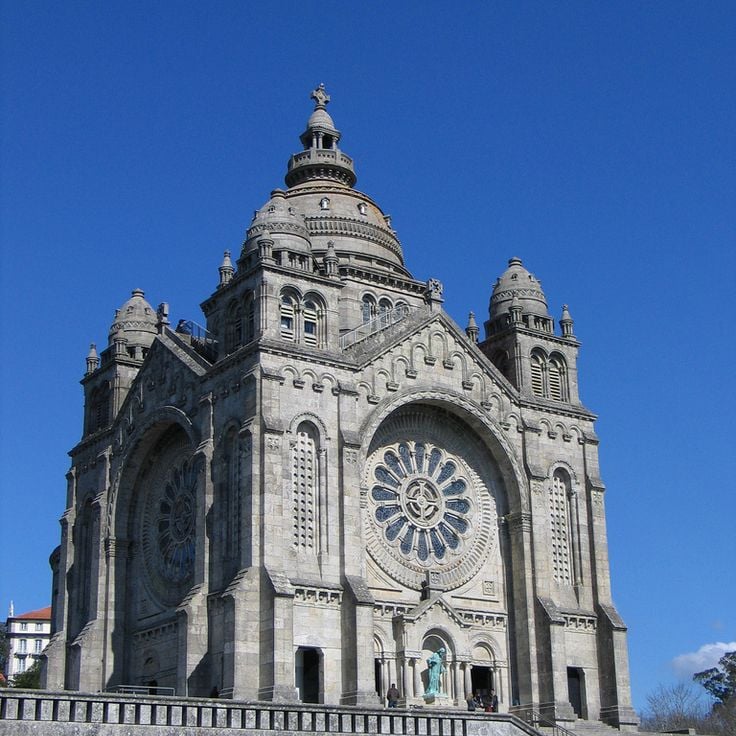
The Sanctuary of Santa Luzia in Viana do Castelo rises on a hill above the city and overlooks the coast. The basilica has a white facade and broad staircases that climb from the city. From the top, you can see the city, the Lima River, and the Atlantic coast. Visitors can walk or take the funicular. This place shows how faith and landscape have shaped northern Portugal for centuries.
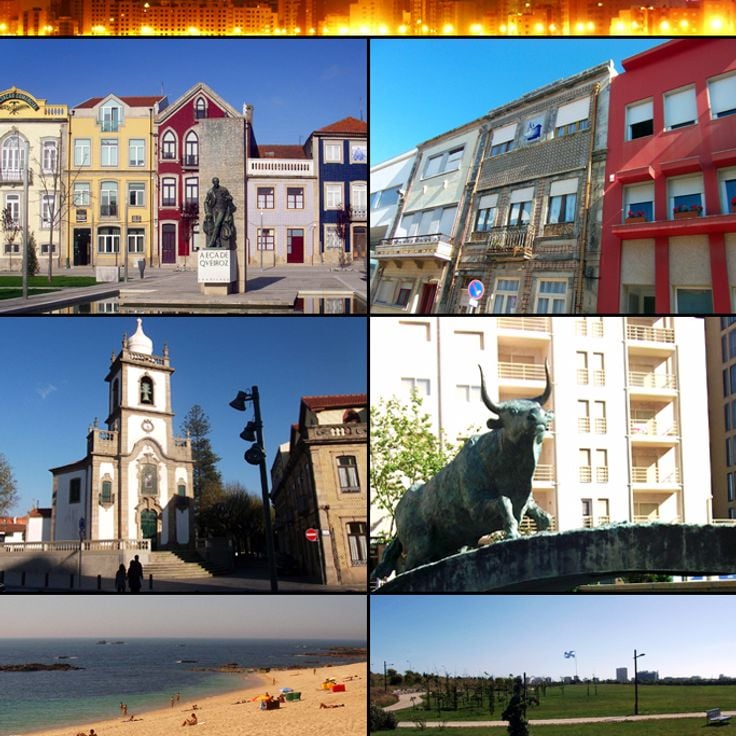
Póvoa de Varzim is a seaside resort on the Atlantic coast of northern Portugal. The town develops around a beach, a busy seafront promenade, and seasonal activities. It embodies the coastal character of the region, where sandy beaches and fishing traditions coexist. The pace of life here follows the rhythm of the coast, especially in summer when the promenade fills with visitors and the ocean shapes daily life.
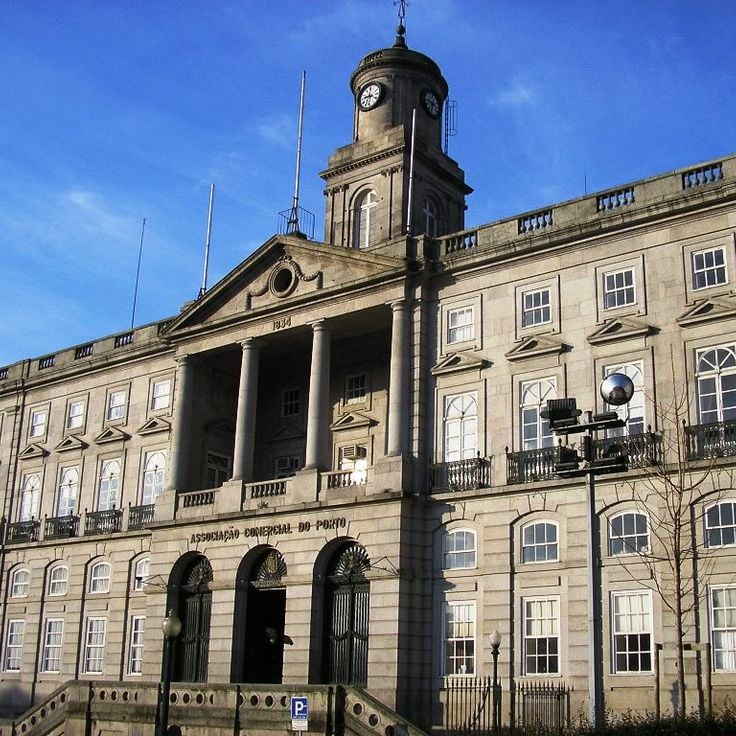
The Palácio da Bolsa in Porto is a former stock exchange building with elaborately decorated halls in the Romantic style. It reflects the architecture and wealth that Porto displayed during its time as a major trading center. Walking through the building, visitors move past detailed decorations, columns, and frescoes. The interior preserves the grandeur of that era, though today many rooms serve as exhibition and event spaces.
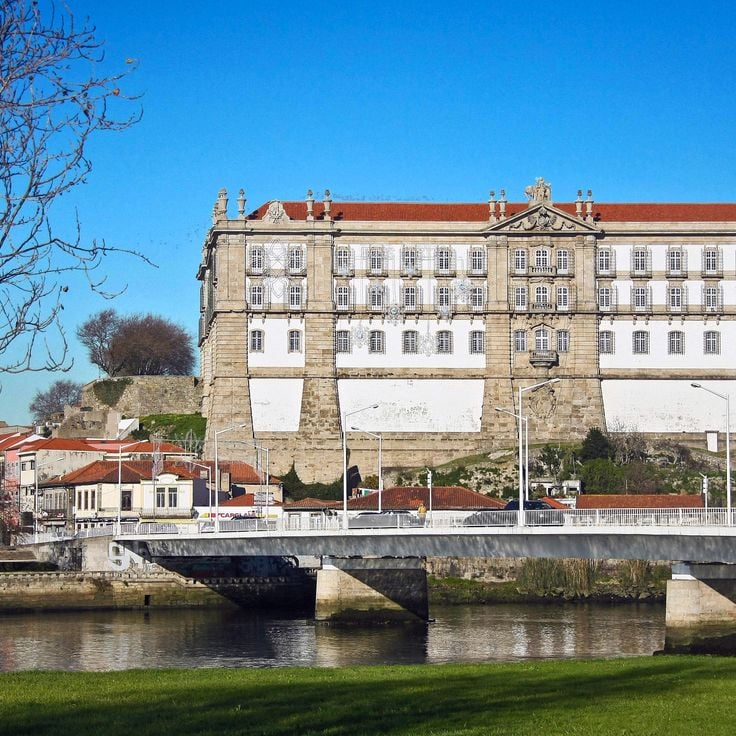
Vila do Conde is a coastal town with an old center perched on a hill and a beach facing the sea. This place connects the history of northern Portugal with the beauty of the Atlantic coast. The town has a long past as a port and shipbuilding center. Today, visitors walk through narrow streets, discover the church and monastery overlooking the harbor, and stroll along the beach where the water meets the houses.
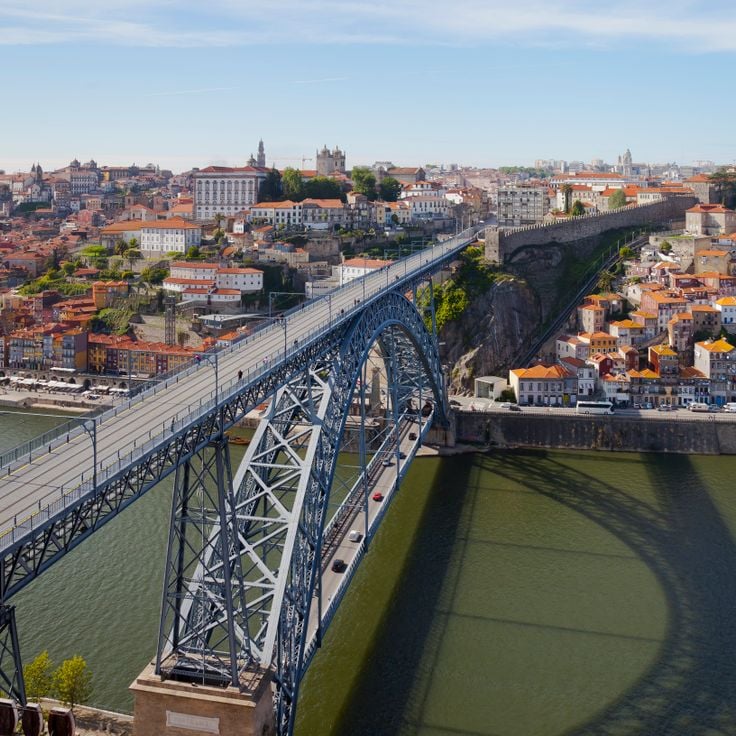
The Ponte Dom Luís I is a two-level iron bridge that connects Porto with Vila Nova de Gaia. Built in the late 1800s, it remains one of the city's most recognizable structures. The lower deck carries traffic and pedestrians, while the upper deck supports the metro line. From either level, you can see across the Douro River to Porto's historic center and the wine warehouses on the opposite shore. The bridge is a product of industrial design and links two districts that together form the city.
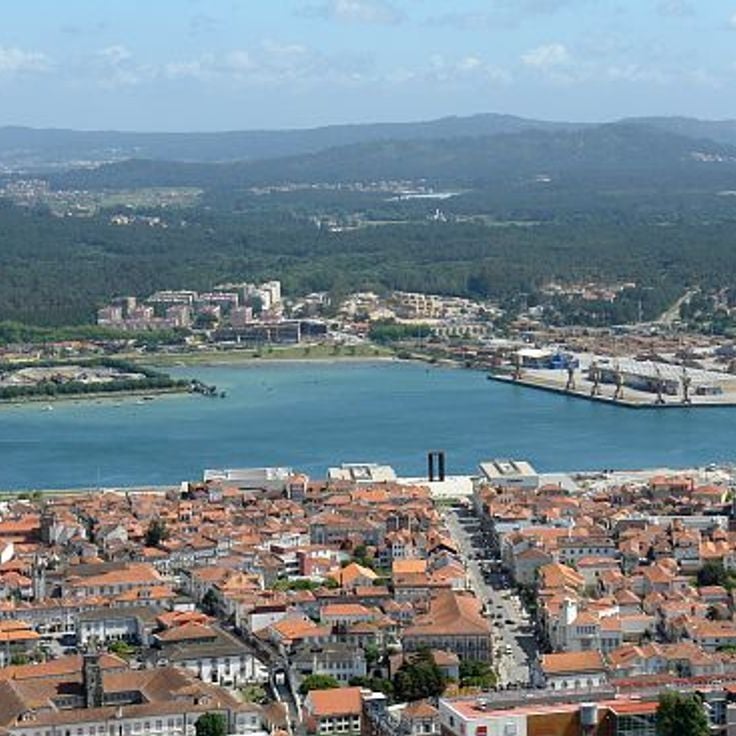
Viana do Castelo sits on the Atlantic coast and connects a historic center on the hill to an active riverfront along the Rio Lima. The city is part of Northern Portugal, a region shaped by ancient cities, vineyard valleys, and mountains. You will find churches and chapels that speak to a long past, as well as streets lined with traditional houses. The river's edge draws people who stroll or simply watch the light on the water. Being close to the coast makes Viana do Castelo a place where you can experience both the history of this region and the daily life of its people.
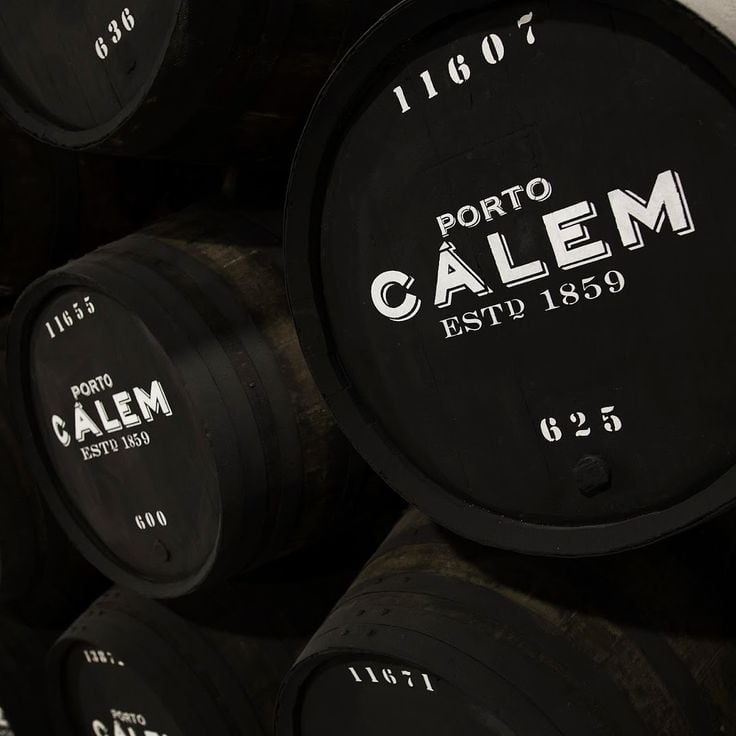
The port wine cellars of Vila Nova de Gaia are historic storage houses where port wine has aged for generations and continues to age today. Visitors walk through stone vaults lined with wooden barrels, learning how this distinctive wine is made and refined. Many cellars offer tastings where people can sample different vintages and discover the stories connected to each bottle. These cellars are central to the region's wine heritage and reveal how deeply port wine has shaped Porto's history and economy.
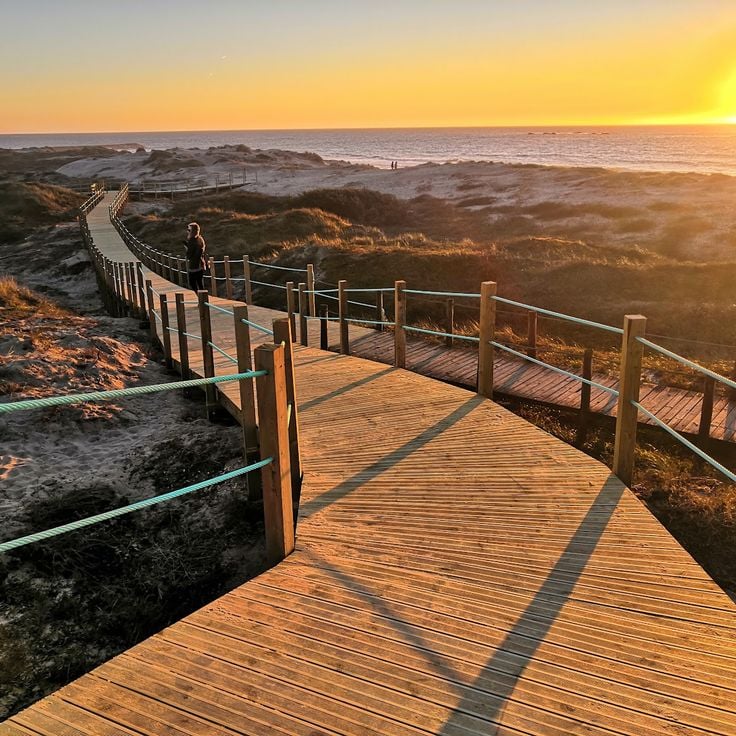
The Litoral Norte Natural Park at Esposende protects a coastal strip with dunes, lagoons and salt marshes. The area forms an ecological corridor along the Atlantic coast and connects different habitats that are important for migratory birds and local fishing. Gentle paths wind through the dune landscape, passing by birdwatching areas and small fishing villages that border the protected area.
Ribeira is the old heart of Porto along the Douro River. Houses stack closely together in narrow lanes, their facades painted in yellow, blue and pink. Small cafes and restaurants line the squares where locals and visitors gather. Above, the arches of the Dom Luís Bridge look down. The streets fill with activity, with shops selling crafts and traditional goods. At night, the river water reflects the glow from the windows.
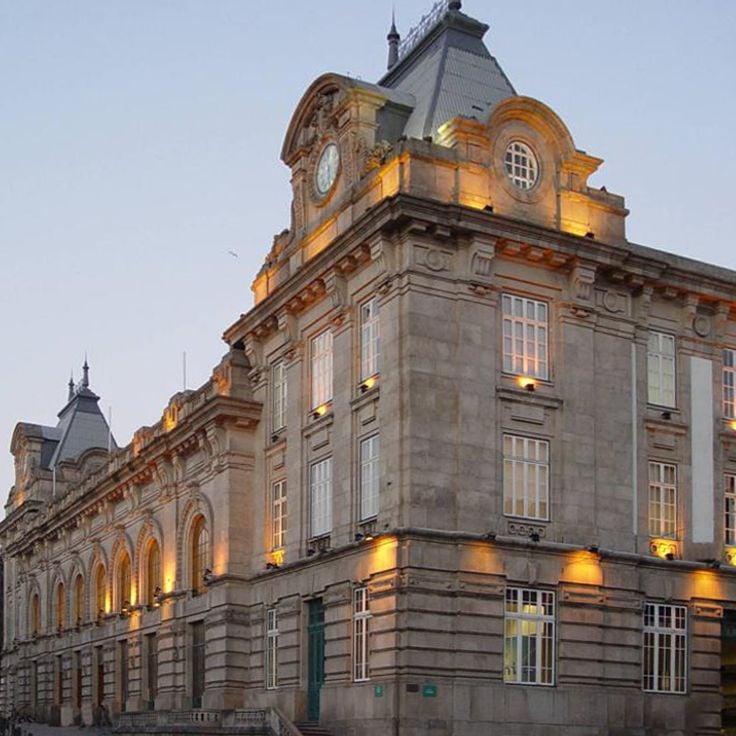
Sao Bento station sits at the heart of Porto and showcases the traditional Portuguese craft of azulejo tilework. The walls are covered with blue and white tiles that depict scenes from the region's history and daily life. The station has long served as a gateway for travelers arriving in Porto and connecting to other parts of the country. The building reflects the architectural style that defines Porto: historic, refined, and deeply rooted in local culture.
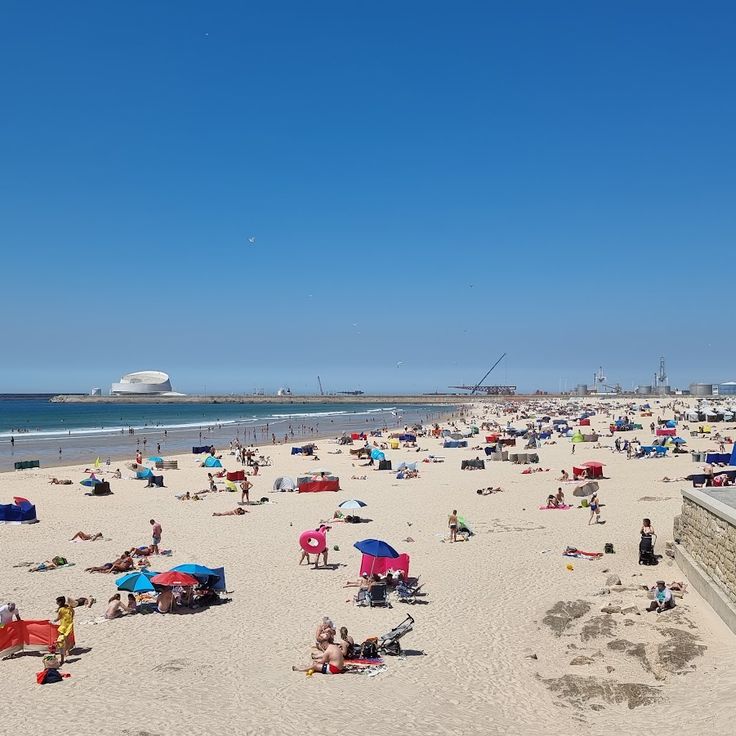
Matosinhos is a coastal town north of Porto where the beach and city meet. Here you find a wide sandy shore opening to the Atlantic and a lively promenade running along the coast. The restaurants in this place focus on seafood and fish delivered fresh daily. Fishermen and residents move between the harbor and the streets that run parallel to the beach. This location is part of Northern Portugal's region, shaped by ancient cities, river valleys with vineyards, and mountains that reach toward the Spanish border.
Guimarães is a medieval city that shaped Portuguese identity. Its historic center revolves around an old castle and a cobbled square, with narrow streets connecting stone buildings. The city holds Romanesque and Gothic churches, convents, and manor houses from different periods. Artisan workshops, small shops, and restaurants fill the old streets, and daily life moves at an unhurried pace. The old town is a UNESCO World Heritage site and is regarded as the birthplace of Portugal.
Caminha sits on the banks of the Minho River, marking the border between Portugal and Spain. The old town spreads through narrow streets lined with historic buildings and small squares where locals gather. The river port remains active, with fishing boats still departing from it. Churches from different periods shape the townscape. The landscape around is green and rolling, formed by the river and nearby hills. Caminha is part of a region marked by ancient cities, vineyards, and the Atlantic coast.
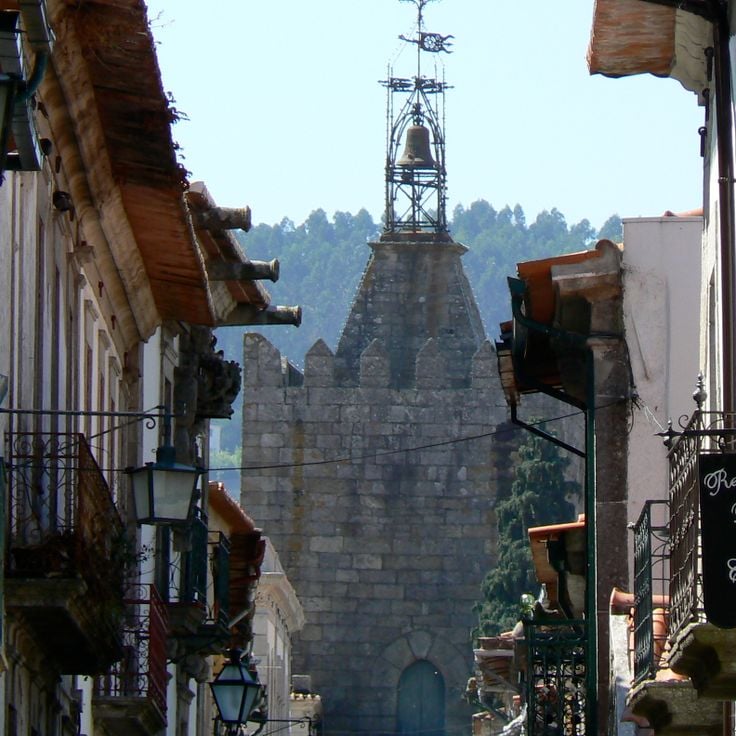
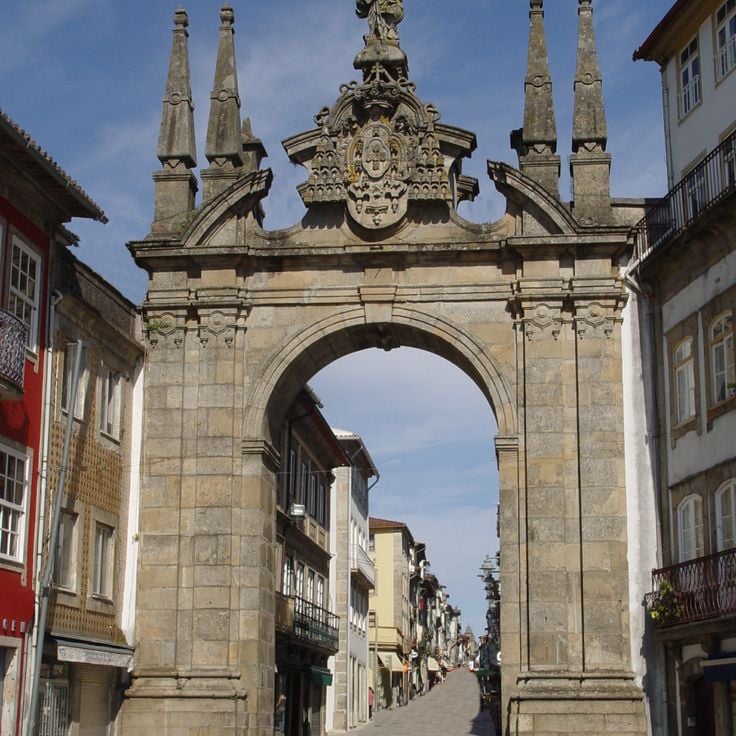
Braga is a city shaped by religious life. The old center consists of paved streets and medieval buildings. Churches and convents testify to the historical role this city played over centuries. You find sanctuaries and religious structures that define the urban landscape. The old town invites you to walk through its streets, passing facades from different periods and narrow alleyways.
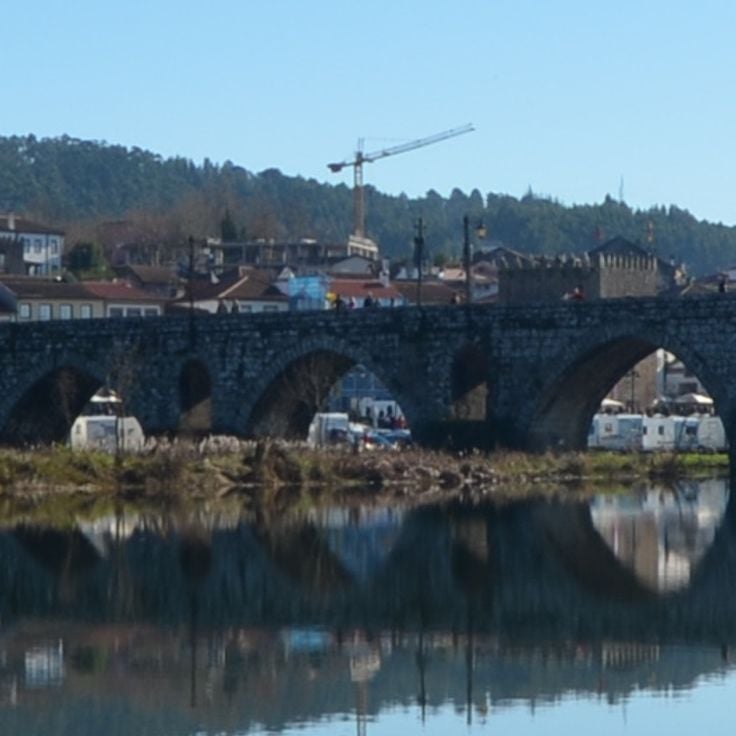
Ponte de Lima is a village arranged along its river, centered on an old stone bridge. The old town has paved streets, houses with overhanging upper floors, and small squares. Public gardens border the water, providing shade under mature trees. The river shapes daily life here, with traditional buildings and boat landings along the banks. The village retains the character of a small merchant town from past centuries.
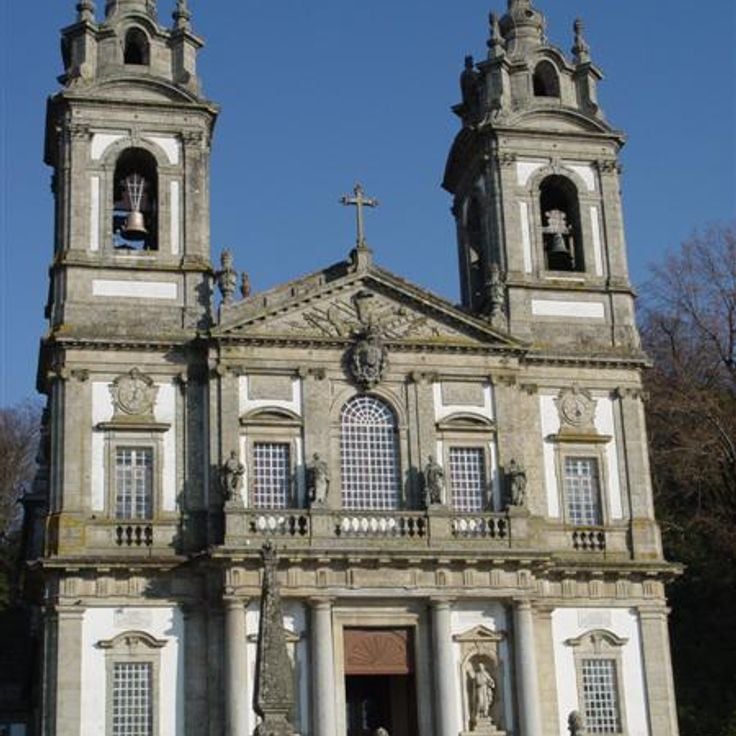
Bom Jesus do Monte sanctuary near Braga is a baroque pilgrimage center defined by its monumental staircase leading up the mountainside. The site blends religious devotion with architectural daring and has drawn pilgrims for centuries. The grand staircases are decorated with chapels, fountains, and sculptures depicting biblical scenes. A modern elevator allows visitors to avoid the climb, though many choose the traditional walk. From the top, visitors look out over the city of Braga and surrounding landscapes. The sanctuary shows how Portuguese baroque combines faith, nature, and craftsmanship.
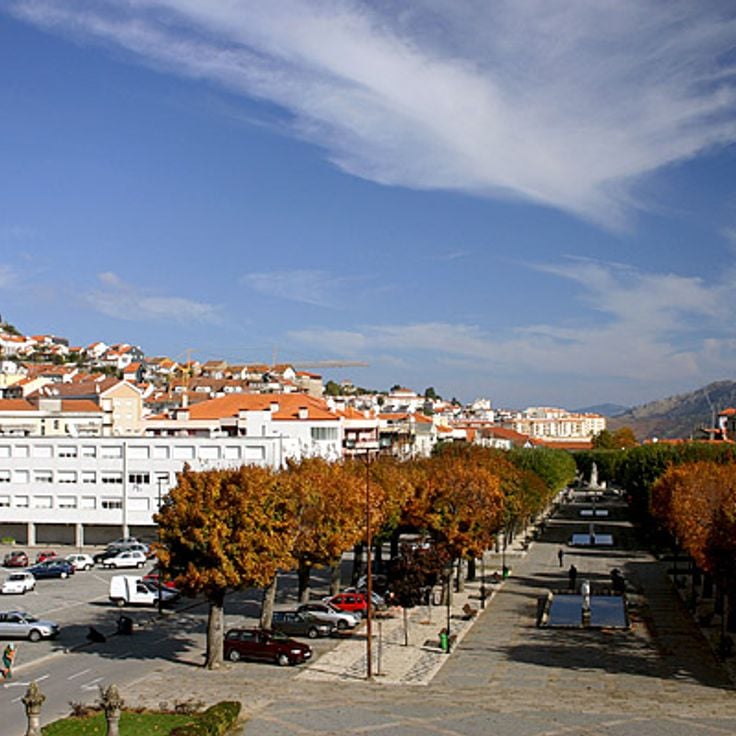
Lamego is a town crowned by a sanctuary that dominates the landscape from a hillside. The town displays baroque architecture in its streets and buildings. The sanctuary can be reached by long staircases that climb the slope. Within the town you find religious buildings, traditional houses and narrow streets that lead down toward the river. Lamego sits in the Douro Valley and is surrounded by vineyards.
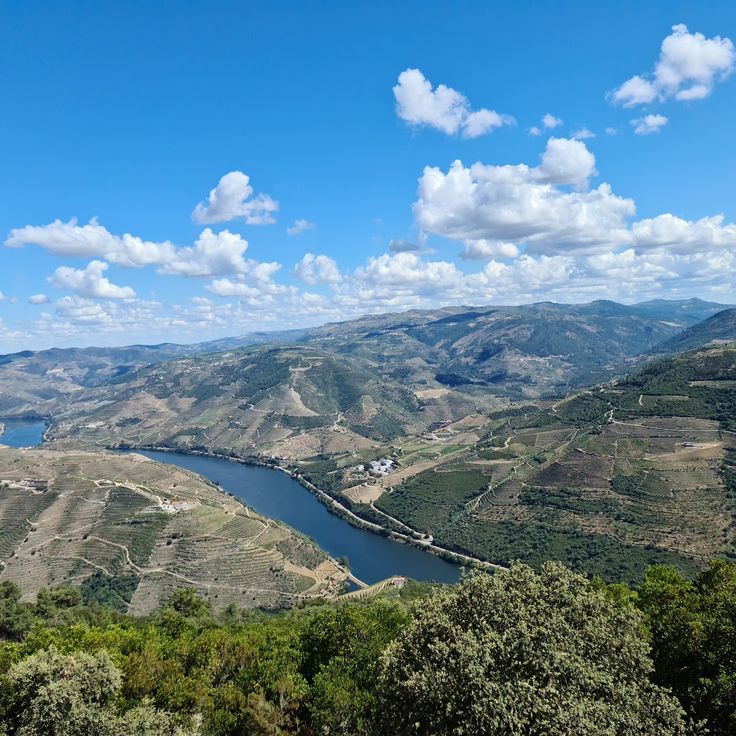
The Miradouro de Sao Leonardo da Galafura overlooks the Douro Valley with views of terraced vineyards that cascade down the hillsides. From this vantage point, visitors see the grapevines built on stone walls that define the valley and grasp the work that has gone into these vineyards for generations. The location allows you to understand how people have shaped the land to grow wine while preserving the landscape.
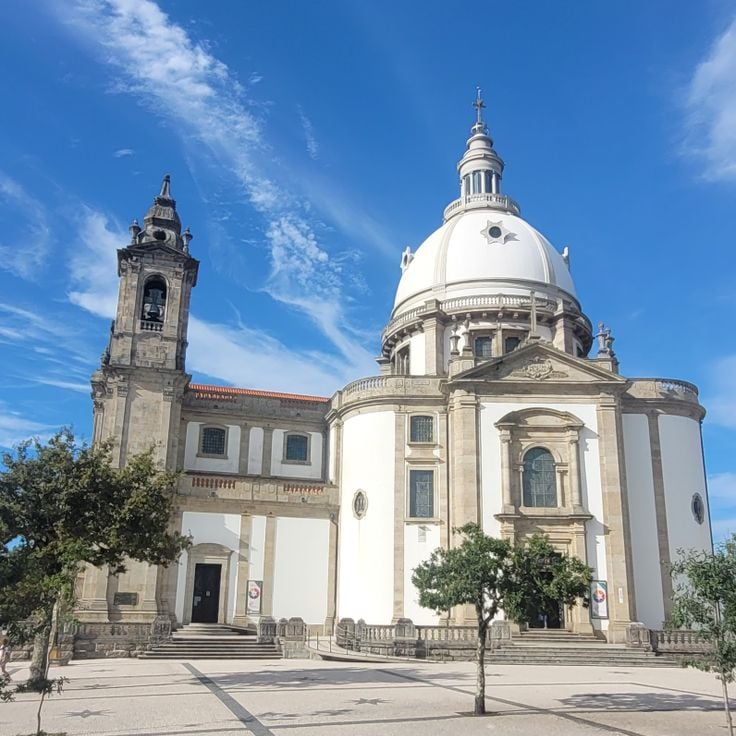
The Sameiro Sanctuary sits on a mountain overlooking Braga and offers a viewpoint across the city. It is one of the most important pilgrimage sites in northern Portugal, drawing visitors for both religious and sightseeing purposes. The site combines spirituality with wide views of the region's landscape.
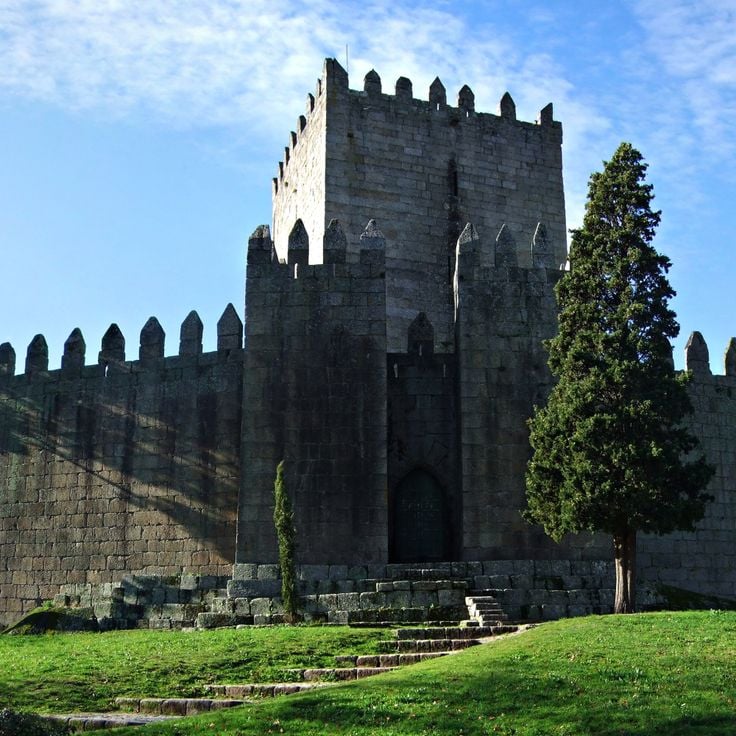
This castle in Guimarães dates to the 10th century and is a symbol of Portugal. The fortress has thick stone walls and ramparts that tower over the town. It shows how power was held in medieval times. The castle sits on a hill and defines the character of the ancient city below. Visitors walk through stone gates and see history in every corner. The fortress tells stories of warfare and how this region took shape.
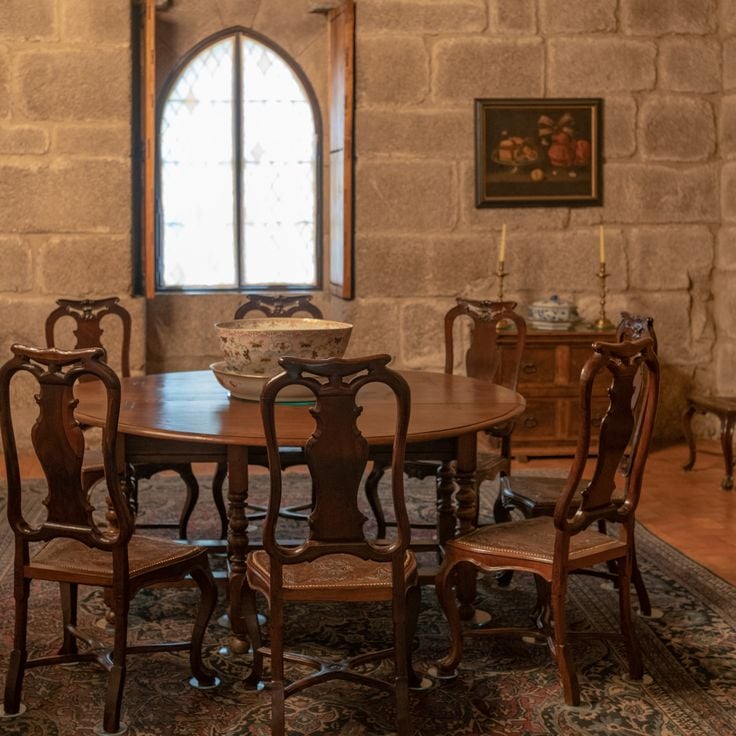
The Paco dos Duques de Braganca is a palace in Guimarães that represents the power of the Braganca noble family. The building displays late-Gothic architecture with red brick walls and towers that shape the town skyline. Inside, rooms contain furniture, paintings, and objects that reveal how the nobility lived. The halls and chambers reflect periods when these families held political authority over the region. The palace sits at the edge of the old town, standing apart from the medieval streets nearby.
Barcelos is a town in northern Portugal where traditional crafts remain part of daily life. The town is known for its markets, where you can find ceramics, textiles, and other handmade goods. The Barcelos rooster, a painted clay figure, has become a symbol of the town and its artistic heritage. Walking through the old town, you see cobbled streets and historic buildings that reflect the town's past importance. The Cávado River runs through Barcelos and shapes how people live and work there.
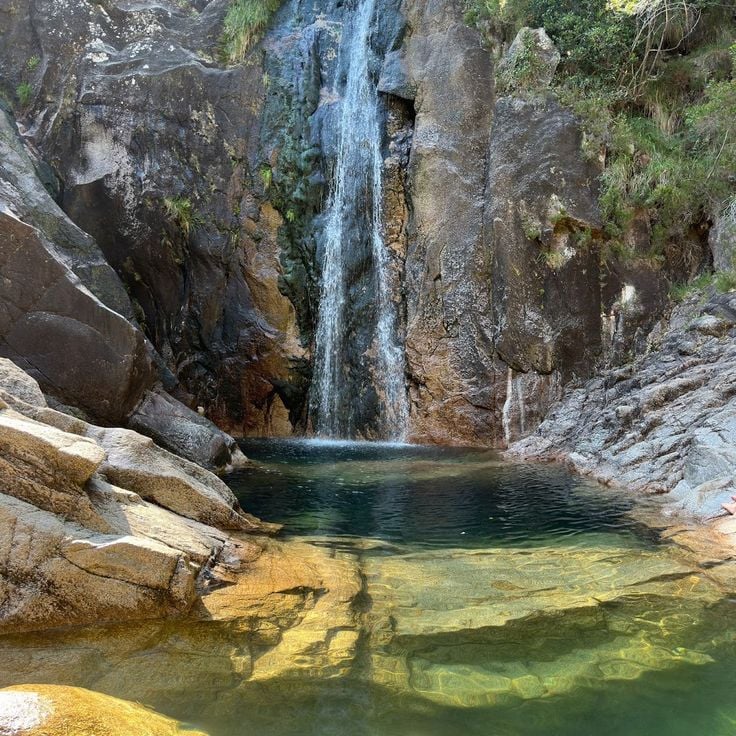
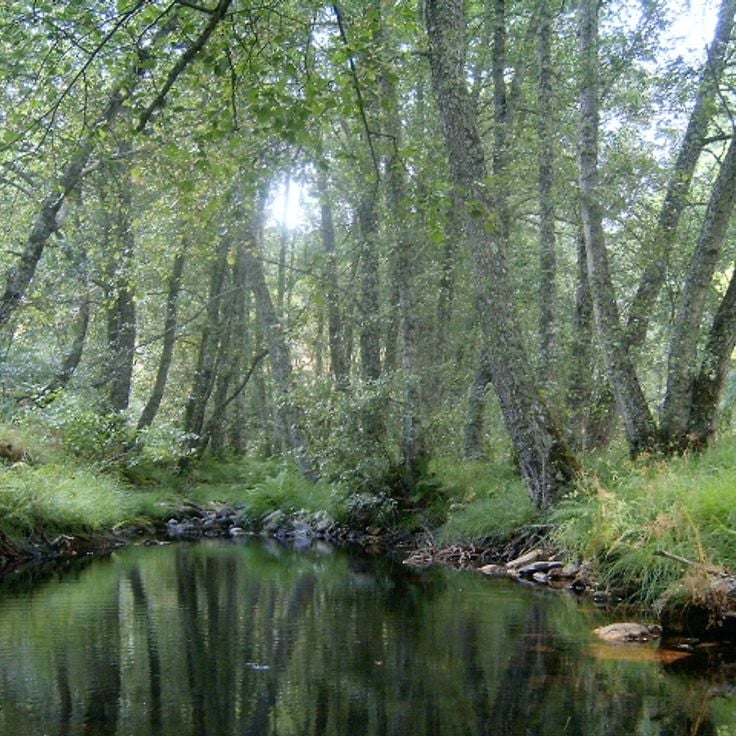
The Arado waterfall sits deep in the Gerês mountain range and can be reached by a short trail. This waterfall is part of a landscape shaped by dense forests and granite slopes. Water drops over dark rock faces and pools below in a cool basin. The path there winds through old trees and over stones worn smooth by countless hikers. This spot shows the natural character of the Peneda-Gerês mountains that rise in the north of Portugal.
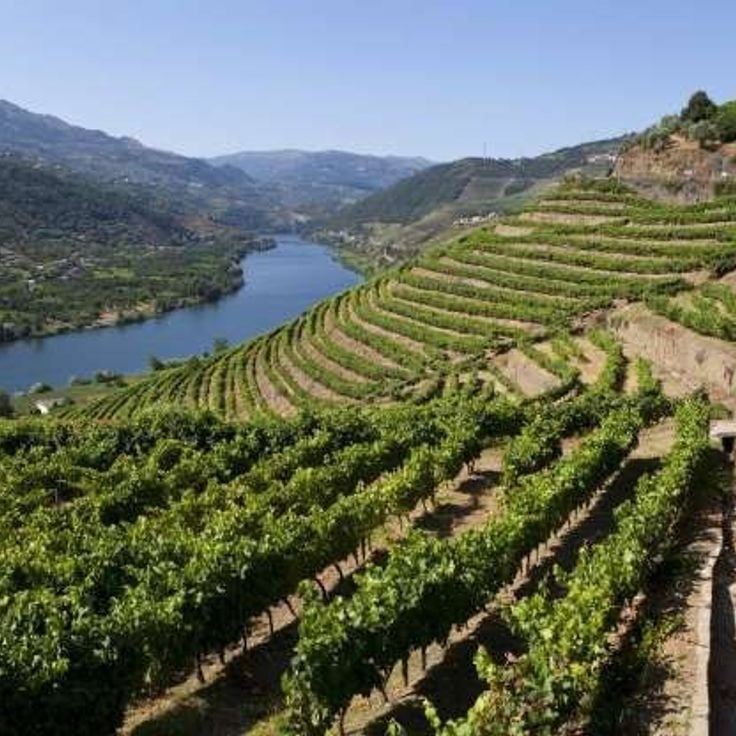
The Douro Valley is a UNESCO region in northern Portugal where vineyards cover hillsides in a pattern of terraces. The landscape was shaped by hand over centuries of careful work. Grapevines grow on steep slopes, and from above the valley looks like a mosaic of green and brown fields. The Douro River winds through the region, and from its banks you can see the vineyard terraces. Small stone villages dot the landscape. Wine production here follows traditions passed down through generations.
Peso da Régua sits in the Douro Valley and is the economic hub of wine production in the region. The city developed thanks to the river and the wine trade. Wine houses here offer visitors a chance to learn about how port wine is made and its history. From several viewpoints, you can see the terraced vineyards that climb the valley sides. Daily life in the city centers on wine and the Douro River, which shapes the entire landscape.
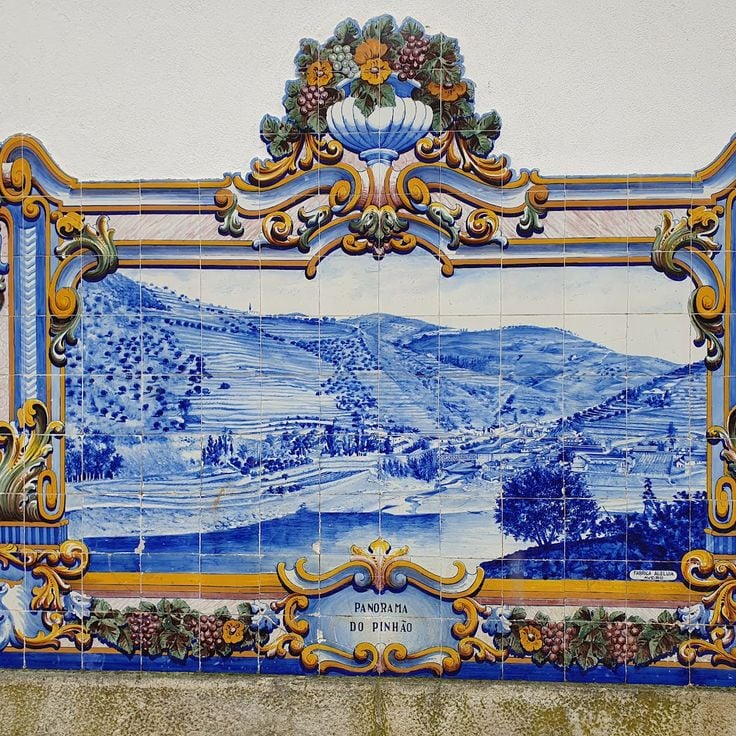
Pinhao railway station is decorated with blue azulejo tiles. The platforms offer views over the Douro River and the surrounding vineyards. Located in the heart of the Douro Valley, this station sits where the landscape transforms into terraced vineyards that cover the hillsides. It is a place where railway heritage and the natural beauty of the region meet.
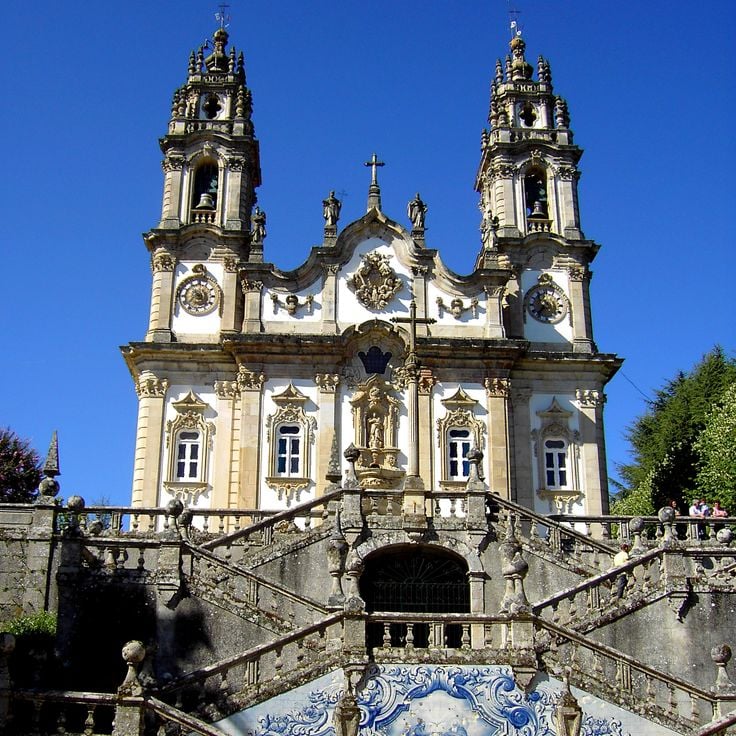
The Sanctuary of Nossa Senhora dos Remedios stands on a mountain above Lamego, reached by monumental staircases. From the top, you look out over the Douro valleys where vineyards cover the hillsides in terraces. Pilgrims have climbed these steps for centuries to visit the chapel at the summit. The staircases themselves are central to the experience, a gradual ascent toward the sacred site.
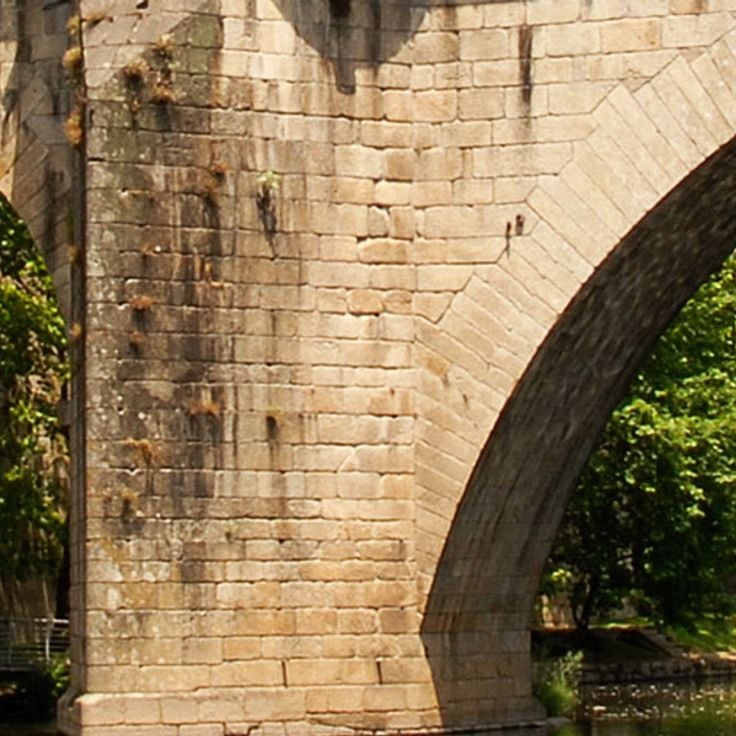
Amarante is a small town in northern Portugal built around a stone bridge that crosses the Tâmega River. The old town spreads along the riverbanks with narrow streets, traditional houses, and a church that reflects centuries of settlement. The river shapes daily life here - people cross the bridge on foot, boats pass below, and the banks serve as gathering places for locals and visitors.
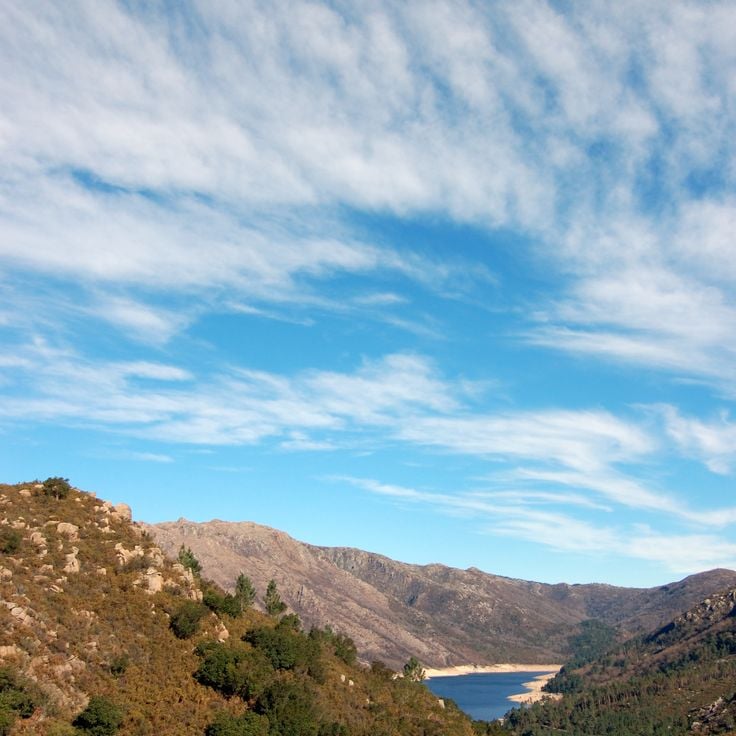
Peneda-Gerês National Park is Portugal's only national park. It spans forests, mountains and valleys with hiking trails of varying difficulty. Within the park are lakes, small granite villages and natural springs. The landscape changes between dense forests and open mountain ridges. Visitors encounter old traditions that remain alive in the mountain villages.
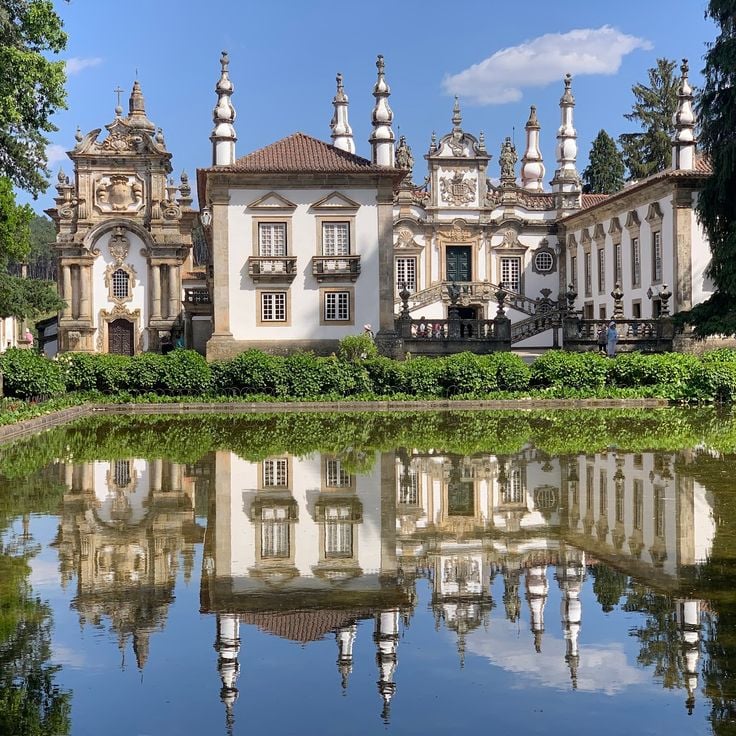
The Palacio de Mateus is a baroque manor house from the 18th century in Vila Real. The building displays refined architectural details characteristic of the period. Terraced gardens surround the house, with pathways leading through organized spaces and mature trees. This manor reflects how the Portuguese nobility lived and shaped their estates in this region of northern Portugal.
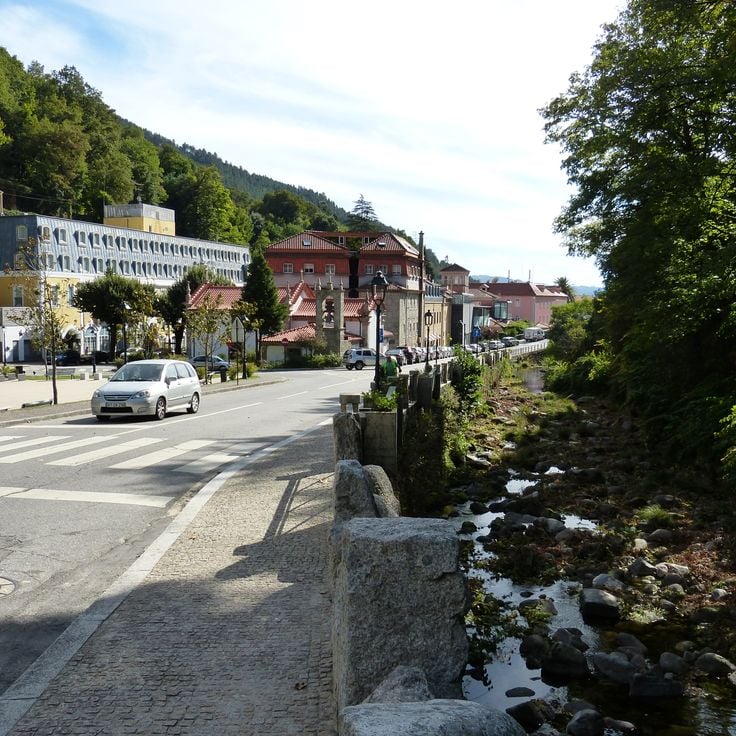
Caldas do Gerês is a mountain village at the entrance of Peneda-Gerês National Park, known for its thermal springs and tourist facilities. Located amid hiking trails, forests, and granite villages that characterize northern Portugal's interior, the village serves as a gateway for visitors exploring the park. The settlement retains the character of a traditional mountain community, with local crafts and simple restaurants reflecting the daily life of the region.
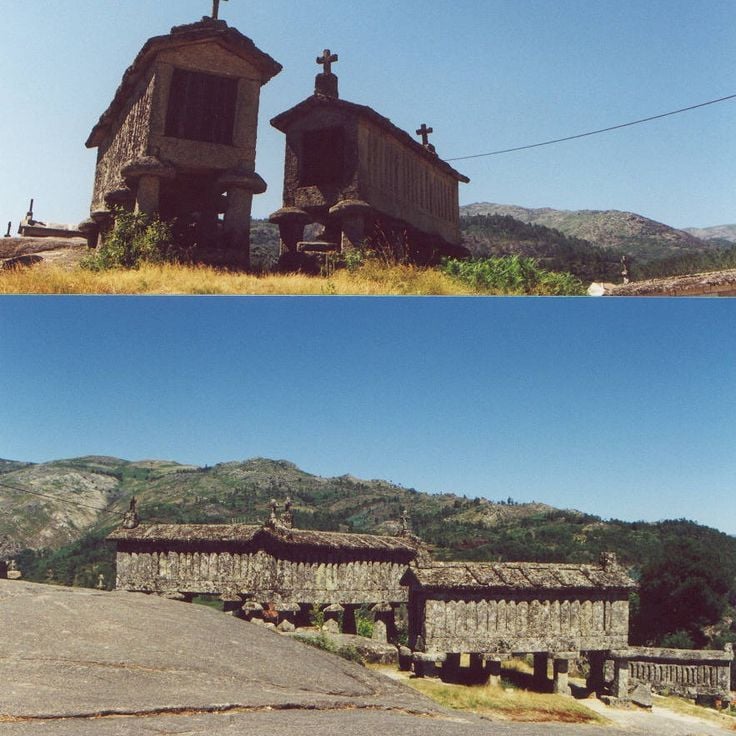
Soajo is a mountain village where traditional wooden granaries called espigueiros stand among the houses. These storage buildings show how people in this region have preserved their harvests for generations. The village sits in the mountains of northern Portugal, an area defined by vineyards, rivers, and rural traditions that remain part of everyday life.
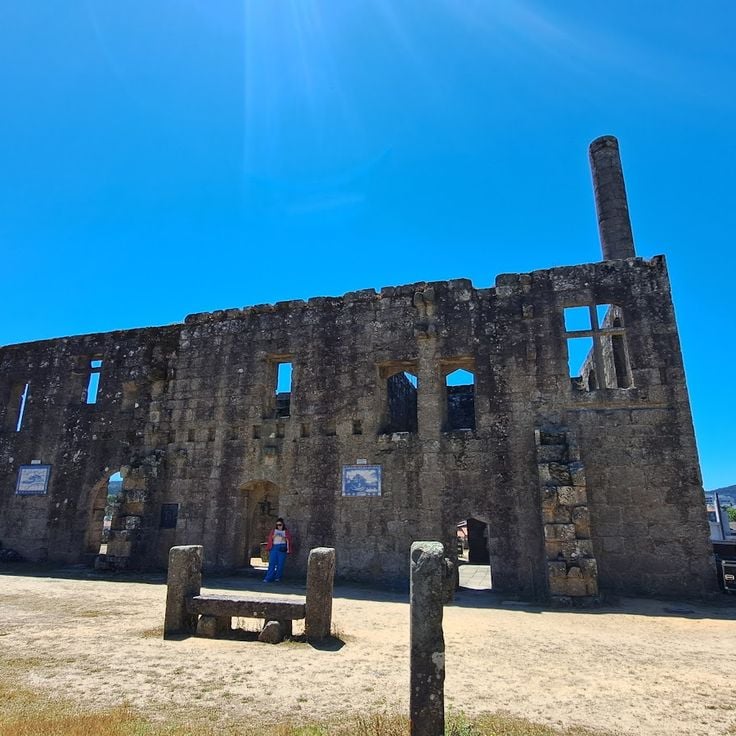
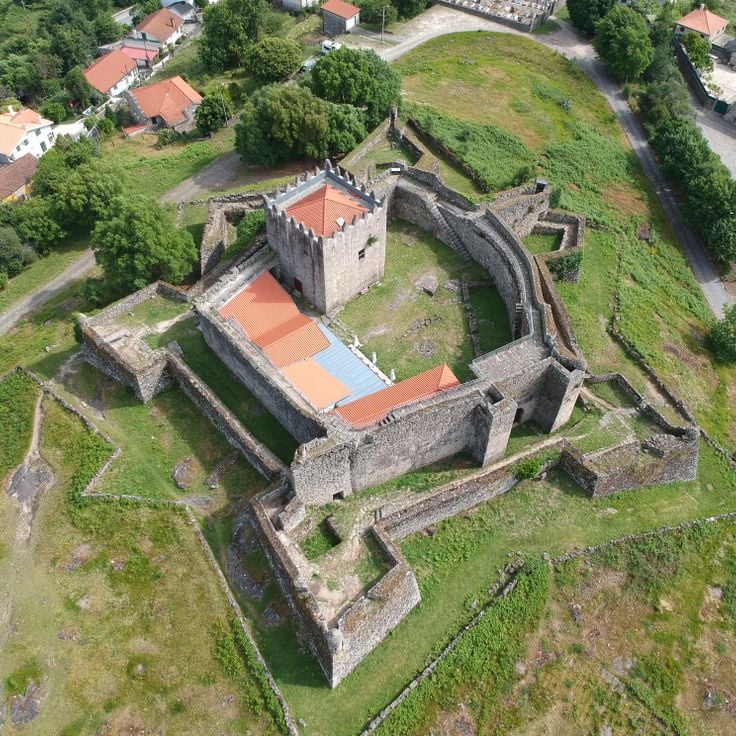
The Castle of Lindoso sits in a mountain village in northeastern Portugal, a remnant of medieval defense in this border region. The castle ruins tower above the village, which spreads across steep slopes. Among the old stone walls stand the characteristic Espigueiros - traditional granite corn storage buildings with pointed roofs - grouped together throughout the village. These structures, centuries old, reflect the rural way of life in this remote area. The village itself maintains its old rural architecture and sits in a region of mountain landscapes that extend toward the Spanish border.
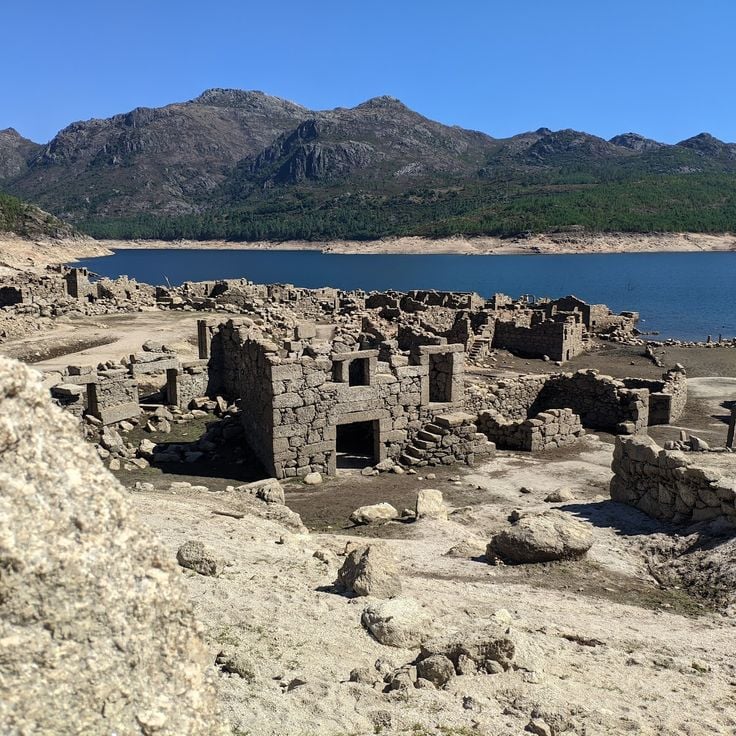
Vilarinho das Furnas is a small mountain village in the north of Portugal where life follows patterns established over centuries. Stone houses with narrow lanes form the core of the settlement, set within a landscape of forests and high ground. Hiking paths from the village lead through natural surroundings, passing lakes and ancient stone structures. Daily life here moves to rhythms connected to the land and to ways that remain part of local tradition.
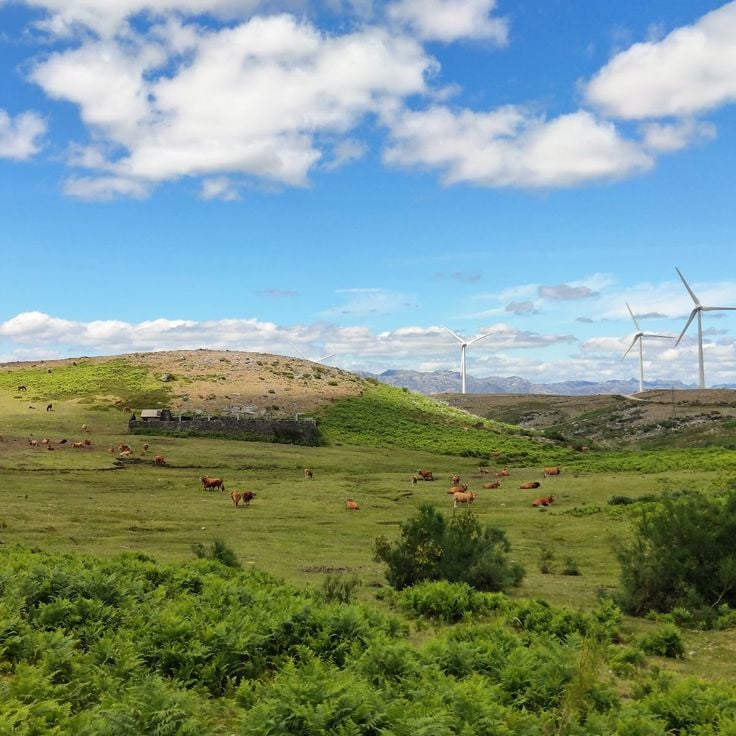
Montesinho Natural Park covers the landscape around Bragança in northeastern Portugal with forests, valleys, and farmland. This is where rural life continues as it has for generations: granite villages, herds of sheep and goats, forest paths running through valleys. The park sits in a region that sees fewer visitors than the coast or Porto, yet maintains its own rhythms and traditions. Oak and chestnut forests alternate with open areas where traditional farming shapes daily life.
Serra da Cabreira is a mountain range in northern Portugal that rises across this region of historic towns and Atlantic coastline. The range offers hiking paths that wind through forests and climb to heights where views open across valleys and villages below. Many people come to these mountains to escape the activity of cities like Porto and explore a quieter landscape.
Vila Real is in northeastern Portugal, part of a region filled with history, valleys shaped by vineyards, and mountains extending to the Spanish border. The city has an old center and historic gardens that have been carefully arranged. From here, visitors can explore the Douro valleys, which spread in terraces of vines, or venture into Peneda-Gerês National Park, where trails wind through forests, lakes, and granite villages.
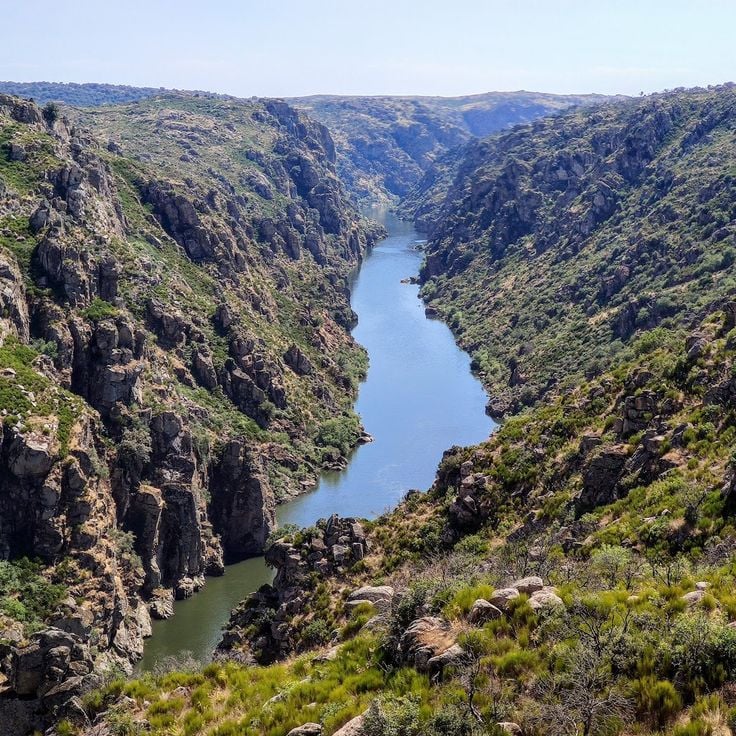
The Douro International is a deep river canyon where the Douro cuts through the Iberian Peninsula between Spain and Portugal. Steep rock walls rise from the water, creating a landscape that shifts as the river flows. Viewing points at the canyon's edge look down onto the river below and the towering cliffs. Few people visit this area, and it has kept its wild character. The Douro International sits in northern Portugal, a region known for its old cities, river valleys planted with vineyards, and mountains that extend toward the Spanish border.
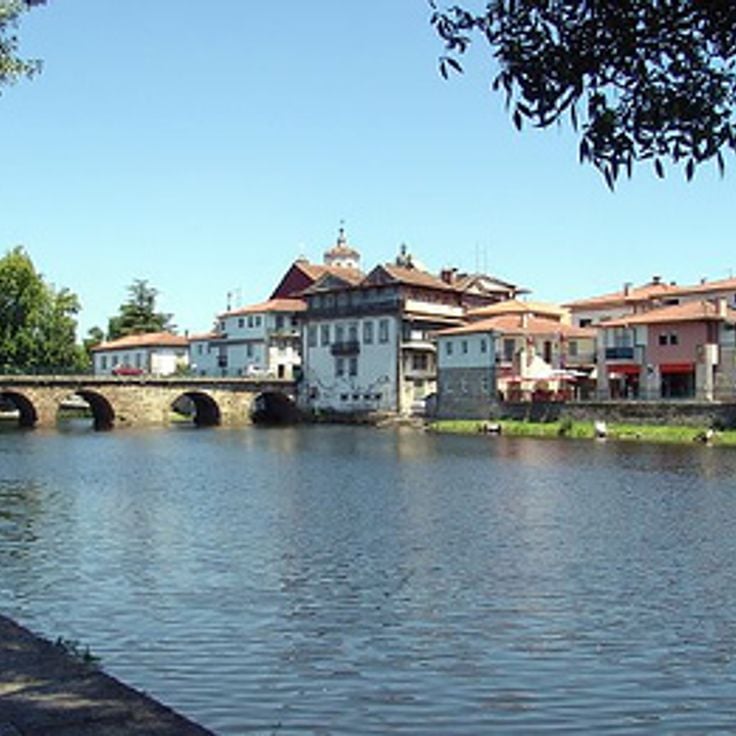
Chaves is an old city in northern Portugal, where the Tâmega River flows through. A Roman bridge crosses the river and has stood for many centuries. The city is known for its hot springs that rise from underground. In Chaves you will find narrow streets, ancient fortifications, and squares where daily life happens. The thermal springs draw visitors seeking their healing properties.
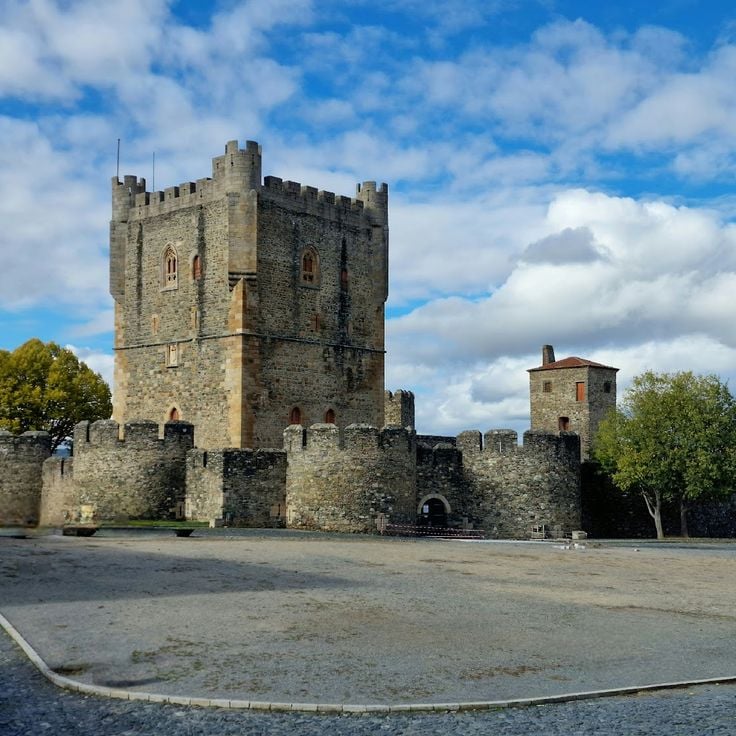
The Citadelle of Bragança is a medieval fortress in northeastern Portugal that stands high above the city. Its massive wall still encloses the old town center with houses and narrow streets. The fortress preserves the region's history and holds a museum with local art. From the towers, you can see across the surrounding landscape toward the Spanish border.
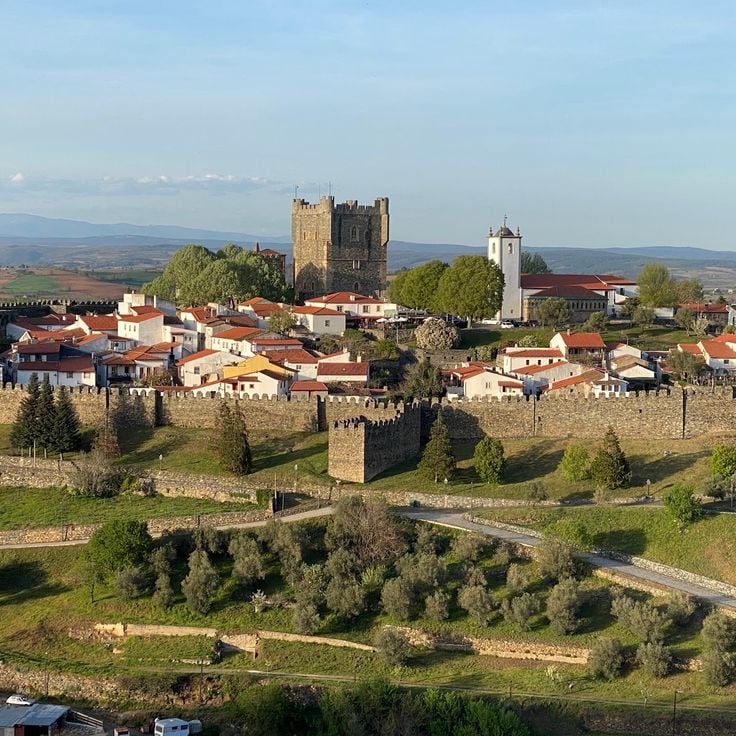
Bragança sits in the northeast with a medieval citadel perched on a hilltop. The old town spreads around this fortress through narrow streets lined with stone buildings. The citadel itself preserves its original structure with walls and towers that reveal how people defended their homes centuries ago. The castle Torre de Menagem, at the center of the fortification, rises above the rest of the town. Around the walls lie traditional houses and small squares where daily life unfolds. From here, the view reaches across the surrounding land toward the Spanish border.
Miranda do Douro is a town perched on a cliff overlooking the international Douro River at the Spanish border. Located in northeastern Portugal, where the region takes on its wildest form, the town rises above the river with old stone houses clinging to the hillside and narrow streets threading between traditional buildings. From the town's edge, you can look across the valley and see the border traced by the water. Miranda do Douro keeps a rural character and the way of life that has endured here for generations.
Porto is the heart of the north, sprawling down a slope toward the Douro River. Old streets are narrow and steep, filled with shops, cafes, and restaurants where residents and visitors mingle. Facades are covered with painted azulejo tiles and carved details. Iron bridges cross the river, and Baroque churches stand at the corners of squares. Down by the riverbank, you see the wine lodges where port wine ages, and from above, you watch boats moving on the water and valleys opening beyond.
The Monastery of Serra do Pilar stands on the opposite bank of the Douro River from Porto, offering sweeping views of the city and the river below. Its circular cloister is an architectural feature not found in many other Portuguese monasteries. Since 1996, this site has been part of the UNESCO World Heritage designation for Porto, making it both a spiritual and a historic landmark from which to observe the city's bridges and riverside architecture.
The gardens of Palacio de Cristal in Porto feature walking paths through planted areas with ponds and views toward the Douro River. Located in the heart of the city, these gardens sit where the urban landscape meets the river, offering a place where residents and visitors pause to observe the flow of daily life around them.
Livraria Lello in Porto is an old bookstore with Art Nouveau decorations and a distinctive staircase. It represents the commercial culture that has developed in the city for centuries along the Douro River. This bookstore is among the older commercial spaces in Porto that preserve the region's heritage.
The Foz do Douro is the mouth of the Douro River in Porto, where the river meets the Atlantic Ocean. A waterfront promenade runs along the shore with cafes and restaurants offering views of the sea. The beach stretches beside the water, and locals and visitors gather to watch the boats and the horizon. Where the ocean waves meet the river's final stretch, the place has an open, relaxed feel that contrasts with the compact old city above.
The Cathedral Se do Porto is a Romanesque church from the 12th century that watches over Porto from a hilltop. With its thick walls and fortress-like appearance, it has shaped the city's look for centuries. Inside, you find baroque decorations and historical details that speak to the building's religious importance. The cathedral sits in the old city, where narrow streets climb up to its gates. From there, you can see the city spreading below, the bridges, and the Douro River flowing through the valley.
Torre dos Clerigos is a Baroque tower from the 18th century rising in Porto. From its top, visitors can look out over the city as it descends toward the Douro River, with its iron bridges, Baroque churches, and commercial streets where centuries-old bookstores and stations decorated with azulejos tiles stand.
The Sanctuary of Santa Luzia in Viana do Castelo rises on a hill above the city and overlooks the coast. The basilica has a white facade and broad staircases that climb from the city. From the top, you can see the city, the Lima River, and the Atlantic coast. Visitors can walk or take the funicular. This place shows how faith and landscape have shaped northern Portugal for centuries.
Póvoa de Varzim is a seaside resort on the Atlantic coast of northern Portugal. The town develops around a beach, a busy seafront promenade, and seasonal activities. It embodies the coastal character of the region, where sandy beaches and fishing traditions coexist. The pace of life here follows the rhythm of the coast, especially in summer when the promenade fills with visitors and the ocean shapes daily life.
The Palácio da Bolsa in Porto is a former stock exchange building with elaborately decorated halls in the Romantic style. It reflects the architecture and wealth that Porto displayed during its time as a major trading center. Walking through the building, visitors move past detailed decorations, columns, and frescoes. The interior preserves the grandeur of that era, though today many rooms serve as exhibition and event spaces.
Vila do Conde is a coastal town with an old center perched on a hill and a beach facing the sea. This place connects the history of northern Portugal with the beauty of the Atlantic coast. The town has a long past as a port and shipbuilding center. Today, visitors walk through narrow streets, discover the church and monastery overlooking the harbor, and stroll along the beach where the water meets the houses.
The Ponte Dom Luís I is a two-level iron bridge that connects Porto with Vila Nova de Gaia. Built in the late 1800s, it remains one of the city's most recognizable structures. The lower deck carries traffic and pedestrians, while the upper deck supports the metro line. From either level, you can see across the Douro River to Porto's historic center and the wine warehouses on the opposite shore. The bridge is a product of industrial design and links two districts that together form the city.
Viana do Castelo sits on the Atlantic coast and connects a historic center on the hill to an active riverfront along the Rio Lima. The city is part of Northern Portugal, a region shaped by ancient cities, vineyard valleys, and mountains. You will find churches and chapels that speak to a long past, as well as streets lined with traditional houses. The river's edge draws people who stroll or simply watch the light on the water. Being close to the coast makes Viana do Castelo a place where you can experience both the history of this region and the daily life of its people.
The port wine cellars of Vila Nova de Gaia are historic storage houses where port wine has aged for generations and continues to age today. Visitors walk through stone vaults lined with wooden barrels, learning how this distinctive wine is made and refined. Many cellars offer tastings where people can sample different vintages and discover the stories connected to each bottle. These cellars are central to the region's wine heritage and reveal how deeply port wine has shaped Porto's history and economy.
The Litoral Norte Natural Park at Esposende protects a coastal strip with dunes, lagoons and salt marshes. The area forms an ecological corridor along the Atlantic coast and connects different habitats that are important for migratory birds and local fishing. Gentle paths wind through the dune landscape, passing by birdwatching areas and small fishing villages that border the protected area.
Ribeira is the old heart of Porto along the Douro River. Houses stack closely together in narrow lanes, their facades painted in yellow, blue and pink. Small cafes and restaurants line the squares where locals and visitors gather. Above, the arches of the Dom Luís Bridge look down. The streets fill with activity, with shops selling crafts and traditional goods. At night, the river water reflects the glow from the windows.
Sao Bento station sits at the heart of Porto and showcases the traditional Portuguese craft of azulejo tilework. The walls are covered with blue and white tiles that depict scenes from the region's history and daily life. The station has long served as a gateway for travelers arriving in Porto and connecting to other parts of the country. The building reflects the architectural style that defines Porto: historic, refined, and deeply rooted in local culture.
Matosinhos is a coastal town north of Porto where the beach and city meet. Here you find a wide sandy shore opening to the Atlantic and a lively promenade running along the coast. The restaurants in this place focus on seafood and fish delivered fresh daily. Fishermen and residents move between the harbor and the streets that run parallel to the beach. This location is part of Northern Portugal's region, shaped by ancient cities, river valleys with vineyards, and mountains that reach toward the Spanish border.
Guimarães is a medieval city that shaped Portuguese identity. Its historic center revolves around an old castle and a cobbled square, with narrow streets connecting stone buildings. The city holds Romanesque and Gothic churches, convents, and manor houses from different periods. Artisan workshops, small shops, and restaurants fill the old streets, and daily life moves at an unhurried pace. The old town is a UNESCO World Heritage site and is regarded as the birthplace of Portugal.
Caminha sits on the banks of the Minho River, marking the border between Portugal and Spain. The old town spreads through narrow streets lined with historic buildings and small squares where locals gather. The river port remains active, with fishing boats still departing from it. Churches from different periods shape the townscape. The landscape around is green and rolling, formed by the river and nearby hills. Caminha is part of a region marked by ancient cities, vineyards, and the Atlantic coast.
Braga is a city shaped by religious life. The old center consists of paved streets and medieval buildings. Churches and convents testify to the historical role this city played over centuries. You find sanctuaries and religious structures that define the urban landscape. The old town invites you to walk through its streets, passing facades from different periods and narrow alleyways.
Ponte de Lima is a village arranged along its river, centered on an old stone bridge. The old town has paved streets, houses with overhanging upper floors, and small squares. Public gardens border the water, providing shade under mature trees. The river shapes daily life here, with traditional buildings and boat landings along the banks. The village retains the character of a small merchant town from past centuries.
Bom Jesus do Monte sanctuary near Braga is a baroque pilgrimage center defined by its monumental staircase leading up the mountainside. The site blends religious devotion with architectural daring and has drawn pilgrims for centuries. The grand staircases are decorated with chapels, fountains, and sculptures depicting biblical scenes. A modern elevator allows visitors to avoid the climb, though many choose the traditional walk. From the top, visitors look out over the city of Braga and surrounding landscapes. The sanctuary shows how Portuguese baroque combines faith, nature, and craftsmanship.
Lamego is a town crowned by a sanctuary that dominates the landscape from a hillside. The town displays baroque architecture in its streets and buildings. The sanctuary can be reached by long staircases that climb the slope. Within the town you find religious buildings, traditional houses and narrow streets that lead down toward the river. Lamego sits in the Douro Valley and is surrounded by vineyards.
The Miradouro de Sao Leonardo da Galafura overlooks the Douro Valley with views of terraced vineyards that cascade down the hillsides. From this vantage point, visitors see the grapevines built on stone walls that define the valley and grasp the work that has gone into these vineyards for generations. The location allows you to understand how people have shaped the land to grow wine while preserving the landscape.
The Sameiro Sanctuary sits on a mountain overlooking Braga and offers a viewpoint across the city. It is one of the most important pilgrimage sites in northern Portugal, drawing visitors for both religious and sightseeing purposes. The site combines spirituality with wide views of the region's landscape.
This castle in Guimarães dates to the 10th century and is a symbol of Portugal. The fortress has thick stone walls and ramparts that tower over the town. It shows how power was held in medieval times. The castle sits on a hill and defines the character of the ancient city below. Visitors walk through stone gates and see history in every corner. The fortress tells stories of warfare and how this region took shape.
The Paco dos Duques de Braganca is a palace in Guimarães that represents the power of the Braganca noble family. The building displays late-Gothic architecture with red brick walls and towers that shape the town skyline. Inside, rooms contain furniture, paintings, and objects that reveal how the nobility lived. The halls and chambers reflect periods when these families held political authority over the region. The palace sits at the edge of the old town, standing apart from the medieval streets nearby.
Barcelos is a town in northern Portugal where traditional crafts remain part of daily life. The town is known for its markets, where you can find ceramics, textiles, and other handmade goods. The Barcelos rooster, a painted clay figure, has become a symbol of the town and its artistic heritage. Walking through the old town, you see cobbled streets and historic buildings that reflect the town's past importance. The Cávado River runs through Barcelos and shapes how people live and work there.
The Arado waterfall sits deep in the Gerês mountain range and can be reached by a short trail. This waterfall is part of a landscape shaped by dense forests and granite slopes. Water drops over dark rock faces and pools below in a cool basin. The path there winds through old trees and over stones worn smooth by countless hikers. This spot shows the natural character of the Peneda-Gerês mountains that rise in the north of Portugal.
The Douro Valley is a UNESCO region in northern Portugal where vineyards cover hillsides in a pattern of terraces. The landscape was shaped by hand over centuries of careful work. Grapevines grow on steep slopes, and from above the valley looks like a mosaic of green and brown fields. The Douro River winds through the region, and from its banks you can see the vineyard terraces. Small stone villages dot the landscape. Wine production here follows traditions passed down through generations.
Peso da Régua sits in the Douro Valley and is the economic hub of wine production in the region. The city developed thanks to the river and the wine trade. Wine houses here offer visitors a chance to learn about how port wine is made and its history. From several viewpoints, you can see the terraced vineyards that climb the valley sides. Daily life in the city centers on wine and the Douro River, which shapes the entire landscape.
Pinhao railway station is decorated with blue azulejo tiles. The platforms offer views over the Douro River and the surrounding vineyards. Located in the heart of the Douro Valley, this station sits where the landscape transforms into terraced vineyards that cover the hillsides. It is a place where railway heritage and the natural beauty of the region meet.
The Sanctuary of Nossa Senhora dos Remedios stands on a mountain above Lamego, reached by monumental staircases. From the top, you look out over the Douro valleys where vineyards cover the hillsides in terraces. Pilgrims have climbed these steps for centuries to visit the chapel at the summit. The staircases themselves are central to the experience, a gradual ascent toward the sacred site.
Amarante is a small town in northern Portugal built around a stone bridge that crosses the Tâmega River. The old town spreads along the riverbanks with narrow streets, traditional houses, and a church that reflects centuries of settlement. The river shapes daily life here - people cross the bridge on foot, boats pass below, and the banks serve as gathering places for locals and visitors.
Peneda-Gerês National Park is Portugal's only national park. It spans forests, mountains and valleys with hiking trails of varying difficulty. Within the park are lakes, small granite villages and natural springs. The landscape changes between dense forests and open mountain ridges. Visitors encounter old traditions that remain alive in the mountain villages.
The Palacio de Mateus is a baroque manor house from the 18th century in Vila Real. The building displays refined architectural details characteristic of the period. Terraced gardens surround the house, with pathways leading through organized spaces and mature trees. This manor reflects how the Portuguese nobility lived and shaped their estates in this region of northern Portugal.
Caldas do Gerês is a mountain village at the entrance of Peneda-Gerês National Park, known for its thermal springs and tourist facilities. Located amid hiking trails, forests, and granite villages that characterize northern Portugal's interior, the village serves as a gateway for visitors exploring the park. The settlement retains the character of a traditional mountain community, with local crafts and simple restaurants reflecting the daily life of the region.
Soajo is a mountain village where traditional wooden granaries called espigueiros stand among the houses. These storage buildings show how people in this region have preserved their harvests for generations. The village sits in the mountains of northern Portugal, an area defined by vineyards, rivers, and rural traditions that remain part of everyday life.
The Castle of Lindoso sits in a mountain village in northeastern Portugal, a remnant of medieval defense in this border region. The castle ruins tower above the village, which spreads across steep slopes. Among the old stone walls stand the characteristic Espigueiros - traditional granite corn storage buildings with pointed roofs - grouped together throughout the village. These structures, centuries old, reflect the rural way of life in this remote area. The village itself maintains its old rural architecture and sits in a region of mountain landscapes that extend toward the Spanish border.
Vilarinho das Furnas is a small mountain village in the north of Portugal where life follows patterns established over centuries. Stone houses with narrow lanes form the core of the settlement, set within a landscape of forests and high ground. Hiking paths from the village lead through natural surroundings, passing lakes and ancient stone structures. Daily life here moves to rhythms connected to the land and to ways that remain part of local tradition.
Montesinho Natural Park covers the landscape around Bragança in northeastern Portugal with forests, valleys, and farmland. This is where rural life continues as it has for generations: granite villages, herds of sheep and goats, forest paths running through valleys. The park sits in a region that sees fewer visitors than the coast or Porto, yet maintains its own rhythms and traditions. Oak and chestnut forests alternate with open areas where traditional farming shapes daily life.
Serra da Cabreira is a mountain range in northern Portugal that rises across this region of historic towns and Atlantic coastline. The range offers hiking paths that wind through forests and climb to heights where views open across valleys and villages below. Many people come to these mountains to escape the activity of cities like Porto and explore a quieter landscape.
Vila Real is in northeastern Portugal, part of a region filled with history, valleys shaped by vineyards, and mountains extending to the Spanish border. The city has an old center and historic gardens that have been carefully arranged. From here, visitors can explore the Douro valleys, which spread in terraces of vines, or venture into Peneda-Gerês National Park, where trails wind through forests, lakes, and granite villages.
The Douro International is a deep river canyon where the Douro cuts through the Iberian Peninsula between Spain and Portugal. Steep rock walls rise from the water, creating a landscape that shifts as the river flows. Viewing points at the canyon's edge look down onto the river below and the towering cliffs. Few people visit this area, and it has kept its wild character. The Douro International sits in northern Portugal, a region known for its old cities, river valleys planted with vineyards, and mountains that extend toward the Spanish border.
Chaves is an old city in northern Portugal, where the Tâmega River flows through. A Roman bridge crosses the river and has stood for many centuries. The city is known for its hot springs that rise from underground. In Chaves you will find narrow streets, ancient fortifications, and squares where daily life happens. The thermal springs draw visitors seeking their healing properties.
The Citadelle of Bragança is a medieval fortress in northeastern Portugal that stands high above the city. Its massive wall still encloses the old town center with houses and narrow streets. The fortress preserves the region's history and holds a museum with local art. From the towers, you can see across the surrounding landscape toward the Spanish border.
Bragança sits in the northeast with a medieval citadel perched on a hilltop. The old town spreads around this fortress through narrow streets lined with stone buildings. The citadel itself preserves its original structure with walls and towers that reveal how people defended their homes centuries ago. The castle Torre de Menagem, at the center of the fortification, rises above the rest of the town. Around the walls lie traditional houses and small squares where daily life unfolds. From here, the view reaches across the surrounding land toward the Spanish border.
Miranda do Douro is a town perched on a cliff overlooking the international Douro River at the Spanish border. Located in northeastern Portugal, where the region takes on its wildest form, the town rises above the river with old stone houses clinging to the hillside and narrow streets threading between traditional buildings. From the town's edge, you can look across the valley and see the border traced by the water. Miranda do Douro keeps a rural character and the way of life that has endured here for generations.
Porto is the heart of the north, sprawling down a slope toward the Douro River. Old streets are narrow and steep, filled with shops, cafes, and restaurants where residents and visitors mingle. Facades are covered with painted azulejo tiles and carved details. Iron bridges cross the river, and Baroque churches stand at the corners of squares. Down by the riverbank, you see the wine lodges where port wine ages, and from above, you watch boats moving on the water and valleys opening beyond.
The Monastery of Serra do Pilar stands on the opposite bank of the Douro River from Porto, offering sweeping views of the city and the river below. Its circular cloister is an architectural feature not found in many other Portuguese monasteries. Since 1996, this site has been part of the UNESCO World Heritage designation for Porto, making it both a spiritual and a historic landmark from which to observe the city's bridges and riverside architecture.
The gardens of Palacio de Cristal in Porto feature walking paths through planted areas with ponds and views toward the Douro River. Located in the heart of the city, these gardens sit where the urban landscape meets the river, offering a place where residents and visitors pause to observe the flow of daily life around them.
Livraria Lello in Porto is an old bookstore with Art Nouveau decorations and a distinctive staircase. It represents the commercial culture that has developed in the city for centuries along the Douro River. This bookstore is among the older commercial spaces in Porto that preserve the region's heritage.
The Foz do Douro is the mouth of the Douro River in Porto, where the river meets the Atlantic Ocean. A waterfront promenade runs along the shore with cafes and restaurants offering views of the sea. The beach stretches beside the water, and locals and visitors gather to watch the boats and the horizon. Where the ocean waves meet the river's final stretch, the place has an open, relaxed feel that contrasts with the compact old city above.
The Cathedral Se do Porto is a Romanesque church from the 12th century that watches over Porto from a hilltop. With its thick walls and fortress-like appearance, it has shaped the city's look for centuries. Inside, you find baroque decorations and historical details that speak to the building's religious importance. The cathedral sits in the old city, where narrow streets climb up to its gates. From there, you can see the city spreading below, the bridges, and the Douro River flowing through the valley.
Torre dos Clerigos is a Baroque tower from the 18th century rising in Porto. From its top, visitors can look out over the city as it descends toward the Douro River, with its iron bridges, Baroque churches, and commercial streets where centuries-old bookstores and stations decorated with azulejos tiles stand.
The Sanctuary of Santa Luzia in Viana do Castelo rises on a hill above the city and overlooks the coast. The basilica has a white facade and broad staircases that climb from the city. From the top, you can see the city, the Lima River, and the Atlantic coast. Visitors can walk or take the funicular. This place shows how faith and landscape have shaped northern Portugal for centuries.
Póvoa de Varzim is a seaside resort on the Atlantic coast of northern Portugal. The town develops around a beach, a busy seafront promenade, and seasonal activities. It embodies the coastal character of the region, where sandy beaches and fishing traditions coexist. The pace of life here follows the rhythm of the coast, especially in summer when the promenade fills with visitors and the ocean shapes daily life.
The Palácio da Bolsa in Porto is a former stock exchange building with elaborately decorated halls in the Romantic style. It reflects the architecture and wealth that Porto displayed during its time as a major trading center. Walking through the building, visitors move past detailed decorations, columns, and frescoes. The interior preserves the grandeur of that era, though today many rooms serve as exhibition and event spaces.
Vila do Conde is a coastal town with an old center perched on a hill and a beach facing the sea. This place connects the history of northern Portugal with the beauty of the Atlantic coast. The town has a long past as a port and shipbuilding center. Today, visitors walk through narrow streets, discover the church and monastery overlooking the harbor, and stroll along the beach where the water meets the houses.
The Ponte Dom Luís I is a two-level iron bridge that connects Porto with Vila Nova de Gaia. Built in the late 1800s, it remains one of the city's most recognizable structures. The lower deck carries traffic and pedestrians, while the upper deck supports the metro line. From either level, you can see across the Douro River to Porto's historic center and the wine warehouses on the opposite shore. The bridge is a product of industrial design and links two districts that together form the city.
Viana do Castelo sits on the Atlantic coast and connects a historic center on the hill to an active riverfront along the Rio Lima. The city is part of Northern Portugal, a region shaped by ancient cities, vineyard valleys, and mountains. You will find churches and chapels that speak to a long past, as well as streets lined with traditional houses. The river's edge draws people who stroll or simply watch the light on the water. Being close to the coast makes Viana do Castelo a place where you can experience both the history of this region and the daily life of its people.
The port wine cellars of Vila Nova de Gaia are historic storage houses where port wine has aged for generations and continues to age today. Visitors walk through stone vaults lined with wooden barrels, learning how this distinctive wine is made and refined. Many cellars offer tastings where people can sample different vintages and discover the stories connected to each bottle. These cellars are central to the region's wine heritage and reveal how deeply port wine has shaped Porto's history and economy.
The Litoral Norte Natural Park at Esposende protects a coastal strip with dunes, lagoons and salt marshes. The area forms an ecological corridor along the Atlantic coast and connects different habitats that are important for migratory birds and local fishing. Gentle paths wind through the dune landscape, passing by birdwatching areas and small fishing villages that border the protected area.
Ribeira is the old heart of Porto along the Douro River. Houses stack closely together in narrow lanes, their facades painted in yellow, blue and pink. Small cafes and restaurants line the squares where locals and visitors gather. Above, the arches of the Dom Luís Bridge look down. The streets fill with activity, with shops selling crafts and traditional goods. At night, the river water reflects the glow from the windows.
Sao Bento station sits at the heart of Porto and showcases the traditional Portuguese craft of azulejo tilework. The walls are covered with blue and white tiles that depict scenes from the region's history and daily life. The station has long served as a gateway for travelers arriving in Porto and connecting to other parts of the country. The building reflects the architectural style that defines Porto: historic, refined, and deeply rooted in local culture.
Matosinhos is a coastal town north of Porto where the beach and city meet. Here you find a wide sandy shore opening to the Atlantic and a lively promenade running along the coast. The restaurants in this place focus on seafood and fish delivered fresh daily. Fishermen and residents move between the harbor and the streets that run parallel to the beach. This location is part of Northern Portugal's region, shaped by ancient cities, river valleys with vineyards, and mountains that reach toward the Spanish border.
Guimarães is a medieval city that shaped Portuguese identity. Its historic center revolves around an old castle and a cobbled square, with narrow streets connecting stone buildings. The city holds Romanesque and Gothic churches, convents, and manor houses from different periods. Artisan workshops, small shops, and restaurants fill the old streets, and daily life moves at an unhurried pace. The old town is a UNESCO World Heritage site and is regarded as the birthplace of Portugal.
Caminha sits on the banks of the Minho River, marking the border between Portugal and Spain. The old town spreads through narrow streets lined with historic buildings and small squares where locals gather. The river port remains active, with fishing boats still departing from it. Churches from different periods shape the townscape. The landscape around is green and rolling, formed by the river and nearby hills. Caminha is part of a region marked by ancient cities, vineyards, and the Atlantic coast.
Braga is a city shaped by religious life. The old center consists of paved streets and medieval buildings. Churches and convents testify to the historical role this city played over centuries. You find sanctuaries and religious structures that define the urban landscape. The old town invites you to walk through its streets, passing facades from different periods and narrow alleyways.
Ponte de Lima is a village arranged along its river, centered on an old stone bridge. The old town has paved streets, houses with overhanging upper floors, and small squares. Public gardens border the water, providing shade under mature trees. The river shapes daily life here, with traditional buildings and boat landings along the banks. The village retains the character of a small merchant town from past centuries.
Bom Jesus do Monte sanctuary near Braga is a baroque pilgrimage center defined by its monumental staircase leading up the mountainside. The site blends religious devotion with architectural daring and has drawn pilgrims for centuries. The grand staircases are decorated with chapels, fountains, and sculptures depicting biblical scenes. A modern elevator allows visitors to avoid the climb, though many choose the traditional walk. From the top, visitors look out over the city of Braga and surrounding landscapes. The sanctuary shows how Portuguese baroque combines faith, nature, and craftsmanship.
Lamego is a town crowned by a sanctuary that dominates the landscape from a hillside. The town displays baroque architecture in its streets and buildings. The sanctuary can be reached by long staircases that climb the slope. Within the town you find religious buildings, traditional houses and narrow streets that lead down toward the river. Lamego sits in the Douro Valley and is surrounded by vineyards.
The Miradouro de Sao Leonardo da Galafura overlooks the Douro Valley with views of terraced vineyards that cascade down the hillsides. From this vantage point, visitors see the grapevines built on stone walls that define the valley and grasp the work that has gone into these vineyards for generations. The location allows you to understand how people have shaped the land to grow wine while preserving the landscape.
The Sameiro Sanctuary sits on a mountain overlooking Braga and offers a viewpoint across the city. It is one of the most important pilgrimage sites in northern Portugal, drawing visitors for both religious and sightseeing purposes. The site combines spirituality with wide views of the region's landscape.
This castle in Guimarães dates to the 10th century and is a symbol of Portugal. The fortress has thick stone walls and ramparts that tower over the town. It shows how power was held in medieval times. The castle sits on a hill and defines the character of the ancient city below. Visitors walk through stone gates and see history in every corner. The fortress tells stories of warfare and how this region took shape.
The Paco dos Duques de Braganca is a palace in Guimarães that represents the power of the Braganca noble family. The building displays late-Gothic architecture with red brick walls and towers that shape the town skyline. Inside, rooms contain furniture, paintings, and objects that reveal how the nobility lived. The halls and chambers reflect periods when these families held political authority over the region. The palace sits at the edge of the old town, standing apart from the medieval streets nearby.
Barcelos is a town in northern Portugal where traditional crafts remain part of daily life. The town is known for its markets, where you can find ceramics, textiles, and other handmade goods. The Barcelos rooster, a painted clay figure, has become a symbol of the town and its artistic heritage. Walking through the old town, you see cobbled streets and historic buildings that reflect the town's past importance. The Cávado River runs through Barcelos and shapes how people live and work there.
The Arado waterfall sits deep in the Gerês mountain range and can be reached by a short trail. This waterfall is part of a landscape shaped by dense forests and granite slopes. Water drops over dark rock faces and pools below in a cool basin. The path there winds through old trees and over stones worn smooth by countless hikers. This spot shows the natural character of the Peneda-Gerês mountains that rise in the north of Portugal.
The Douro Valley is a UNESCO region in northern Portugal where vineyards cover hillsides in a pattern of terraces. The landscape was shaped by hand over centuries of careful work. Grapevines grow on steep slopes, and from above the valley looks like a mosaic of green and brown fields. The Douro River winds through the region, and from its banks you can see the vineyard terraces. Small stone villages dot the landscape. Wine production here follows traditions passed down through generations.
Peso da Régua sits in the Douro Valley and is the economic hub of wine production in the region. The city developed thanks to the river and the wine trade. Wine houses here offer visitors a chance to learn about how port wine is made and its history. From several viewpoints, you can see the terraced vineyards that climb the valley sides. Daily life in the city centers on wine and the Douro River, which shapes the entire landscape.
Pinhao railway station is decorated with blue azulejo tiles. The platforms offer views over the Douro River and the surrounding vineyards. Located in the heart of the Douro Valley, this station sits where the landscape transforms into terraced vineyards that cover the hillsides. It is a place where railway heritage and the natural beauty of the region meet.
The Sanctuary of Nossa Senhora dos Remedios stands on a mountain above Lamego, reached by monumental staircases. From the top, you look out over the Douro valleys where vineyards cover the hillsides in terraces. Pilgrims have climbed these steps for centuries to visit the chapel at the summit. The staircases themselves are central to the experience, a gradual ascent toward the sacred site.
Amarante is a small town in northern Portugal built around a stone bridge that crosses the Tâmega River. The old town spreads along the riverbanks with narrow streets, traditional houses, and a church that reflects centuries of settlement. The river shapes daily life here - people cross the bridge on foot, boats pass below, and the banks serve as gathering places for locals and visitors.
Peneda-Gerês National Park is Portugal's only national park. It spans forests, mountains and valleys with hiking trails of varying difficulty. Within the park are lakes, small granite villages and natural springs. The landscape changes between dense forests and open mountain ridges. Visitors encounter old traditions that remain alive in the mountain villages.
The Palacio de Mateus is a baroque manor house from the 18th century in Vila Real. The building displays refined architectural details characteristic of the period. Terraced gardens surround the house, with pathways leading through organized spaces and mature trees. This manor reflects how the Portuguese nobility lived and shaped their estates in this region of northern Portugal.
Caldas do Gerês is a mountain village at the entrance of Peneda-Gerês National Park, known for its thermal springs and tourist facilities. Located amid hiking trails, forests, and granite villages that characterize northern Portugal's interior, the village serves as a gateway for visitors exploring the park. The settlement retains the character of a traditional mountain community, with local crafts and simple restaurants reflecting the daily life of the region.
Soajo is a mountain village where traditional wooden granaries called espigueiros stand among the houses. These storage buildings show how people in this region have preserved their harvests for generations. The village sits in the mountains of northern Portugal, an area defined by vineyards, rivers, and rural traditions that remain part of everyday life.
The Castle of Lindoso sits in a mountain village in northeastern Portugal, a remnant of medieval defense in this border region. The castle ruins tower above the village, which spreads across steep slopes. Among the old stone walls stand the characteristic Espigueiros - traditional granite corn storage buildings with pointed roofs - grouped together throughout the village. These structures, centuries old, reflect the rural way of life in this remote area. The village itself maintains its old rural architecture and sits in a region of mountain landscapes that extend toward the Spanish border.
Vilarinho das Furnas is a small mountain village in the north of Portugal where life follows patterns established over centuries. Stone houses with narrow lanes form the core of the settlement, set within a landscape of forests and high ground. Hiking paths from the village lead through natural surroundings, passing lakes and ancient stone structures. Daily life here moves to rhythms connected to the land and to ways that remain part of local tradition.
Montesinho Natural Park covers the landscape around Bragança in northeastern Portugal with forests, valleys, and farmland. This is where rural life continues as it has for generations: granite villages, herds of sheep and goats, forest paths running through valleys. The park sits in a region that sees fewer visitors than the coast or Porto, yet maintains its own rhythms and traditions. Oak and chestnut forests alternate with open areas where traditional farming shapes daily life.
Serra da Cabreira is a mountain range in northern Portugal that rises across this region of historic towns and Atlantic coastline. The range offers hiking paths that wind through forests and climb to heights where views open across valleys and villages below. Many people come to these mountains to escape the activity of cities like Porto and explore a quieter landscape.
Vila Real is in northeastern Portugal, part of a region filled with history, valleys shaped by vineyards, and mountains extending to the Spanish border. The city has an old center and historic gardens that have been carefully arranged. From here, visitors can explore the Douro valleys, which spread in terraces of vines, or venture into Peneda-Gerês National Park, where trails wind through forests, lakes, and granite villages.
The Douro International is a deep river canyon where the Douro cuts through the Iberian Peninsula between Spain and Portugal. Steep rock walls rise from the water, creating a landscape that shifts as the river flows. Viewing points at the canyon's edge look down onto the river below and the towering cliffs. Few people visit this area, and it has kept its wild character. The Douro International sits in northern Portugal, a region known for its old cities, river valleys planted with vineyards, and mountains that extend toward the Spanish border.
Chaves is an old city in northern Portugal, where the Tâmega River flows through. A Roman bridge crosses the river and has stood for many centuries. The city is known for its hot springs that rise from underground. In Chaves you will find narrow streets, ancient fortifications, and squares where daily life happens. The thermal springs draw visitors seeking their healing properties.
The Citadelle of Bragança is a medieval fortress in northeastern Portugal that stands high above the city. Its massive wall still encloses the old town center with houses and narrow streets. The fortress preserves the region's history and holds a museum with local art. From the towers, you can see across the surrounding landscape toward the Spanish border.
Bragança sits in the northeast with a medieval citadel perched on a hilltop. The old town spreads around this fortress through narrow streets lined with stone buildings. The citadel itself preserves its original structure with walls and towers that reveal how people defended their homes centuries ago. The castle Torre de Menagem, at the center of the fortification, rises above the rest of the town. Around the walls lie traditional houses and small squares where daily life unfolds. From here, the view reaches across the surrounding land toward the Spanish border.
Miranda do Douro is a town perched on a cliff overlooking the international Douro River at the Spanish border. Located in northeastern Portugal, where the region takes on its wildest form, the town rises above the river with old stone houses clinging to the hillside and narrow streets threading between traditional buildings. From the town's edge, you can look across the valley and see the border traced by the water. Miranda do Douro keeps a rural character and the way of life that has endured here for generations.