São Bento railway station, Railway station in central Porto, Portugal
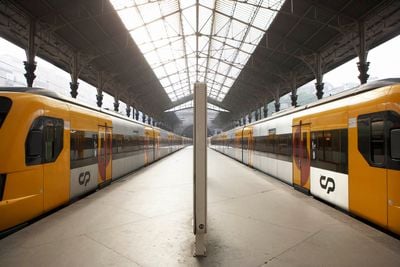
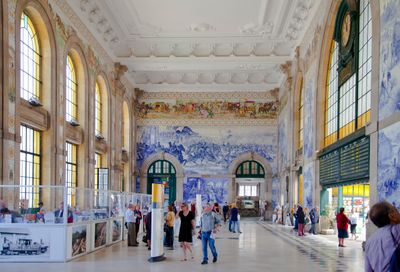
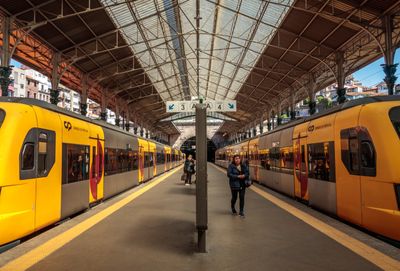
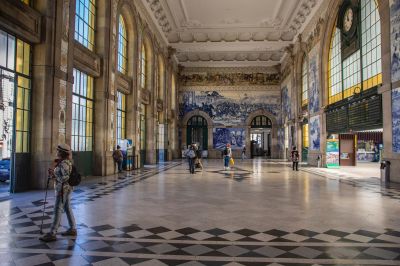
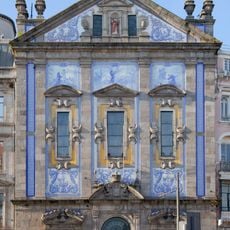
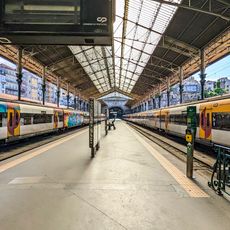
São Bento railway station is a major transit hub in central Porto with stone and glass architecture from the early 20th century. Its interior showcases extensive wall panels of blue and white tiles that depict Portuguese historical scenes and daily life from past centuries.
The station was built in 1896 on the grounds of a former Benedictine monastery that had occupied the site. The building was completed in 1916, replacing a place of worship with a transport hub and marking a major shift in how the location was used.
The station's name honors a saint connected to the monastery that once stood here. The blue and white tiles on the walls tell stories of Portuguese life and traditions, showing visitors how people lived in earlier times.
The station is centrally located and easily reached on foot, with metro and bus connections nearby. Visitors can explore the tile-covered hall and architectural details without purchasing a ticket, making it accessible for anyone wanting to see the interior.
An artist known for exceptional craftsmanship designed and personally painted the tile scenes, and the factory that produced them specialized in fine decorative ceramics for important public buildings across the country. Few visitors realize that this factory work represented a pinnacle of Portuguese industrial artistry at the time.
The community of curious travelers
AroundUs brings together thousands of curated places, local tips, and hidden gems, enriched daily by 91,877 contributors worldwide.