Portugal, Country in southwestern Europe
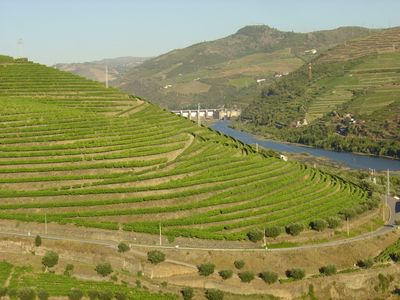
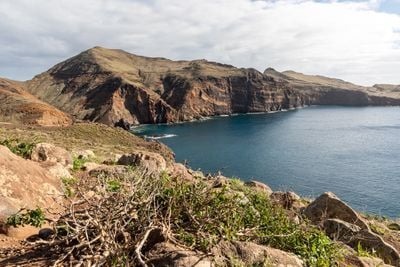
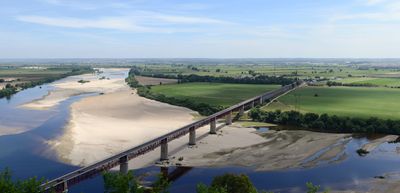
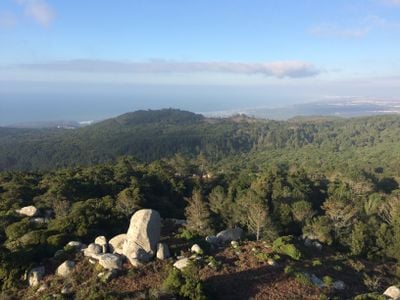
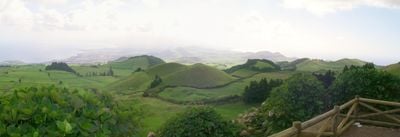
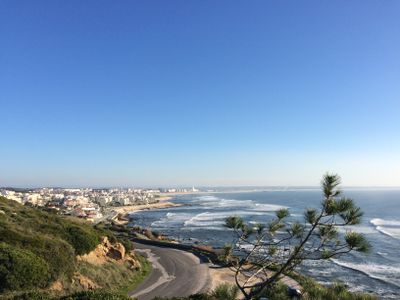
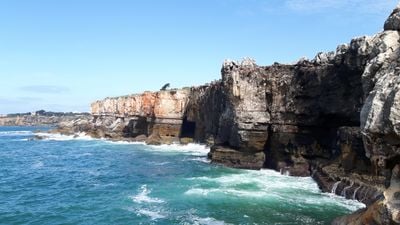
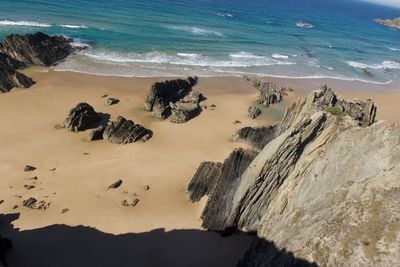
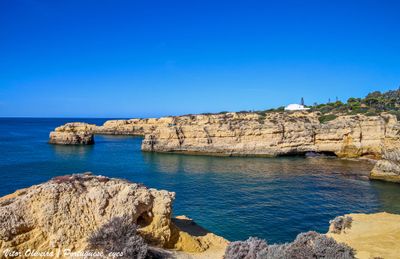
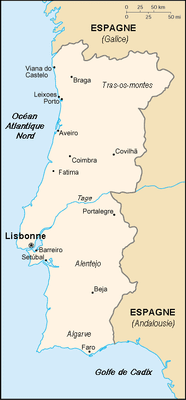
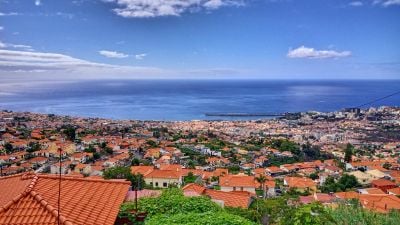
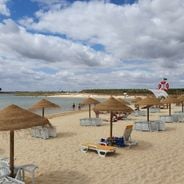
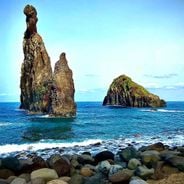
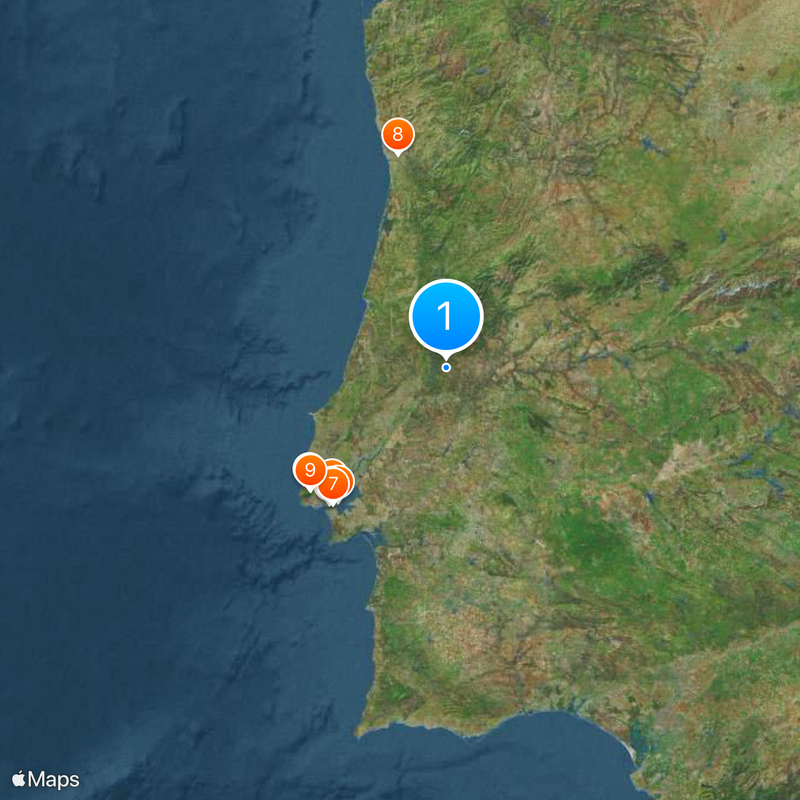
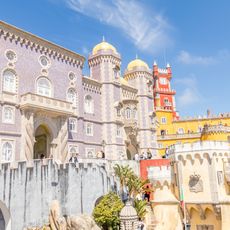
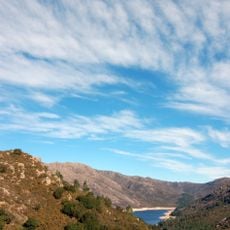
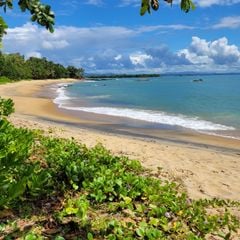
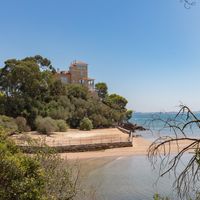
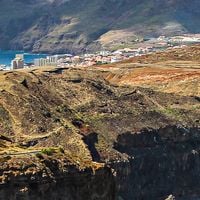
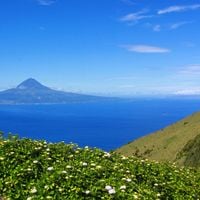
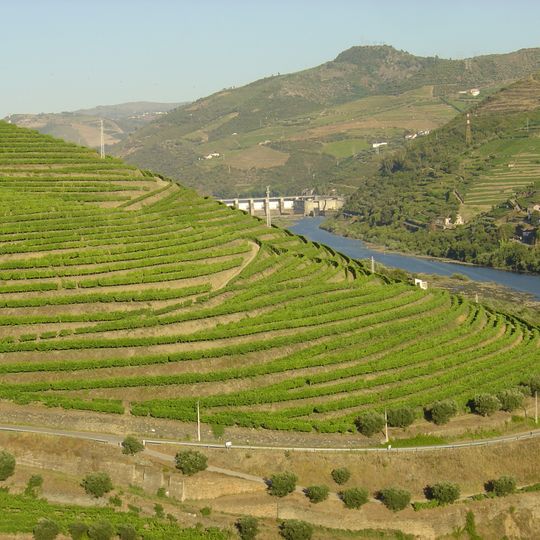
This republic is a sovereign state in southwestern Europe that stretches along the Atlantic coast of the Iberian Peninsula and includes mountain ranges in the north, gentle plains in the center, and long sandy beaches in the south. The territory also covers the archipelagos of Madeira and the Azores in the Atlantic, each with its own climate and landscape.
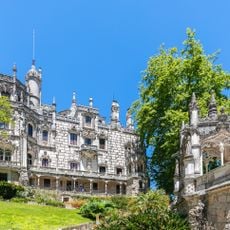
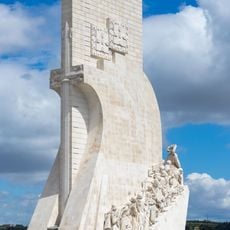
This nation emerged in the 12th century as an independent kingdom and began an expansion across the seas in the 15th century, opening new routes to India and Brazil. In 1910, the monarchy ended through a revolution, leading to the foundation of the current republic.
This republic is known for its ceramic traditions, where azulejos made from painted tiles decorate public buildings and train stations, often showing scenes from daily life or seafaring. In many cities, you see small cafés where locals drink their espresso at the counter and enjoy pastéis de nata, while street musicians perform in the squares outside.
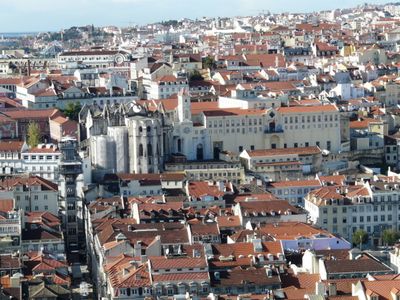
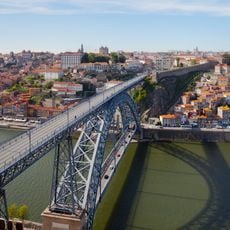
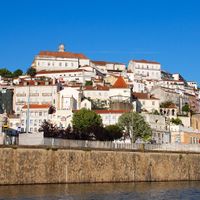
This republic uses Central European Time and the euro as its currency, with a road network linking major centers such as the capital, the northern coastal city, and the southern resort area. English is often understood in urban areas and tourist zones, while rural regions mostly use the local language only.
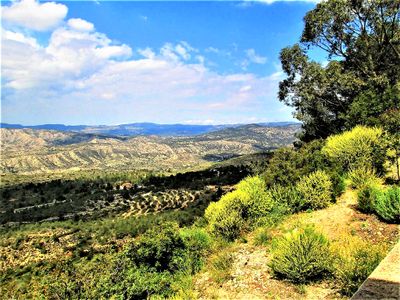
The Montado system combines cork oak forests with livestock grazing and farming, forming a sustainable method that provides half of the world's cork production. This traditional land use protects the soil from erosion and offers habitat for many native animal species, including the Iberian lynx.
The community of curious travelers
AroundUs brings together thousands of curated places, local tips, and hidden gems, enriched daily by 90,836 contributors worldwide.