Madeira, Volcanic archipelago in Atlantic Ocean, Portugal
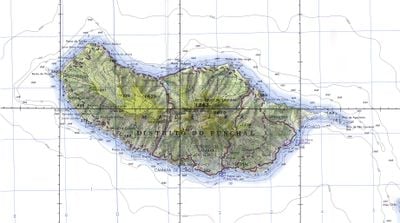
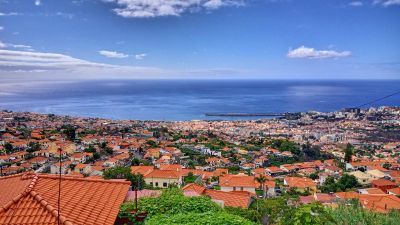
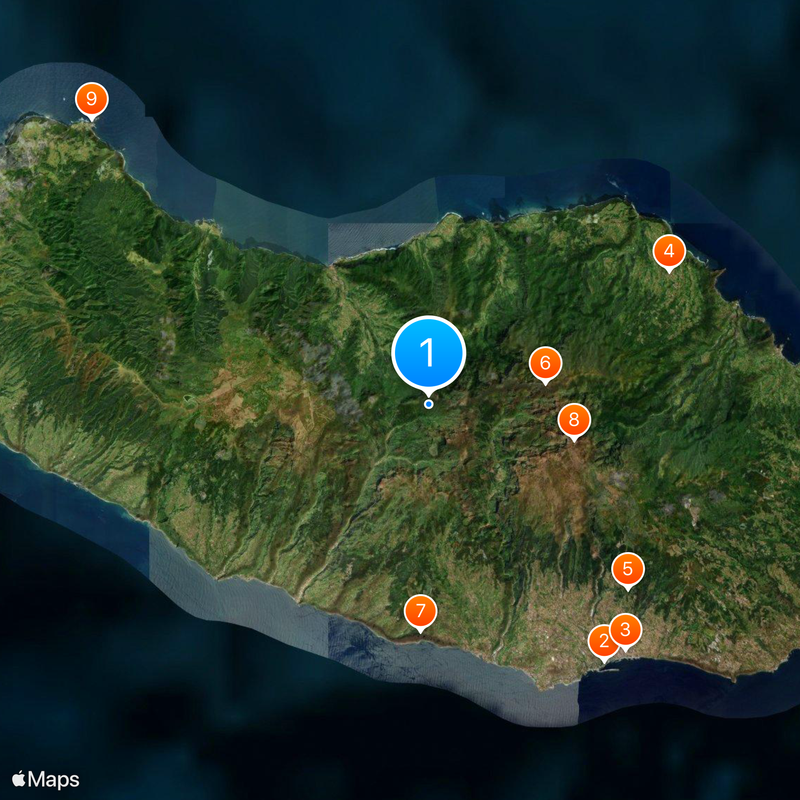
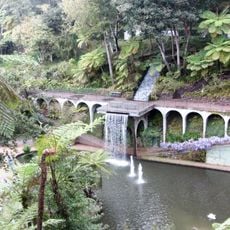
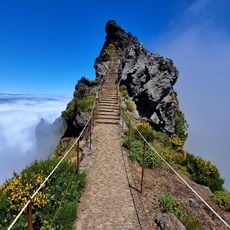
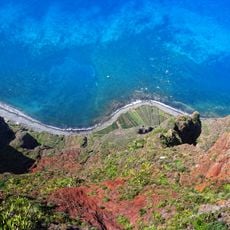
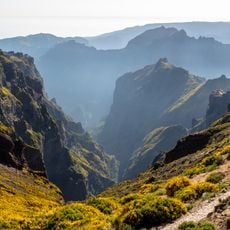
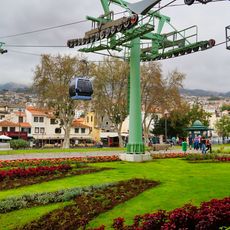
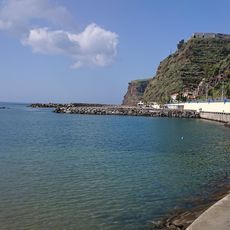
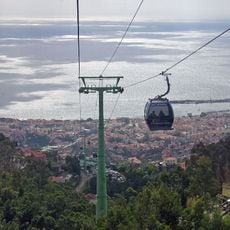
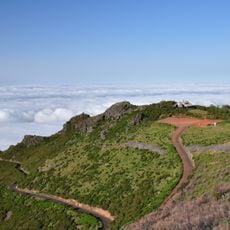
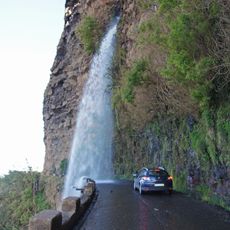
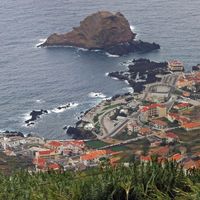
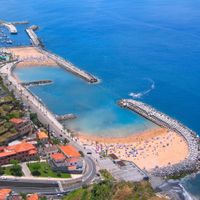
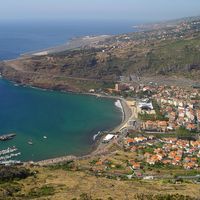
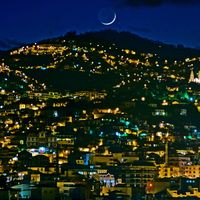
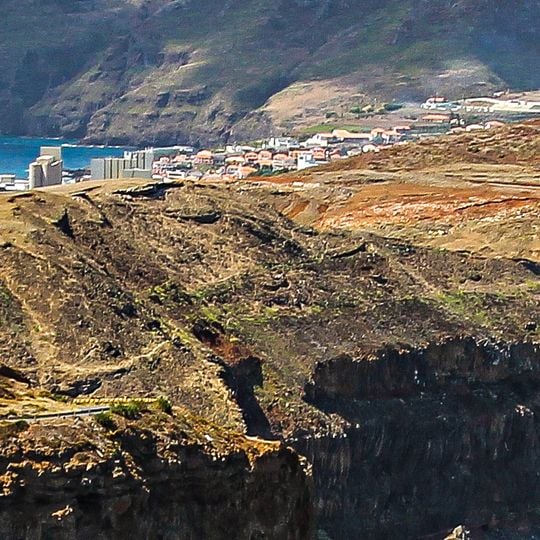
Madeira is an Atlantic archipelago off the northwest coast of Africa, composed of volcanic islands belonging to Portugal as an autonomous territory. The terrain rises sharply from coastal settlements to forested peaks, with deep ravines cutting through the central mountains and cliffs dropping directly into the ocean along much of the shoreline.
Portuguese mariners claimed the uninhabited islands in 1419, planting sugar cane and grapevines in the volcanic soil while clearing forests for farmland. The economy shifted over centuries from sugar exports to wine and tourism, with infrastructure expanding gradually to connect coastal towns and mountain villages.
Wine production defines daily routines in many villages, where families still press grapes and age barrels in small stone cellars open to visitors during harvest season. Locals gather in neighborhood taverns after work to share meals of bolo do caco flatbread and espetada skewers, carrying on habits rooted in rural hospitality and shared tables.
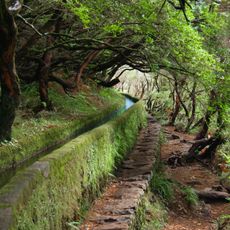
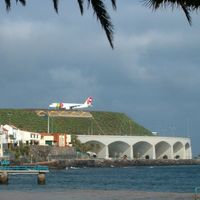
Most visitors arrive by air through Funchal, with ferry services available to the smaller island of Porto Santo from the main port. Rental cars or organized tours help navigate winding mountain roads, though hikers often follow the network of levada paths that cut across the terrain without needing vehicles.
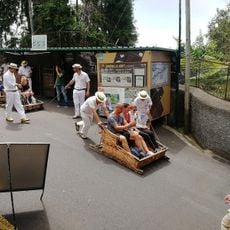
Toboggan rides down steep cobbled streets originated as a practical means for locals to descend from hillside homes into Funchal below. Drivers still push wicker sleds carrying passengers along the same routes, using their boots to brake and steer through tight corners without modern safety equipment.
The community of curious travelers
AroundUs brings together thousands of curated places, local tips, and hidden gems, enriched daily by 91,976 contributors worldwide.