See the monuments around you in AROpen chests in the app
Around Us is built for your phone — point your camera at the streets and discover the monuments and places around you in augmented reality.Around Us is built for your phone — chests unlock when you walk, explore and capture nearby places.
In Portugal, three large groups of islands offer places with cliffs, volcanic lakes, and landscapes shaped by nature.
Here is a list of the main Portuguese islands divided into three large groups: Madeira, the Azores, and the small notable islands in the Atlantic. These islands show different views with cliffs, sandy beaches, volcanoes, lakes, and untouched nature. Each has its own character and special natural or cultural sights.
In Portugal, three large groups of islands offer places with cliffs, volcanic lakes, and landscapes shaped by nature.
Here is a list of the main Portuguese islands divided into three large groups: Madeira, the Azores, and the small notable islands in the Atlantic. These islands show different views with cliffs, sandy beaches, volcanoes, lakes, and untouched nature. Each has its own character and special natural or cultural sights.
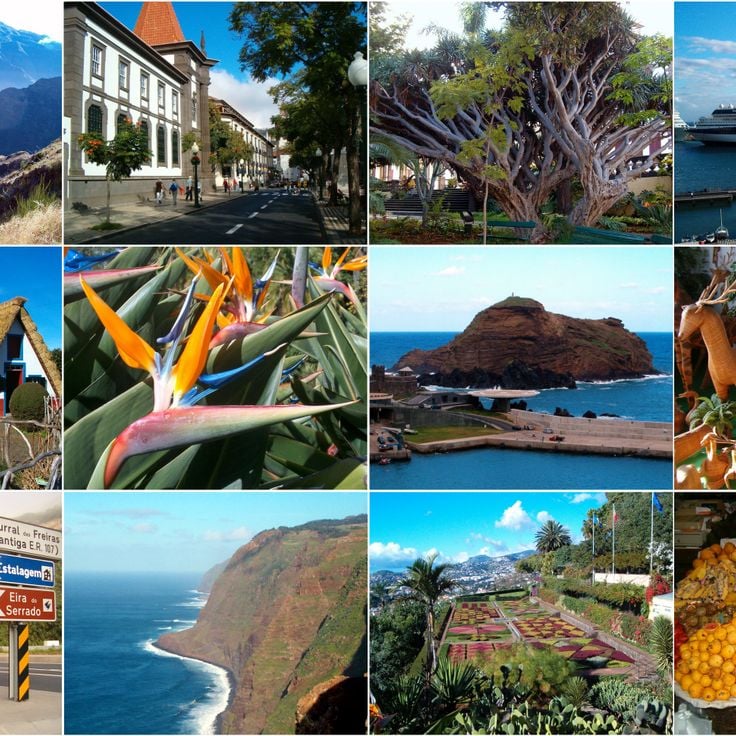
Madeira is the main island of the archipelago that shares its name, sitting in the Atlantic Ocean. The island is known for its sea cliffs, its network of irrigation channels called levadas that wind through the hills, and its subtropical gardens. Walking around, you notice how the mountains drop sharply toward the coast, shaping the way people live and move across the island.
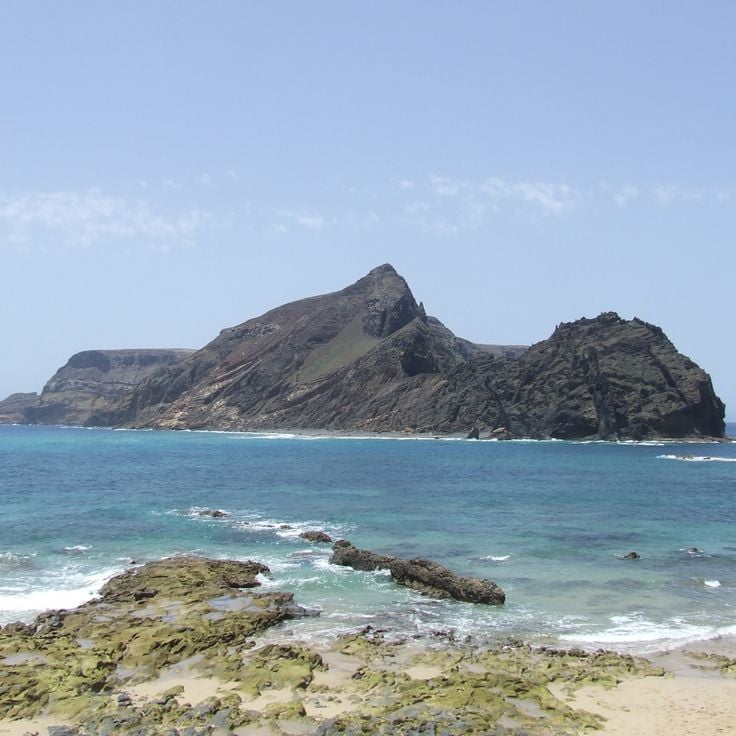
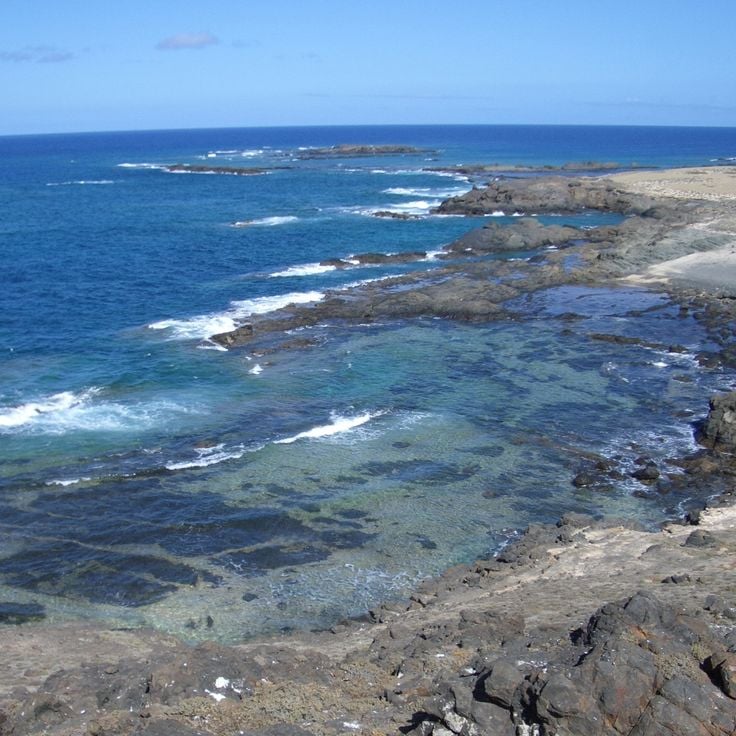
Porto Santo is a small island in the Madeira group, known for its long sandy beach, the largest in Portugal. The golden sand stretches for about 5.5 miles (9 km) along the southern coast. Unlike the green and volcanic Madeira, Porto Santo has a drier, sunnier landscape. The hills are bare, and the light is strong most of the year.
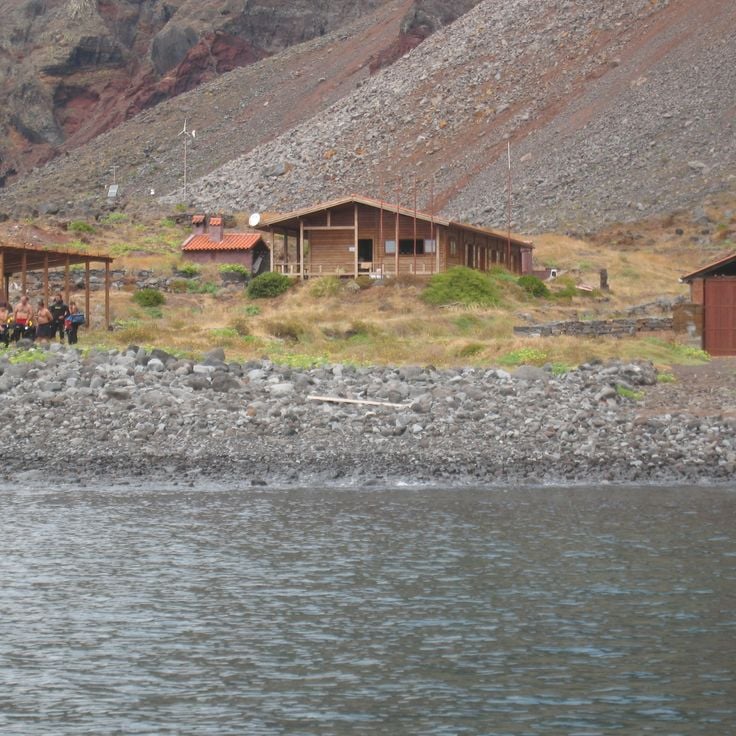
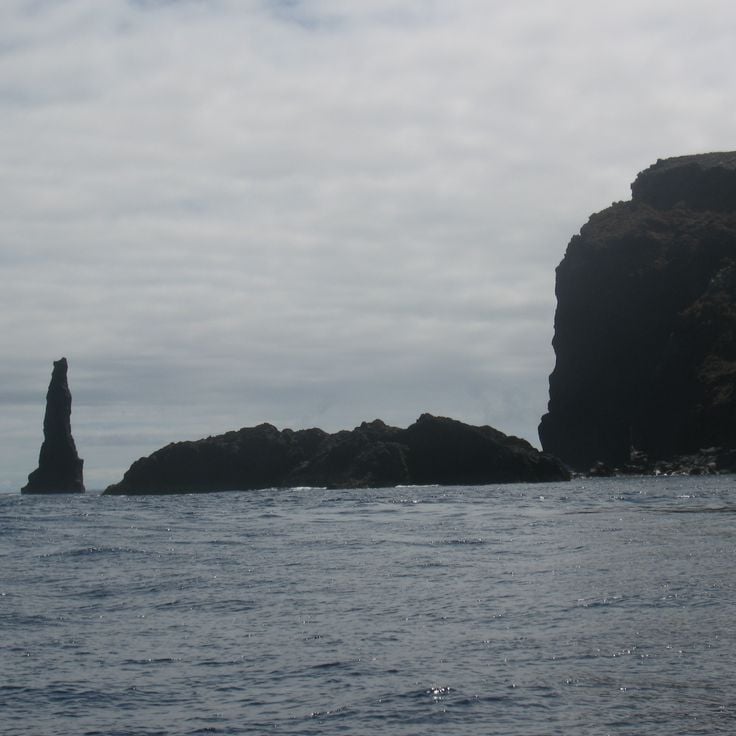
Ilha Deserta Grande is the largest of the Desertas Islands, located off the coast of Madeira. It is a nature reserve with a raw volcanic landscape made up of dark cliffs and steep slopes. The island is uninhabited and serves as a refuge for monk seals and rare seabirds. Visitors can only reach it on guided day trips from Funchal, about 16 miles (25 km) away.
Bugio is the southernmost of the Desertas Islands, off the coast of Madeira. The island is uninhabited and hard to reach. An old lighthouse stands on its rocky ground and was once permanently staffed. Today, the island is home to rare seabirds and marine mammals, including the Mediterranean monk seal, one of the rarest in the world.
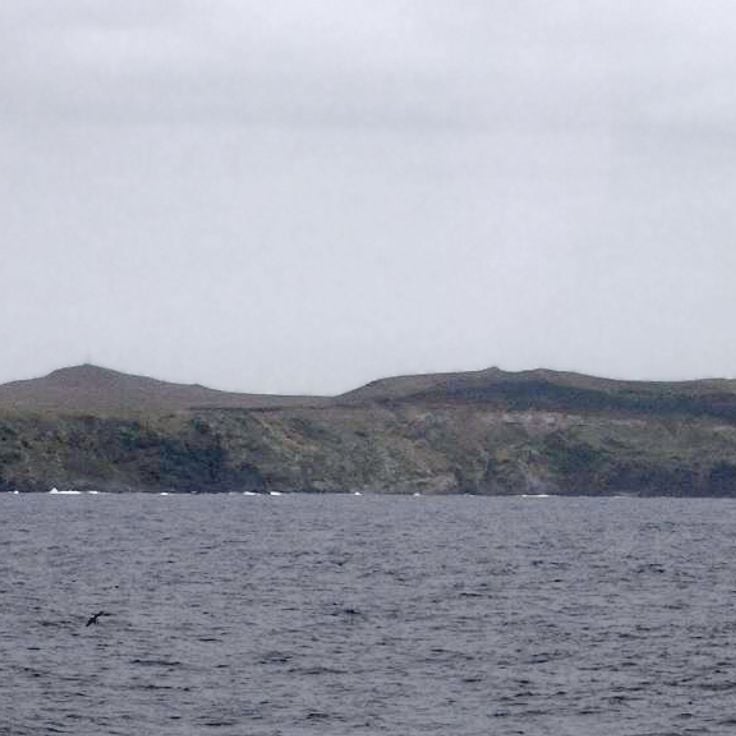
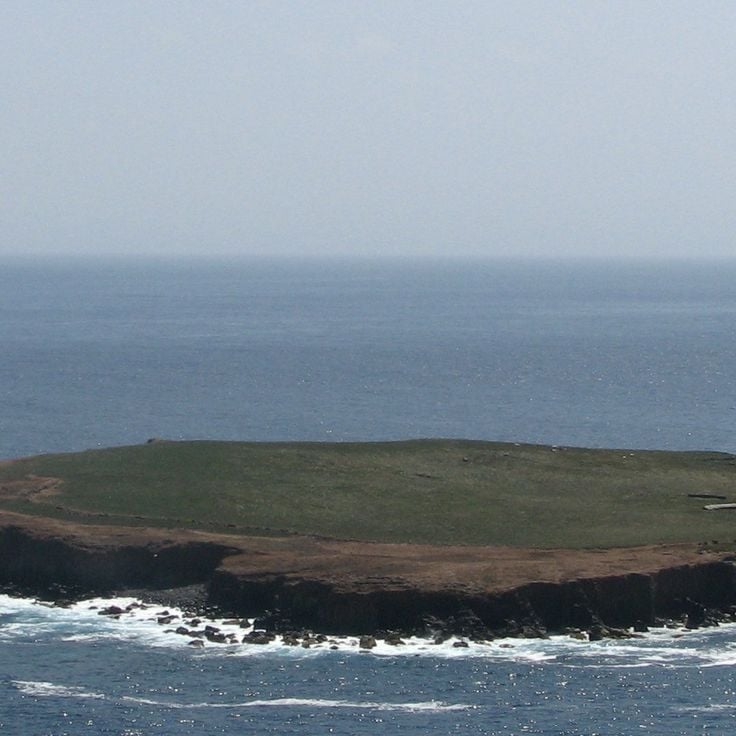
Ilhéu Chão is a small, uninhabited island that belongs to the Desertas archipelago, off the coast of Madeira. The landscape is flat and bare, shaped by wind and sea over centuries. Access is restricted, as the island is a protected nature reserve. For those exploring the Portuguese islands of the Atlantic, it stands as one of the most remote spots in the region.
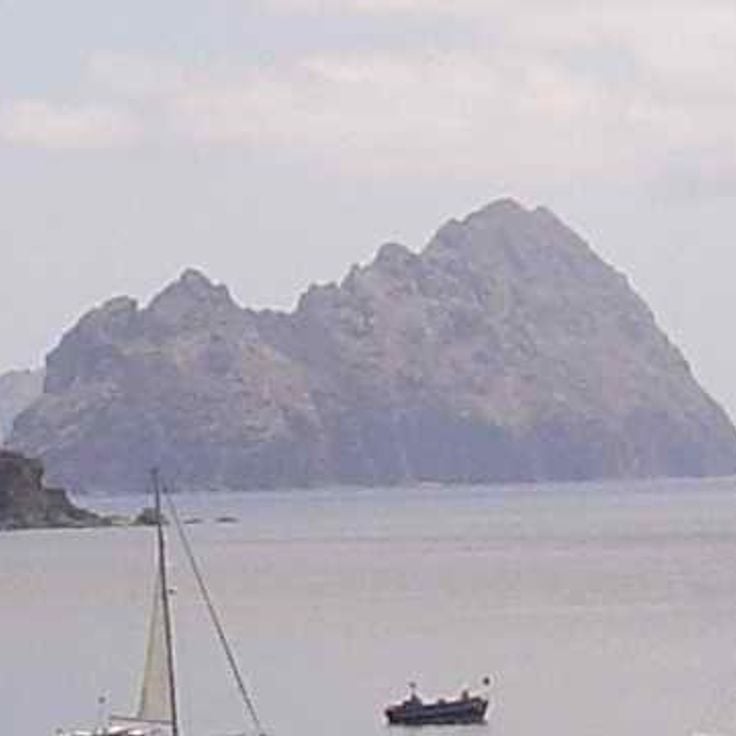
Selvagem Grande is one of the most remote islands in Europe. It sits in the Atlantic Ocean between Madeira and the Canary Islands and belongs to Portugal. The island is uninhabited and home to vast colonies of seabirds, making it one of the most important nesting sites in the Atlantic. Cory's shearwaters nest here in large numbers. Visitors encounter a landscape that humans have barely touched.
Selvagem Pequena is a small island south of Madeira, part of the Ilhas Selvagens archipelago. It is one of the most remote corners of Portuguese territory. The ground is rocky, the vegetation is low and sparse, and the ocean surrounding it stays largely untouched. Seabirds nest here in great numbers, and access is mostly limited to researchers and rangers.
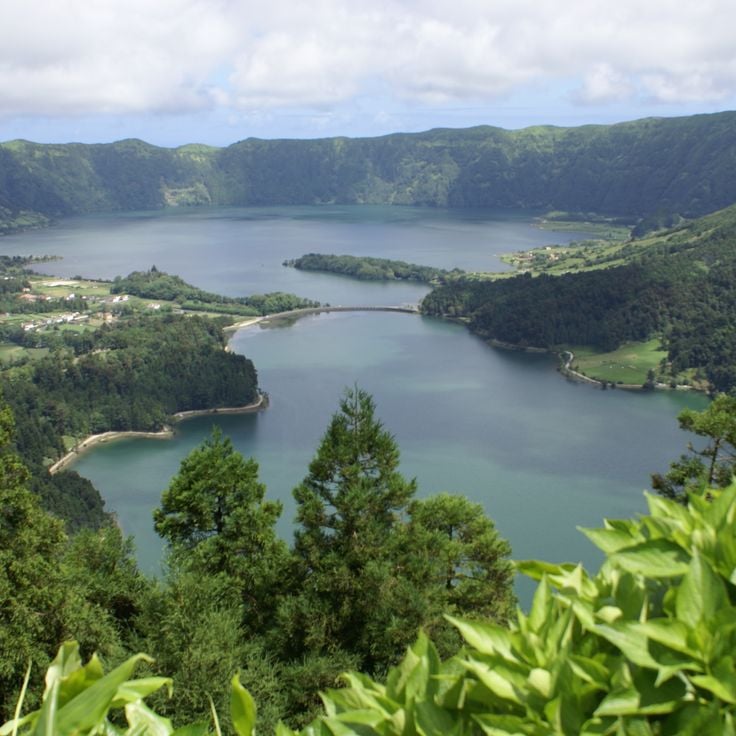
São Miguel is the best known island of the Azores. Visitors find volcanic crater lakes surrounded by green hills, hot springs that bubble up from the ground, and tea plantations spread across the slopes. The lakes change color depending on the light. You can bathe in natural thermal pools, walk through fields of hydrangeas, and take in the green, humid landscape that defines this island.
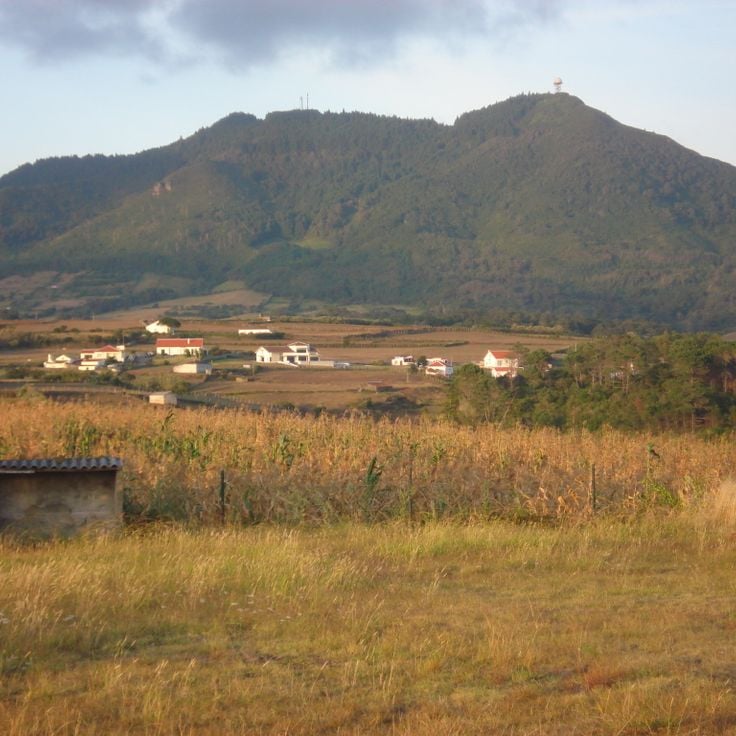
Pico is an island in the Azores dominated by a massive volcano, the highest peak in Portugal, rising to about 7,700 feet (2,350 m). Around its base, vineyards grow on dark lava rock in a landscape recognized by UNESCO. The contrast between black stone and green vines gives Pico a look unlike any other island in the archipelago.
Faial is one of the Azores islands, sitting in the middle of the Atlantic. Its harbor, Horta, has long been a stopping point for sailors crossing the ocean. Crews paint colorful murals on the dockside walls to mark their passage, a tradition that draws visitors on its own. On the western tip of the island, the Capelinhos volcano last erupted in 1957, leaving behind a landscape of ash and hardened lava that looks unlike anything else in the archipelago.
Terceira is an island in the Azores whose main city, Angra do Heroísmo, is listed as a UNESCO World Heritage Site. The old town features colorful facades and cobblestone streets that are easy to walk through. In the interior of the island, a volcanic crater covered in greenery can be explored on foot.
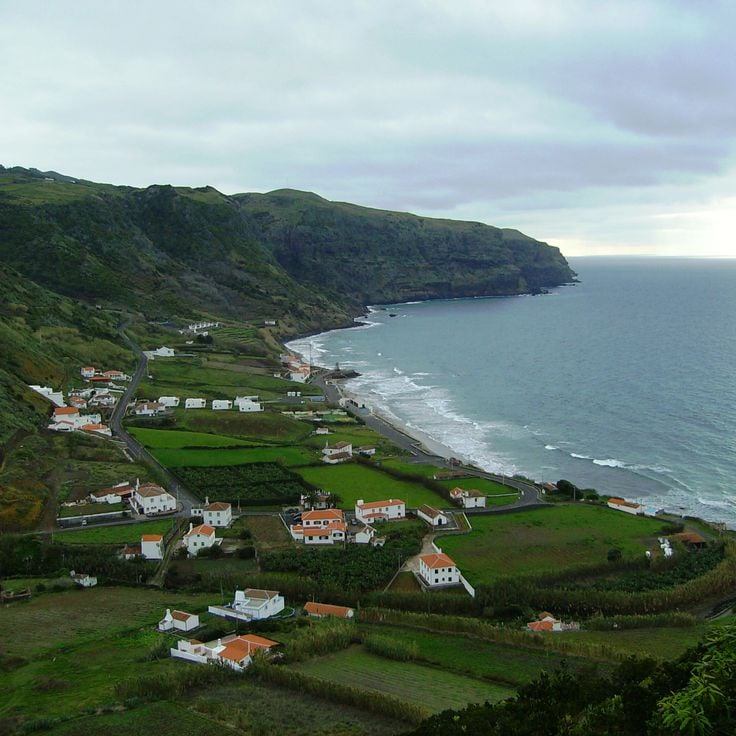
São Jorge is an island in the Azores known for its fajãs, narrow strips of flat land that formed at the base of tall cliffs after landslides or lava flows. Walking trails cross the island from one end to the other, passing through green pastures and small villages perched above the sea. The coastline drops sharply into the Atlantic, giving the island a raw and striking character.
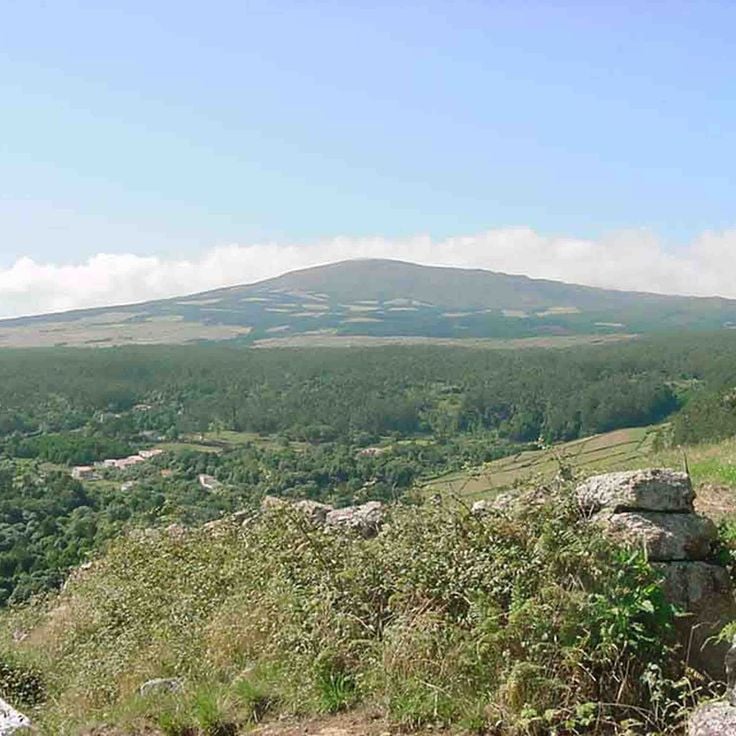
Flores sits at the western edge of the Azores and is often described as one of the most beautiful islands in the archipelago. Waterfalls drop down green hillsides, volcanic lakes fill old craters, and the vegetation grows thick along every path. In summer, hydrangeas line the roads in deep blue and purple. The island moves at a slow pace, and visitors who come here tend to find exactly that kind of quiet they were looking for.
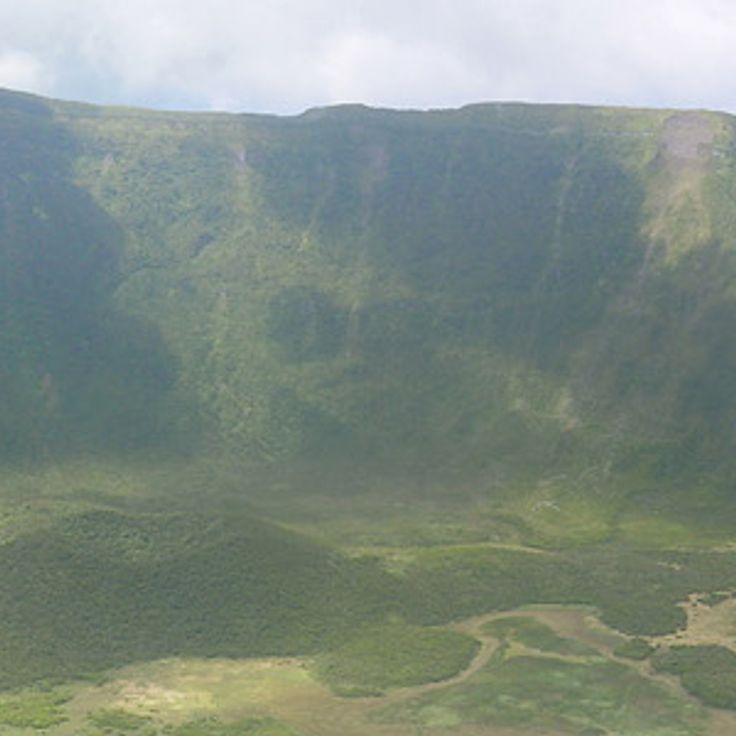
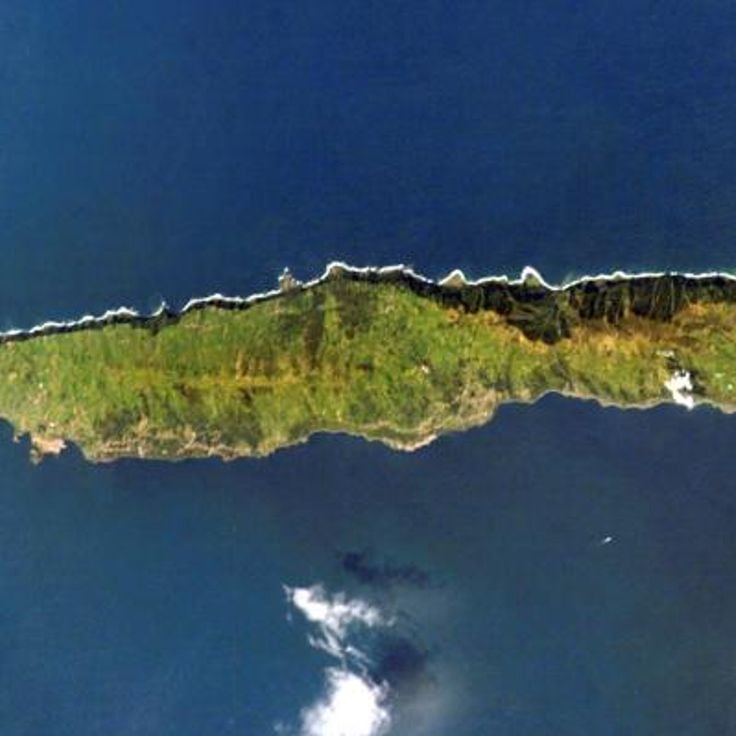
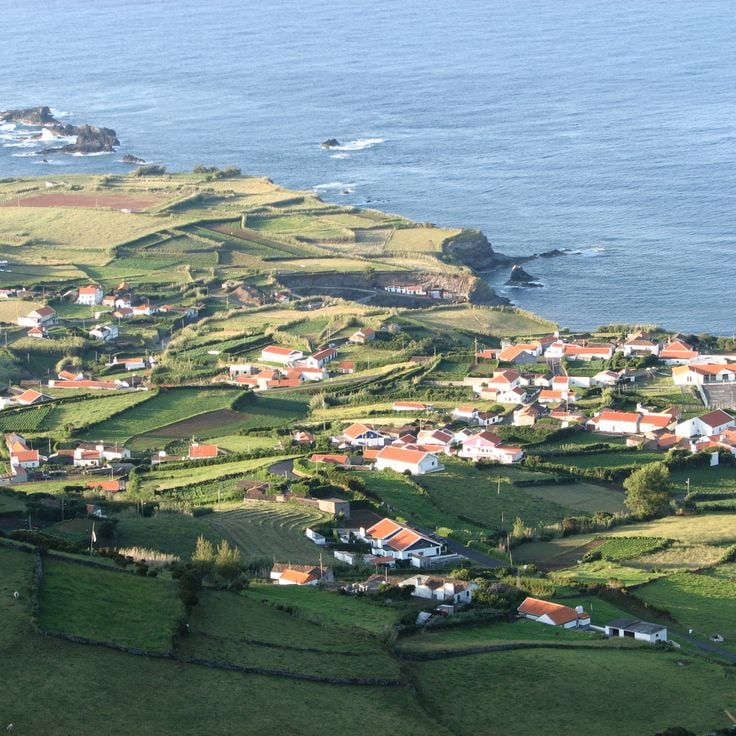
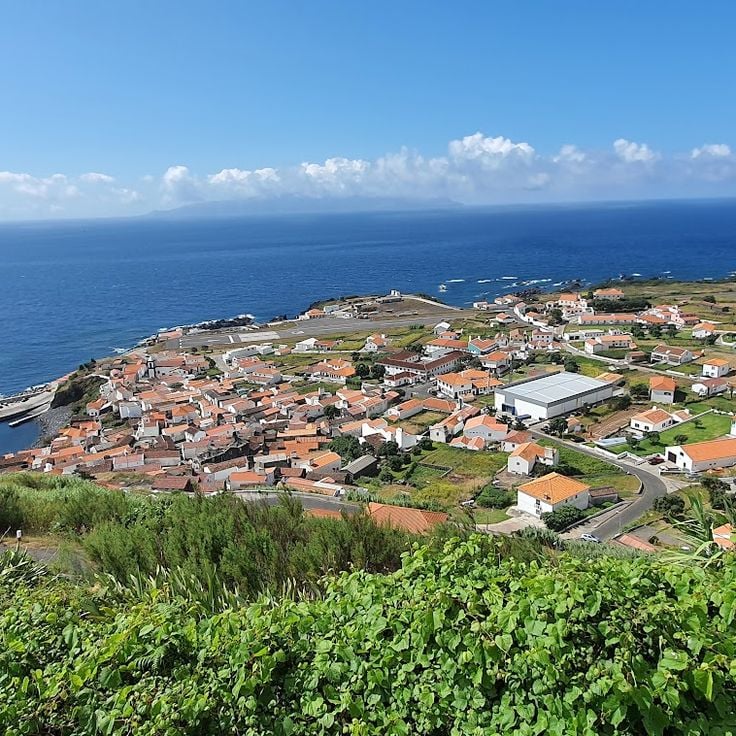
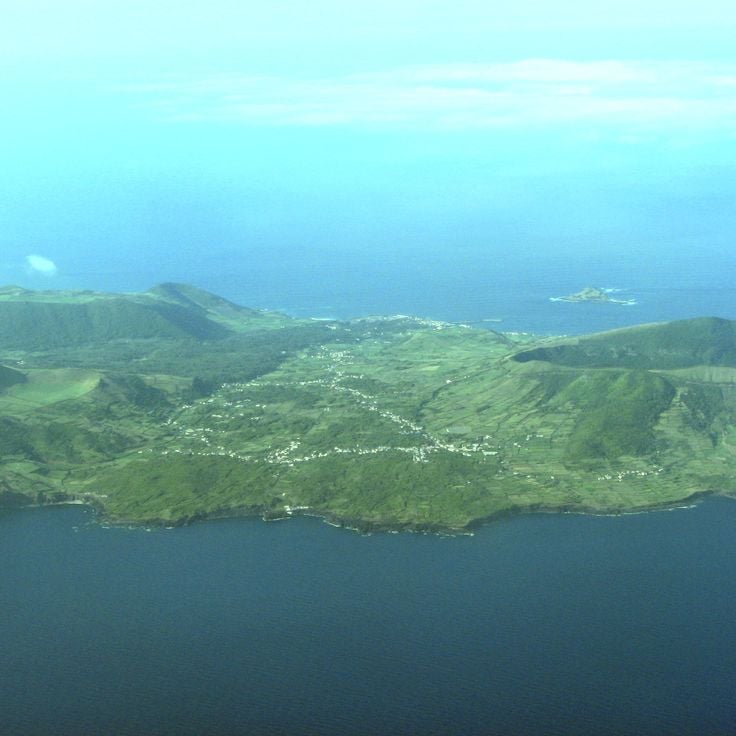
Corvo is the smallest inhabited island in the Azores. At its center sits a large volcanic crater called the Caldeirão, about 1.2 miles (2 km) wide, with small lakes and green slopes inside. The village of Vila do Corvo is the only settlement on the island, and daily life there moves at a slow pace shaped by the ocean around it. For anyone exploring the Portuguese islands, Corvo offers one of the most remote corners of the Atlantic.
Graciosa is often called the white island of the Azores. Its windmills and pale stone houses give it a look unlike any other island in the archipelago. The land is mostly flat and green, dotted with small villages where rural life goes on much as it always has. Beneath the island, a lava cave called Furna do Enxofre shelters an underground lake that visitors can explore. The coastline is gentler here than on the other Azorean islands, and the water is calm enough for swimming in several spots.
Santa Maria is the sunniest island in the Azores. Unlike the other islands in the archipelago, it has sandy beaches with light-colored sand, which makes it stand out. The landscape shifts between rolling hills, old vineyards, and cliffs that face out over the Atlantic. The light here is stronger, and the air feels drier.
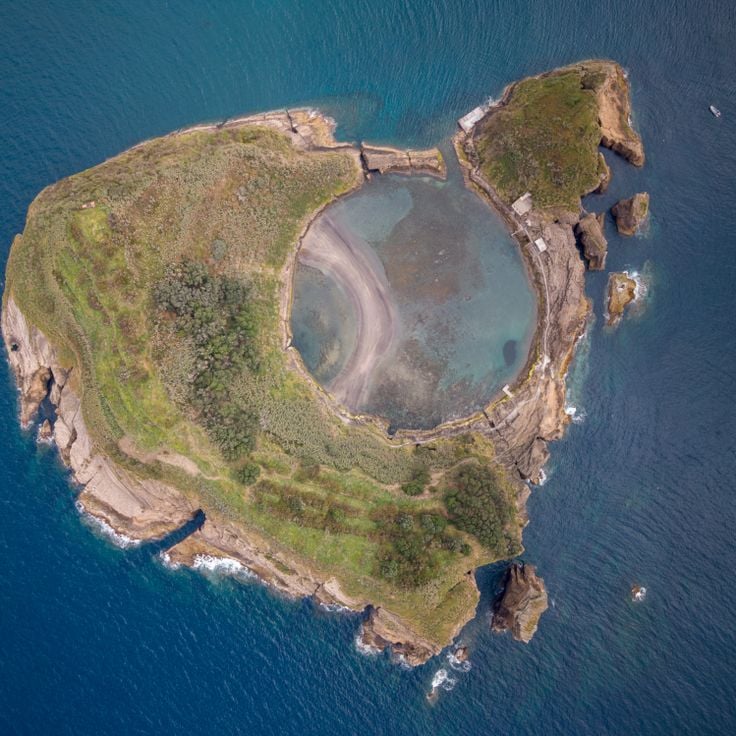
The Ilhéu de Vila Franca do Campo is an old volcanic crater that rises from the sea off the coast of São Miguel. Inside, a natural lagoon has formed, sheltered from the open ocean by the crater walls. The water is calm and clear, making it one of the most sought-after swimming spots in the Azores. You reach it by boat from the nearby shore, and the number of daily visitors is capped to protect the site.
The Ilhéu de Monchique sits off the coast of Flores island and marks the westernmost point of Portugal and of the European Union. This small rock rises from the Atlantic, far from any port. It is uninhabited and hard to reach, but it draws visitors who want to stand at the western edge of Europe.
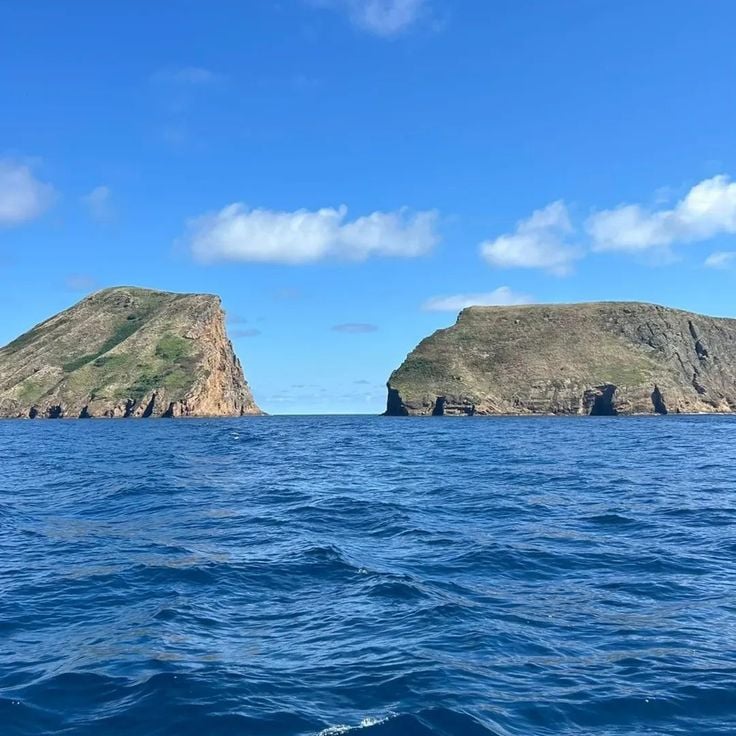
The Ilhéu das Cabras consists of two small volcanic islets off the coast of Terceira. The waters around them are calm and clear, drawing divers from across the region. Below the surface, you find rocks, caves and a rich marine life, making this one of the most visited diving spots in the Azores.
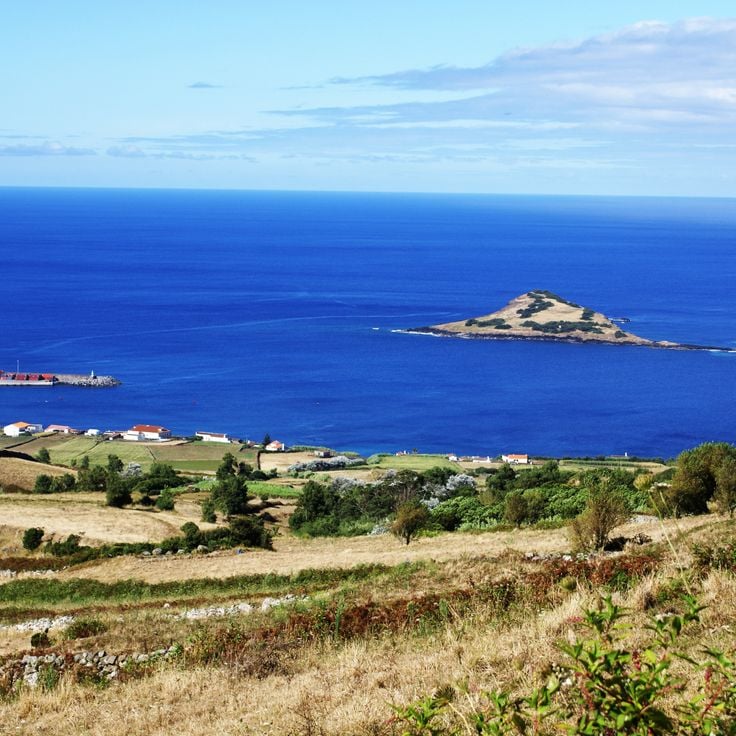
Ilhéu de Topo is a small rocky islet off the eastern tip of São Jorge, in the Azores. It is a protected nature reserve, home to a colony of Cory's shearwaters that nest in the rock crevices. Visible from the shore of São Jorge, this islet is one of the quieter spots in the archipelago, appreciated by hikers and birdwatchers who come to the eastern end of the island.
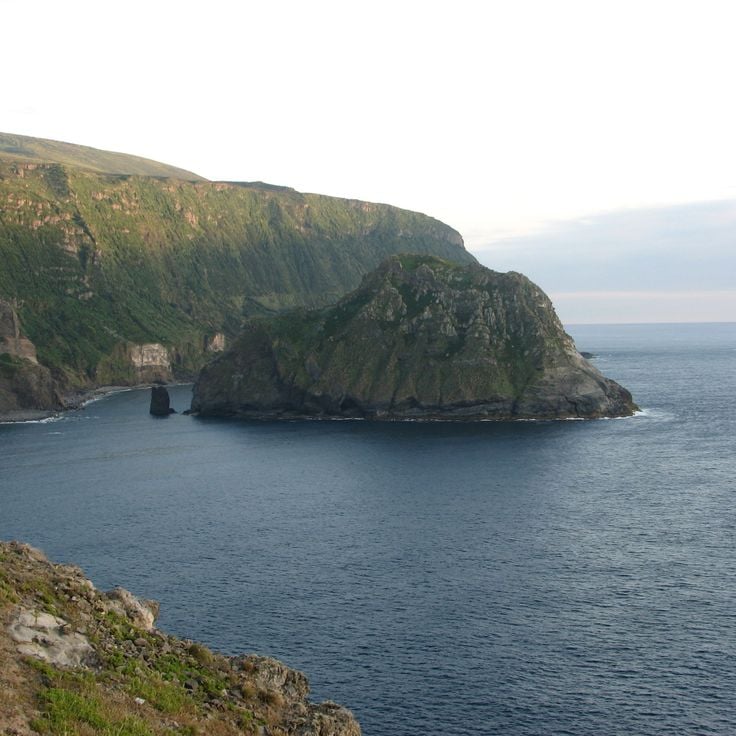
The Ilhéu de Maria Vaz is a small volcanic rock that rises out of the Atlantic Ocean near the coast of Santa Maria, the southernmost island of the Azores. This tiny islet stands just offshore, shaped by centuries of volcanic activity and ocean erosion. From the cliffs of Santa Maria, it appears as a rough stone mass emerging from the water. It is uninhabited and gives this stretch of coastline a raw, natural character.
Ilhéu da Praia sits just off the coast of Graciosa, one of the smaller islands in the Azores. This rocky islet serves as a protected nesting ground for seabirds. From the shores of Graciosa, you can watch the birds come and go throughout the day. It is a rare spot where wildlife feels genuinely close, with the open Atlantic stretching out on all sides.
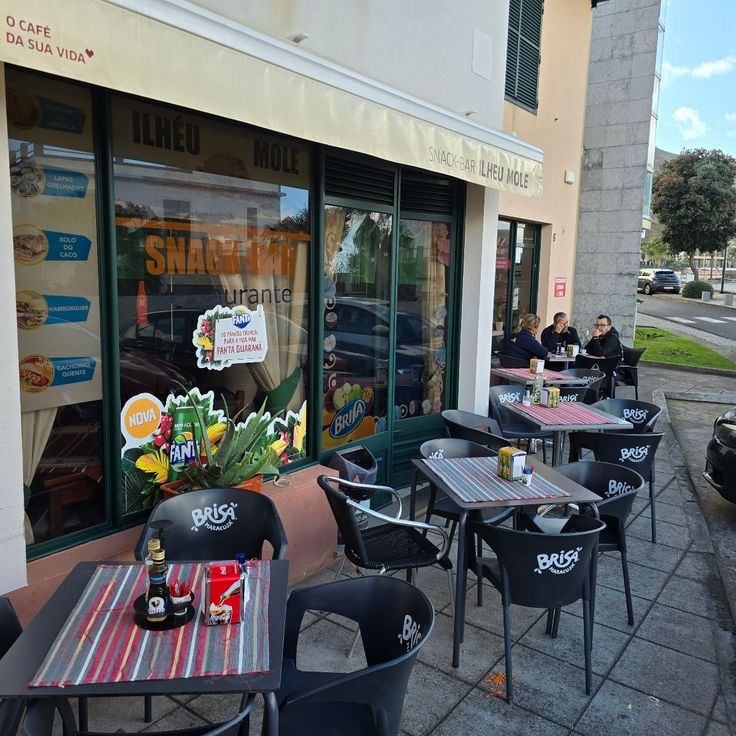
Ilhéu Mole is a small volcanic rock formation sitting just off the coast of Corvo, the smallest island in the Azores. It rises from the Atlantic in a way that catches the eye from the shoreline, especially on clear days when the contrast between dark rock and blue water is at its sharpest. Seabirds gather around it, and the area feels remote and exposed to the open ocean winds. It gives a good sense of how raw and isolated this corner of Portugal really is.
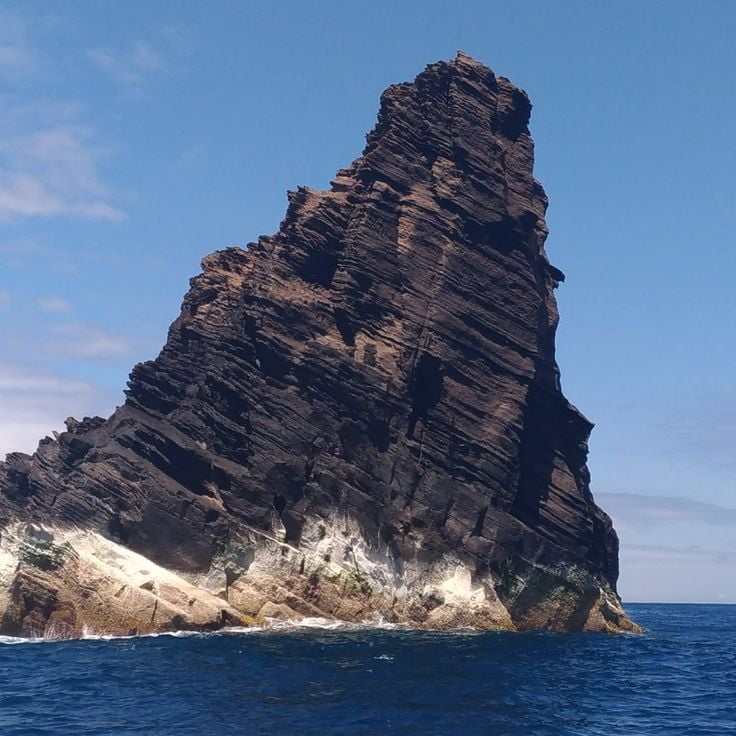
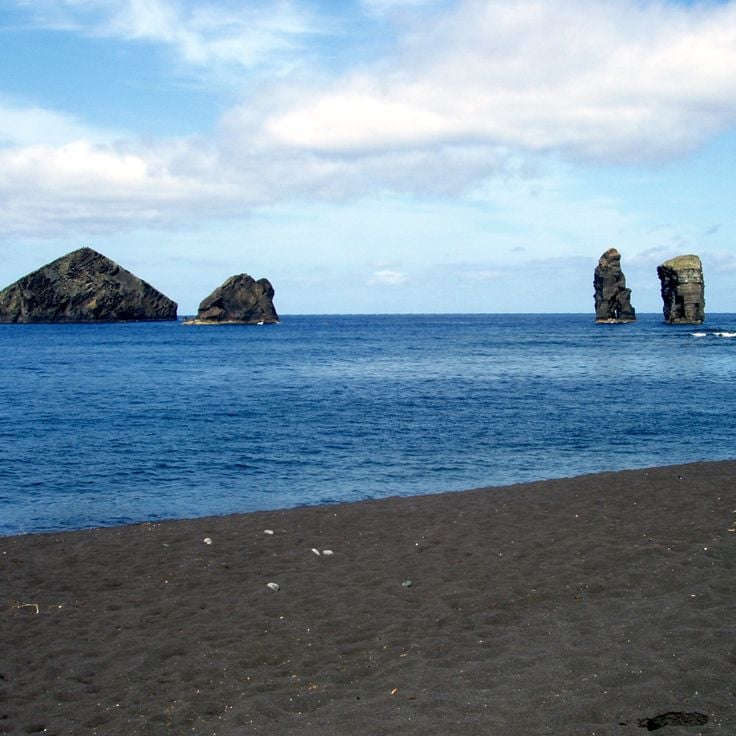
The Ilhéus dos Mosteiros are tall, jagged rock formations that rise from the Atlantic just off the western coast of São Miguel. As the sun goes down, the light hits the black basalt in warm orange and red tones, and many visitors come at that hour just to watch the scene. The nearby village of Mosteiros has a small black-sand beach that gives a close view of the rocks, and it is easy to sit there and take it all in.
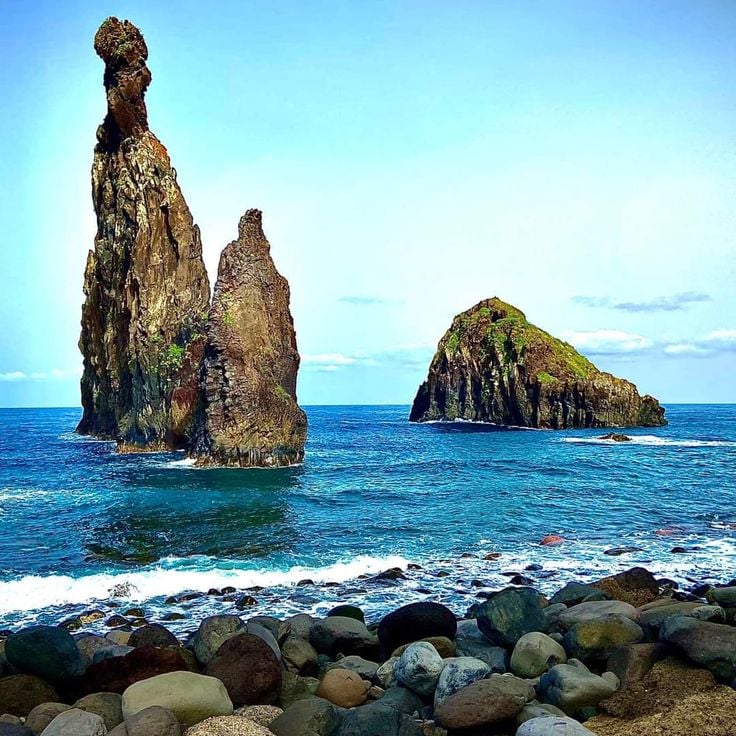
The Ilhéus da Ribeira da Janela are volcanic rock stacks rising out of the ocean off the northwest coast of Madeira. Driving along the coastal road, you spot them suddenly, dark and steep, shaped over time by wind and waves. Locals pass them daily, and travelers often stop to take in the view from the roadside cliffs above.
Madeira is the main island of the archipelago that shares its name, sitting in the Atlantic Ocean. The island is known for its sea cliffs, its network of irrigation channels called levadas that wind through the hills, and its subtropical gardens. Walking around, you notice how the mountains drop sharply toward the coast, shaping the way people live and move across the island.
Porto Santo is a small island in the Madeira group, known for its long sandy beach, the largest in Portugal. The golden sand stretches for about 5.5 miles (9 km) along the southern coast. Unlike the green and volcanic Madeira, Porto Santo has a drier, sunnier landscape. The hills are bare, and the light is strong most of the year.
Ilha Deserta Grande is the largest of the Desertas Islands, located off the coast of Madeira. It is a nature reserve with a raw volcanic landscape made up of dark cliffs and steep slopes. The island is uninhabited and serves as a refuge for monk seals and rare seabirds. Visitors can only reach it on guided day trips from Funchal, about 16 miles (25 km) away.
Bugio is the southernmost of the Desertas Islands, off the coast of Madeira. The island is uninhabited and hard to reach. An old lighthouse stands on its rocky ground and was once permanently staffed. Today, the island is home to rare seabirds and marine mammals, including the Mediterranean monk seal, one of the rarest in the world.
Ilhéu Chão is a small, uninhabited island that belongs to the Desertas archipelago, off the coast of Madeira. The landscape is flat and bare, shaped by wind and sea over centuries. Access is restricted, as the island is a protected nature reserve. For those exploring the Portuguese islands of the Atlantic, it stands as one of the most remote spots in the region.
Selvagem Grande is one of the most remote islands in Europe. It sits in the Atlantic Ocean between Madeira and the Canary Islands and belongs to Portugal. The island is uninhabited and home to vast colonies of seabirds, making it one of the most important nesting sites in the Atlantic. Cory's shearwaters nest here in large numbers. Visitors encounter a landscape that humans have barely touched.
Selvagem Pequena is a small island south of Madeira, part of the Ilhas Selvagens archipelago. It is one of the most remote corners of Portuguese territory. The ground is rocky, the vegetation is low and sparse, and the ocean surrounding it stays largely untouched. Seabirds nest here in great numbers, and access is mostly limited to researchers and rangers.
São Miguel is the best known island of the Azores. Visitors find volcanic crater lakes surrounded by green hills, hot springs that bubble up from the ground, and tea plantations spread across the slopes. The lakes change color depending on the light. You can bathe in natural thermal pools, walk through fields of hydrangeas, and take in the green, humid landscape that defines this island.
Pico is an island in the Azores dominated by a massive volcano, the highest peak in Portugal, rising to about 7,700 feet (2,350 m). Around its base, vineyards grow on dark lava rock in a landscape recognized by UNESCO. The contrast between black stone and green vines gives Pico a look unlike any other island in the archipelago.
Faial is one of the Azores islands, sitting in the middle of the Atlantic. Its harbor, Horta, has long been a stopping point for sailors crossing the ocean. Crews paint colorful murals on the dockside walls to mark their passage, a tradition that draws visitors on its own. On the western tip of the island, the Capelinhos volcano last erupted in 1957, leaving behind a landscape of ash and hardened lava that looks unlike anything else in the archipelago.
Terceira is an island in the Azores whose main city, Angra do Heroísmo, is listed as a UNESCO World Heritage Site. The old town features colorful facades and cobblestone streets that are easy to walk through. In the interior of the island, a volcanic crater covered in greenery can be explored on foot.
São Jorge is an island in the Azores known for its fajãs, narrow strips of flat land that formed at the base of tall cliffs after landslides or lava flows. Walking trails cross the island from one end to the other, passing through green pastures and small villages perched above the sea. The coastline drops sharply into the Atlantic, giving the island a raw and striking character.
Flores sits at the western edge of the Azores and is often described as one of the most beautiful islands in the archipelago. Waterfalls drop down green hillsides, volcanic lakes fill old craters, and the vegetation grows thick along every path. In summer, hydrangeas line the roads in deep blue and purple. The island moves at a slow pace, and visitors who come here tend to find exactly that kind of quiet they were looking for.
Corvo is the smallest inhabited island in the Azores. At its center sits a large volcanic crater called the Caldeirão, about 1.2 miles (2 km) wide, with small lakes and green slopes inside. The village of Vila do Corvo is the only settlement on the island, and daily life there moves at a slow pace shaped by the ocean around it. For anyone exploring the Portuguese islands, Corvo offers one of the most remote corners of the Atlantic.
Graciosa is often called the white island of the Azores. Its windmills and pale stone houses give it a look unlike any other island in the archipelago. The land is mostly flat and green, dotted with small villages where rural life goes on much as it always has. Beneath the island, a lava cave called Furna do Enxofre shelters an underground lake that visitors can explore. The coastline is gentler here than on the other Azorean islands, and the water is calm enough for swimming in several spots.
Santa Maria is the sunniest island in the Azores. Unlike the other islands in the archipelago, it has sandy beaches with light-colored sand, which makes it stand out. The landscape shifts between rolling hills, old vineyards, and cliffs that face out over the Atlantic. The light here is stronger, and the air feels drier.
The Ilhéu de Vila Franca do Campo is an old volcanic crater that rises from the sea off the coast of São Miguel. Inside, a natural lagoon has formed, sheltered from the open ocean by the crater walls. The water is calm and clear, making it one of the most sought-after swimming spots in the Azores. You reach it by boat from the nearby shore, and the number of daily visitors is capped to protect the site.
The Ilhéu de Monchique sits off the coast of Flores island and marks the westernmost point of Portugal and of the European Union. This small rock rises from the Atlantic, far from any port. It is uninhabited and hard to reach, but it draws visitors who want to stand at the western edge of Europe.
The Ilhéu das Cabras consists of two small volcanic islets off the coast of Terceira. The waters around them are calm and clear, drawing divers from across the region. Below the surface, you find rocks, caves and a rich marine life, making this one of the most visited diving spots in the Azores.
Ilhéu de Topo is a small rocky islet off the eastern tip of São Jorge, in the Azores. It is a protected nature reserve, home to a colony of Cory's shearwaters that nest in the rock crevices. Visible from the shore of São Jorge, this islet is one of the quieter spots in the archipelago, appreciated by hikers and birdwatchers who come to the eastern end of the island.
The Ilhéu de Maria Vaz is a small volcanic rock that rises out of the Atlantic Ocean near the coast of Santa Maria, the southernmost island of the Azores. This tiny islet stands just offshore, shaped by centuries of volcanic activity and ocean erosion. From the cliffs of Santa Maria, it appears as a rough stone mass emerging from the water. It is uninhabited and gives this stretch of coastline a raw, natural character.
Ilhéu da Praia sits just off the coast of Graciosa, one of the smaller islands in the Azores. This rocky islet serves as a protected nesting ground for seabirds. From the shores of Graciosa, you can watch the birds come and go throughout the day. It is a rare spot where wildlife feels genuinely close, with the open Atlantic stretching out on all sides.
Ilhéu Mole is a small volcanic rock formation sitting just off the coast of Corvo, the smallest island in the Azores. It rises from the Atlantic in a way that catches the eye from the shoreline, especially on clear days when the contrast between dark rock and blue water is at its sharpest. Seabirds gather around it, and the area feels remote and exposed to the open ocean winds. It gives a good sense of how raw and isolated this corner of Portugal really is.
The Ilhéus dos Mosteiros are tall, jagged rock formations that rise from the Atlantic just off the western coast of São Miguel. As the sun goes down, the light hits the black basalt in warm orange and red tones, and many visitors come at that hour just to watch the scene. The nearby village of Mosteiros has a small black-sand beach that gives a close view of the rocks, and it is easy to sit there and take it all in.
The Ilhéus da Ribeira da Janela are volcanic rock stacks rising out of the ocean off the northwest coast of Madeira. Driving along the coastal road, you spot them suddenly, dark and steep, shaped over time by wind and waves. Locals pass them daily, and travelers often stop to take in the view from the roadside cliffs above.
Madeira is the main island of the archipelago that shares its name, sitting in the Atlantic Ocean. The island is known for its sea cliffs, its network of irrigation channels called levadas that wind through the hills, and its subtropical gardens. Walking around, you notice how the mountains drop sharply toward the coast, shaping the way people live and move across the island.
Porto Santo is a small island in the Madeira group, known for its long sandy beach, the largest in Portugal. The golden sand stretches for about 5.5 miles (9 km) along the southern coast. Unlike the green and volcanic Madeira, Porto Santo has a drier, sunnier landscape. The hills are bare, and the light is strong most of the year.
Ilha Deserta Grande is the largest of the Desertas Islands, located off the coast of Madeira. It is a nature reserve with a raw volcanic landscape made up of dark cliffs and steep slopes. The island is uninhabited and serves as a refuge for monk seals and rare seabirds. Visitors can only reach it on guided day trips from Funchal, about 16 miles (25 km) away.
Bugio is the southernmost of the Desertas Islands, off the coast of Madeira. The island is uninhabited and hard to reach. An old lighthouse stands on its rocky ground and was once permanently staffed. Today, the island is home to rare seabirds and marine mammals, including the Mediterranean monk seal, one of the rarest in the world.
Ilhéu Chão is a small, uninhabited island that belongs to the Desertas archipelago, off the coast of Madeira. The landscape is flat and bare, shaped by wind and sea over centuries. Access is restricted, as the island is a protected nature reserve. For those exploring the Portuguese islands of the Atlantic, it stands as one of the most remote spots in the region.
Selvagem Grande is one of the most remote islands in Europe. It sits in the Atlantic Ocean between Madeira and the Canary Islands and belongs to Portugal. The island is uninhabited and home to vast colonies of seabirds, making it one of the most important nesting sites in the Atlantic. Cory's shearwaters nest here in large numbers. Visitors encounter a landscape that humans have barely touched.
Selvagem Pequena is a small island south of Madeira, part of the Ilhas Selvagens archipelago. It is one of the most remote corners of Portuguese territory. The ground is rocky, the vegetation is low and sparse, and the ocean surrounding it stays largely untouched. Seabirds nest here in great numbers, and access is mostly limited to researchers and rangers.
São Miguel is the best known island of the Azores. Visitors find volcanic crater lakes surrounded by green hills, hot springs that bubble up from the ground, and tea plantations spread across the slopes. The lakes change color depending on the light. You can bathe in natural thermal pools, walk through fields of hydrangeas, and take in the green, humid landscape that defines this island.
Pico is an island in the Azores dominated by a massive volcano, the highest peak in Portugal, rising to about 7,700 feet (2,350 m). Around its base, vineyards grow on dark lava rock in a landscape recognized by UNESCO. The contrast between black stone and green vines gives Pico a look unlike any other island in the archipelago.
Faial is one of the Azores islands, sitting in the middle of the Atlantic. Its harbor, Horta, has long been a stopping point for sailors crossing the ocean. Crews paint colorful murals on the dockside walls to mark their passage, a tradition that draws visitors on its own. On the western tip of the island, the Capelinhos volcano last erupted in 1957, leaving behind a landscape of ash and hardened lava that looks unlike anything else in the archipelago.
Terceira is an island in the Azores whose main city, Angra do Heroísmo, is listed as a UNESCO World Heritage Site. The old town features colorful facades and cobblestone streets that are easy to walk through. In the interior of the island, a volcanic crater covered in greenery can be explored on foot.
São Jorge is an island in the Azores known for its fajãs, narrow strips of flat land that formed at the base of tall cliffs after landslides or lava flows. Walking trails cross the island from one end to the other, passing through green pastures and small villages perched above the sea. The coastline drops sharply into the Atlantic, giving the island a raw and striking character.
Flores sits at the western edge of the Azores and is often described as one of the most beautiful islands in the archipelago. Waterfalls drop down green hillsides, volcanic lakes fill old craters, and the vegetation grows thick along every path. In summer, hydrangeas line the roads in deep blue and purple. The island moves at a slow pace, and visitors who come here tend to find exactly that kind of quiet they were looking for.
Corvo is the smallest inhabited island in the Azores. At its center sits a large volcanic crater called the Caldeirão, about 1.2 miles (2 km) wide, with small lakes and green slopes inside. The village of Vila do Corvo is the only settlement on the island, and daily life there moves at a slow pace shaped by the ocean around it. For anyone exploring the Portuguese islands, Corvo offers one of the most remote corners of the Atlantic.
Graciosa is often called the white island of the Azores. Its windmills and pale stone houses give it a look unlike any other island in the archipelago. The land is mostly flat and green, dotted with small villages where rural life goes on much as it always has. Beneath the island, a lava cave called Furna do Enxofre shelters an underground lake that visitors can explore. The coastline is gentler here than on the other Azorean islands, and the water is calm enough for swimming in several spots.
Santa Maria is the sunniest island in the Azores. Unlike the other islands in the archipelago, it has sandy beaches with light-colored sand, which makes it stand out. The landscape shifts between rolling hills, old vineyards, and cliffs that face out over the Atlantic. The light here is stronger, and the air feels drier.
The Ilhéu de Vila Franca do Campo is an old volcanic crater that rises from the sea off the coast of São Miguel. Inside, a natural lagoon has formed, sheltered from the open ocean by the crater walls. The water is calm and clear, making it one of the most sought-after swimming spots in the Azores. You reach it by boat from the nearby shore, and the number of daily visitors is capped to protect the site.
The Ilhéu de Monchique sits off the coast of Flores island and marks the westernmost point of Portugal and of the European Union. This small rock rises from the Atlantic, far from any port. It is uninhabited and hard to reach, but it draws visitors who want to stand at the western edge of Europe.
The Ilhéu das Cabras consists of two small volcanic islets off the coast of Terceira. The waters around them are calm and clear, drawing divers from across the region. Below the surface, you find rocks, caves and a rich marine life, making this one of the most visited diving spots in the Azores.
Ilhéu de Topo is a small rocky islet off the eastern tip of São Jorge, in the Azores. It is a protected nature reserve, home to a colony of Cory's shearwaters that nest in the rock crevices. Visible from the shore of São Jorge, this islet is one of the quieter spots in the archipelago, appreciated by hikers and birdwatchers who come to the eastern end of the island.
The Ilhéu de Maria Vaz is a small volcanic rock that rises out of the Atlantic Ocean near the coast of Santa Maria, the southernmost island of the Azores. This tiny islet stands just offshore, shaped by centuries of volcanic activity and ocean erosion. From the cliffs of Santa Maria, it appears as a rough stone mass emerging from the water. It is uninhabited and gives this stretch of coastline a raw, natural character.
Ilhéu da Praia sits just off the coast of Graciosa, one of the smaller islands in the Azores. This rocky islet serves as a protected nesting ground for seabirds. From the shores of Graciosa, you can watch the birds come and go throughout the day. It is a rare spot where wildlife feels genuinely close, with the open Atlantic stretching out on all sides.
Ilhéu Mole is a small volcanic rock formation sitting just off the coast of Corvo, the smallest island in the Azores. It rises from the Atlantic in a way that catches the eye from the shoreline, especially on clear days when the contrast between dark rock and blue water is at its sharpest. Seabirds gather around it, and the area feels remote and exposed to the open ocean winds. It gives a good sense of how raw and isolated this corner of Portugal really is.
The Ilhéus dos Mosteiros are tall, jagged rock formations that rise from the Atlantic just off the western coast of São Miguel. As the sun goes down, the light hits the black basalt in warm orange and red tones, and many visitors come at that hour just to watch the scene. The nearby village of Mosteiros has a small black-sand beach that gives a close view of the rocks, and it is easy to sit there and take it all in.
The Ilhéus da Ribeira da Janela are volcanic rock stacks rising out of the ocean off the northwest coast of Madeira. Driving along the coastal road, you spot them suddenly, dark and steep, shaped over time by wind and waves. Locals pass them daily, and travelers often stop to take in the view from the roadside cliffs above.
Visiting the Portuguese islands takes some planning. The weather changes a lot with the seasons, and some small islands can only be reached by boat in good weather. Plan your trip between May and September for the best conditions. Bring waterproof clothing because even warm months can bring surprises.