Cabras Islets, islands of Azores
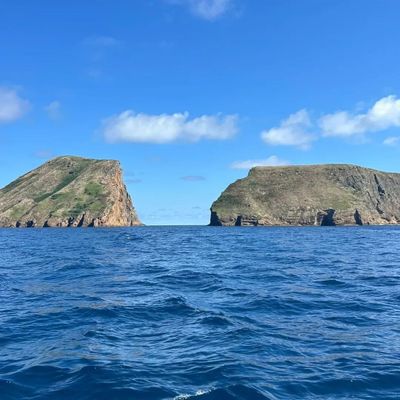
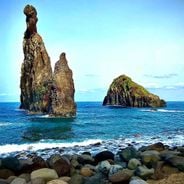
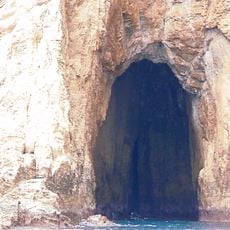
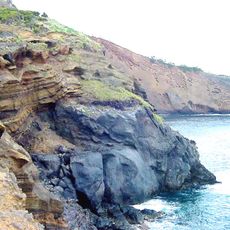
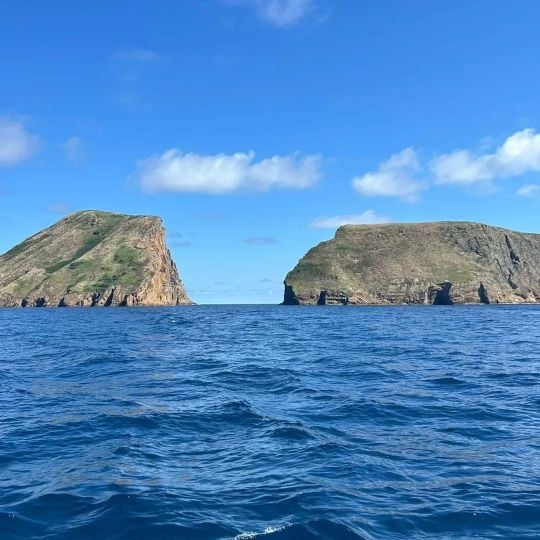
Ilhéu das Cabras is a group of two main islets off the coast of Terceira near Feteira parish. The larger islet, Ilhéu Grande, rises about 147 meters high, while Ilhéu Pequeno reaches about 84 meters, both part of a Natura 2000 protected area spanning roughly 29 hectares. The rocks display volcanic basalt formations with erosional features and deep caves including the famous Cave of the Toads, accessible through snorkeling and diving.
The islets formed from ancient volcanic activity when lava from eruptions met water and cooled quickly, creating basalt cones that were later shaped by sea erosion and tectonic movements into their present form. An earthquake in 1980 caused part of Ilhéu Pequeno to collapse and shifted the landscape slightly, while during World War II a German submarine hid behind the islands.
The name Ilhéu das Cabras refers to a time when goats and sheep grazed on the rocks, though the poor land offered little food. Today this name stands as a reminder of the past, while the islets hold meaning mainly for those who observe birds and study wildlife.
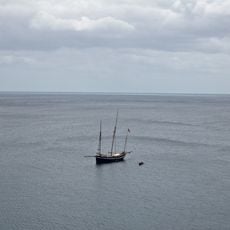
The best way to visit the islets is by boat from Angra do Heroismo port, a ride of about 15 minutes, and the best time is summer when weather is warm and the sea is calm. Snorkeling and diving are popular activities to explore underwater life, but note that only limited visitors are allowed daily, so arrange boat tours in advance.
The rocks resemble minerals found on Mars, and their glassy light-colored pieces help scientists understand the role of water on the red planet. These volcanic formations serve as an earthly reference for understanding alien planetary surfaces.
The community of curious travelers
AroundUs brings together thousands of curated places, local tips, and hidden gems, enriched daily by 91,188 contributors worldwide.