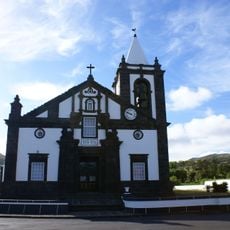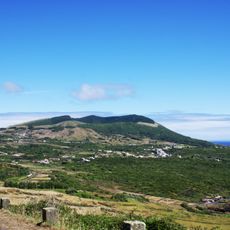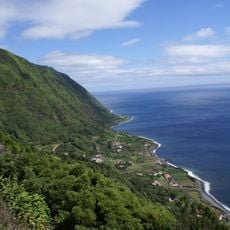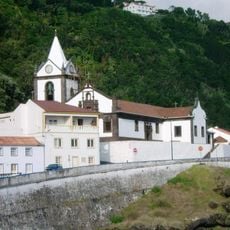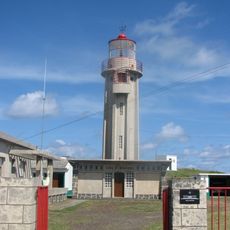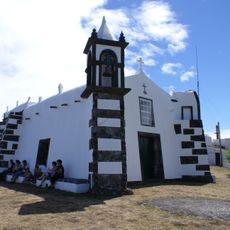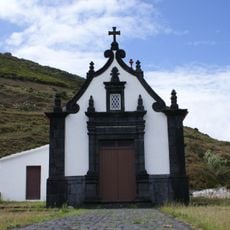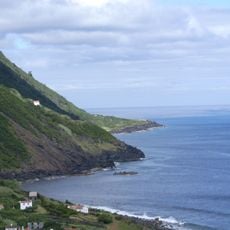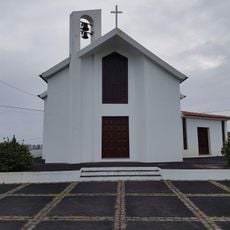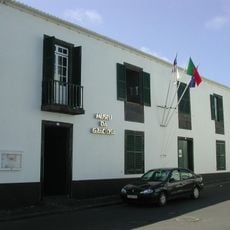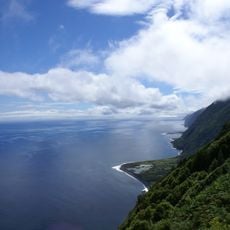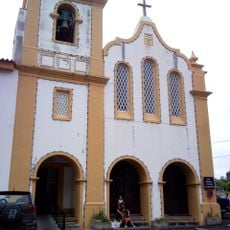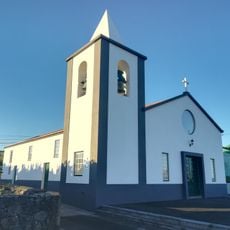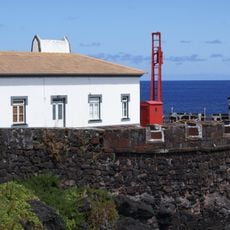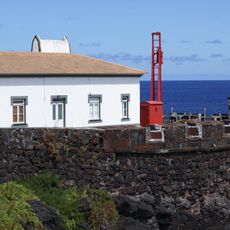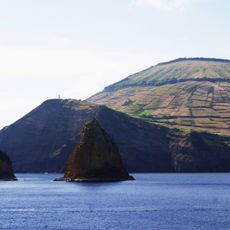
Graciosa Island, Volcanic island in Atlantic Ocean, Portugal
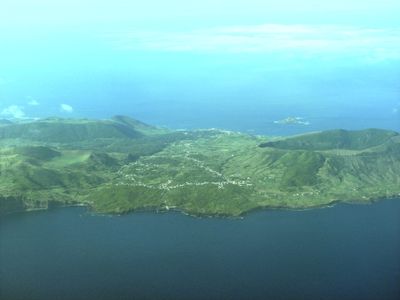
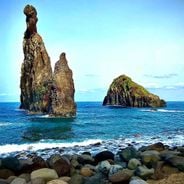
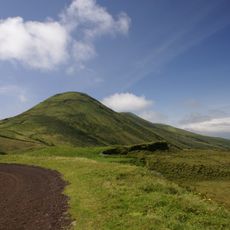
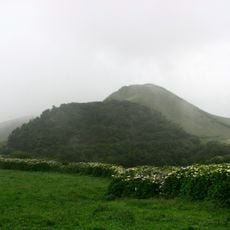
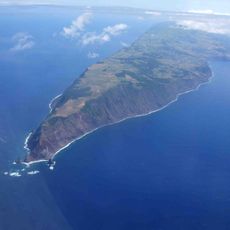
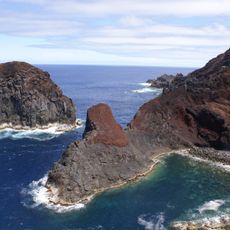
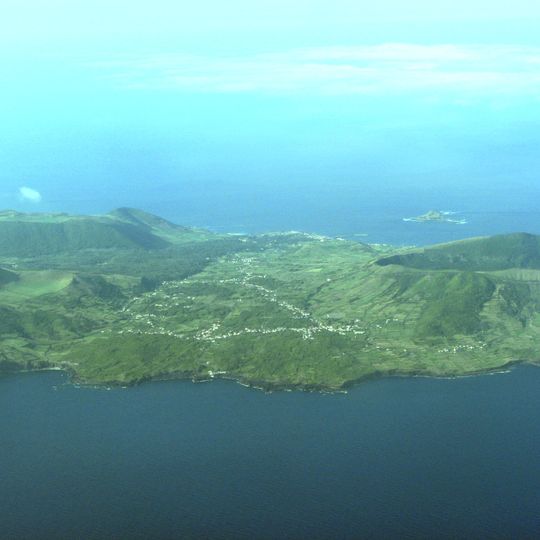
Graciosa Island is a volcanic island in the Atlantic near Portugal's coast, characterized by gentle hills and scattered plant life. Its highest point is the Enxofre Caldera at about 402 meters (1,320 feet).
Portuguese navigators discovered the island in 1451, and Vasco Gil Sodré led the first settlers from Terceira in the mid-1450s. This early settlement became the foundation for community life that continues today.
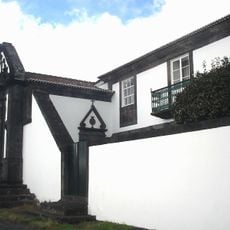
Local fishing and farming traditions shape daily life on the island, visible in small shops and village markets where residents trade regional wine and produce. The communities gather regularly in town centers to buy and sell what their land provides.
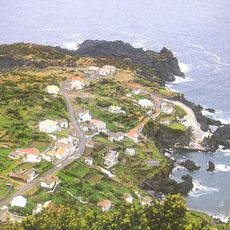
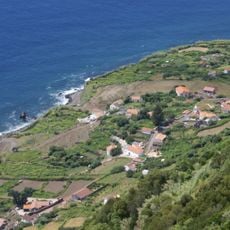
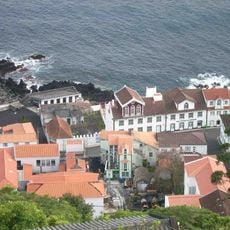
Settlement areas are spread mainly along the coast, with towns like Santa Cruz, São Mateus, Guadalupe, and Luz serving as community centers. The island is small enough to explore on foot or by car without difficulty.
The Furna do Enxofre is a volcanic cave that extends deep into the central caldera and can be reached by boat from the crater lake. This hidden chamber reveals the raw geology beneath the island's gentle surface.
The community of curious travelers
AroundUs brings together thousands of curated places, local tips, and hidden gems, enriched daily by 90,813 contributors worldwide.